Sony will not attend CES in 2027, ending an unbroken relationship with the technology show that stretches back to its 1967 debut. It is a consequential absence for a company that has used CES as a broad corporate stage, and, at several points, as a place to make PlayStation history.
A Sony spokesperson described the decision as part of a focus on “entertainment, intellectual property, and technology geared to support creators.” The company also said it evaluates its events and communications strategy around the needs and priorities of its varied businesses. Sony’s only appearance at the 2026 event was through its joint venture with Honda.
For PlayStation fans, CES has never been the company’s primary annual gaming showcase in quite the same way that a dedicated broadcast can be. Still, the show’s place in Sony and PlayStation history makes the 2027 decision more notable than a routine change to a convention calendar. CES hosted the 1991 unveiling of the SNES PlayStation, the ill-fated Nintendo-Sony collaboration that became a major turning point on the path to the original PlayStation. It also hosted the reveal of the PS5 logo in 2020 and the announcement of PSVR2 and Horizon: Call of the Mountain in 2022.
A break with CES, not necessarily with big announcements
The immediate, practical takeaway is simple: CES 2027 should not be treated as a likely venue for Sony’s next major PlayStation reveal. That does not establish a timetable for new consoles, accessories, games, or virtual-reality hardware. Sony has not attached such a roadmap to its CES decision, and skipping an event is not itself evidence that any particular product is closer or farther away.
What it does show is a further move away from the giant, shared convention model. Sony has not attended Gamescom, the large gaming convention, since 2019. Meanwhile, its own State of Play and PlayStation Showcase presentations provide a direct route to an audience that already follows the brand. Those presentations can collect trailers, developer updates and hardware messaging under a single PlayStation banner without requiring Sony to build a presence around a wider event with many competing companies and product categories.
State of Play refers to PlayStation’s branded video-presentation format. PlayStation Showcase is another branded presentation format associated with larger PlayStation news moments. The distinction most useful to viewers is not a rigid promise about scale; it is that both let Sony control the timing, duration and framing of its own news. In an era where those streams reach millions of viewers, their strategic appeal is clear.
That makes it reasonable to expect that future PlayStation hardware news, whenever Sony chooses to make it, could arrive through one of those channels rather than at CES. It remains an expectation, not a confirmation. Sony’s statement explains its current priorities, but it does not announce what will be shown next or where.
Why CES mattered to PlayStation anyway
CES is a consumer-technology event rather than a games-only convention. That distinction matters. A PlayStation console is a game machine, but Sony’s business reaches across entertainment, technology, screens, audio and other connected categories. A CES appearance could put PlayStation alongside Sony’s wider corporate ambitions instead of isolating it as a standalone gaming announcement.
Related coverage includes Sony to Skip CES 2027, Ending a 60-Year Presence at the Technology Show.
The 1991 SNES PlayStation presentation is the clearest example of why the show has an outsized place in gaming memory. Sony revealed a planned Nintendo-Sony machine built around Super Nintendo technology and CD support. Nintendo then said the next day that it would not proceed with the arrangement. That break did not make a PlayStation console appear overnight, but it is inseparable from the sequence of events that ultimately led to Sony creating PlayStation as its own gaming business.
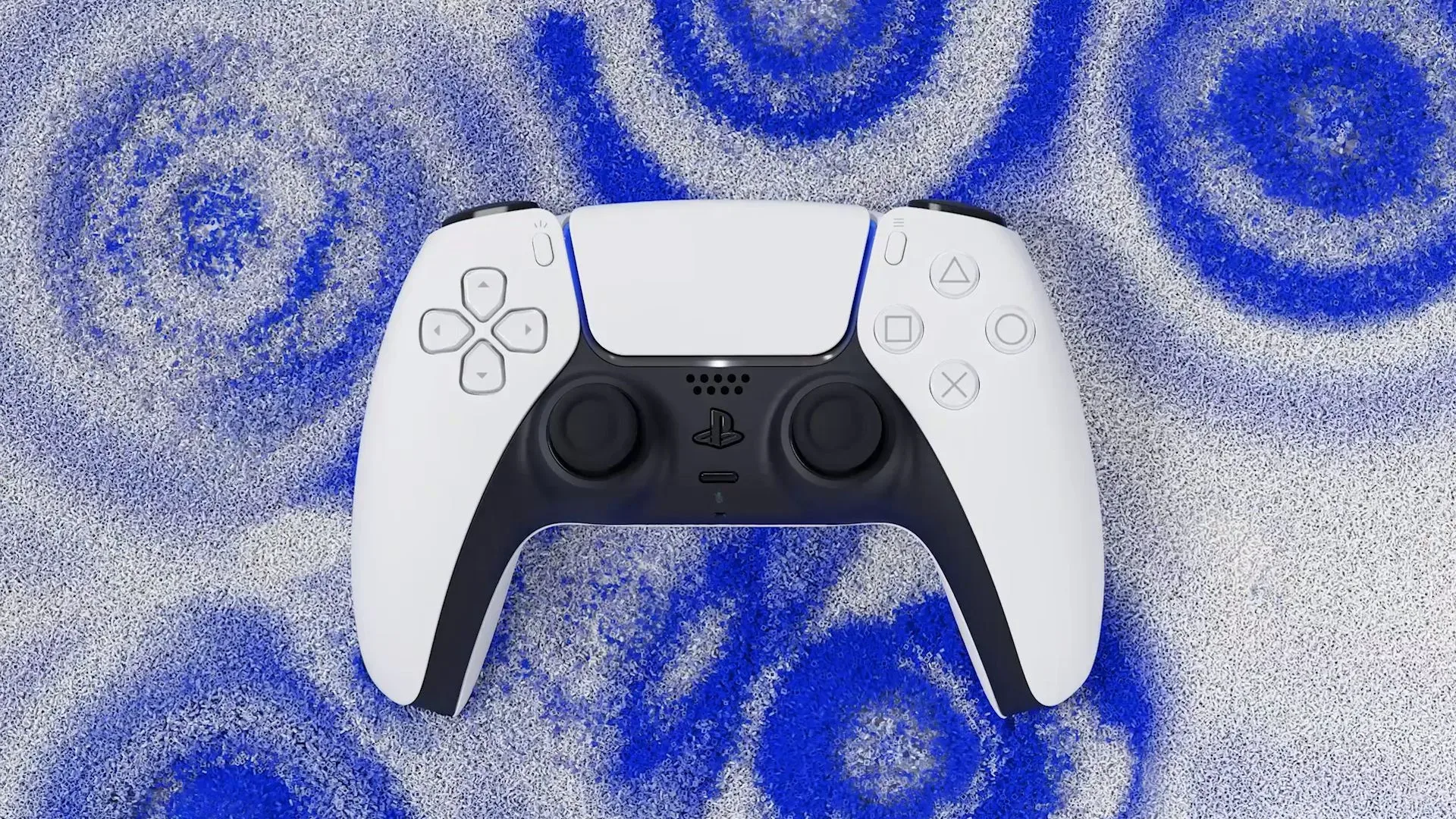
Later CES appearances show a different use for the stage. The PS5 logo reveal in 2020 was a branding moment: it gave the public a confirmed name and visual identity for the console before the full hardware picture was available. The 2022 announcement of PSVR2 and Horizon: Call of the Mountain paired new platform hardware with software designed to demonstrate where it could be used. Together, those examples show why CES could work for PlayStation even when it was not the center of the annual games-news cycle.
Sony’s first CES absence therefore closes a long chapter, but it should not be read as Sony abandoning high-profile communication. It is better understood as a change in distribution: less dependence on a multipurpose physical event, more emphasis on channels Sony operates itself and priorities that span its entertainment and technology businesses.
“Technology geared to support creators” is the key phrase to watch
Sony’s explanation places creators alongside entertainment and intellectual property. The phrase is broad, so it should not be stretched into an unannounced product claim. It does, however, identify an area Sony wants to emphasize.
In this context, intellectual property, often shortened to IP, means the characters, worlds, stories, brands and other creative assets a company owns or controls. For PlayStation, a game series can be more than a single release: it may have value as an ongoing brand across games and other forms of entertainment. Sony’s stated emphasis suggests it is thinking about how entertainment, owned creative properties and technical tools fit together across the wider company.
Creator-supporting technology is similarly a category rather than a named device. The wording could cover tools and platforms that assist people making entertainment or creative work, but Sony has not specified which products or services it means in this statement. The important point for readers is what has not been said: there is no announced new PlayStation console, no announced creator platform, and no claim that CES will be replaced by one particular event.
That restraint is worth maintaining because event absences can invite over-reading. A company can leave a long-running show for logistical, financial, audience or strategic reasons without the change serving as a coded teaser for a hardware reveal. Sony’s own explanation is about broader priorities and a continuing review of communications, not a countdown.
What the shift means for players and the industry
For players, the change may affect where news appears more than how much news Sony shares. Dedicated broadcasts concentrate attention. A viewer does not need to follow a multi-day technology event, filter announcements across numerous industries or wait for a presentation slot on a convention schedule. Sony can publish a State of Play or PlayStation Showcase on its own timetable and give games, updates or hardware their own framing.
There is a trade-off. Big conventions create a common moment, with many companies presenting near one another. That proximity can make it easier to compare strategies and can give fans the feeling that an entire industry is gathered in one place. A direct presentation is more controlled and more focused, but it lacks some of that shared-event atmosphere.
For Sony, the benefits of direct communication are easier to infer from the existing pattern. Branded streams can be tailored to PlayStation audiences, and the company decides what appears, when it appears and how long it remains the focus. Sony does not need CES to reach a mass audience if its own streams already draw millions. Its extended absence from Gamescom points in the same direction: PlayStation has increasingly chosen selective communication rather than treating major conventions as mandatory stops.
That approach is not unique to Sony in the sense that gaming news now routinely travels through online video, social channels and publisher-run broadcasts. But Sony’s CES departure carries unusual symbolic weight because it spans six decades. The company has attended since the show’s beginning, and several PlayStation milestones are attached to that history.
Xbox and Nintendo have remained frequent presences at Gamescom, making Sony’s convention strategy stand out more sharply. That contrast does not prove one approach is superior. Different platform holders can pursue different audiences, event goals and announcement rhythms. The useful observation is simply that Sony has been willing to rely more heavily on its owned presentation formats while its rivals continue to make major convention appearances.
What not to infer from the CES 2027 absence
- It does not confirm new hardware. Sony has not announced a future PlayStation console, headset or accessory in connection with CES 2027.
- It does not give a release schedule. There is no new date for PlayStation hardware, first-party games or PSVR2-related plans in the decision.
- It does not mean Sony has stopped communicating at scale. State of Play and PlayStation Showcase remain important direct-facing formats that can reach millions.
- It does not erase CES’s role in PlayStation history. The SNES PlayStation reveal, PS5 logo and PSVR2 announcements remain significant markers of the relationship.
- It does signal a strategic change in venue priorities. Sony is explicitly placing attention on entertainment, IP and technology for creators while reassessing how it handles events and communications.
For the wider games business, the story fits an ongoing question: when a company can speak directly to millions online, what does it need a massive public convention to do? CES once gave Sony a prestigious and influential room for major moments. In 2027, Sony has decided that room is no longer part of its plan.
That decision will be felt most keenly by people who associate the show with the company’s biggest hardware-era reveals. But the next meaningful PlayStation announcement does not need CES to command attention. Sony has built the means to make its own stage—and its decision to skip the event suggests it expects that stage to remain sufficient.
For more on how companies are recalibrating the way they communicate with audiences and manage long-running services, see our coverage of Embark’s response to live-service burnout around Arc Raiders.