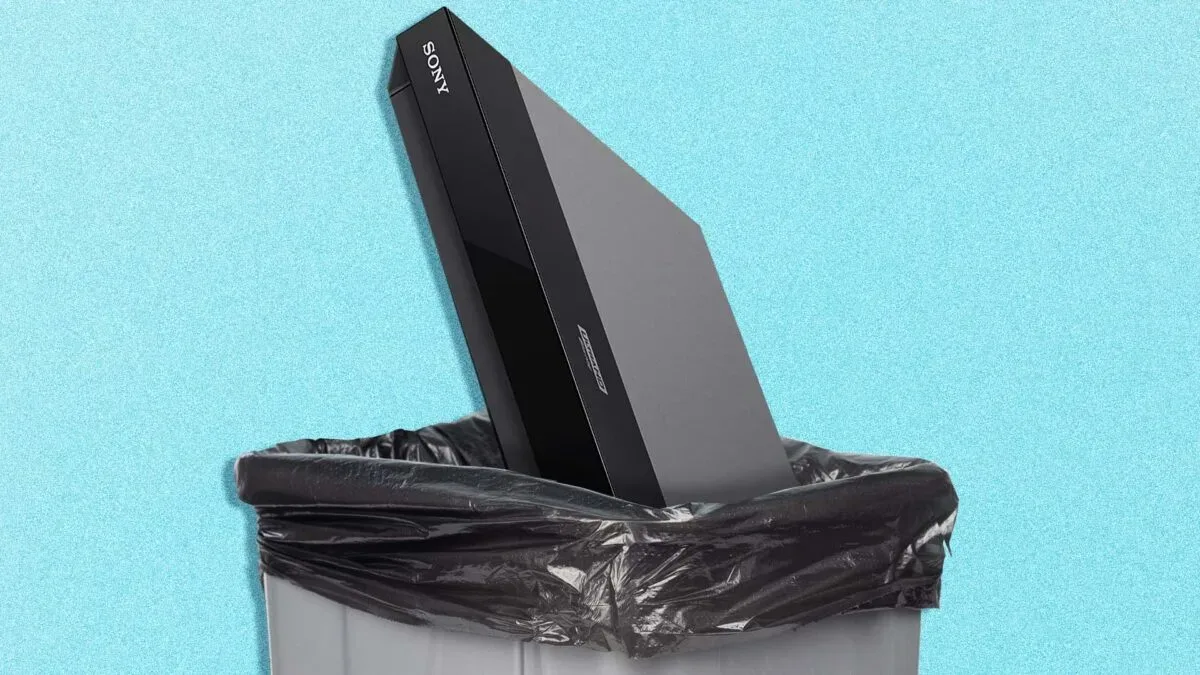
Sony’s retreat from dedicated disc hardware has reached a notable milestone. The company confirmed on October 22, 2026 that shipments of the UBP-X700/K, its remaining standalone 4K Blu-ray player, are ending in Japan. That makes a disc-equipped PlayStation 5 the only Sony device still capable of playing Ultra HD Blu-ray movies in that market.
It is an important distinction, but not necessarily a worldwide goodbye to the player just yet. The UBP-X700/K was released in spring 2025, and it still appeared to be available through some retailers outside Japan at the time of reporting. What has changed is Sony’s local hardware lineup: the dedicated UHD player is no longer part of it.
For players who use a PS5 chiefly for games, that may sound like a very small footnote. For anyone who uses consoles as the center of a home-media setup, it is more substantial. Sony’s gaming hardware may now be doing double duty as the company’s final in-market route to its own 4K movie-disc ecosystem in Japan—while Sony is also preparing to stop producing physical PS5 games for new releases from January 2028.
What Sony is discontinuing—and what the PS5 can still do
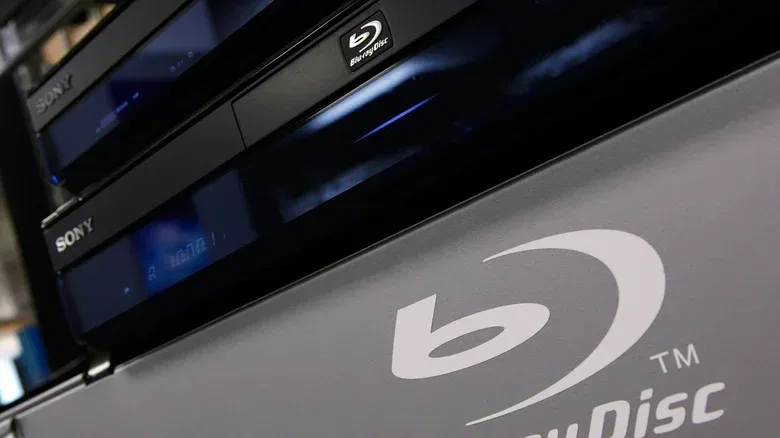
The UBP-X700/K is a standalone Ultra HD Blu-ray player. “Ultra HD Blu-ray,” often shortened to UHD Blu-ray or 4K Blu-ray, refers to the disc format used for 4K movie releases. A standalone player is a purpose-built media component rather than a game console with film playback included as an additional function.
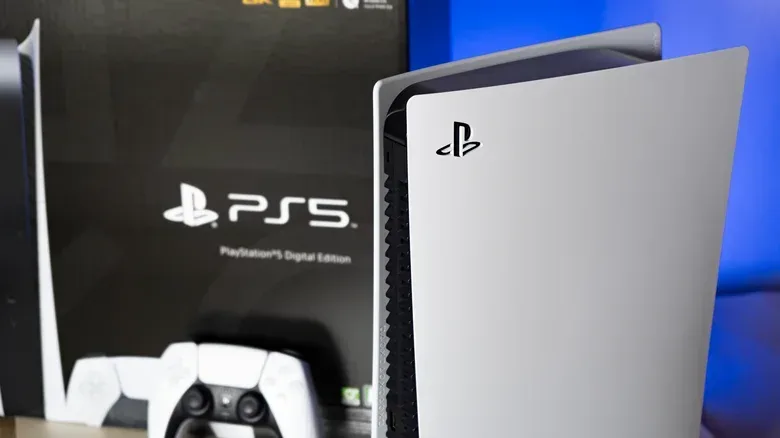
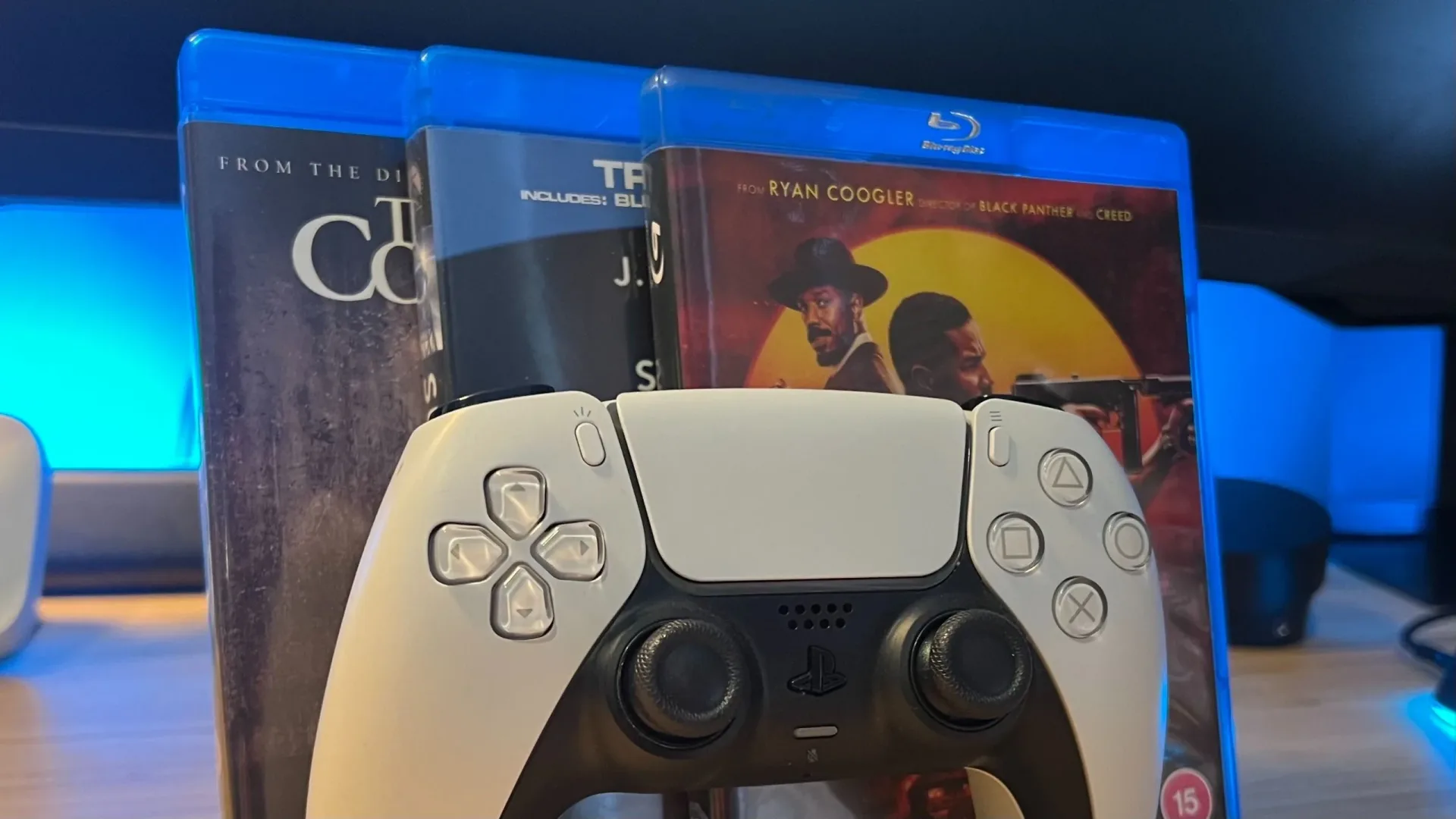
The standard disc-equipped PS5 can play both 4K Blu-ray and conventional 1080p Blu-ray discs. The same applies to PS5 Slim and PS5 Pro systems when they have the compatible detachable disc drive fitted. In practical terms, that means owners of those hardware configurations can continue to watch the Blu-ray discs they already own.
There is, however, a meaningful feature gap. PS5 does not support Dolby Vision playback for 4K films carrying that format. Dolby Vision is an HDR, or high dynamic range, format designed to carry enhanced brightness and color information. The missing support does not prevent the console from playing 4K Blu-ray discs, but it means the PS5 is not a full replacement for the former dedicated player for viewers whose displays and movie libraries rely on Dolby Vision.
That nuance matters because “the PS5 plays Blu-rays” and “the PS5 is an equivalent dedicated movie player” are different statements. Sony’s console remains a usable physical-movie machine, but its capabilities are not identical to the UBP-X700/K’s.
A shrinking dedicated-player field
Sony’s move arrives in a market that has already lost several major manufacturers. LG stopped making Blu-ray players in December 2024, while Samsung left the category in 2019. Panasonic remains the major manufacturer identified as still producing players, alongside smaller enthusiast-focused brands including Magnetar and Krovatar.
That does not establish an end date for Blu-ray, and it does not mean existing discs or current consoles suddenly stop working. It does indicate that buyers who want a new, mainstream dedicated UHD player have fewer options than they once did. The difference is especially stark in Japan, where Sony’s own current lineup no longer includes a dedicated 4K Blu-ray player.
The commercial logic is easier to see than it is to celebrate for disc owners. Streaming stresses immediate access: no cabinet space, no drive, no swapping discs, and no separate player required. Physical media asks viewers to buy, store and maintain both the title and compatible hardware. The evidence here points to falling interest in players and discs even as 4K Blu-ray continues to offer advantages for image quality over streaming.
Bitrate is central to that argument. In simple terms, bitrate is the amount of data delivered per second. A higher bitrate can preserve more visual detail and reduce the compression artifacts that may appear in streamed video, particularly in demanding dark scenes, fast motion or detailed textures. Streaming quality can still be very good, but it has to balance image delivery with internet bandwidth and service-side encoding. A 4K disc has a different set of constraints.
For the physical-media audience, the issue is not merely whether a film can be watched today. It is whether consumers can continue to purchase a format, retain a local copy and acquire reliable hardware to play it. The UBP-X700/K decision makes that hardware question harder to ignore.
The separate, but connected, PS5 game-disc change
Movie Blu-rays and PS5 game discs are not the same product category, yet Sony’s plans for each create a single broader concern around optical media. Sony has confirmed that physical-disc production for new PS5 titles will halt beginning in January 2028. New games after that point are set to be available through the PlayStation Store or retail redemption codes rather than as new physical releases.
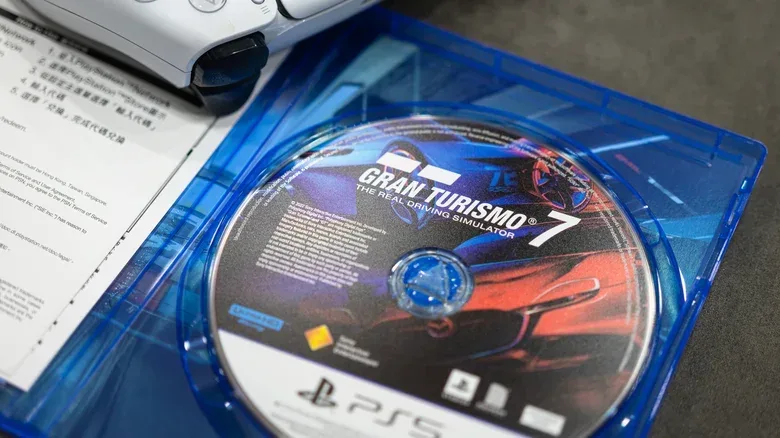
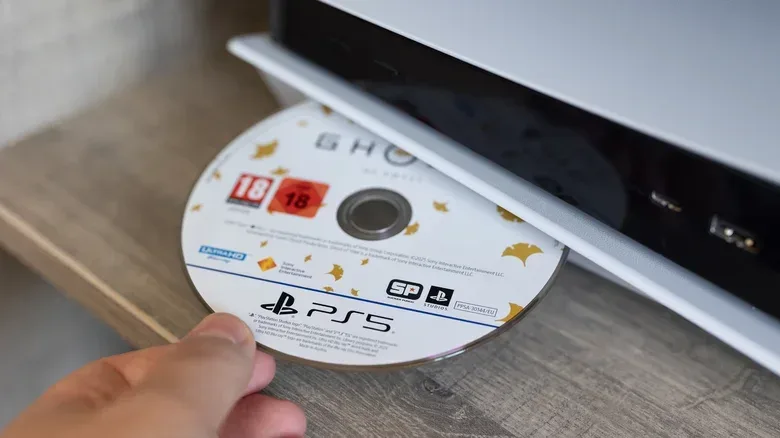
Existing PS5 game discs will continue to work. That is an essential limitation on what the policy means: it is not a declaration that current disc libraries become unusable in 2028. Instead, it changes the format of future releases. A player who wants a newly released PS5 title after the cutoff should not expect a newly manufactured PS5 game disc.
The preservation concern follows from that shift. Physical releases can be retained, lent, resold and used without relying on a digital storefront remaining open for a particular purchase. They are not indestructible—disc rot is a reminder that physical objects can degrade—but they are a different ownership model from an account-based digital entitlement or a redemption code.
There are practical consequences beyond collecting. Libraries that prioritize used purchases, retailers that stock pre-owned discs, and households that share a game between local users all work differently when a new title has no physical edition. None of those outcomes prove that Sony will abandon every disc-related function immediately, but the 2028 change adds weight to the suggestion that PlayStation is moving toward a digital-first future.
The bigger industry trend is also about platform control and access, an issue that reaches beyond media discs alone. Questions around the terms under which digital material is accessed and distributed continue to affect games and the wider web, as seen in this report on publisher challenges to proposed website-scraping language.
Does this tell us anything definite about PS6?
No confirmed PlayStation 6 design has been established here, and the presence of a disc drive remains uncertain. A report citing anonymous sources has suggested that a future PlayStation could be sold as a digital console, as a traditional bundle with a detachable disc drive, or upgraded later with that drive. That claim should be treated as unconfirmed reporting, not as a product announcement.
The idea is at least consistent with Sony’s recent PS5 approach. The PS5 Slim, launched on October 10, 2023, gave buyers an option to add an optical drive, priced at $79. The PS5 Pro, released on November 7, 2024, also supported that same drive. A detachable design allows one core console configuration to serve customers who want digital-only hardware and those who still need disc playback.
That model could make sense operationally, but it does not answer the most important consumer question: what would the drive support? A future optical drive could theoretically exist for backward compatibility with existing game and movie discs, for new game releases, for film playback, or some combination of those uses. Sony’s stated end to new physical PS5 releases from 2028 makes assumptions about any future format especially risky.
There is also no basis to assume that a hypothetical PS6 drive would use the current PS5 accessory. Compatibility would depend on the eventual hardware design and any changes in disc technology. Until Sony announces a console and its specifications, the safest reading is simply that detachable-drive hardware is plausible because it has a clear PS5 precedent—not guaranteed.
What current disc owners should take from this
- Current PS5 game discs remain supported: Sony’s 2028 change concerns new physical releases, not the ability to use discs already sold.
- Disc-equipped PS5 systems remain movie players: Standard disc PS5 hardware, plus Slim and Pro units with the add-on drive, can play 4K and 1080p Blu-rays.
- Dolby Vision remains the PS5 limitation: Owners who specifically need Dolby Vision 4K Blu-ray playback should not assume the console matches the discontinued dedicated player.
- Japan’s hardware change is specific: Ended shipments of the UBP-X700/K apply to Japan; retailer availability elsewhere was still reported at the time.
- Do not buy on PS6 rumor alone: A detachable next-generation drive has been reported but remains unconfirmed.
The immediate reality is straightforward: Sony’s dedicated UHD Blu-ray player is leaving its Japanese lineup, while PS5 continues to handle existing game discs and most Blu-ray playback. The longer-term picture is less settled. The company’s 2028 move away from new physical PS5 releases makes a permanent, all-digital destination conceivable, but it does not prove that a future PlayStation will have no optical drive at all.
For now, PS5 is both a games system and an increasingly consequential piece of physical-media hardware. That is a curious role for a console to inherit—especially when it lacks one of the dedicated player’s notable movie features—but it may be the clearest sign yet that the disc drive is becoming an option consumers can no longer take for granted.