The PlayStation 5 has reached 100 million sell-in units, with the total current as of November 10, 2026. It is an enormous landmark for Sony’s current console, especially given the unusual conditions that have defined much of its life: a launch-era availability crunch during the pandemic, a slower path to major exclusive releases, and later price increases driven by supply-chain pressure rather than the traditional pattern of cheaper hardware over time.
That headline number deserves both recognition and a little decoding. One hundred million is an unmistakably large figure, placing the PS5 among the industry’s major hardware successes. But it is also a sell-in figure. In practical terms, it represents consoles supplied into the retail channel: units in players’ homes as well as units held by stores. It should not be read as a precise count of 100 million PS5 systems already bought by end users.
What the 100 million figure measures
Hardware reporting often uses two related terms that can tell very different stories:
- Sell-in: products shipped or sold from the platform holder into retail and distribution channels. That includes stock waiting on shelves or in warehouses.
- Sell-through: products purchased by the final customer. This is generally the more direct measure of how many households have actually acquired a console.
The newly recorded PS5 total is sell-in. That does not make the achievement hollow; retailers do not ordinarily keep accepting unlimited inventory without expecting demand. It does mean that comparisons must be made carefully. A sell-in milestone establishes the scale of Sony’s distribution and retail business, while sell-through would answer the narrower question of how many individual customers have bought in.
For players, the distinction is not merely accounting language. Strong sell-in can help keep systems visible and available at stores, while sell-through is closer to the active installed base developers consider when deciding how broadly to support a platform. Both matter, but they answer separate questions.
A brisk recent stretch for the console
The milestone follows a notably active period for PS5 shipments. Sony reported 2.6 million console sales for the earnings period ending September 30. Reaching the 100 million total by November 10 indicates that roughly another 2 million units were added across October and the first 10 days of November.
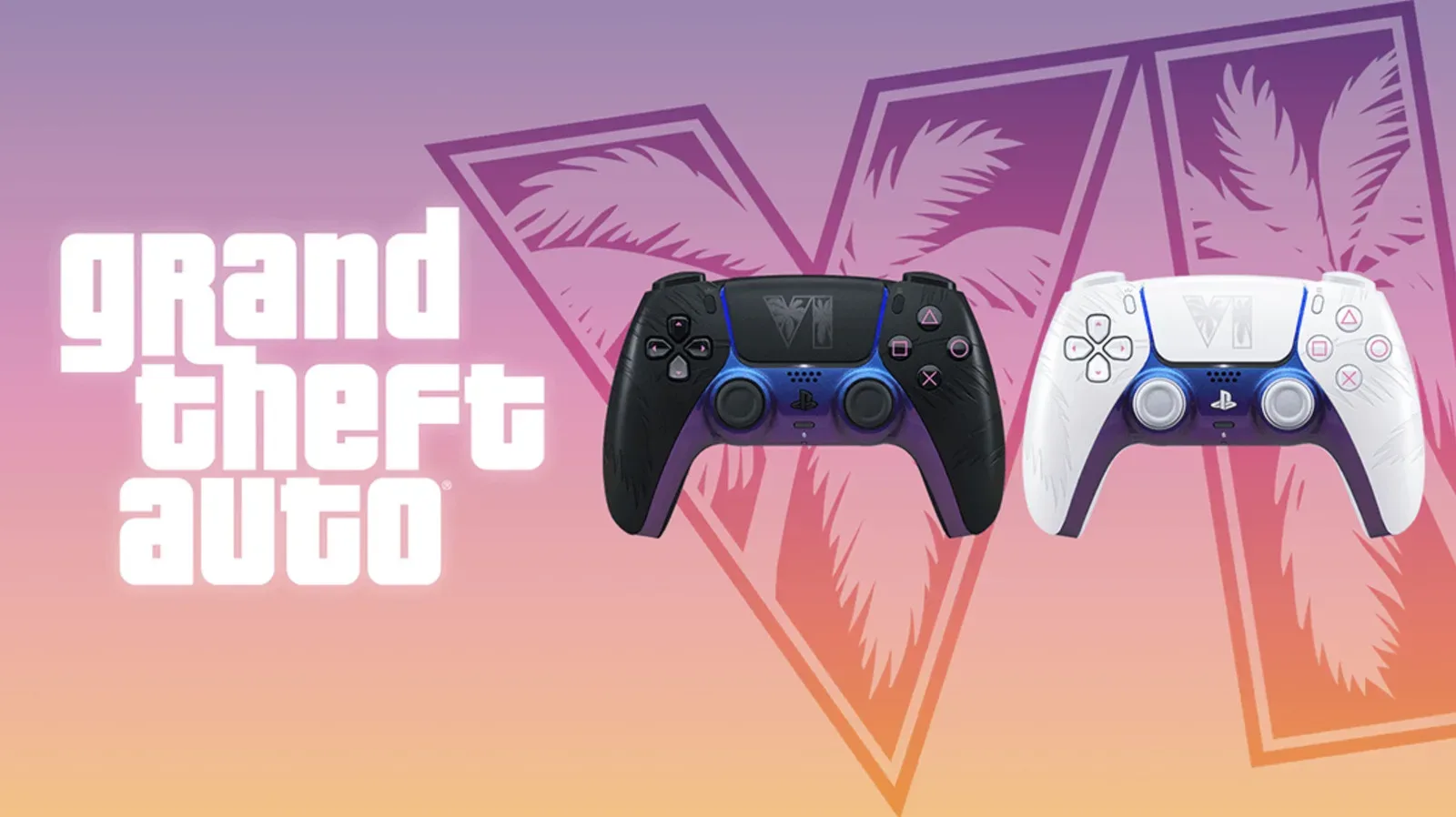
That pace matters because the tally arrived before the year’s major holiday sales period. The console’s momentum has also played out alongside Marvel’s Wolverine and consumer anticipation around Grand Theft Auto 6. Neither point alone can establish why each individual system was sold, but they illustrate why a platform’s game calendar and perceived near-term value remain important to hardware demand.
Console purchases are often delayed rather than abandoned. A player might wait until a specific game arrives, until a major release is close enough to feel real, or until a retailer promotion changes the equation. That makes a release slate especially significant even when a game does not map cleanly to a single hardware-sales figure. The PS5’s 100 million mark suggests that enough buyers have continued to make that jump despite a market environment that has not consistently made the purchase easier.
Related coverage includes PS5 Reaches 100 Million Sales as Sony's Console Momentum Holds.
Why this generation has been unusual
The PS5’s sales history cannot be separated from the constraints around it. Early in its life, getting one was difficult for many would-be buyers. Hardware demand existed, but availability was limited. That is an important distinction in evaluating the system’s trajectory: a console cannot convert every interested shopper into an owner if the shopper cannot find one at a normal retail channel.
Later, the usual generational script changed again. Game consoles have historically been associated with price reductions as hardware ages. In this case, supply shocks and component pressures helped produce annual price increases instead. The result is a tougher proposition for late adopters, particularly compared with earlier console cycles where patience could be rewarded with a lower entry price.
The source material further notes tariff-driven price hikes and RAM-related component shortages among the pressures facing the platform. RAM, short for random-access memory, is a category of computer memory used by systems while software is running. When the supply of key components is constrained or their cost rises, making and pricing complex consumer hardware becomes more difficult. Those pressures do not automatically determine a console’s retail price, but they complicate the straightforward “older console equals cheaper console” expectation.
Against that backdrop, 100 million sell-in units is a sign of durability. It does not erase the friction buyers faced; it shows the PS5 reached a vast distribution total while operating through it.
How PS5 compares with earlier systems
At approximately 72 months into their respective lives, industry estimates place both the PlayStation 4 and PlayStation 2 at about 103 million units, slightly ahead of the PS5’s 100 million. That comparison is useful because it provides a like-for-like timing frame instead of comparing lifetime totals from consoles that may have been on sale for very different lengths of time.
On that measure, the PS5 is close to Sony’s two biggest home-console success stories rather than clearly ahead of them. It is reported to be outperforming the original PlayStation, PlayStation 3, and Nintendo Wii at comparable points. The system is not matching Nintendo Switch or Nintendo DS scale, but those devices occupied a different pricing and form-factor space as portable systems rather than directly comparable high-end home consoles.
That is why raw rank-order arguments can obscure as much as they reveal. Comparing any two systems requires attention to timing, price, availability, audience, and what each product was built to be. A lower-priced portable device and a premium home console can both be successful without being in the same commercial contest.
The best supported reading is therefore a nuanced one: PS5 is just behind PS4 and PS2 at the same broad stage, while remaining comfortably ahead of several other landmark systems. It is not a simple record-breaking run, but neither is it a story of a platform failing to find a mass audience.
The debate around “good enough” momentum
There are two broad interpretations of this result. The more critical view begins with Sony’s strong PS4 momentum and the apparent decline of Xbox during the current cycle. From that perspective, a PS5 result that trails PS4 at a similar age looks like an opportunity not fully captured. A smaller installed-base total than its predecessor, even by a narrow margin, raises legitimate questions about pricing, software strategy, and whether Sony did enough to turn market conditions into a bigger advantage.
The more favorable interpretation puts greater weight on the obstacles. The PS5 endured constrained availability, rising costs, component shortages, and price increases—conditions that make a 100 million-unit sell-in total look considerably stronger than a bare comparison with PS4 or PS2 might suggest. On this view, staying near the pace of those systems is evidence of resilience, not stagnation.
Both interpretations can coexist. A sales total can be impressive while still leaving room to debate the strategic choices that shaped it. The milestone itself tells us that Sony has placed 100 million systems into the market. It does not by itself settle whether a different price path, different investment priorities, or a different pipeline of major games would have pushed that total higher.
One major criticism focuses on Sony’s investment in live-service development and acquisitions. The argument is that resources spent pursuing projects that did not resonate widely, or did not materialize, might have produced a stronger result if redirected toward Sony’s established single-player blockbuster pipeline. That is a counterfactual rather than a measurable fact: there is no way to isolate how every alternative investment decision would have changed PS5 sales. Still, it frames a consequential industry question. Platform holders need software variety and future-facing experiments, but they must also protect the genres and studios that make their systems attractive in the first place.
The industry’s broader production challenges remain relevant here. As covered in a recent look at why day-one patches can affect the route to store shelves, the path from game development to a finished retail product can involve difficult timing decisions. Hardware sales depend partly on software, yet software scheduling, production, and launch readiness are not simple levers a platform holder can pull at will.
What the milestone means for buyers and developers
For consumers, a console base of this scale should reinforce the PS5’s importance as a target platform. A large hardware footprint gives publishers a substantial potential audience for new releases, while players can reasonably expect continued attention from developers. That is not a guarantee that every game will arrive on every platform, nor does it reveal future exclusivity decisions. It simply underscores that PS5 remains a central commercial destination for big-budget releases.
For developers and publishers, the figure is a reminder that the premium home-console market remains meaningful even amid higher hardware prices and a changing competitive landscape. A hundred million sell-in units creates a powerful incentive to consider PS5 in multi-platform planning. Yet the sell-in qualifier is still important: businesses making detailed forecasts need to account for actual consumer ownership, engagement, regional demand, and the cost of making a game, not just a cumulative shipment milestone.
The clearest takeaway is not that the PS5 has definitively beaten or lost to any earlier PlayStation. It is that Sony’s current machine has crossed a rare threshold under conditions that were far from ideal. The remaining questions—whether it can narrow its gap with PS4 and PS2, how pricing will affect late-cycle demand, and how software strategy will shape the next stretch—are more revealing than the round number alone.