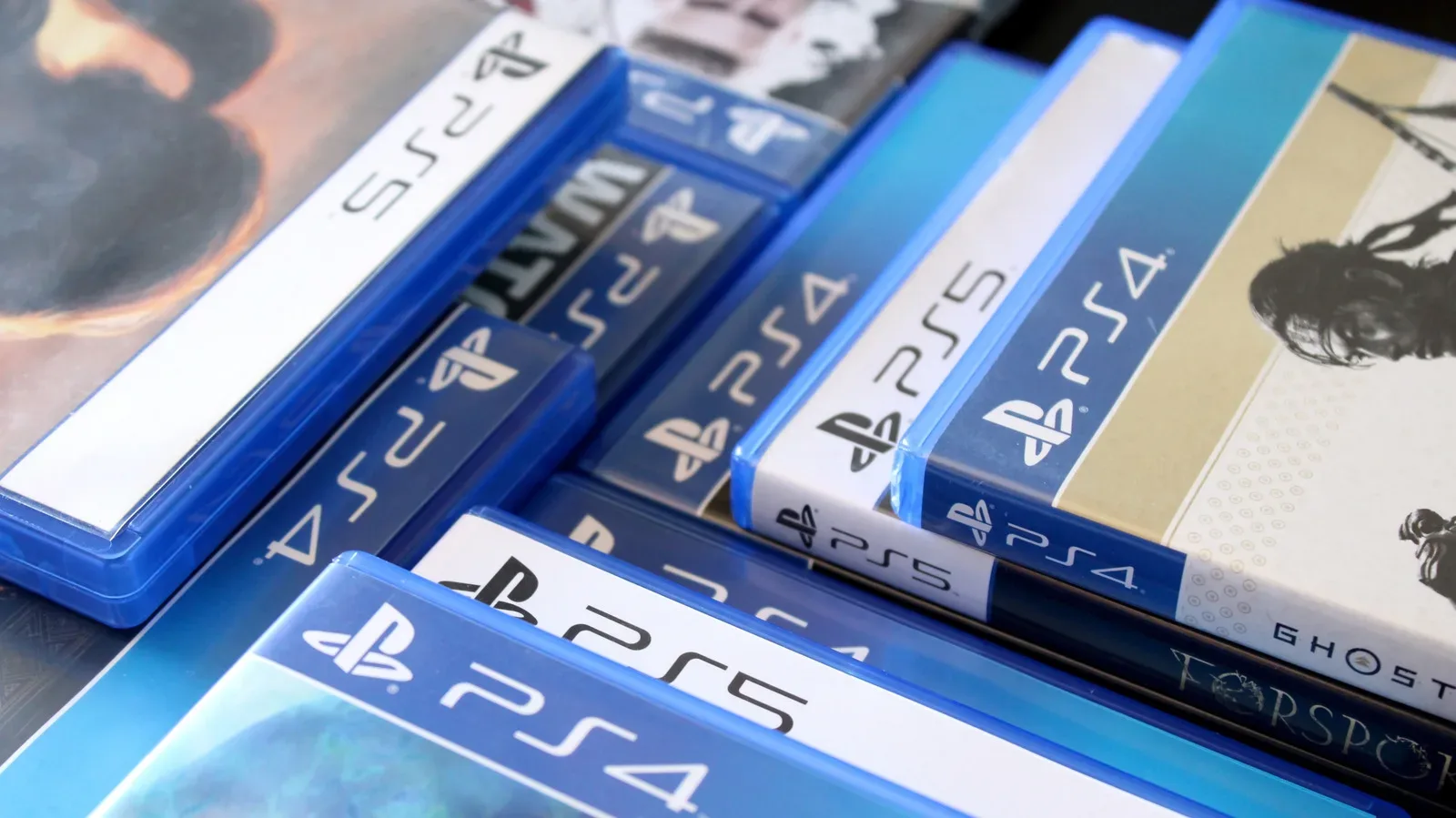

Buying a game has traditionally meant taking a copy home, putting it on a shelf and deciding when to play it, trade it or lend it. Digital storefronts make the transaction faster, but an Australian consumer advocacy group argues that they also change its most important term: the buyer may be paying for access rather than acquiring an item they truly own.
Choice has included Sony Interactive Entertainment in its annual Shonky Awards, giving PlayStation a distinction it describes as an award for asking people to pay to play without giving them ownership. Its concern is directed at the licensing model attached to digital games and films sold through PlayStation’s storefronts—and at what becomes of player choice if physical discs become less available.
The award does not mean a customer’s entire digital library is disappearing today. It is instead a pointed criticism of the terms and structural imbalance behind digital purchases: a player can pay upfront for a game, yet the platform holder’s licence terms may still reserve the ability to alter or end access. That distinction has become a central issue in the wider arguments around preservation, digital rights and the future of console libraries.
A purchase is not always ownership
The key word in this dispute is licence. In a conventional ownership model, someone buys a physical object and controls that specific copy, subject to applicable law. A digital licence is permission to access or use content under conditions set by the provider. Those conditions are generally described in an End User Licence Agreement, or EULA.
That does not make a digital game worthless or unusable by default. For many people, a digital library is convenient: there is no disc to swap, no case to store and no need to find a retailer with stock. The criticism is about the difference between the everyday language of “buying” a game and the contractual reality of receiving continuing access on a company-controlled platform.
Choice’s position is that digital buyers do not receive equivalent ownership rights when they purchase downloadable movies and games through PlayStation services. It argues that the arrangement resembles a long-term rental because the licence can, in principle, be revoked. Its warning is especially stark where customers may assume that a completed checkout permanently secures a title in their account.
This is why a line in the fine print matters so much. The practical question is not merely whether a title can be downloaded this week. It is whether the purchaser can reasonably count on access after a store policy changes, a rights agreement expires, a service is altered or a platform eventually moves on.
Why the concern is more than theoretical
Choice points to a previous PlayStation film delisting involving several hundred digital movies. Purchases of those films were revoked without refunds, demonstrating the concern that a customer can lose access to content that was initially presented as a digital purchase.
Related coverage includes PlayStation Receives Consumer 'Hall of Shame' Award Over Digital Ownership Concerns.
Films and games are not identical products, but the underlying issue is similar: a digital storefront can be both the place where a person pays and the gatekeeper that determines access afterwards. When access depends on a provider-operated account, service and licence, the buyer is exposed to decisions made long after the payment clears.
That is also why the issue overlaps with campaigns such as Stop Killing Games. The campaign’s central anxiety is that games can become unavailable or nonfunctional when their supporting services are withdrawn. Choice’s award frames a related consumer-rights question: if access can be removed, what exactly did the customer receive in exchange for their money?
Digital rights management, often shortened to DRM, is relevant here. DRM refers to technical measures used to control access to digital content. In this context, the concern is not simply that a game is distributed without a disc; it is that access may be tied to platform systems and licensing checks rather than resting entirely with the player. The preservation problem emerges when a game’s continued availability relies on systems the buyer does not control.
Discs still matter—even if they are not a complete answer
Physical media can give players options that are harder to replicate in a fully digital store. A disc can be sold secondhand, lent to a friend, traded with another player or kept as part of a personal library. Those options create a market outside the platform’s own storefront.
Choice argues that those alternatives could disappear as discs do. Its concern is not only about nostalgia for boxes and shelves. It is about bargaining power. If a game exists only within a digital ecosystem, then the operator of that ecosystem has far greater control over distribution, availability and the terms under which players obtain it.
The supplied reporting says PlayStation continues to make significant revenue from physical editions of major games. At the same time, analysts cited in that reporting argue that a move away from discs would give the platform holder greater market control. Without used-game sales, every transaction is more likely to occur through the controlled digital channel, where the platform and publishers set the available terms and prices.
That analysis should not be confused with proof of a specific future policy or a guarantee that physical releases will suddenly vanish. It does, however, explain why licensing language has become such a sensitive issue. Players are not assessing digital storefronts in isolation; they are considering what choices remain if physical and resale routes diminish over time.
A disc is not a magic preservation spell. Games can rely on patches, online services and other components that may not be fully contained on the physical media. But it can still represent an important extra path for consumers: a copy that can circulate outside a single account or storefront. Removing that path can make the provider’s licence terms more consequential, not less.
What players can take from the award
The immediate lesson is to separate convenience from permanence. “Digital purchase” is a familiar phrase, but it does not necessarily describe the same rights as owning a physical copy. Before committing to a platform-specific library, players may want to understand the conditions governing their account, content licences and access to services.
- Read the product terms: Look for language describing a licence, account requirements, service changes and the provider’s rights to remove content.
- Consider how essential long-term access is: A game intended for a single weekend carries a different personal risk from a title someone expects to revisit for years.
- Do not treat resale options as guaranteed: Digital licences generally do not provide the straightforward lending, trading and secondhand options associated with a disc.
- Keep expectations proportionate: A game remaining in a library now is not the same thing as a contractual promise of permanent access under every future circumstance.
Players who use subscription catalogues face a related but distinct version of the same question. A catalogue subscription is explicitly about access during an active membership, rather than an individual transaction that looks and feels like a permanent purchase. PlayStation’s changing catalogue remains useful context for understanding how access-based offerings work; recent additions are covered in our report on the November 2026 PS Plus catalogue. The Shonky Award dispute, however, focuses on the more uncomfortable case where consumers pay individually for a digital title and may reasonably expect that purchase to endure.
An award with a long history of calling out bad consumer experiences
Choice’s Shonky Awards have operated since 2006 and have periodically targeted gaming-related products and practices. In 2023, the group singled out the Xbox Mini Fridge, saying it did not cool effectively despite using more power than a full-size fridge. In 2013, it criticized the always-online launch troubles surrounding SimCity, with particular attention to an Australian support line that charged callers $2.48 per minute while they sought help.
Those examples are different kinds of complaints, but they share a consumer-first lens. The Mini Fridge criticism concerned whether a product did its advertised job. The SimCity criticism concerned the extra cost imposed on people already dealing with a failed service. The PlayStation award raises a broader question of what a digital purchaser is entitled to keep after making a payment.
That question will remain relevant as storefronts, subscriptions and account-based libraries take a larger role in gaming. The convenience of downloading a title in moments is real. So is the value of a broad, connected digital library. But Choice’s award is a reminder that convenience should not obscure the terms of the deal.
For now, the meaningful distinction is plain: access is not the same as ownership, even when both are sold with a “buy” button. Whether platform holders, publishers and consumer advocates can narrow that gap will shape how secure players feel about the games they have already paid to play.