PlayStation’s long-running presence in the Game of the Year conversation has hit an abrupt pause. No Sony-published game appears among the 2026 Game of the Year nominees, ending a remarkable sequence of annual nominations that began in 2015 with Bloodborne and continued through 2025’s Death Stranding 2: On the Beach.
That makes 2026 the first year in 11 nomination cycles without a PlayStation Studios-backed contender after a decade-plus stretch that produced three winners: God of War in 2018, The Last of Us Part II in 2020 and Astro Bot in 2024. It is a meaningful break in a record of awards visibility that had become close to routine for Sony’s first-party portfolio.
The absence should not be mistaken for a claim that PlayStation released nothing worthwhile. Rather, it reflects an unusually awkward overlap between the kinds of games Sony released in 2026 and the broad, critical consensus generally needed to make a Game of the Year shortlist. Sony’s slate included games with clear identities and potential audiences, but it apparently did not produce the single crossover hit that could command the nomination conversation.
Eleven consecutive nomination years, mapped out
The streak began in 2015 and ran through 2025. Across those years, PlayStation’s nominees covered grim action games, cinematic adventures, open-world games, racing-action hybrids, platformers and big franchise follow-ups. Several years had more than one Sony-linked contender.
- 2015: Bloodborne
- 2016: Uncharted 4: A Thief’s End
- 2017: Horizon Zero Dawn
- 2018: God of War — winner
- 2019: Death Stranding
- 2020: The Last of Us Part II — winner — and Ghost of Tsushima
- 2021: Ratchet & Clank: Rift Apart
- 2022: God of War Ragnarok and Horizon Forbidden West
- 2023: Marvel’s Spider-Man 2
- 2024: Astro Bot — winner
- 2025: Death Stranding 2: On the Beach
There is an important distinction in the headline numbers. The 11-year figure refers to the consecutive years in which Sony had a Game of the Year nominee, from 2015 through 2025. The broader “12 years” language captures the fact that 2026 is the first break after that stretch. Either way, the underlying point is the same: a status Sony had held for more than a decade is no longer intact.
A record built on familiar series—and one major exception
The nomination history also illustrates the strengths and limits of PlayStation’s modern prestige strategy. A prestige game, in this context, means a high-profile release designed to feel like a major event: polished production, prominent storytelling, substantial scale and an appeal that extends beyond a narrow genre audience. That description fits many of the nominated titles, particularly Uncharted 4, God of War, The Last of Us Part II, Horizon and Marvel’s Spider-Man 2.
At the same time, the list is strongly sequel-driven. Horizon Forbidden West, God of War Ragnarok, Marvel’s Spider-Man 2 and Death Stranding 2 are explicit continuations, while Uncharted 4 and Ratchet & Clank: Rift Apart also belong to established series. That is not, by itself, a criticism: sequels can evolve a formula, reach a wider audience and earn major acclaim. But the pattern does show how reliably Sony’s recognized output has been tied to known franchises.
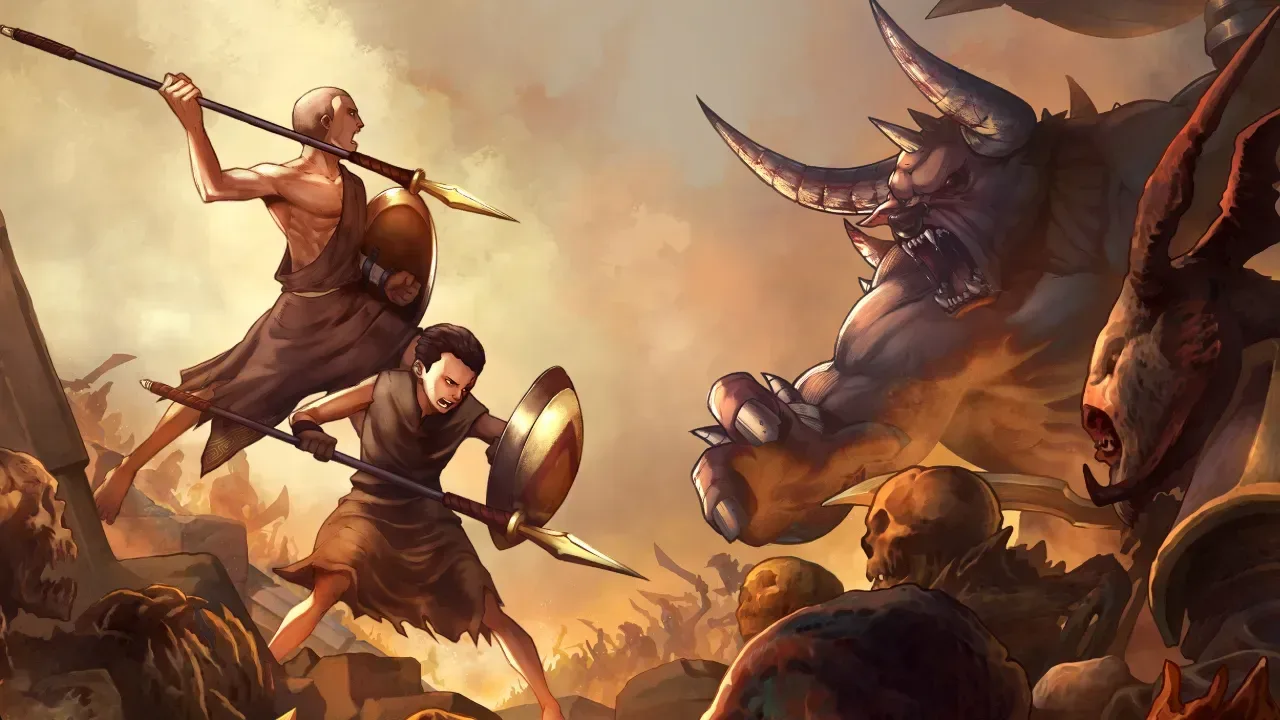
Astro Bot is the valuable counterexample. Its 2024 victory demonstrated that a platformer could break through against grander action games and role-playing games when it achieves enough critical and popular momentum. The win matters because it argues against the idea that Sony’s awards chances rest only on third-person dramatic action adventures. The problem for 2026 is simply that there was no comparably large PlayStation platformer on the release slate to fill that role.
Related coverage includes PlayStation's 11-Year Game of the Year Nomination Run Ends in 2026.
Why 2026 did not produce the obvious contender
Sony’s releases for 2026 were Marathon, MLB The Show 26, Saros, Marvel Tōkon: Fighting Souls, Marvel’s Wolverine and God of War: Sons of Sparta. That is not a small or anonymous lineup. It includes a sports series, a difficult action-focused game, a fighting game, multiplayer-oriented releases and a flagship Marvel single-player project.
Yet breadth is different from awards concentration. A Game of the Year nomination requires one game to become difficult for voters and critics to ignore. A publisher may release several well-regarded games and still lack the one title that becomes a consensus pick across different tastes.
Saros is a useful example of that tension. It was characterized as a favorite by at least one observer, but its punishing difficulty may have reduced its reach. Difficulty is not inherently a weakness; for some players, demanding combat and repeat attempts are the entire attraction. But a game described as “tough-as-nails” faces a practical awards challenge. The more a title asks players to endure failure, learn systems and persist through resistance, the more likely reactions are to diverge sharply between admirers and people who bounce away from it.
Marathon and Marvel Tōkon: Fighting Souls present a different issue: niche appeal. “Niche” does not mean inferior. It means a game’s design, genre or intended audience may be narrower than the broadest awards contenders. A fighting game can be excellent and still be evaluated by many people as a specialized competitive experience rather than the defining game of a given year. Likewise, a multiplayer-focused release may create passionate communities without matching the critical narrative that often forms around a large single-player blockbuster.
MLB The Show 26, meanwhile, belongs to a sports series rather than the kind of release that has dominated Sony’s Game of the Year history. Sports games can be important annual releases to the people who play them, but there is no evidence here that this installment emerged as Sony’s leading all-purpose awards prospect.
Wolverine was positioned for the moment, but did not seize it
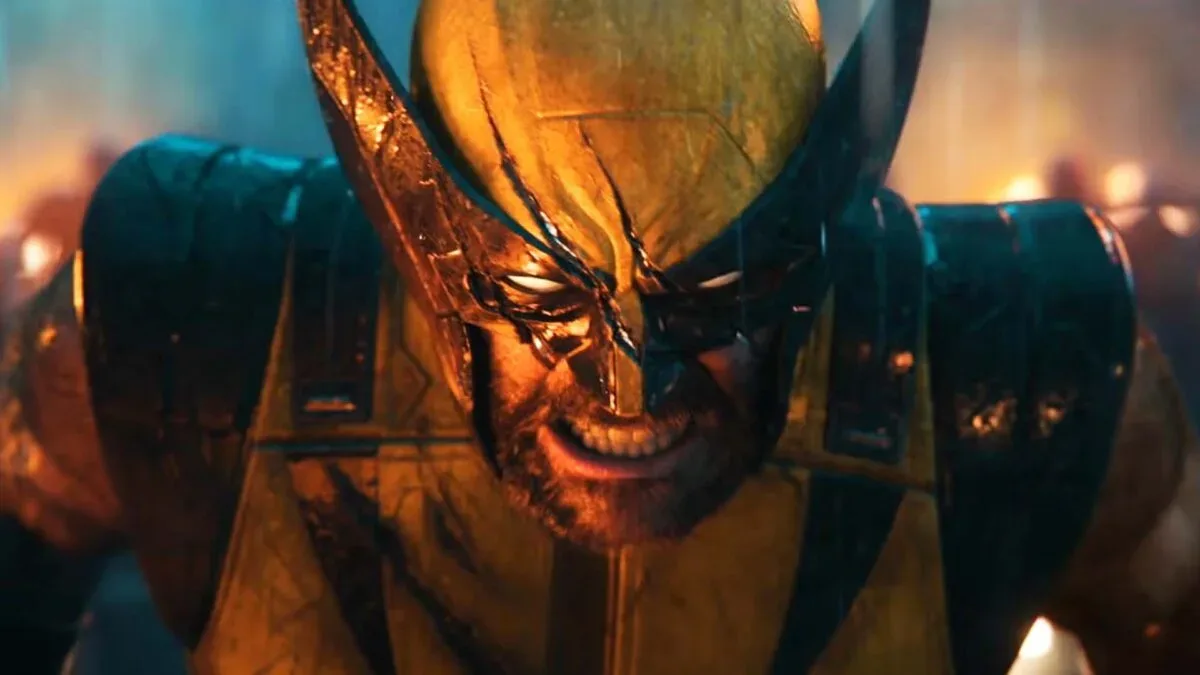
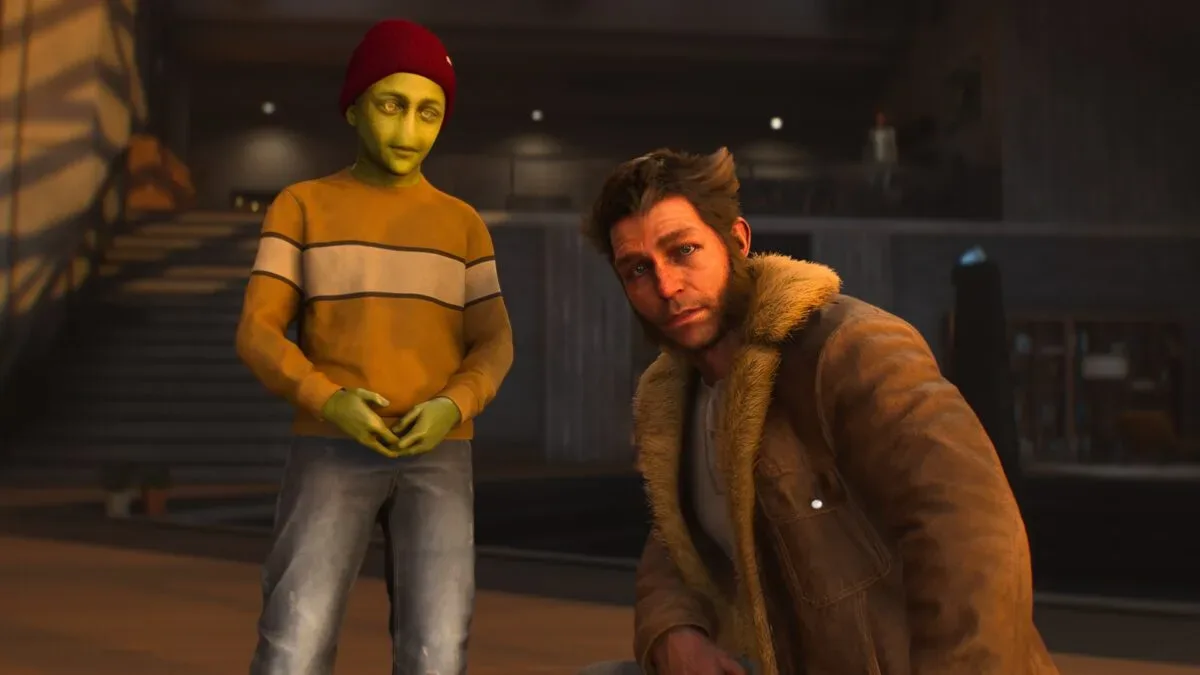
The most significant miss is Marvel’s Wolverine. On paper, it had much of the shape of a traditional PlayStation awards contender: a recognizable character, a single-player action focus and the kind of story-forward presentation associated with Sony’s biggest releases. In another year, it could have supplied the obvious anchor for the company’s campaign.
Instead, the game landed as a more mixed proposition. It had notable moments and retained the storytelling approach associated with PlayStation Studios, but it was viewed as too one-note to become the comprehensive critical success Sony needed. “One-note” is not a technical genre label. It is a critical description for a work perceived as relying too heavily on a single strength, mood or repeated idea without enough variety or development to sustain the full experience.
That distinction matters for Game of the Year consideration. A nominee does not have to appeal to every player, and a game does not need to be flawless. But the titles that survive a crowded field often offer more than a strong premise or polished presentation. They create enough agreement around their mechanics, pacing, artistic direction, emotional impact or ambition that their limitations cease to be the dominant part of the discussion.
For Sony, the consequence is unusually visible because Marvel’s Wolverine appears to have been the release best equipped to continue the publisher’s familiar nomination pattern. Its failure to do so did not erase the quality or audience of the rest of the slate. It did, however, leave the company without a clear replacement at the exact point where its streak depended on one.
What the break says—and what it does not
One nomination drought does not establish a new permanent reality for PlayStation Studios. Awards cycles are snapshots, not complete report cards on a publisher’s health, creative output or long-term plans. The 2026 absence says that none of Sony’s releases made this particular Game of the Year field. It does not prove that established franchises have stopped working, that difficult or specialized games cannot be acclaimed, or that the publisher has abandoned variety.
Still, the break does highlight a strategic reality. Sony’s longest nomination run was powered by games that repeatedly translated major-budget presentation into wide critical enthusiasm. That formula is formidable when it lands. It also creates high expectations around each apparent flagship: a merely solid release can look like a sharp disappointment when it arrives in a slot usually filled by a nominee or winner.
The portfolio may benefit when its potential awards contenders are not all chasing the same broad action-adventure lane. Astro Bot already showed a platformer can win. Saros indicates there is room for a severe, skill-demanding game even if it does not reach a mass audience. Marathon and Marvel Tōkon: Fighting Souls point toward multiplayer and fighting-game spaces that have their own measures of success. The important lesson is not that every game needs to be built for a trophy, but that commercial identity, creative ambition and awards ubiquity do not always align.
Anyone watching the industry’s next wave can also keep an eye on broader 2027 development news, including Unbound’s stated mid-2027 target for its first game. The wider release calendar will determine how difficult the next awards field becomes, not solely what PlayStation has planned.
A quick chance to begin again in 2027
Sony may not have to wait long for another plausible Game of the Year push. Santa Monica Studio is set to release God of War: Laufey in 2027. Given the series’ record—God of War won in 2018 and God of War Ragnarok earned a nomination in 2022—it is the sort of project that naturally attracts awards attention before the final game is even judged.
Of course, past franchise success is not a nomination guarantee. The central lesson of 2026 is that expectations and positioning only take a game so far. A fresh streak would require God of War: Laufey, or another Sony release, to meet the moment with the breadth of response that Marvel’s Wolverine did not achieve.
For now, PlayStation’s 11-year run stands as a substantial accomplishment: annual recognition from Bloodborne through Death Stranding 2: On the Beach, plus three victories along the way. The streak is over, not erased. And 2026 may be remembered less as evidence of a collapse than as the year Sony’s usual awards machine encountered a slate too divided, too specialized and too short of a breakout flagship to keep rolling.