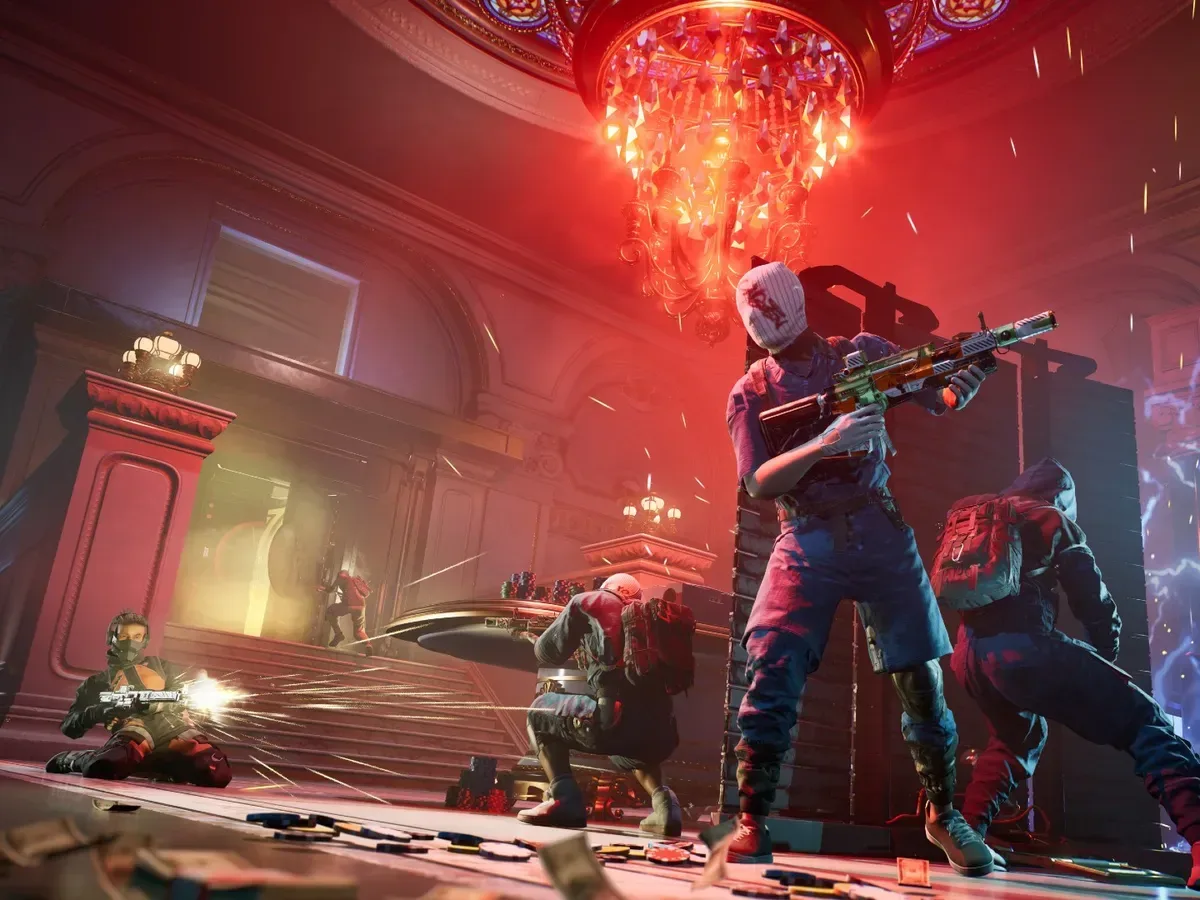
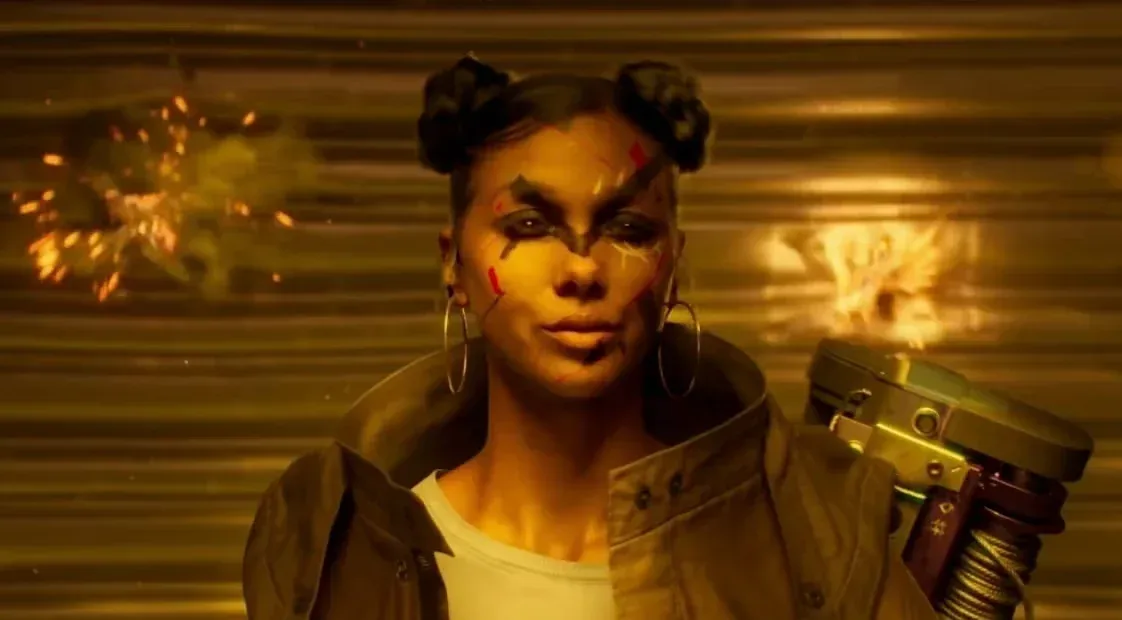
PlayStation has canceled Fairgames, the online shooter in development at Haven Studios. The decision follows a recent playtest in which the project met some operational targets but fell short of internal goals for player feedback and retention.
The cancellation means a game announced in 2023 will not reach release, and it adds another prominent reversal to PlayStation’s push into live-service development. Haven Studios, however, is not undergoing layoffs as a result of the decision. Its staff will instead work with other teams across PlayStation Studios while the company considers new creative opportunities for the studio.
What PlayStation said went right — and what did not
In an internal email to employees, PlayStation executives Sean Decker and John Doyle described a test that showed “strong operational excellence, live ops readiness and community engagement.” Those are meaningful positives for any multiplayer game, particularly one designed to operate over time rather than arrive as a fixed, self-contained product.
But the same email identified the decisive problem: player feedback and retention were mixed and did not achieve the targets PlayStation had set. Executives also pointed to difficult conditions in the PvP shooter market when explaining why development would cease.
Retention is the measure of whether players keep returning after an initial session, day, week, or longer period. It is especially important for a live-service game because a continuing game needs a reliable audience: players to populate matches, form communities, and sustain ongoing support. Strong early engagement alone does not guarantee that an audience will remain once the novelty has passed.
Live ops, short for live operations, covers the systems and processes used to run a game after launch. This can include monitoring the game, responding to problems, maintaining servers, communicating with players, and delivering ongoing activity. PlayStation’s comments suggest that Haven had made progress on the practical side of running an online game. The issue was not simply whether the team could operate it, but whether enough players would want to stick with it in a crowded genre.
That distinction matters. A multiplayer game can be technically capable of being supported without demonstrating the audience response needed to justify a release and the continuing investment that follows it. In this case, PlayStation concluded that the overall picture did not warrant proceeding.
A quiet project with a long development path
Fairgames was first revealed in 2023 and was originally led by Jade Raymond, a producer known for work on the early Assassin’s Creed games. Raymond left Haven Studios in 2025, while the project continued behind the scenes. Public information about the shooter remained limited after its initial unveiling.
Related coverage includes PlayStation Cancels Fairgames Following Mixed Playtest Results.
Haven itself was founded in 2021, then acquired by Sony in 2022 before releasing a game. That timeline placed considerable attention on Fairgames as the studio’s central public-facing project. Now the studio’s near-term role changes from bringing its own announced shooter to market to helping other PlayStation Studios teams and exploring what it should create next.
There is no indication that the cancellation is connected to immediate job cuts at Haven. That is an important practical distinction from the fate of Firewalk Studios, whose multiplayer shooter Concord was removed from storefronts before the studio was later shut down. The available information does not establish what Haven’s next project will be, how many people will work on outside teams, or whether any concepts from Fairgames could be revisited. Those questions remain unanswered.
Why a playtest can stop a game before launch
Playtests are a way for developers and publishers to evaluate a game with players before release. They can expose technical problems, unclear design, matchmaking concerns, frustration points, and whether the core appeal is compelling enough for people to return. A test is not automatically a final verdict on a project; feedback can lead to iteration. But it can also reveal that the amount of change required, combined with the market the game would enter, makes continued development a poor fit.
PlayStation’s explanation of the Fairgames decision gives a relatively clear outline of that calculation. Operational execution and community engagement were viewed positively, but mixed feedback and insufficient retention weakened the business and creative case. “Challenging market conditions in the PVP shooter genre” supplied the other part of the equation.
PvP means player versus player: players compete directly against other players rather than only against computer-controlled opponents. PvP shooters depend heavily on an active population. Players need opponents at appropriate skill levels and reasonable matchmaking times, while the game needs a community healthy enough to support its modes over the long term. That dependence makes the genre unforgiving when enthusiasm is uncertain before launch.
The cancellation also illustrates why the phrase “live service” is not a genre by itself. It describes a model of continued operation, but games built around that model still need a distinctive reason for players to choose them and return. A game may have good infrastructure, prepared support plans, and an engaged test community while still failing to demonstrate broad enough demand. Fairgames appears to have reached that difficult point.
What this means for PlayStation’s live-service strategy
PlayStation has said that live-service games remain important to its future, even as several initiatives have encountered major setbacks. The end of Fairgames does not, on its own, establish that PlayStation is abandoning that strategy. It does show a willingness to stop an internally developed project after testing rather than automatically carry it through to launch.
For players, the immediate result is straightforward: there will be no Fairgames release to follow, and the game’s extended silence will not be broken by a launch campaign. For Haven employees, the stated plan is reassignment and collaboration rather than layoffs tied to this specific cancellation. For PlayStation, the harder task is demonstrating how future online projects can find room in a competitive PvP landscape without repeating the same mismatch between development readiness and player demand.
There is also a wider lesson in the company’s wording. Community engagement is valuable, but engagement during a test is not identical to retention at the scale required for a long-running released game. Likewise, live-operations readiness can reduce the risk of running a service, but it cannot substitute for player appetite. A successful launch needs both: a game people repeatedly choose to play and an organization ready to support that decision.
Competition in PvP games has its own maintenance burden as well. Balance, matchmaking, stability, and player behavior all affect whether a community stays healthy. For a separate example of how a continuing game can adjust competitive systems in response to its population, see this coverage of PvP faction controls and zone crowding in World of Warcraft: Forever. The comparison is not about the games being alike, but about the ongoing operational attention competitive communities demand.
Haven’s future is still undefined
The most concrete part of PlayStation’s plan is that Haven Studios will contribute to other PlayStation Studios development teams while it explores future ideas. The company has not identified those teams, announced a replacement project, or detailed how the studio’s work will be divided. It would be premature to infer a new game, a release window, or a permanent studio role from the current statement.
What is known is narrower but significant: Fairgames has been canceled after a recent playtest, the studio will remain in place without cancellation-related layoffs, and PlayStation still regards live-service development as part of its broader future. For now, the project joins Concord as a high-profile example of the risks facing PlayStation’s online ambitions, while Haven enters a new and as-yet unspecified phase inside the PlayStation Studios group.