AYASA: Shadows of Silence has arrived on PlayStation 5 and Xbox Series X|S, extending Aya Games’ atmospheric horror puzzle-platformer beyond its PC debut. The console versions launched on October 26, 2026, while the game first appeared on Steam on November 28, 2025.
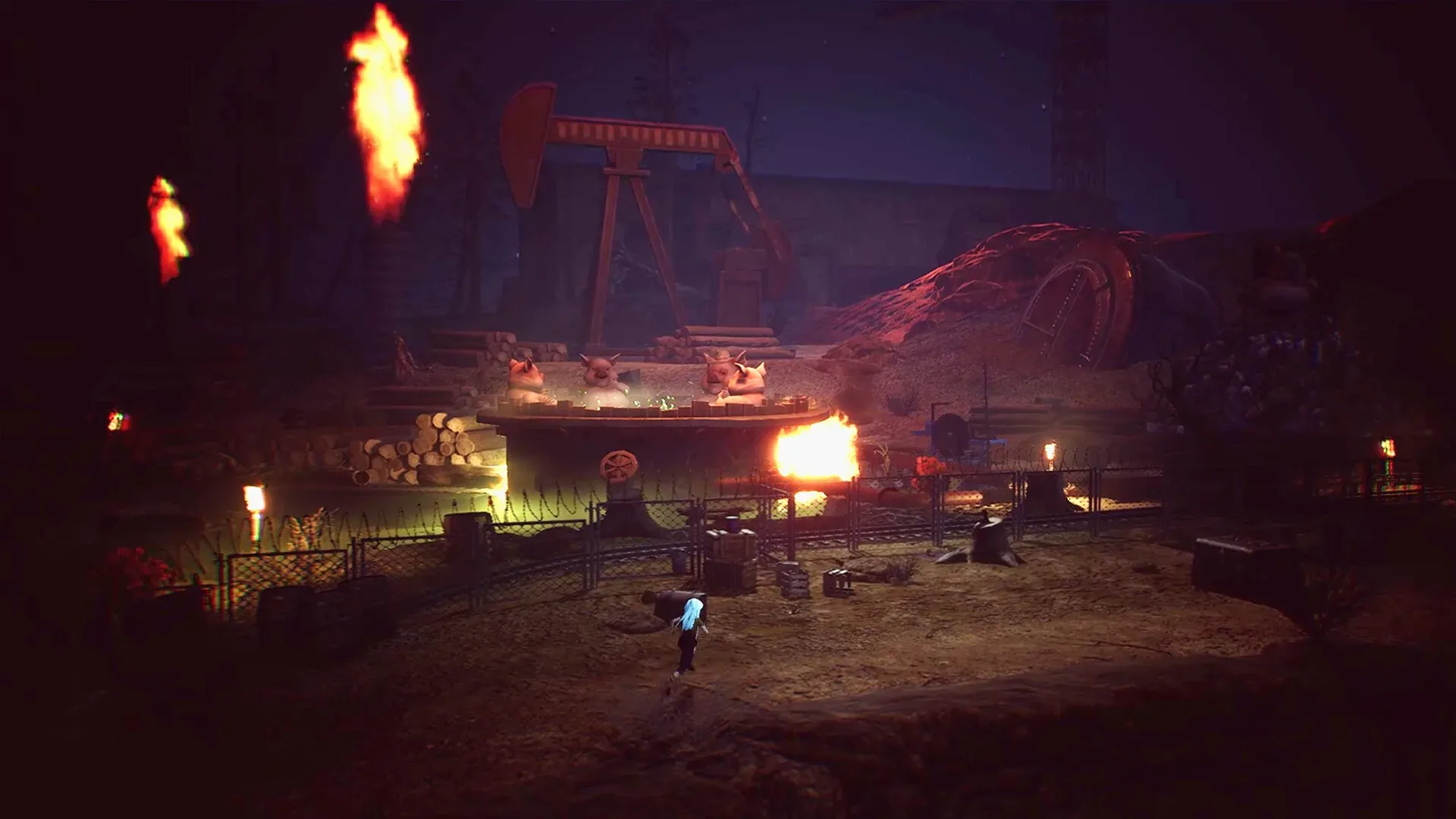
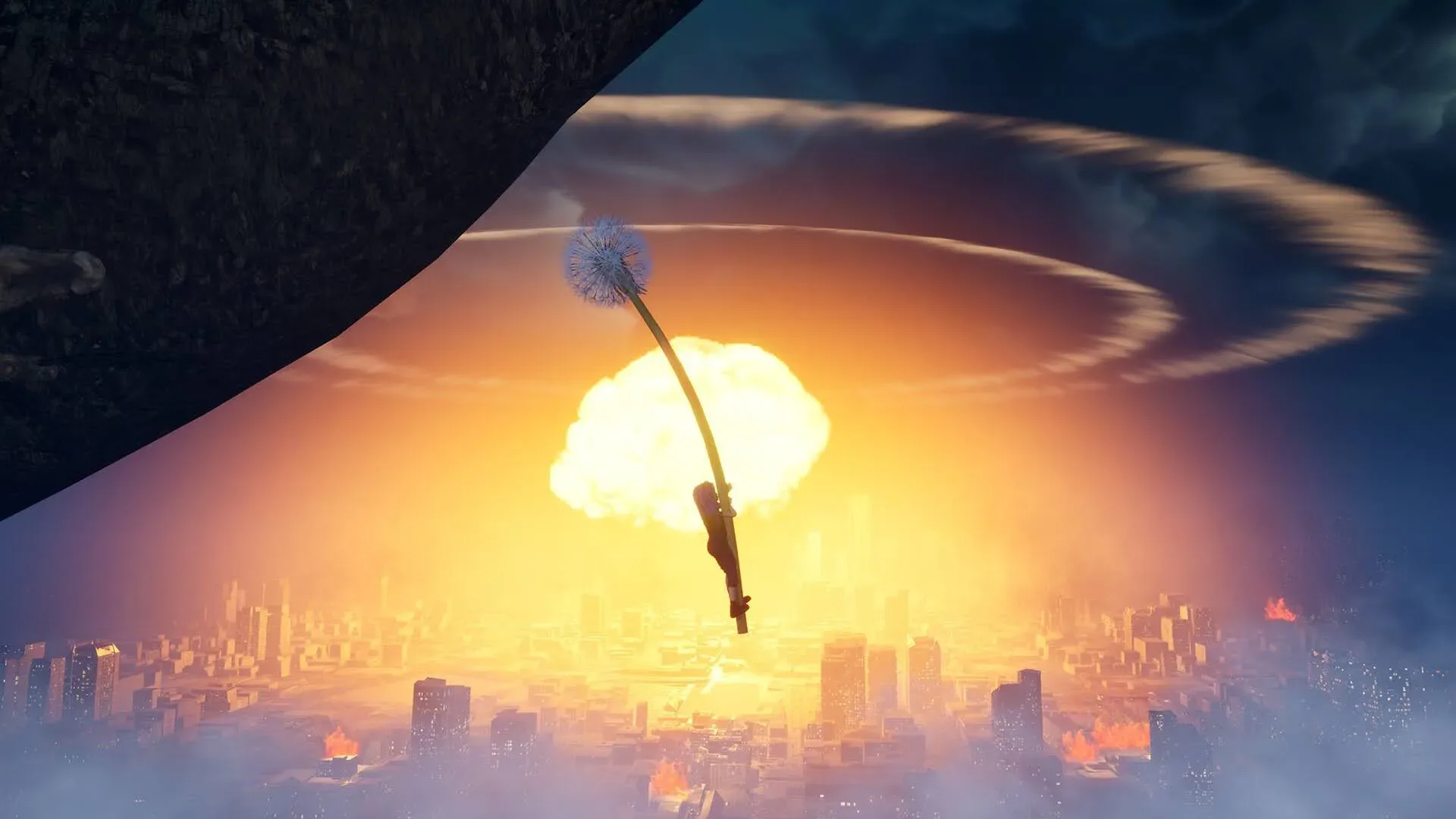
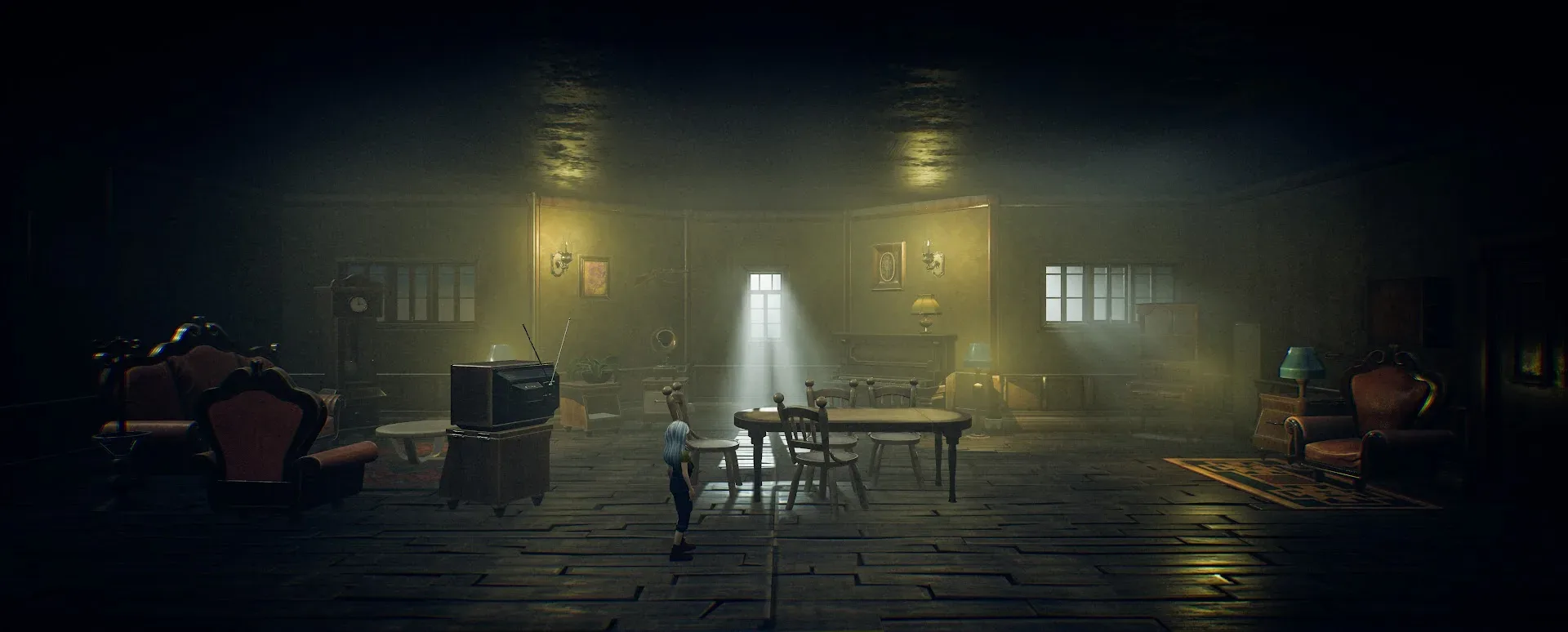
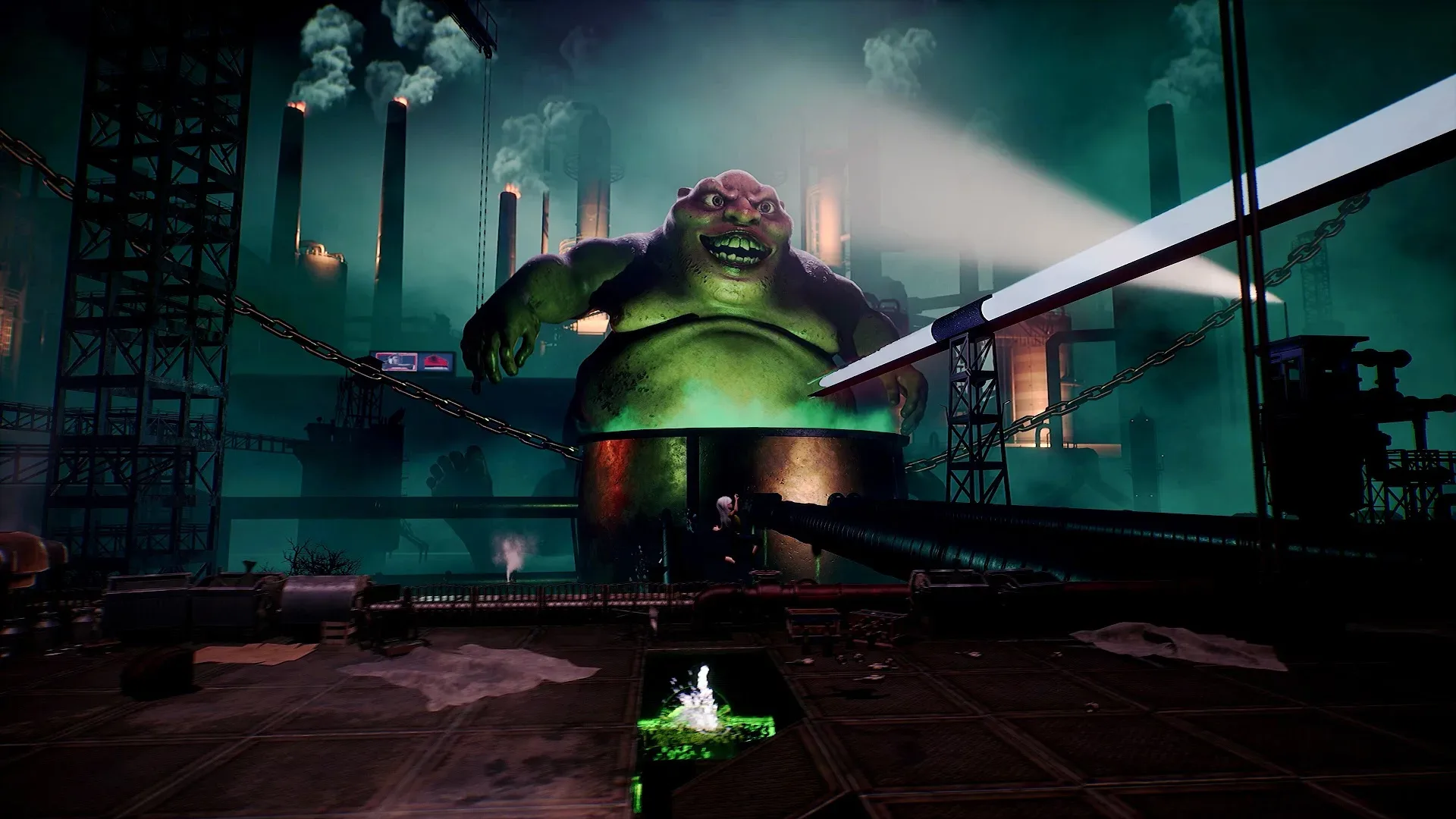
At its core, AYASA is built around an idea that sounds simple but can create a very different kind of platforming tension: light reveals the way forward. Players lead Ayasa through the Inverted World, a surreal setting divided into six lands named Faith, Hope, Love, Greed, Indifference and Betrayal. Progress depends on watching the environment, interpreting what becomes visible, solving environmental problems and moving with care rather than overpowering threats in direct combat.
It is a premise that positions the game closer to a mood-first, observation-driven horror experience than an action game. The central question is not merely whether a player can reach the next ledge or avoid an immediate danger. It is whether they have understood the scene well enough to identify a route, trigger an ancient mechanism or time a stealthy escape.
A horror platformer where illumination is part of the puzzle
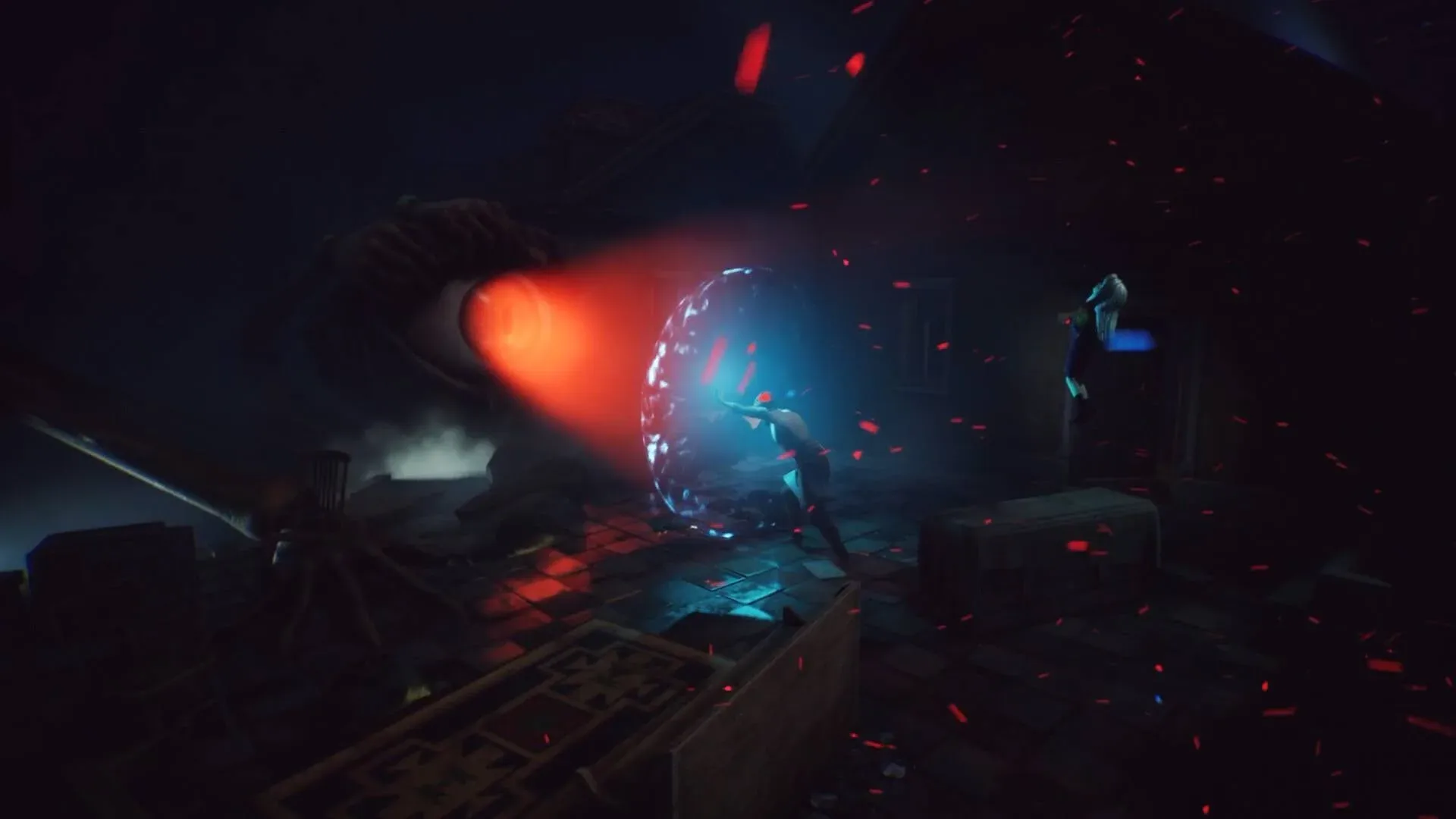
Light is more than visual decoration in AYASA: Shadows of Silence. It is a gameplay system: it can expose hidden paths and help activate ancient machines. In a puzzle-platformer, that makes illumination a form of information. A newly visible walkway, an activated object or a shifted part of the environment can signal the next step without requiring spoken instructions.
That approach matters because the game tells its story without dialogue. The player is expected to read meaning from Ayasa’s movement, the imagery on screen and the musical score. The same visual attentiveness needed to locate a safe route can also become the means through which players understand the world and its events.
Environmental puzzles are challenges solved through objects, spaces and systems within a level rather than through a separate menu or abstract riddle screen. In AYASA’s case, the supplied details point specifically to paths revealed by light and to machines that can be activated. This means a player’s attention is likely directed outward: toward the architecture, objects and changes in the world around Ayasa.
The game also places timing and stealth alongside puzzle-solving. Stealth generally means avoiding detection or danger through positioning, movement and patience. Here, it is part of survival and progression, not an optional flourish around combat. The emphasis on avoiding direct confrontation suggests that retreating, waiting and choosing a route carefully are intended parts of the experience.
For players who prefer horror that creates pressure through vulnerability and uncertainty rather than weaponry, that distinction is important. AYASA’s stated design does not frame Ayasa as a character who clears obstacles by force. Instead, the player’s tools are observation, timing, environmental awareness and the ability to remain unseen.
Six lands, six symbolic ideas
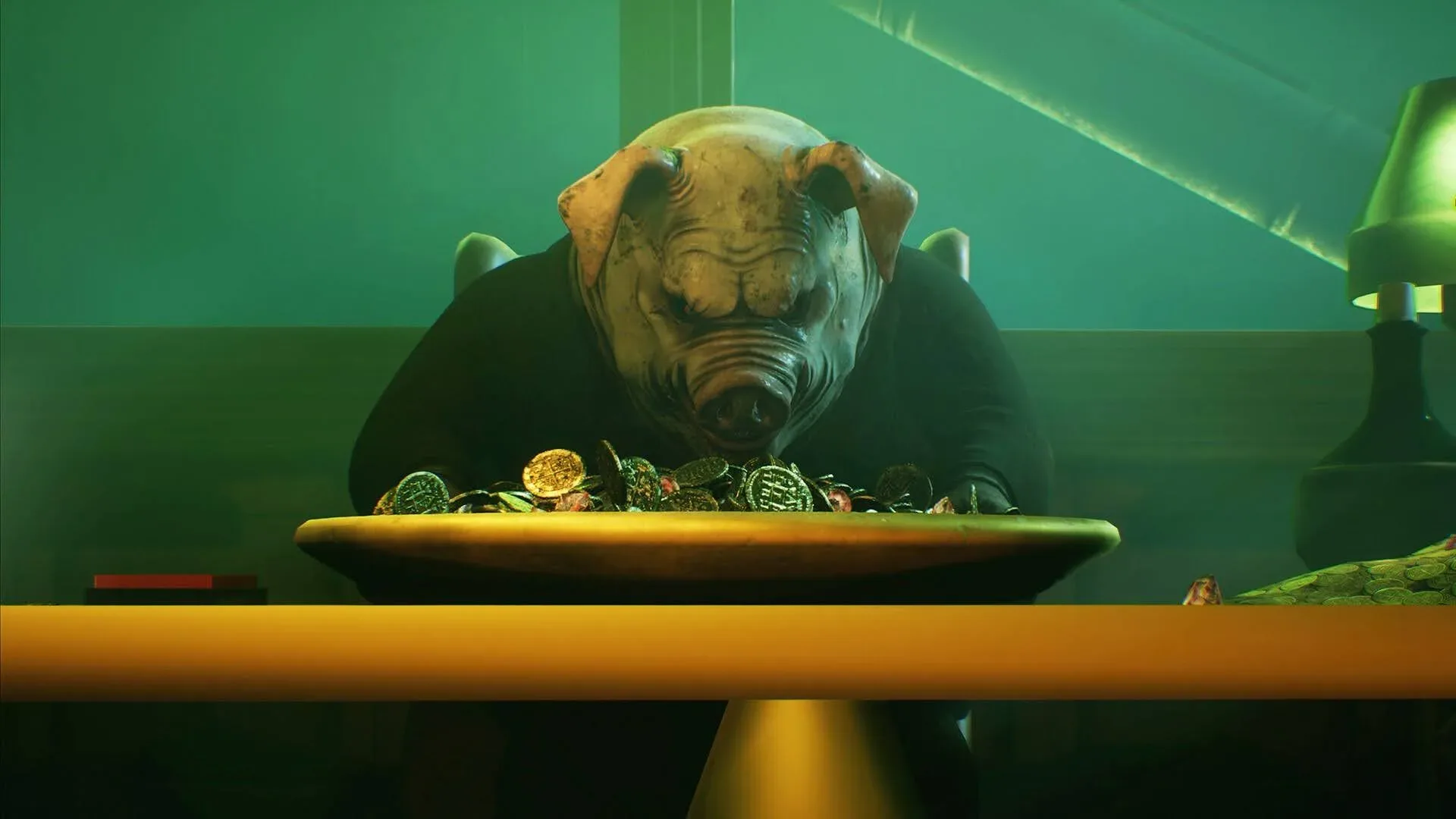
The Inverted World is organized around six surreal regions: Faith, Hope, Love, Greed, Indifference and Betrayal. Those names give the journey an explicitly symbolic frame. They are emotional, moral and social concepts rather than conventional location labels, which fits a game that communicates with imagery instead of dialogue.
The exact narrative meanings of each land are left for players to encounter in the game, but the structure itself offers a clear lens for reading the adventure. The progression through these places may invite players to consider how each environment’s hazards, visual motifs and puzzles connect to its name. In a dialogue-free work, that interpretive space is especially significant: a location can carry story weight through its atmosphere and design without a character explaining what it represents.
That does not mean every image must have a single fixed answer. Visual storytelling often works by letting a player connect details across motion, setting and sound. AYASA’s six-land structure gives those details a framework while preserving a degree of mystery. A scene can function mechanically as a stealth sequence or a light puzzle, while also contributing to the game’s broader emotional tone.
Storytelling without spoken dialogue
AYASA’s dialogue-free presentation is one of its defining features. The narrative is conveyed through movement, surreal imagery and music rather than spoken exchanges. That places a large responsibility on animation, scene composition and sound: they need to establish stakes and communicate change without characters directly stating their motivations or objectives.
For players, this can make the pace feel more personal. There is no voiced line spelling out how a moment should be interpreted. Instead, the player observes Ayasa’s journey and constructs meaning from the sequence of events. It also means that visual clarity is not just an aesthetic concern. When directions and story clues are embedded in the world, noticing small changes can be essential both to progressing and to following the narrative.
The musical side of that communication comes from composer Arman Msryan. The soundtrack draws on the music of Komitas, adding a stated cultural point of reference to an experience otherwise defined by surreal, wordless imagery. Music can establish rhythm during a platforming sequence, underscore danger during stealth and shape the emotional identity of a location. In AYASA, it is also part of the narrative language.
The game’s art direction cites a broad group of influences: Tim Burton, René Laloux, Robert Sahakyants, Hayao Miyazaki and Sergei Parajanov. These references help describe the creative territory Aya Games is drawing from, but AYASA’s own stated identity remains focused on the Inverted World, its symbolic lands and the use of light as a pathfinding and puzzle device.
What the console launch means for players
The PS5 and Xbox Series X|S release follows the PC version by almost a year. Aya Games says it made major updates and improvements after the Steam launch in response to player feedback. Specific changes have not been detailed here, so prospective console players should not assume a particular feature or fix beyond that general statement. Still, the console release arrives after a period in which the team has had the opportunity to refine the game.
For someone choosing a version, the basic availability and pricing are straightforward. AYASA: Shadows of Silence costs $19.99 on PlayStation 5 and Xbox Series X|S. The Steam edition costs $24.99. On Steam, a soundtrack and digital artbook are offered separately, and the game supports menus and interface text in 24 languages.
The provided language support concerns menus and interface text on Steam; it should not be mistaken for an indication of spoken localization. AYASA has no spoken dialogue by design. Its accessibility across language barriers therefore also rests partly on visual storytelling, environmental cues and music.
Players considering the PS5 edition can also place this release within the platform’s broader evolution by revisiting PlayStation controller history, from the original pad to DualSense. AYASA is not described as using any particular controller feature, but its reliance on timing, movement and careful observation makes input feel central to its genre identity.
Who AYASA: Shadows of Silence is for
AYASA looks best suited to players seeking a horror game defined by atmosphere, puzzle-solving and avoidance. Its survival framework favors deliberate play over direct confrontation, while the six symbolic settings suggest a compact, authored journey rather than an open-ended sandbox.
- Puzzle-platformer players can expect environmental obstacles in which light helps expose routes and activate machinery.
- Stealth-focused players should expect timing and survival to matter, with danger handled through evasion rather than force.
- Fans of visual narratives will find a story communicated through animation, surreal scenes and music rather than spoken dialogue.
- Atmosphere-driven horror players may be drawn to a setting where uncertainty, symbolism and the act of looking closely are built into progression.
Conversely, players looking for combat-led horror should calibrate expectations. Direct confrontation is not the focus. AYASA’s tension is designed around what can be seen, what remains hidden, when it is safe to move and whether the environment has been understood correctly.
AYASA: Shadows of Silence is available now for PlayStation 5, Xbox Series X|S and PC through Steam. Its console arrival brings a distinctive blend of surreal art, silent storytelling, stealth and light-based puzzle design to players who want horror to be navigated as much as it is endured.