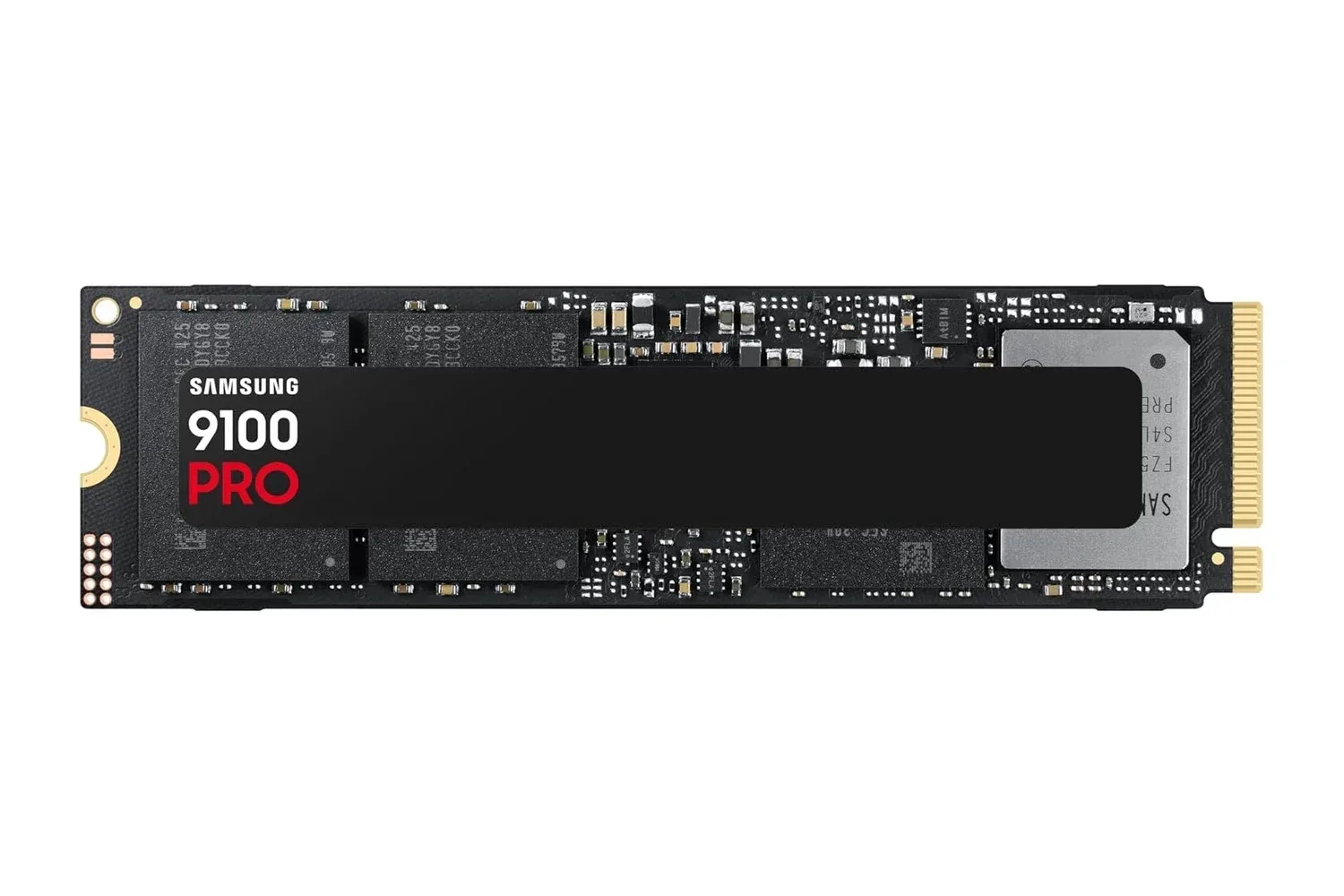
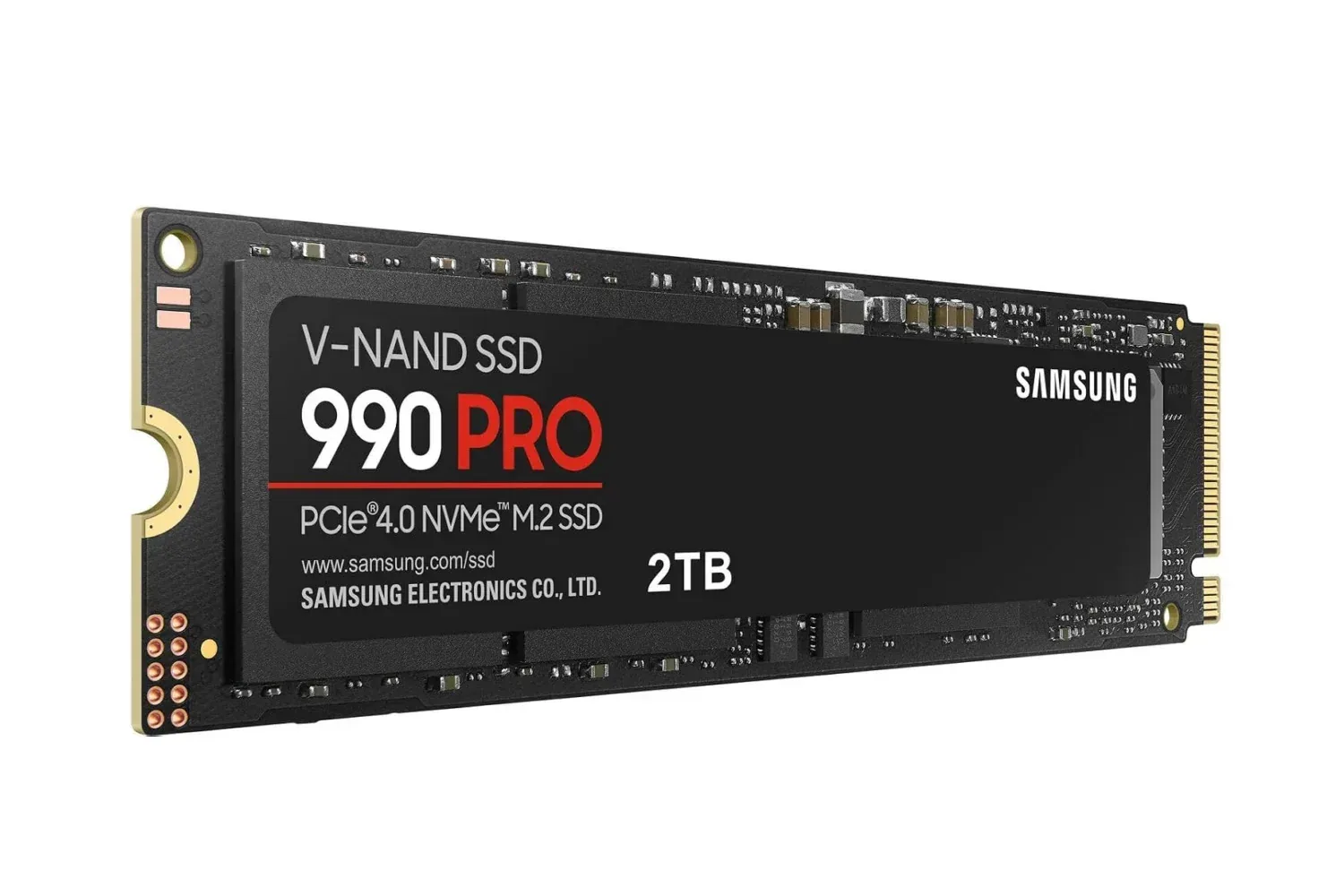
The Samsung 990 Pro 2TB internal SSD is listed at $390, a $250 reduction from a stated regular price of $640. That works out to roughly 39% off, and it puts a high-capacity PCIe 4.0 drive into a more approachable, if still substantial, spending range for PC players who are running short on game space.
Other capacities are reduced as well: the 1TB model is listed at $260, down from $320, while the 4TB model is listed at $800, down from $1,100. Those prices and discounts are snapshots rather than guarantees. Retail listings can change, so the important number is the price visible at checkout, not merely the percentage shown beside it.
For a gaming PC, storage is not the glamorous upgrade. It does not make a graphics card render more frames or turn a bad aim day into a career highlight. It can, however, decide whether a player is constantly uninstalling games, moving files between drives, or keeping a broader library installed and ready. That practical convenience is the central case for the 2TB 990 Pro.
What the 2TB Samsung 990 Pro offers
The 990 Pro is a Gen4, or PCIe 4.0, SSD. PCIe is the connection standard that lets the drive communicate with the rest of a PC. In simple terms, PCIe 4.0 is the platform the drive uses to deliver its rated speed; getting close to that ceiling depends on pairing it with compatible hardware.
Samsung rates the drive for sequential read speeds of up to 7,450 MB/s and sequential write speeds of up to 6,900 MB/s. “Sequential” describes data being handled in a continuous run, such as a large file transfer. These figures are useful for showing the drive’s top-end throughput, but they should not be read as a promise that every game launch, patch, or everyday task will happen at exactly that rate.
The company also cites approximately a 55% improvement in random performance over the earlier 980 Pro. Random performance concerns smaller, scattered data requests rather than one long uninterrupted file. That distinction matters because operating systems, games, applications, and project files often deal with information that is not arranged as one neat block. It is also why sequential-speed marketing alone never tells the full story of how responsive a drive will feel in normal use.
For the intended PC audience, the 990 Pro’s pitch is straightforward: fast storage with enough room for modern games, work files, media, and applications to coexist. A drive with 2TB of capacity is not infinite space, but it gives users more breathing room than a 1TB option when multiple large installations and personal files must share the same system.
Which discounted capacity makes the most sense?
The best capacity is not automatically the largest discounted model. It is the one that fits the amount of data a buyer actually needs to keep available.
Related coverage includes Samsung 990 Pro 2TB SSD Falls to $390 in Major Storage Deal.
- 1TB at $260: The smaller option may suit a PC that needs a targeted fast-storage upgrade rather than a broad library expansion. Its lower entry price is meaningful, but its stated reduction is much smaller than the 2TB model’s.
- 2TB at $390: This is the middle ground for someone who wants room for games alongside media, documents, and projects. The $250 stated saving makes it the deal being emphasized, and the capacity is substantial without reaching the 4TB model’s cost.
- 4TB at $800: The largest option is aimed at buyers whose storage needs are genuinely extensive. It has the largest stated dollar reduction, $300, but also requires the highest upfront spend. More capacity is useful only if it prevents a real storage problem.
That last point deserves emphasis. A discount percentage can make any component feel urgent, especially when storage pricing has been a concern. But a 4TB purchase is not better value for a gamer whose library and files fit comfortably on 2TB. Likewise, a 1TB purchase can become false economy if it quickly recreates the deletion-and-reinstallation cycle the upgrade was supposed to end.
Compatibility is the first check, not an afterthought
Before treating the listing as a straightforward PC upgrade, buyers should verify that their system can accommodate a PCIe 4.0 SSD and determine whether it can deliver the performance they expect. The cited read and write figures represent near-maximum PCIe 4.0 performance, so the interface matters to the drive’s headline proposition.
It is also worth separating capacity from speed. A player who primarily needs more room may still benefit from added space even if their situation does not line up perfectly with the drive’s top PCIe 4.0 rating. But anyone paying a premium specifically for the 990 Pro’s performance should ensure their system supports the standard that enables it.
This applies particularly to players building out broader PC setups for recording, editing, and streaming, where game installs may sit alongside larger media and project files. Storage needs can grow quickly in that situation. For more on the capture side of that kind of setup, see our look at the Elgato and Twitch GTA 6 streaming kit.
Thermals and drive management are part of the package
Samsung says the 990 Pro uses a nickel-coated controller for thermal control. The controller is the drive component that manages how data moves and is handled. Thermal management matters because sustained activity can produce heat, and managing that heat is intended to help the SSD maintain its performance.
The drive also works with Samsung Magician software. The software is described as a place to monitor drive health, optimize performance, and install available updates. That is useful for buyers who want a clearer view of their storage hardware after installation rather than treating it as a sealed black box until something goes wrong.
“Drive health” here refers to monitoring the SSD’s status over time. It is a maintenance-oriented feature, not a reason to assume a drive will never need attention. The practical benefit is visibility: users can check on the drive and apply available updates through Samsung’s own utility.
The broader storage-price backdrop
High consumer SSD pricing has been linked to demand from AI data centers, which require substantial memory and storage. The stated concern is that manufacturers have shifted priorities toward meeting that demand, reducing what is available to regular buyers and contributing to higher prices.
That backdrop makes individual sale prices more noticeable, but it should not turn any temporary listing into a compulsory purchase. The 2TB 990 Pro’s $390 price is compelling chiefly for people who were already considering a fast, roomy PCIe 4.0 upgrade. A buyer with no immediate capacity constraint, or a system unable to make meaningful use of the drive’s PCIe 4.0 performance, has good reason to slow down and verify the fit.
For PC gamers who do need the space, the deal has a simple appeal: it pairs 2TB of storage with Samsung’s rated 7,450 MB/s read and 6,900 MB/s write speeds, plus software-based monitoring and update tools. Just confirm compatibility, choose the capacity that solves the real problem, and check the live price before committing. Sale labels expire; unexpectedly full drives are much more persistent.
Shop the products
Check current price, model and availability at the retailer.