Survival games may be having one of their clearest years in some time, at least in the view of John “Bucky” Buckley, Pocketpair’s head of publishing and communications. In remarks shared online, Buckley celebrated a field that he believes has moved beyond a crowded period of uneven releases toward a healthier mix of games with their own identities.
“What a year for survival gaming,” Buckley wrote, naming Valheim, RuneScape: Dragonwilds, Enshrouded, Dune: Awakening, Core Keeper and Terraria. He contrasted that lineup with a time when the genre was “plagued with 100 hit or miss games a year,” adding that it has now “found its stride.”
It is an opinion rather than a sales report or a comprehensive survey of the market, but it identifies a meaningful shift in how survival games are being framed. The common language of the genre remains recognizable: gathering resources, constructing a base, exploring dangerous spaces, and gradually building the means to survive more effectively. The games Buckley highlighted, however, apply that language to sharply different settings and structures.
That variety matters. A survival game is not simply a game with hunger meters or trees that can be punched into lumber. At its broadest, the label describes systems that make the player secure necessities, manage risk, and turn a hostile environment into something more manageable. Resource gathering is the process of acquiring materials such as wood, ore, or other crafting inputs. Base-building is the construction of a home, workshop, defensive position, or other player-made space that supports progress. Those loops can be familiar, but their purpose changes greatly depending on the world around them.
For more context, explore Meta Details $1,299 VR Glasses With 3D Films, Sports and Xbox Cloud Gaming Plans.
A shared foundation, increasingly different destinations
Valheim is one of the clearest examples of a survival game with a strong thematic frame. Its Viking-inspired setting gives its gathering and building activities a distinct atmosphere, rather than leaving them as abstract chores. The game reached its 1.0 release this year and continues to grow. That milestone is notable because a 1.0 version generally signals a game’s full-release status after a period of ongoing development; it does not inherently mean that support or future growth has stopped.
Dune: Awakening, meanwhile, takes survival systems to Arrakis. The desert planet provides a very different fantasy from a forest, island, or generic post-apocalyptic landscape: surviving the world is inseparable from surviving the desert itself. The game also gives players an unusually recognizable piece of the setting’s fantasy in the ability to ride sandworms. It released on PS5 earlier in the week of Buckley’s comments, widening the platform conversation around a genre often strongly associated with PC audiences.
That does not mean every game on Buckley’s list is trying to do the same thing at a different address. RuneScape: Dragonwilds is an offshoot of the long-running MMO property, while Enshrouded incorporates action RPG elements. An action RPG adds real-time combat and role-playing progression to the survival structure, giving players a more combat- and character-driven reason to venture out than wandering and material collection alone might provide.
Core Keeper and Terraria point in another direction: retro-styled approaches to exploration, crafting, and survival-adjacent play. Their inclusion is useful because it challenges the assumption that the genre’s future depends on increasingly realistic visuals or ever-larger landscapes. A game can use a more stylized or old-school presentation and still offer the long-term discovery, construction, and player-led goals people seek from this corner of gaming.
Why the genre can feel more mature now
Buckley’s point is less that survival games have suddenly stopped sharing mechanics and more that their premises are easier to tell apart. Earlier waves could feel dominated by projects drawing heavily from the same reference points, particularly Rust and The Forest, without offering enough immediately identifiable distinction. That sort of overlap is not automatically a flaw. Genres often develop through iteration. But a crowded field becomes difficult for players to navigate if the pitch for each new game amounts to the same set of systems in another wilderness.
The titles Buckley selected demonstrate several ways to avoid that problem. A famous fictional world can define the environmental fantasy, as with Arrakis. A recognizable visual style can alter how exploration feels, as with the retro-leaning games. An existing RPG or MMO lineage can create a different expectation for progression. A setting with a strong historical or mythic flavor can give construction and resource collection a specific role within the world. In each case, the survival loop is still present, but it is not the whole pitch.
For players, that may be the practical advantage of the genre’s current breadth. Someone interested primarily in building can look for a game that treats bases as central projects. Someone seeking combat and progression has a different route through an action RPG-inflected survival game. A player who wants a large licensed world can approach a game built around that setting, while somebody who prefers retro-style discovery has alternatives that do not depend on the same visual or structural scale.
It also means the label “survival” deserves a little care. It can describe games built around very different balances of combat, building, exploration, crafting, cooperative play, progression, and environmental danger. Treating all of them as interchangeable because they contain gathering and construction misses the choices that define each experience. Buckley’s list is compelling precisely because it is not a list of identical games.
Palworld and Windrose in the wider mix
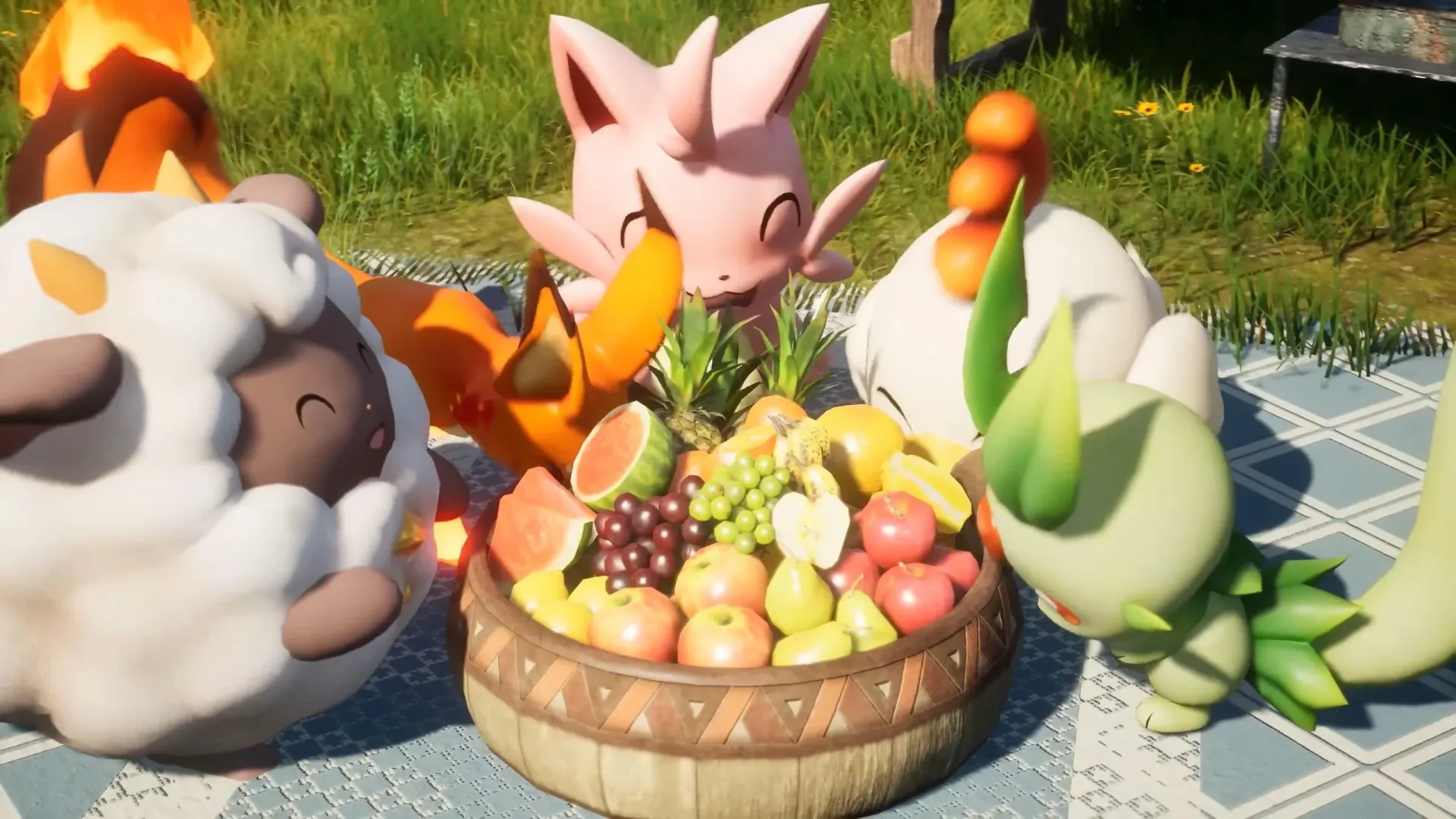
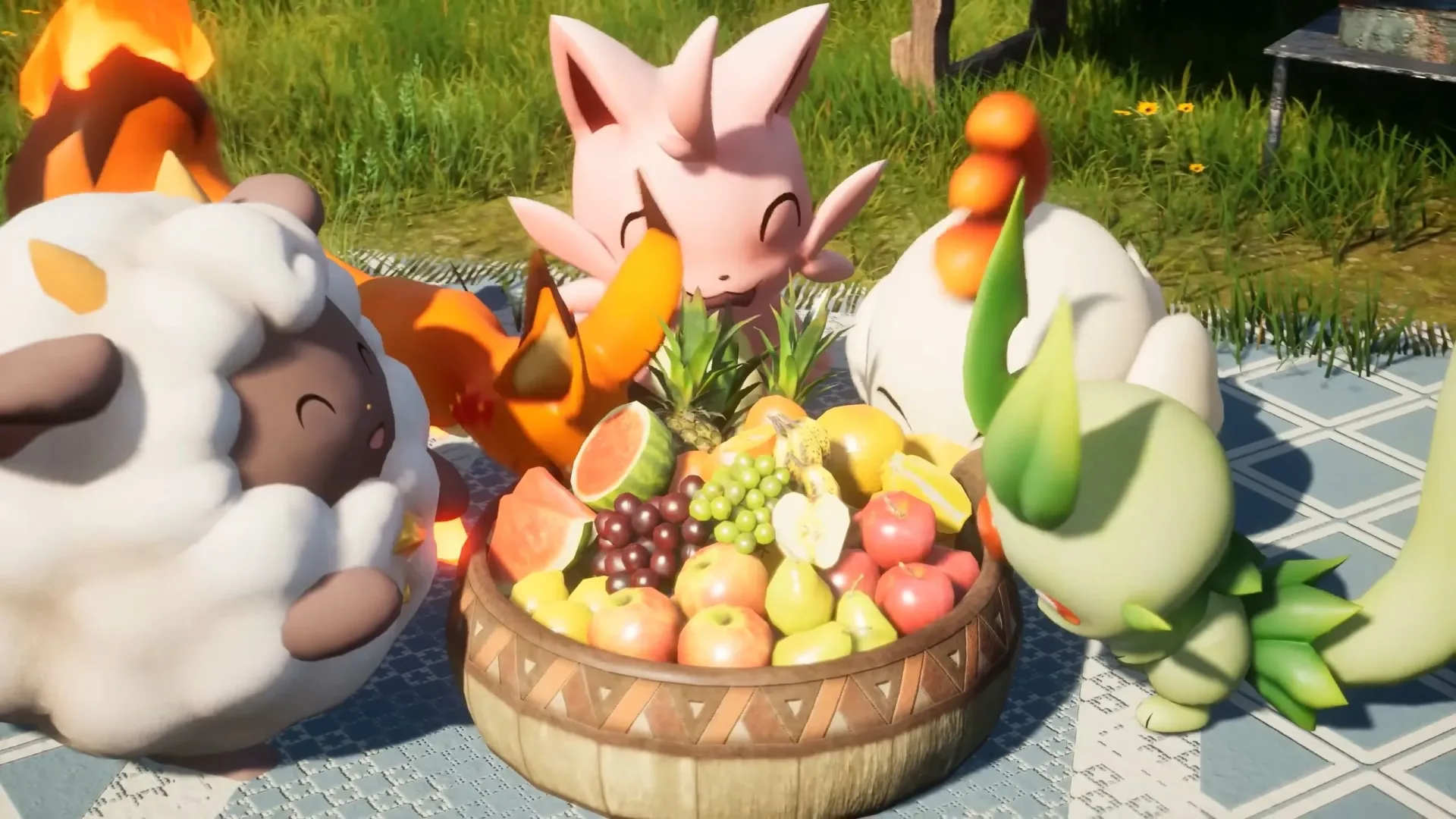
Palworld naturally sits close to Buckley’s assessment. As a Pocketpair game, it is part of the company’s own stake in the genre’s direction and visibility. The game is among the better-known names in this area, making Buckley’s emphasis on distinctiveness especially relevant: games that establish a recognizable hook can stand out more readily in a category once criticized for repetition.
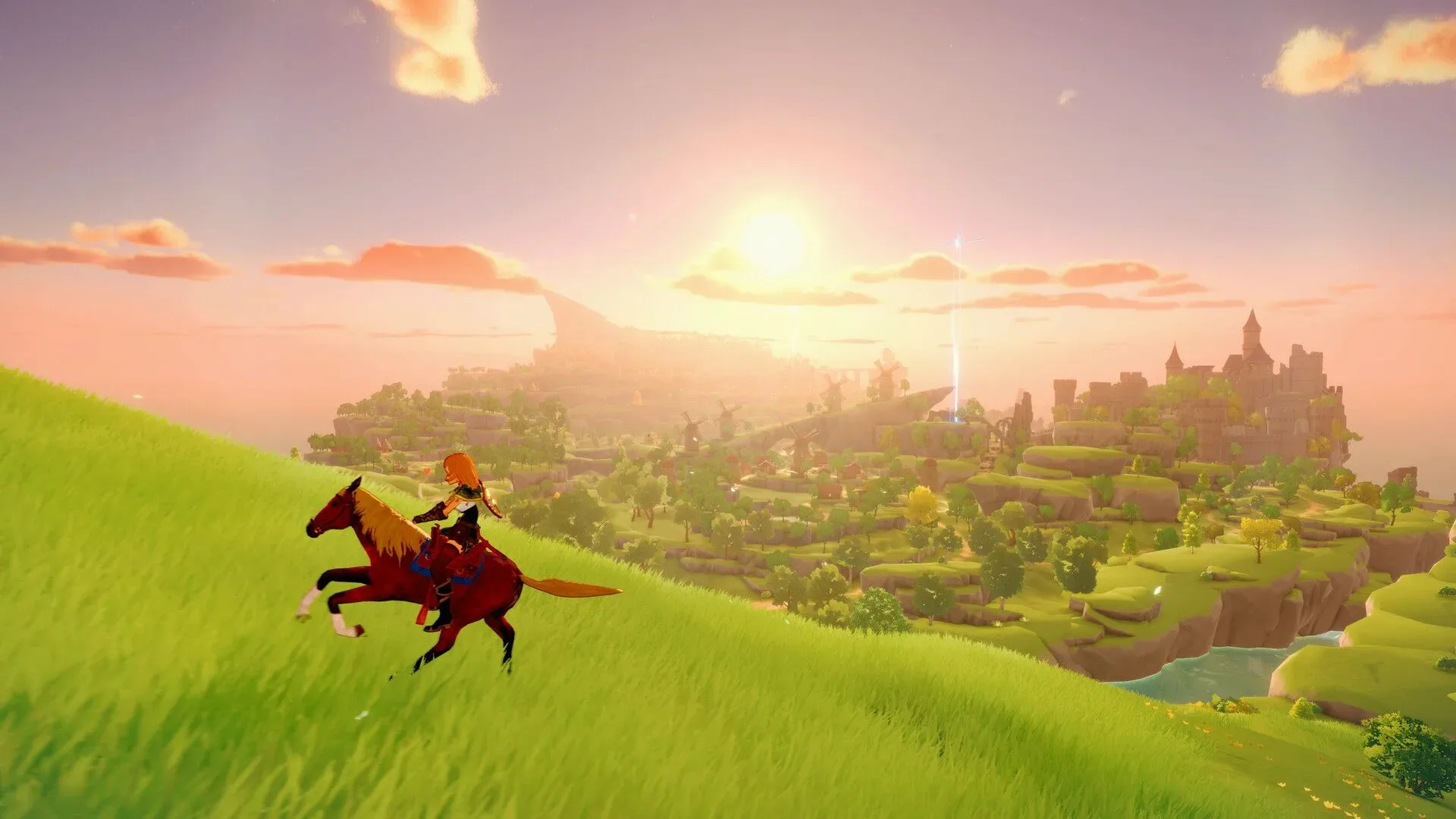
Buckley also later noted that he had omitted Windrose. The pirate-themed survival game launched in the first half of the year to a strong reception and is published by Pocketpair. Its pirate focus offers another example of the argument at hand. Rather than relying on the same broad wilderness template, it gives the familiar survivalist framework a seafaring thematic identity.
There is a necessary caveat in treating a publishing executive’s enthusiasm as a diagnosis of an entire genre: Pocketpair has a direct commercial interest in survival games doing well, and the titles mentioned range across different audiences and platform situations. Still, the observation does not rely on the idea that one game has solved everything. Its force comes from the number of recognizable alternatives now operating side by side.
Terraria is especially illustrative of longevity in that equation. It has had several updates described as final, yet its community continues to expand. That ongoing life reinforces a useful distinction: a game does not need to be new to matter in a genre’s present moment. Continuing communities and sustained updates can keep older foundations relevant while newer games test different settings and combinations of systems.
What players should take from the moment
The most useful takeaway is not that every release carrying the survival label will be a hit. Buckley’s own comparison acknowledges the genre’s history of inconsistent results. Nor is it that the foundational mechanics have become obsolete. Gathering, crafting, and building remain central because they create a satisfying arc from vulnerability to capability.
Instead, the stronger signal is that the genre has room for clearer creative choices. Players deciding where to invest time can look beyond the word “survival” and ask what a game is actually asking them to do: build a home, explore a stylized underground world, progress through action-RPG combat, inhabit a Viking-flavored landscape, or navigate the particular dangers of Arrakis. Those distinctions are more useful than a broad genre tag.
For developers and publishers, the implication is equally direct. A recognizable setting, a particular progression focus, or a different visual approach can be more valuable than simply reproducing a proven crafting loop. The foundation has to work, but it is the identity around that foundation that helps a game stand out in a busy market.
Buckley’s full remarks can be found in coverage of his survival-game roundup. Whether the current momentum lasts will depend on how well future games preserve that variety, but the lineup he identified makes a solid case that the genre is no longer defined by a single survival template.