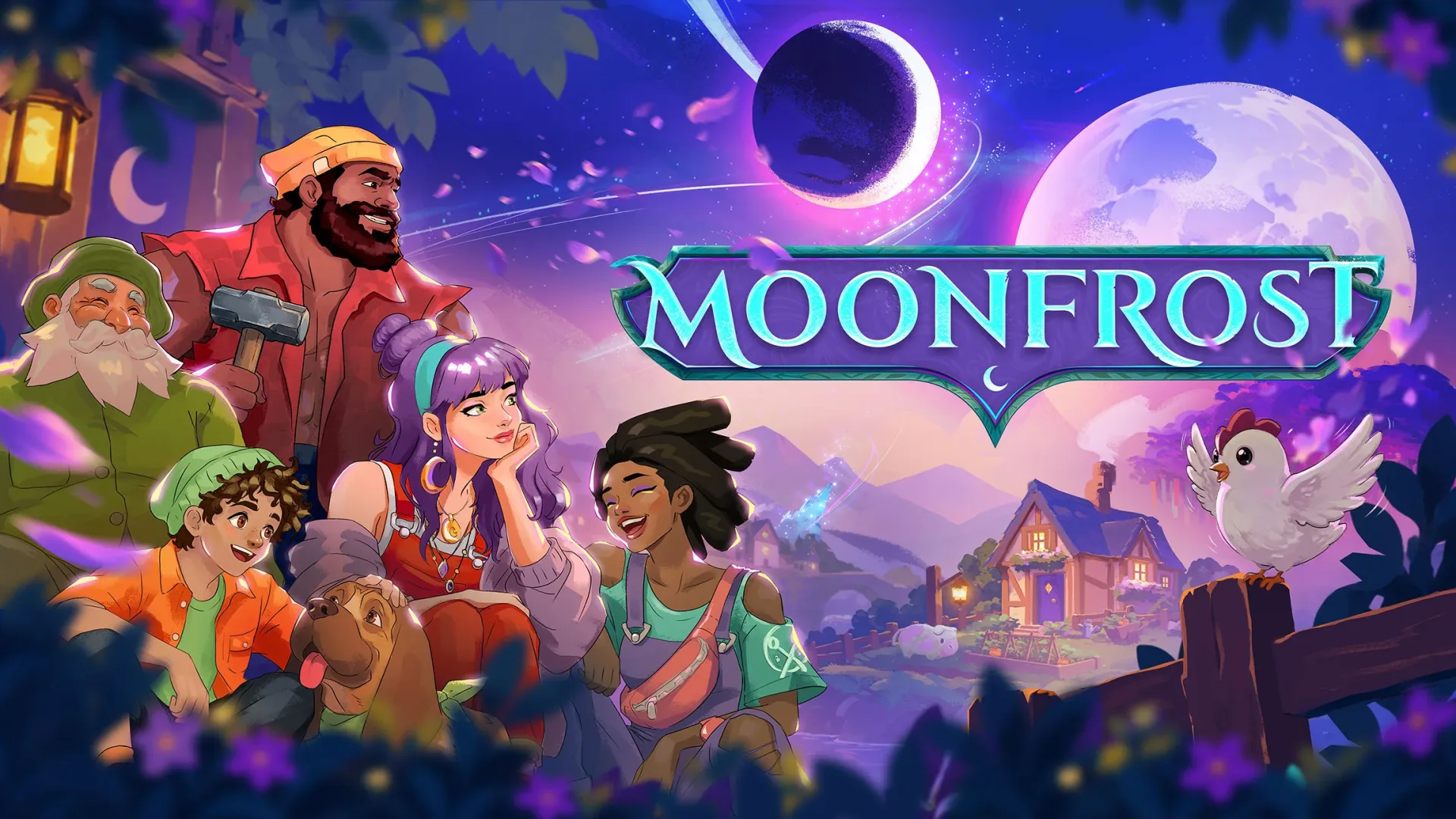
Moonfrost, the narrative-led cozy life-sim builder from Oxalis Games, is scheduled to enter Steam Early Access on October 12 at 6 PM UK time. It will be available for PC through Steam at an Early Access price of $14.99 / £12.99 / €14.99.
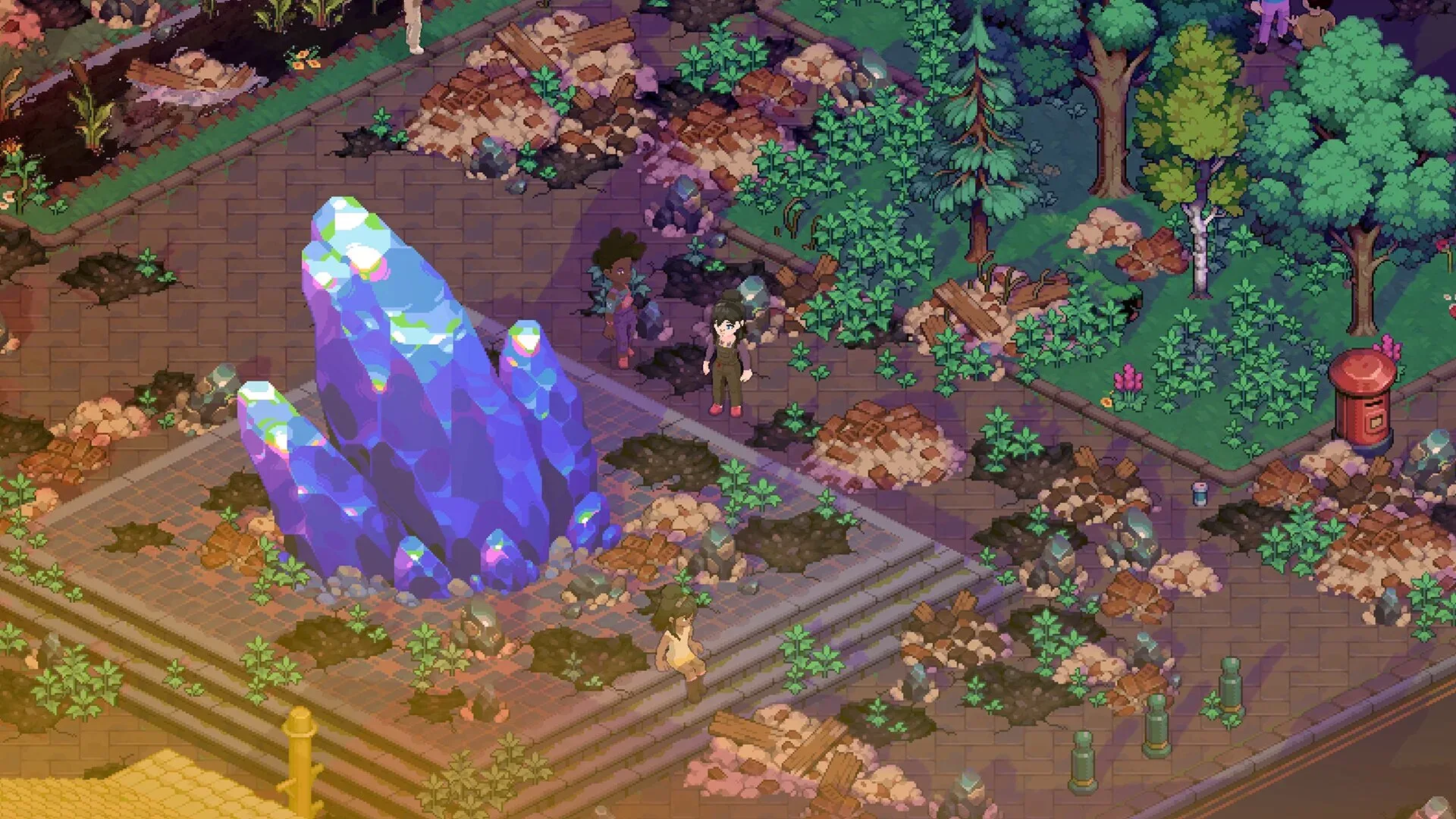
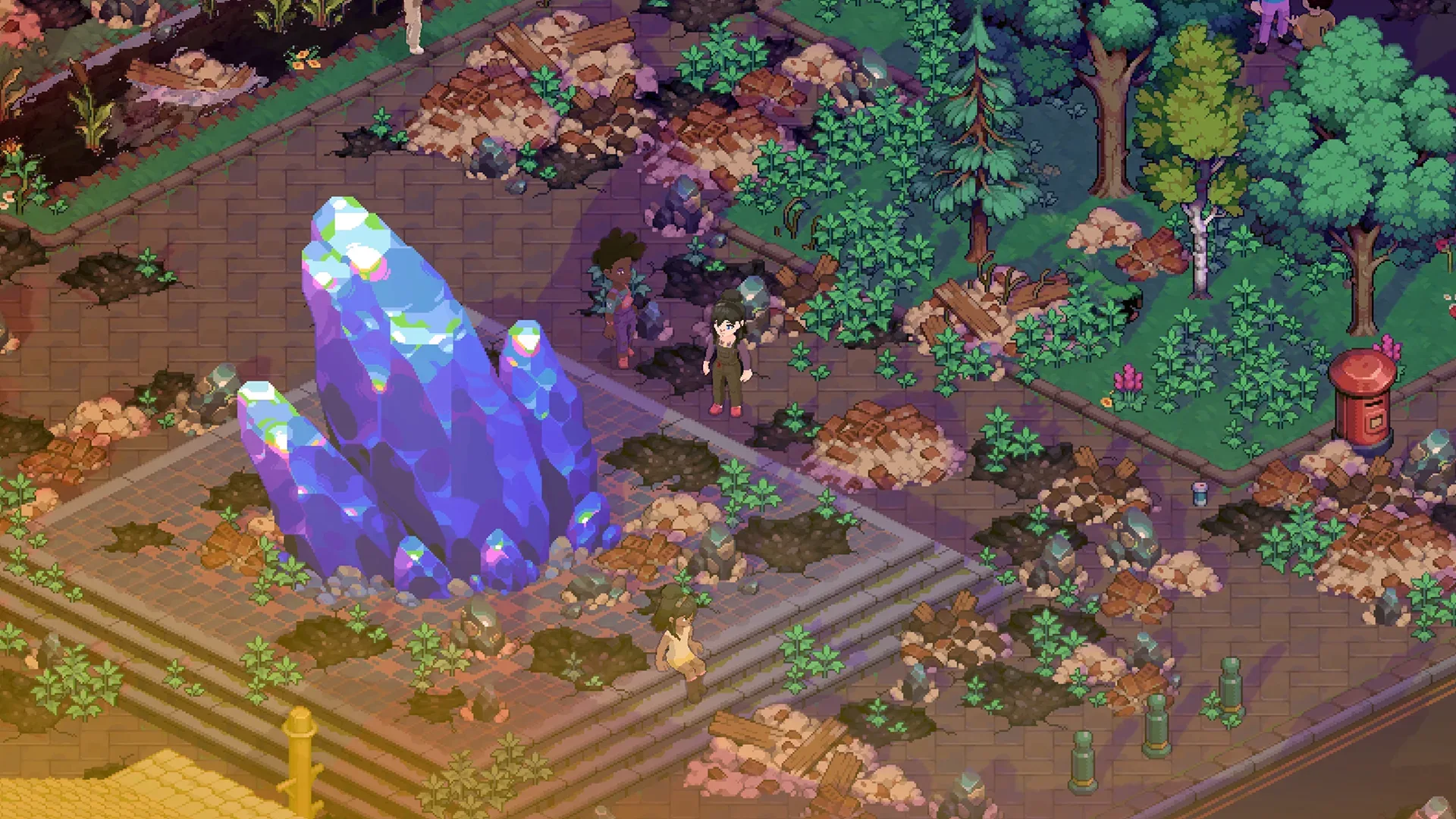
The central pitch is not merely tending a personal plot of land. Moonfrost starts with a village in ruins after meteor storms, then asks players to turn that damaged settlement into a living community beneath the light of a mysterious second moon. Its systems combine familiar everyday activities—harvesting, fishing, foraging, cooking and crafting—with town-scale construction and character-focused storytelling.
That makes the game worth watching for players who like relaxed routines but want those routines to visibly contribute to a larger restoration project. Rather than treating building as a detached creative mode, Moonfrost frames it as the means of rebuilding homes, businesses and communal spaces.
A cozy sim built around rebuilding a whole village
Cozy games often make a farm, home or small personal space the player’s primary responsibility. Moonfrost shifts the scope outward. The settlement has been devastated, and the stated objective is to bring it back to life.
Players take the role of a Frost Hunter, a title connected to the game’s signature resource and building premise. Moonfrost can be harnessed to transform fallen meteors into structures. In practical terms, the game is tying its gathering-and-building loop to the world’s catastrophe: meteor material is not only debris from the setting’s past, but the raw basis for rebuilding its future.
The announced activity list is broad:
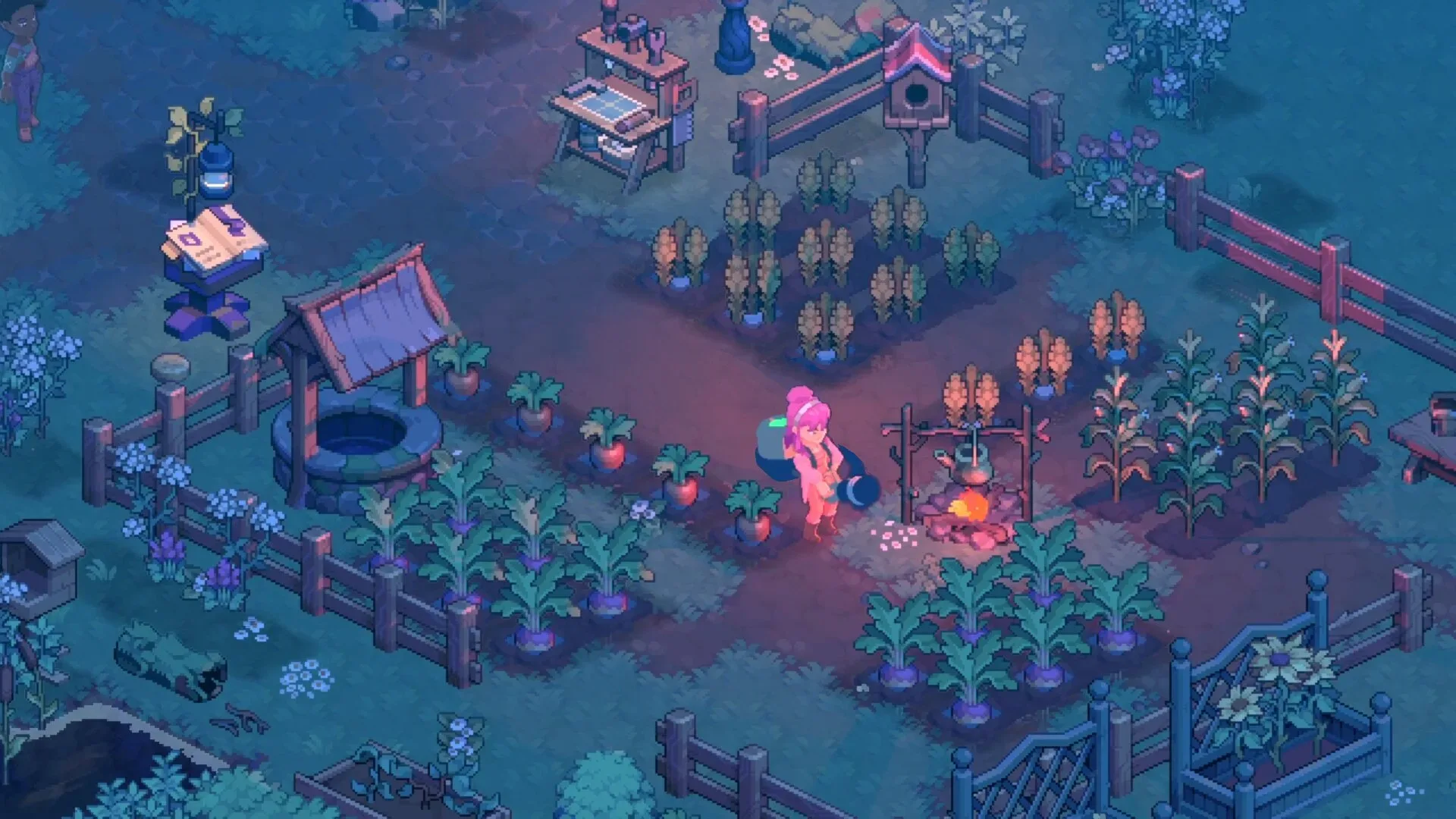
- Harvesting
- Fishing
- Foraging
- Crafting
- Cooking
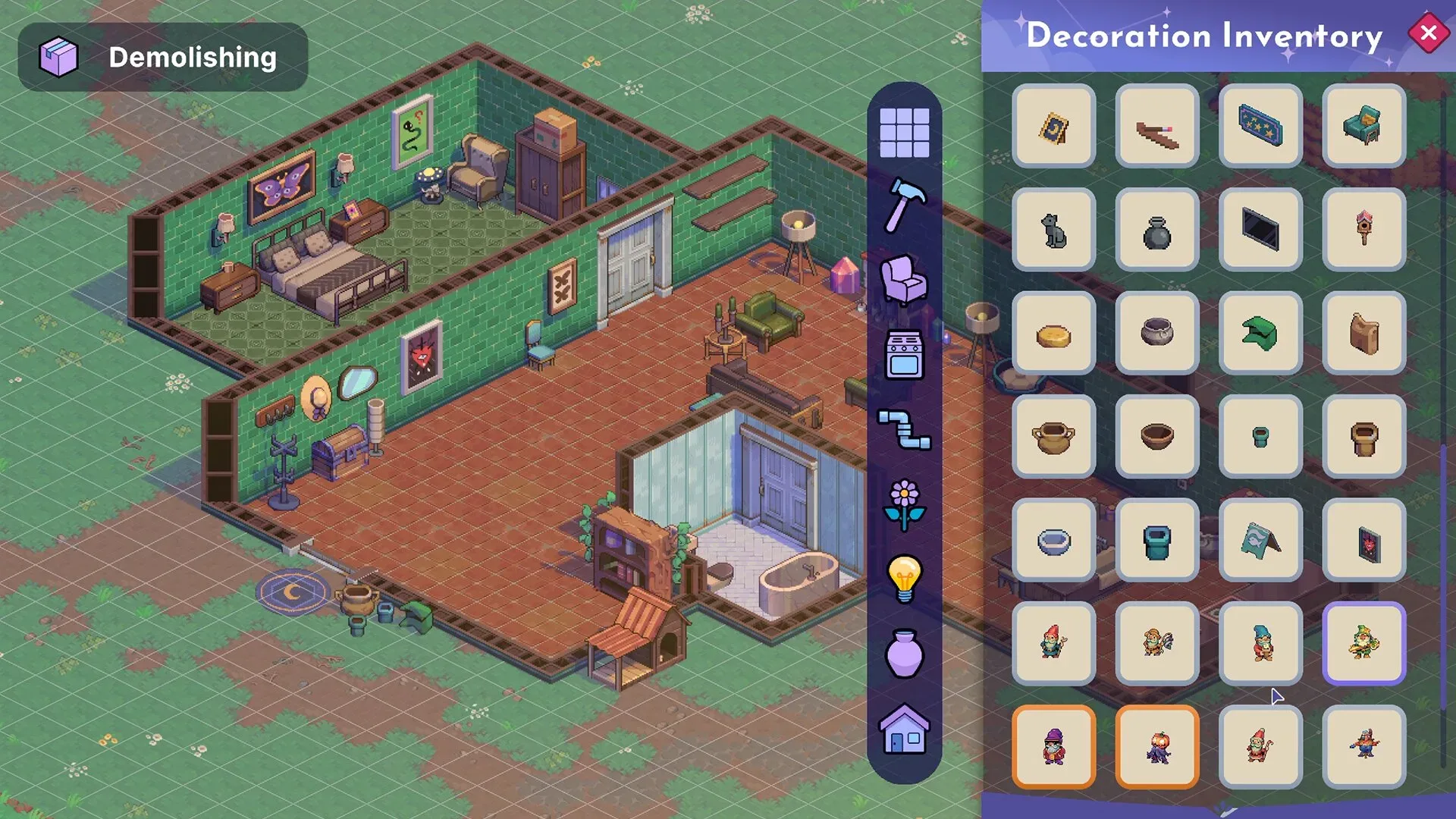
- Constructing and customizing the town
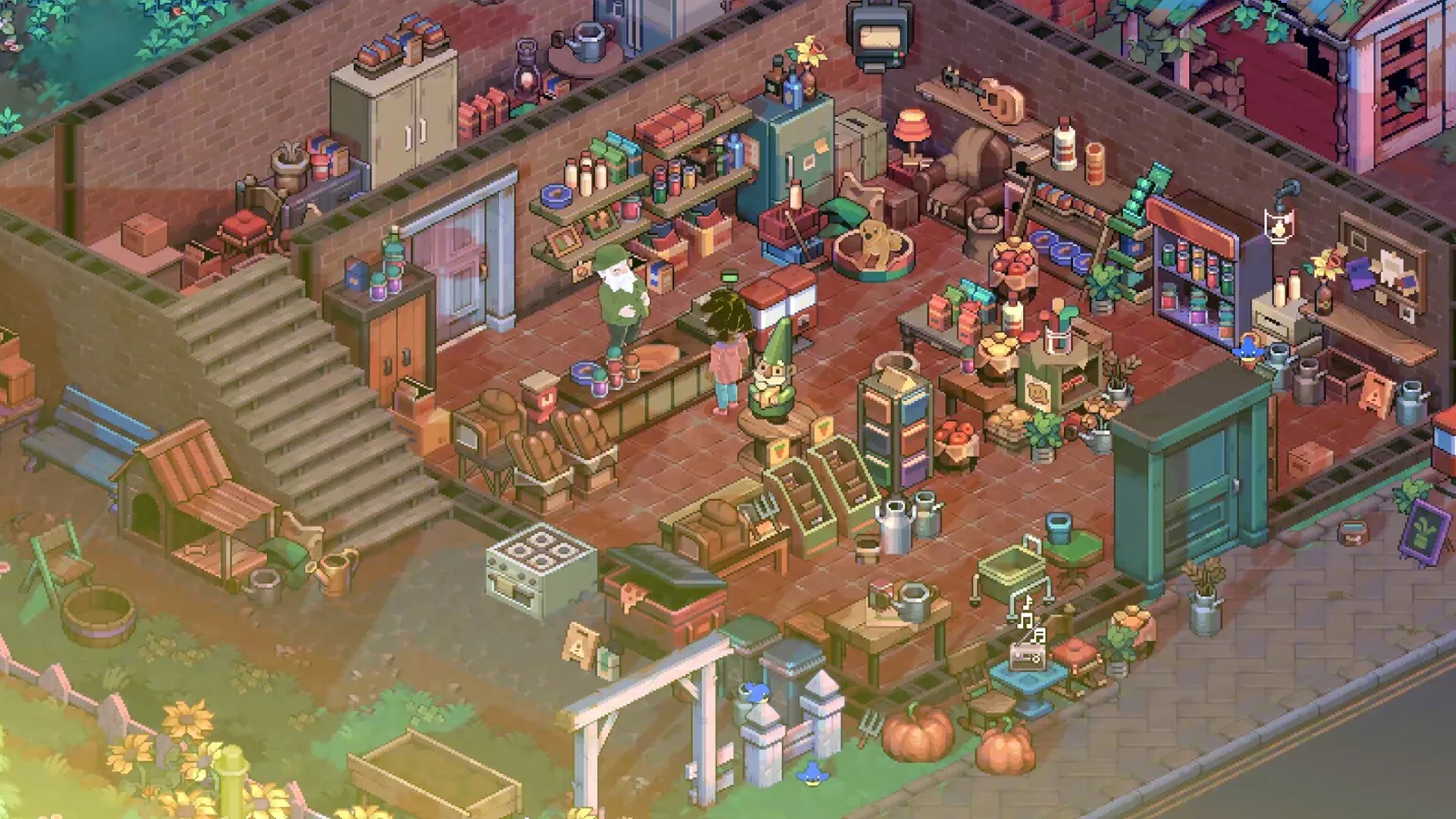
- Trading and fulfilling requests
- Taking quests for new tools
- Exploring hidden temple areas
Each of those systems can be familiar on its own. The potentially distinctive part is their connection to village recovery. Resources gathered in the wider world can support crafting; crafting can enable construction; trade and requests can provide funds for more crafting; and quests unlock tools that presumably expand what players can do. That is the core loop Oxalis Games has outlined, rather than a list of unrelated minigames.
What “block-and-build” influence means here
Moonfrost is described as having deeper construction systems influenced by block-and-build games. That phrase generally refers to building through placeable components, allowing players to arrange a space rather than simply selecting from a small set of pre-made upgrades. For Moonfrost, the confirmed promise is the ability to construct and customize every detail of a town.
Related coverage includes Moonfrost Sets October 12 Steam Early Access Debut for Its Second-Moon Village Revival.
It is important not to read more into that description than has been confirmed. There is no stated list of building pieces, no confirmed multiplayer component and no detailed explanation of placement rules. But the game’s emphasis is clear: construction is intended to be more substantial than a cosmetic backdrop to farming or socializing.
That focus also gives the meteor premise a useful mechanical role. The town’s destruction establishes why rebuilding is necessary, while the transformed meteor material establishes how the player does it. It is a cleaner link between narrative setting and resource economy than simply collecting generic wood, stone or currency for an abstract upgrade menu.
Relationships are part of the recovery story
The restoration effort is not presented as purely architectural. Moonfrost puts significant weight on its characters and narrative, with players able to develop relationships, influence evolving character arcs and pursue romance options.
The phrase evolving character arcs suggests that residents are intended to change over the course of the village’s recovery rather than remain static vendors or quest markers. Player choices are also said to shape the world’s social dynamics. The scope and permanence of those choices have not been detailed, so prospective players should view this as a narrative ambition rather than a promise of any particular branching structure.
Still, the design direction is notable. A community-building game gains meaning when restored buildings are attached to people, needs and relationships. Reopening a business or repairing a home carries more emotional weight when the inhabitants have stories that develop alongside the physical town. Moonfrost appears to be aiming for that overlap between practical work and personal connection.
Quests, exploration and resource management beyond the homestead
Moonfrost’s loop extends beyond gathering materials near the village. Quests lead to new tools, and hidden temple areas provide an exploration element. The game also includes inventory and resource management, trade, and requests to fulfil.
Inventory management means deciding what to carry, store or use while working within the available space and supplies. In a game that includes foraging, fishing, harvesting and expedition-like temple exploration, that can create a planning layer: players must decide which resources matter to the next construction, recipe, request or tool goal.
Trade and requests provide another bridge between daily activity and longer-term progress. The outline says that fulfilling requests helps fund further crafting. In other words, the player is not only gathering for private projects; they have a stated reason to turn goods and work into the resources needed to keep expanding the settlement.
What remains unknown is just as useful to recognize. Oxalis Games has not detailed the precise structure of the temples, the range of quests, the exact limits of the economy or the cadence of updates during Early Access. Those are areas where prospective players will need to wait for the Early Access version and future development information rather than assume a particular scale.
Weather, sleep and the rhythm of daily life
Weather, a day-and-night cycle and sleep are all part of Moonfrost’s world systems. These features are foundational in life sims because they establish a rhythm: time passes, the environment changes, and players need to balance a day’s plans against whatever carries over to the next one.
No specific weather effects or sleep penalties have been announced. Even so, their inclusion indicates that Moonfrost is not structured solely around unlimited building sessions. It also wants the player to inhabit a place with daily routines. Harvesting, fishing, cooking, visits with residents, quests and construction can therefore sit within a recurring cycle instead of existing as a flat checklist.
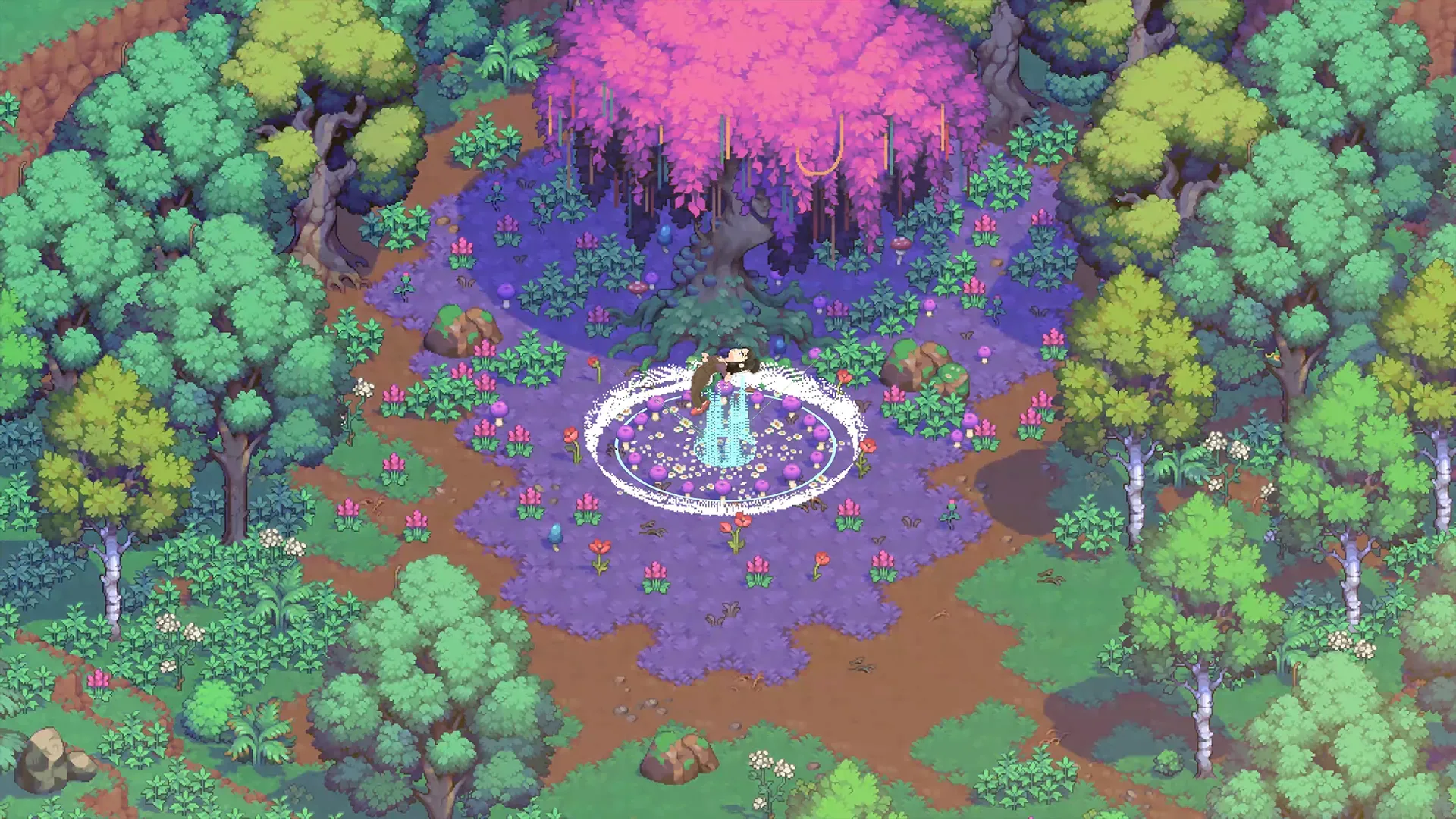
The presentation supports that intended atmosphere. Moonfrost uses pixel art, animation and music designed to complement a cozy experience. The second moon and meteor-scarred setting add a fantasy mystery to the otherwise warm, slice-of-life foundation, giving the village restoration a slightly more unusual visual and narrative frame.
Early Access: what the launch label tells players
Early Access means a game is being sold before its developers consider it finished. It allows players to access the game while development continues, but it also means the launch build should not automatically be treated as a final statement of content, balance or polish.
For Moonfrost, the October 12 release is specifically an Early Access debut on Steam, not a confirmed full-release date. That distinction matters for anyone deciding whether to jump in immediately. The confirmed information establishes the game’s intended pillars—village restoration, construction, cozy activities, exploration and relationships—but it does not establish a complete content roadmap, final feature set or end point for Early Access.
Players who prefer to follow PC releases closely may also find our look at the practical considerations around buying a gaming PC during a component crunch useful when planning a broader PC game setup. Moonfrost itself is confirmed for Steam on PC; no other platform release has been stated here.
What is confirmed for Moonfrost so far
- Developer and publisher: Oxalis Games
- Release: Steam Early Access on October 12 at 6 PM UK time
- Platform: PC via Steam
- Early Access price: $14.99 / £12.99 / €14.99
- Premise: Restore a village damaged by meteor storms beneath a mysterious second moon
- Player role: Frost Hunter who harnesses Moonfrost and turns fallen meteors into structures
- Key activities: harvesting, fishing, foraging, crafting, cooking, town building, quests, trading and exploration
- Social systems: relationships, evolving character arcs, romance options and player choices affecting world dynamics
- World systems: weather, day/night cycle and sleep
Moonfrost’s biggest question is not whether it has enough familiar cozy-sim activities; the announced feature list already covers a wide range. The question is how successfully it binds them together. If meteor-powered construction, resource loops, story choices and village relationships all reinforce one another, the ruined settlement could become more than a charming setting—it could be the reason every small task feels connected.