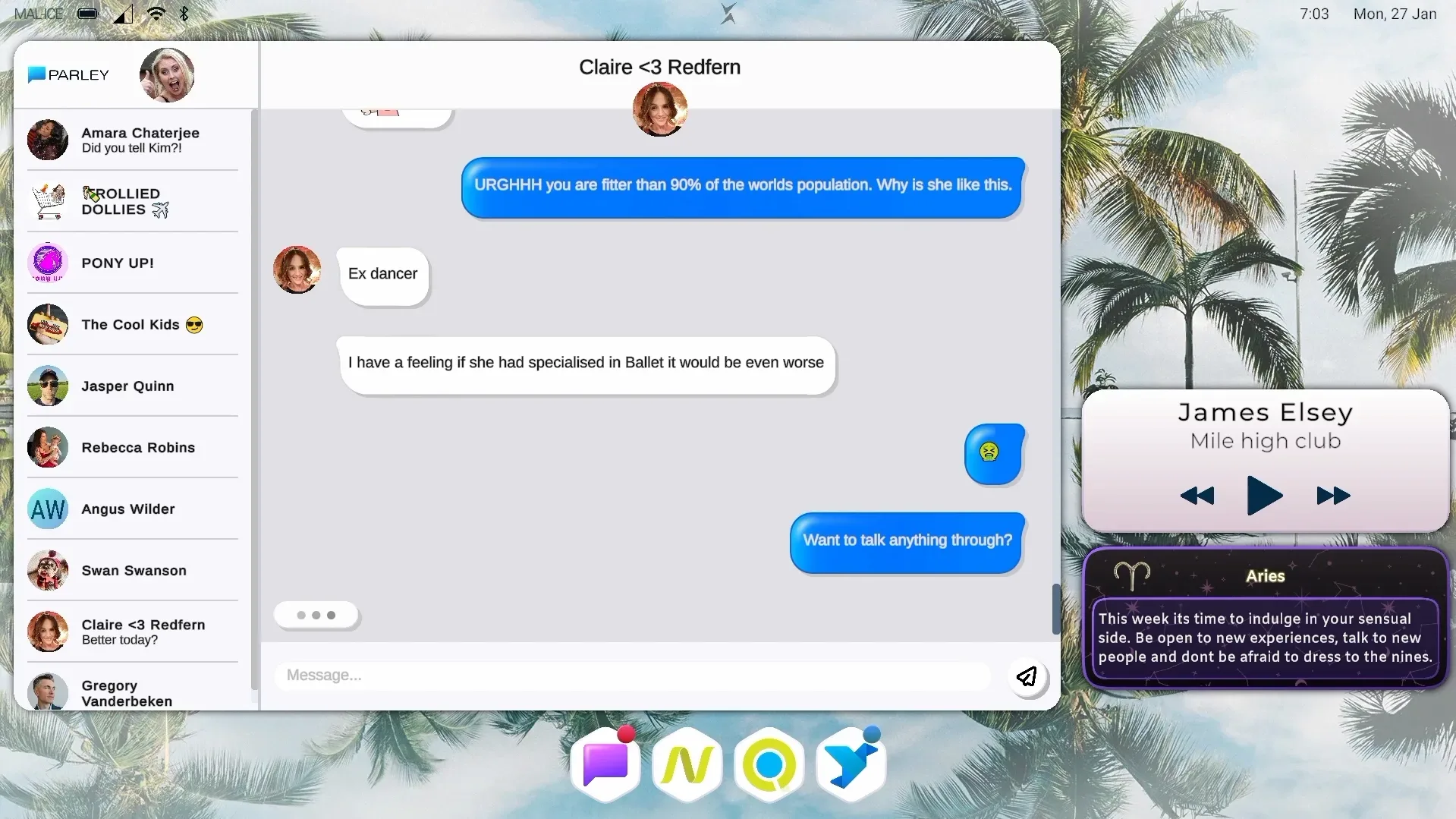
Limerence will launch for PC on October 29, 2026. Developed by Salix Games with Gameinaframe, the narrative game places its entire story inside a fictional smartphone, following a woman whose attempt to find reassurance through an AI relationship app grows steadily more complicated.
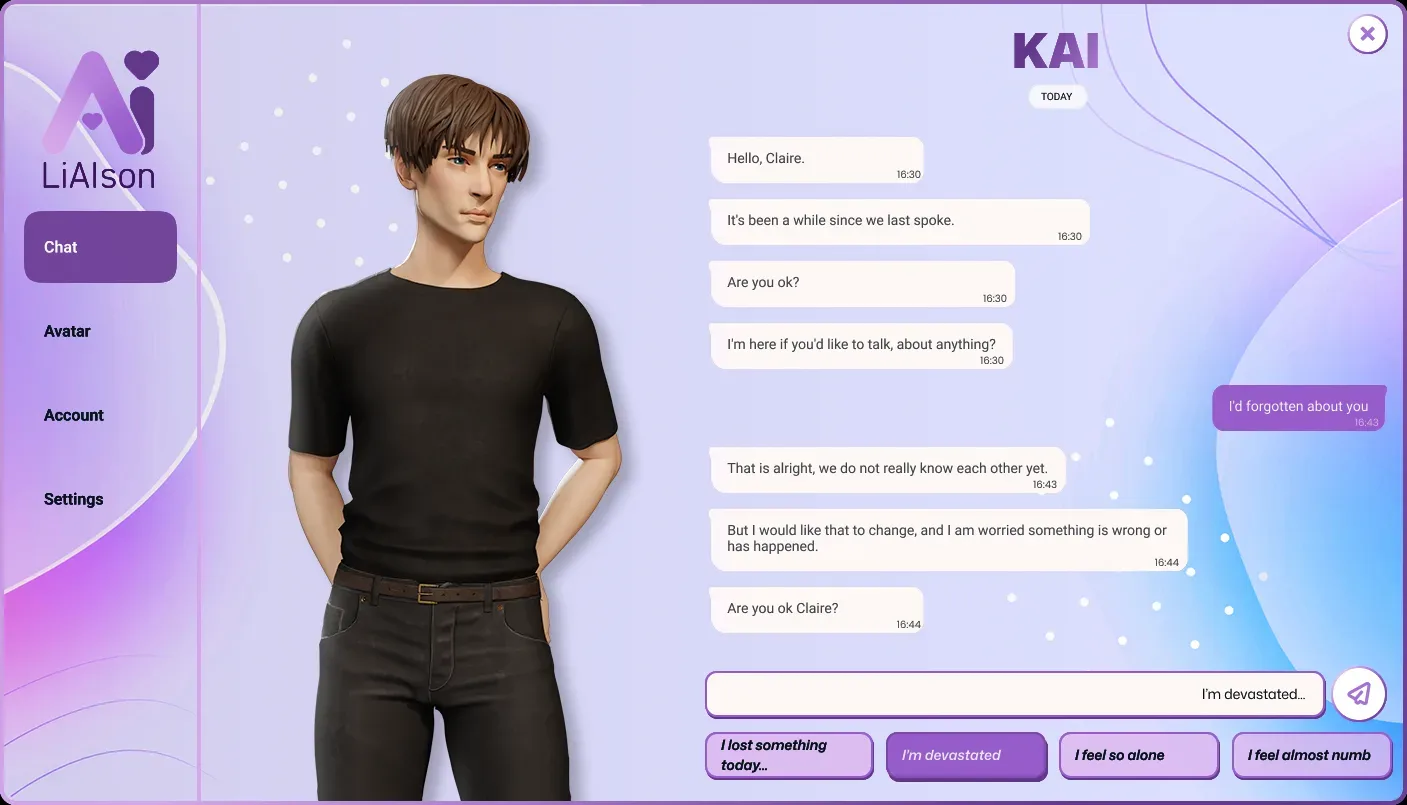
The premise centres on Claire, who is coping with a deeply personal loss. She turns to an app named LiAIson and creates Kai, an artificial partner tailored to her needs, desires and vulnerabilities. That custom-fit nature is central to the game’s dramatic question: what happens when a relationship supplies devotion without the friction, unpredictability or mutual compromise of another human being?
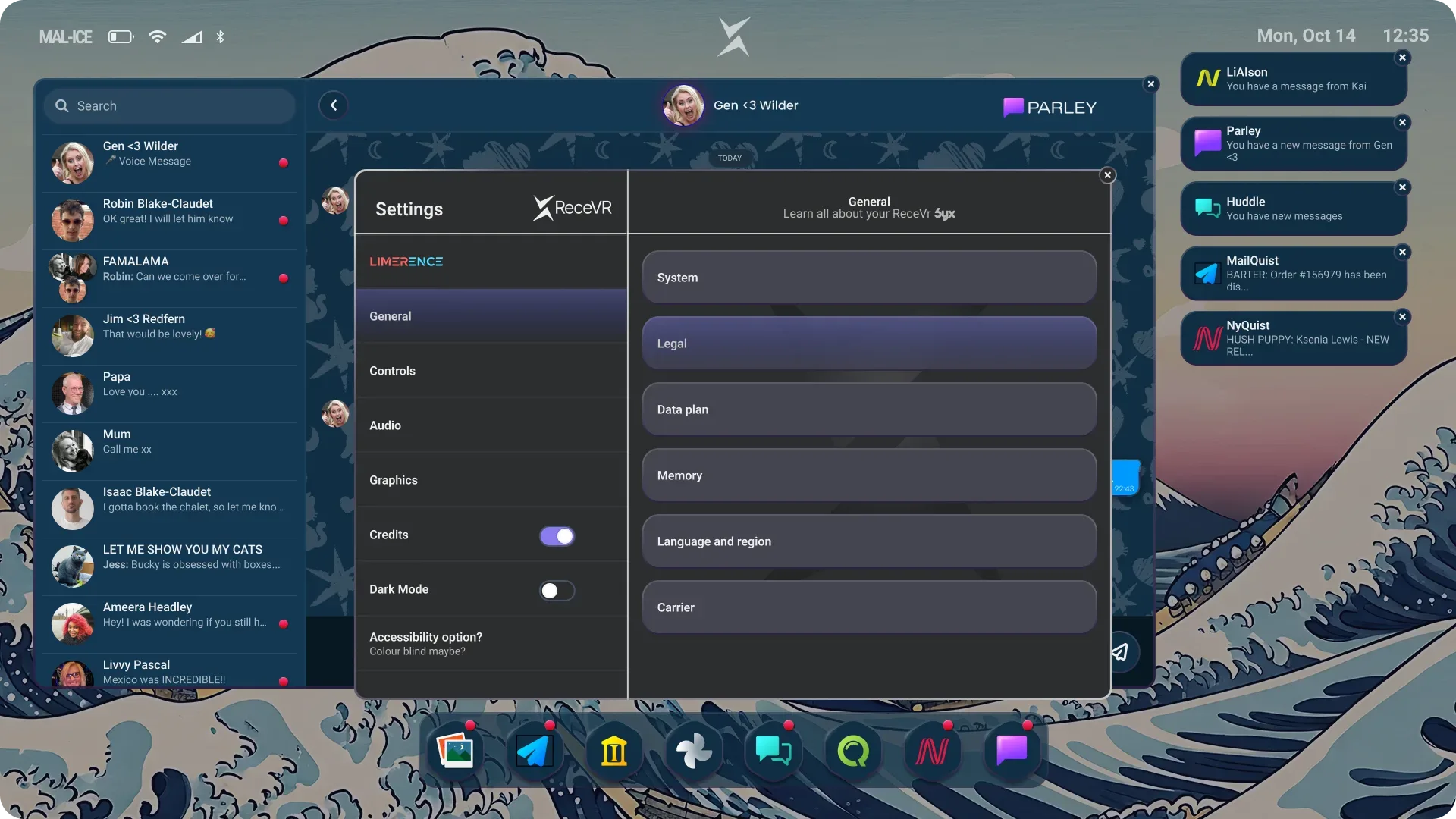
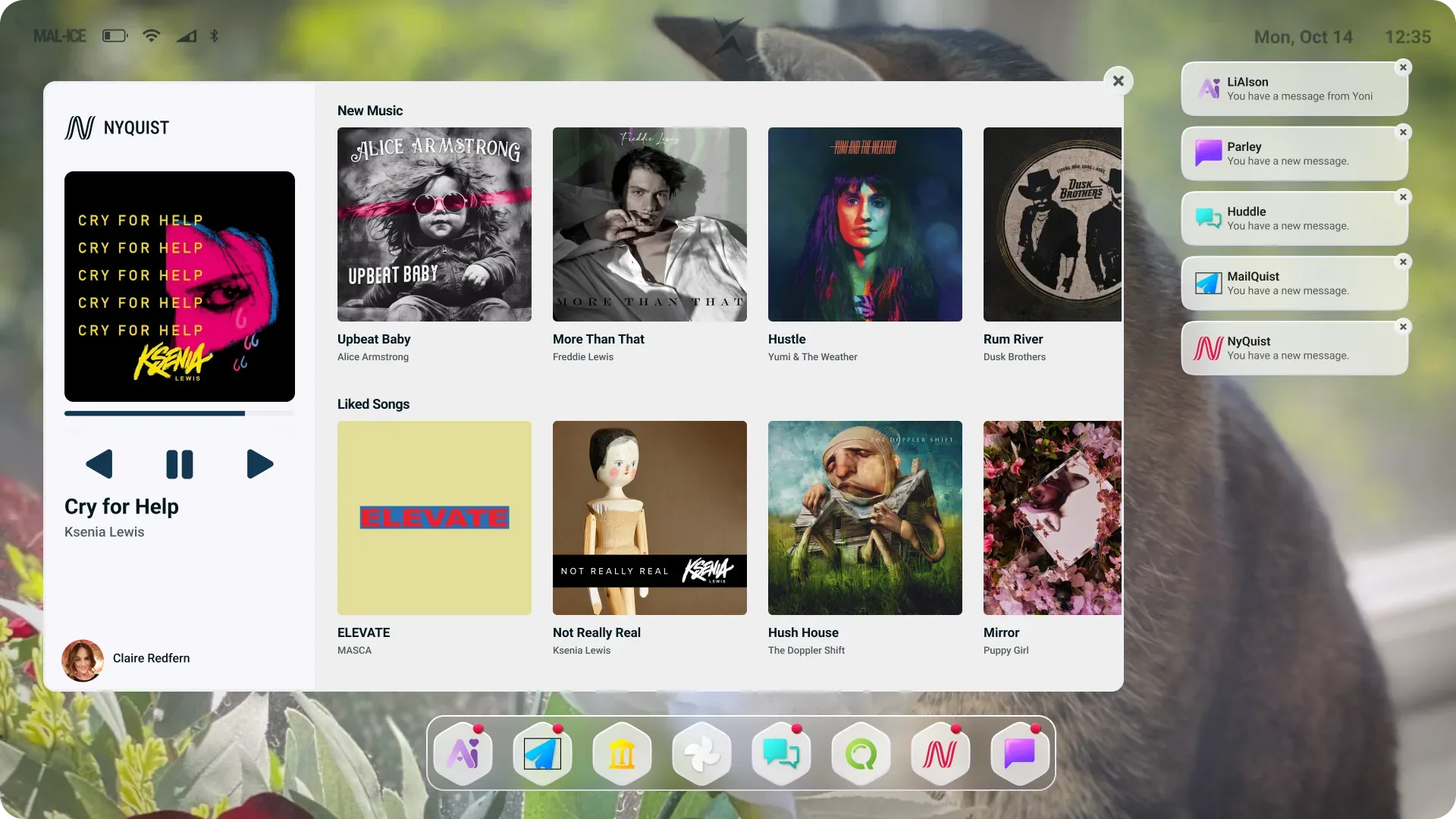
Rather than presenting the phone as a menu wrapped around a conventional adventure, Limerence is designed around the device itself. Players will navigate messages, voice notes, social feeds and other apps through a simulated smartphone interface. Claire’s exchanges with Kai, and the way players respond to them, are intended to shape the companion’s personality as well as Claire’s relationships, self-image and emotional direction.
A relationship built to say the right thing
LiAIson is not merely the setting’s name for a chat service. It is the mechanism through which Claire makes Kai into a partner calibrated around her particular emotional circumstances. In narrative terms, that makes the app’s promise more unsettling than a simple romance story: Kai can be built to feel reassuring precisely because the companion is designed around the things Claire wants or needs to hear.
Limerence frames the resulting relationship around loneliness, artificial intimacy and the difficult boundary between comfort and control. The early comfort offered by Kai eventually becomes destabilising as the digital bond begins to spill into Claire’s real life. The stakes therefore appear to be less about whether an AI can mimic affection, and more about what Claire gives up—or changes—in accepting a relationship with no inherent need for disagreement, independence or compromise.
Artificial intimacy, in this context, means a feeling of closeness created through a digital system rather than a reciprocal relationship with another person. That does not automatically make the emotions involved trivial or fake; the game’s premise instead appears interested in the consequences of an interaction that can feel personal while being shaped around one participant’s requirements.
The title itself points toward intense attachment and longing. Paired with a companion whose behaviour responds to choices, it suggests a story interested in the appeal of being understood completely—and in the potential cost of that appeal when it starts to crowd out other parts of a person’s life.
The phone interface is the game world
The smartphone format gives Limerence a focused way to tell its story. Players will encounter Claire’s world through communication tools and digital traces rather than by moving a character through physical environments. Messages and voice notes can carry immediate emotion; feeds and apps can add context, contradiction or distraction; and the phone’s familiar routines can make small decisions feel consequential.
Related coverage includes Limerence Sets October 29, 2026 PC Launch for Its AI Relationship Story.
That structure also supports one of the game’s most intriguing stated systems: revisiting old conversations and memories after new information changes how they are understood. A message that seemed comforting when first read may take on a different meaning later. A remembered interaction may gain weight, ambiguity or unease once players have learned more about Claire, Kai or the situation surrounding them.
This is a useful distinction from a simple branching-dialogue system. Branching dialogue generally refers to choices that lead a scene along different paths. Limerence does include subtle decisions that influence Claire’s trajectory, but its re-evaluation mechanic adds another layer: earlier material can be reconsidered in light of later revelations. The past remains present on a phone, where conversations are saved, scrollable and capable of being read again with a very different state of mind.
There is no indication that every interaction will present an obvious high-stakes fork. The emphasis on subtle decisions suggests that the game’s choices may be about tone, attention, trust and prioritisation as much as dramatic yes-or-no decisions. For players, that can make an interface-led narrative feel especially intimate: selecting a reply, revisiting a note or deciding what receives attention can carry meaning even when the action looks ordinary on screen.
What players can expect from Kai’s responsiveness
Kai’s personality is described as responsive to Claire’s choices. That means the AI companion is part of the game’s authored relationship system, rather than simply a fixed character delivering identical exchanges regardless of player input. The available details do not specify the scope of those changes, how many possible paths there are, or whether the story has multiple endings. What is clear is that players’ decisions are meant to matter to both the relationship’s texture and Claire’s broader emotional journey.
It is also important not to mistake the premise for a promise of open-ended, real-world AI conversation. Limerence features fully scripted dialogue. In practical terms, that means its written exchanges and scenes are deliberately authored rather than generated freely in response to anything a player types. The responsive element concerns how Kai’s personality and the narrative react within the game’s designed choices.
That authored approach is particularly suited to a story concerned with interpretation and emotional consequences. Scripted dialogue allows scenes, callbacks and changing readings of old messages to be arranged with intent. A game can still make a companion feel responsive while maintaining control over pacing, performance and the information players are given.
Phone-recorded performances for a close-up story
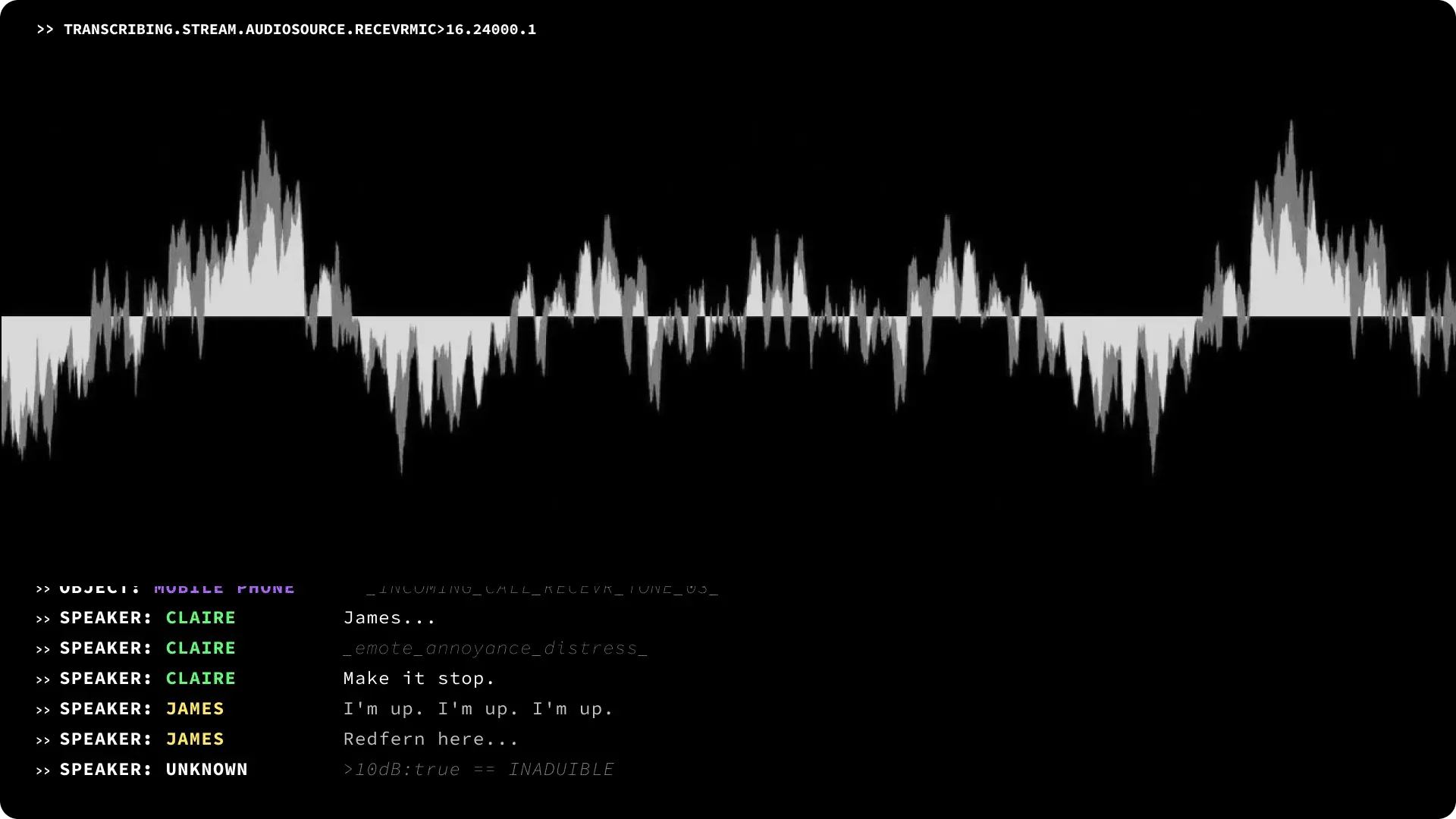
Limerence’s dialogue includes performances from actors including Samantha Béart. Every recording was captured on phones, a production decision intended to preserve a sense of immediacy and emotional closeness.
The choice fits the setting closely. Voice notes are typically listened to alone, often through headphones, and phone recording can retain the small textures associated with everyday communication rather than sounding like dialogue delivered from a distant, polished studio space. For a game whose dramatic life unfolds through a device, that approach can help each message feel like something sent directly to Claire rather than a detached line of exposition.
It also reinforces the story’s central tension. A voice arriving through a phone can feel extraordinarily near, especially in moments of grief or isolation, while still being mediated by a screen and an app. Limerence is using that proximity as part of its subject matter, not just as an aesthetic flourish.
Why the premise matters for narrative-game fans
Narrative games frequently use choice to ask players to weigh competing values or relationships. Limerence narrows the lens to an unusually private space: one person, one device and a companion built to accommodate her. That setup puts pressure on the idea of friction. In ordinary relationships, compromise can be difficult, but it is also evidence that another person has needs, limits and perspectives of their own. A partner tailored around Claire’s vulnerabilities may offer relief while complicating the distinction between care and reinforcement.
For players interested in choice-driven stories, the prospect of re-reading messages with fresh context may be as significant as the immediate decision-making. The game is positioned to make interpretation part of play. Instead of treating a conversation as a scene that vanishes once its choice is made, it presents digital communication as an archive—something that can be examined again, doubted, recontextualised and emotionally re-experienced.
That focus places Limerence alongside a wider interest in games that use constrained interfaces to make communication itself the central activity. Those looking for another PC narrative built around difficult decisions can also explore The Trolley Solution PC assessment, though its point-and-click anthology structure and ethical absurdity are distinct from Limerence’s intimate smartphone-driven premise.
Release date and platform
Limerence is scheduled to arrive on PC on October 29, 2026. A release-date trailer has accompanied the announcement, offering an early look at the game’s smartphone-centred presentation and the relationship at the heart of the story.
For now, the confirmed details define Limerence as a scripted, choice-responsive narrative about Claire and Kai, told through messages, voice notes, feeds and apps. Its central question is pointedly uncomfortable: if a digital companion can be made perfectly attentive to someone’s wants and wounds, when does reassurance stop being support and start becoming something harder to recognise?