Steam Next Fest is set to run from October 19 through October 26, 2026, and five indie demos are preparing to use that window for very different kinds of experiments. The group includes a co-op extraction horror-comedy set in a freezing mine, a survival homestead adventure across an island chain, a management game about disguising a cult behind a monster theme park, a light-and-shadow stealth RPG, and a retrowave skating prison break.
All five demos will be free to play on Steam during the festival. Coal Duty is the outlier on timing: its demo is scheduled to arrive on Steam earlier, on October 8. The remaining four are planned to become playable during Next Fest itself.
For players, that makes this less a single genre showcase than a useful cross-section of what demos can communicate: a multiplayer loop, a near-launch progression path, a management-game complication, a combat system built around an environmental rule, or the basic feel of a movement-heavy action game. Here is what each demo says it will offer and why its central idea matters.
Coal Duty turns the volume knob into a survival tool
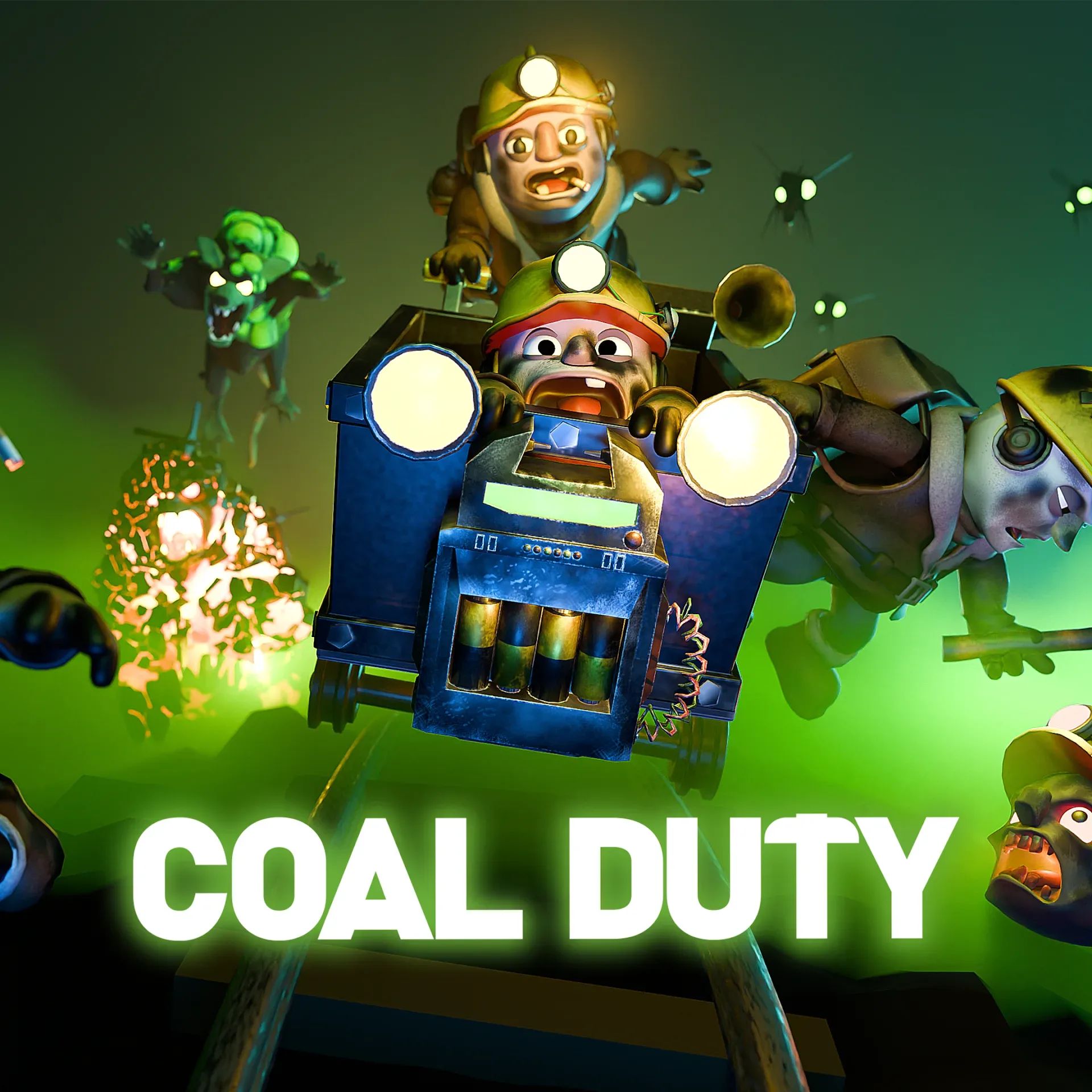
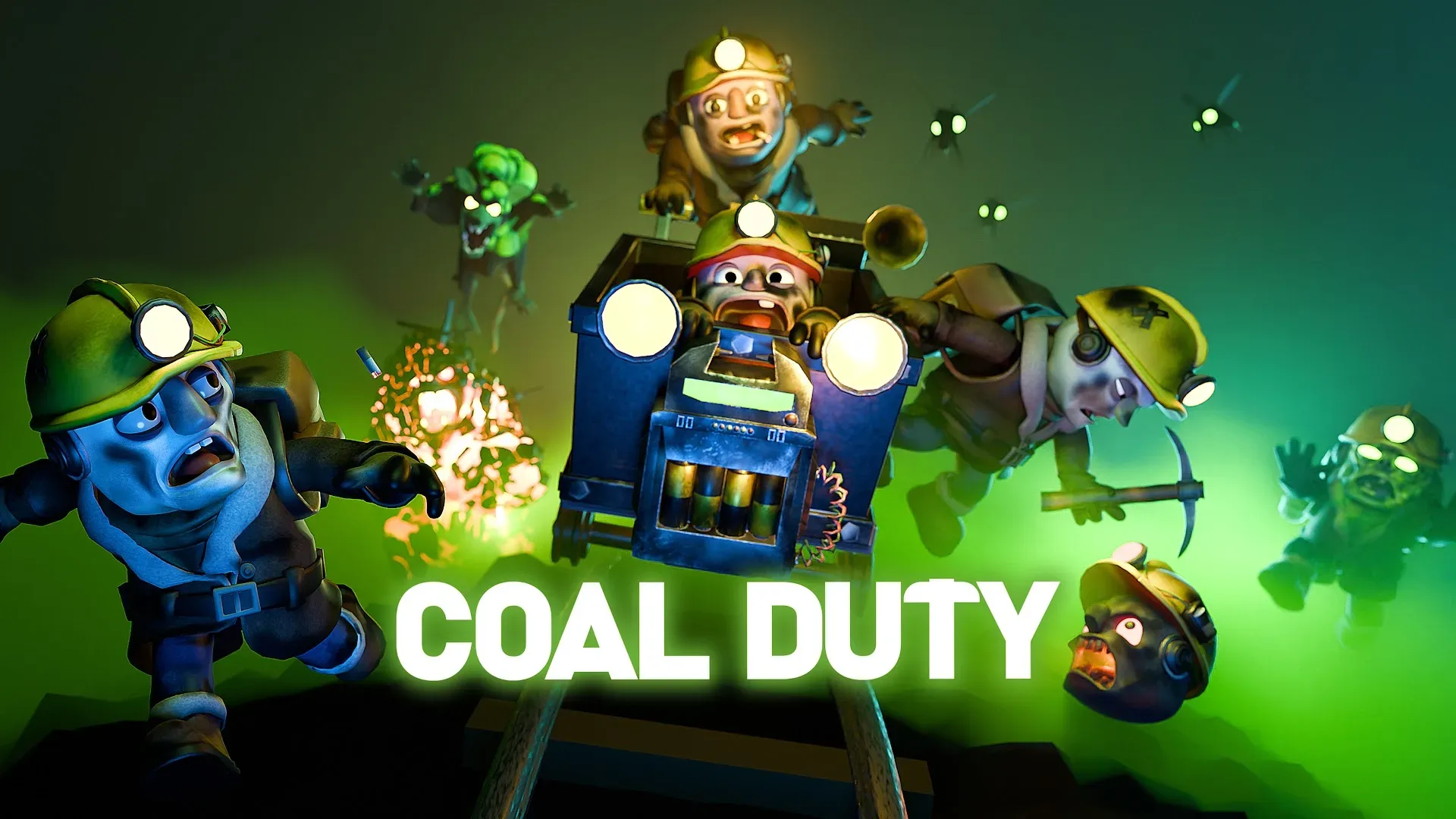
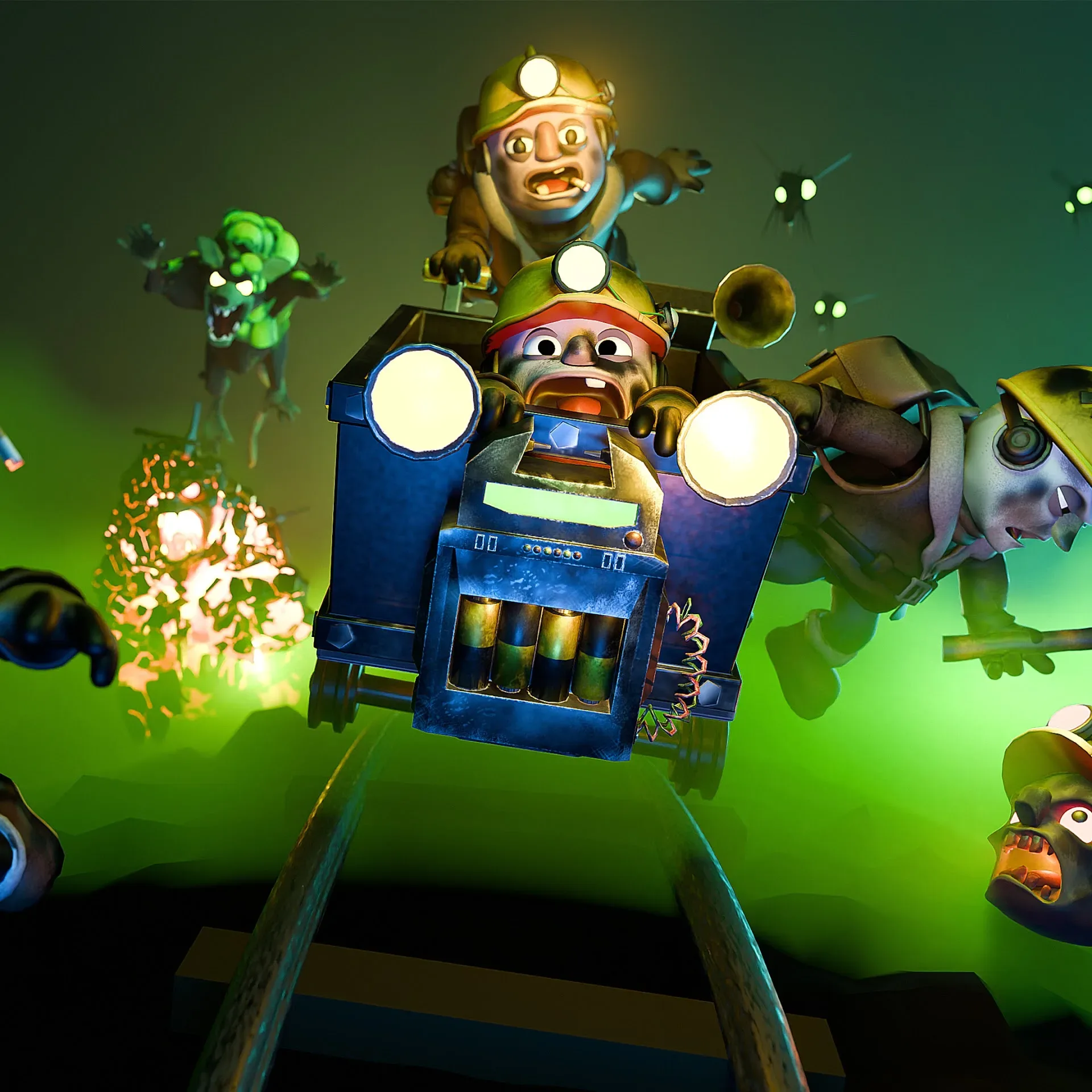
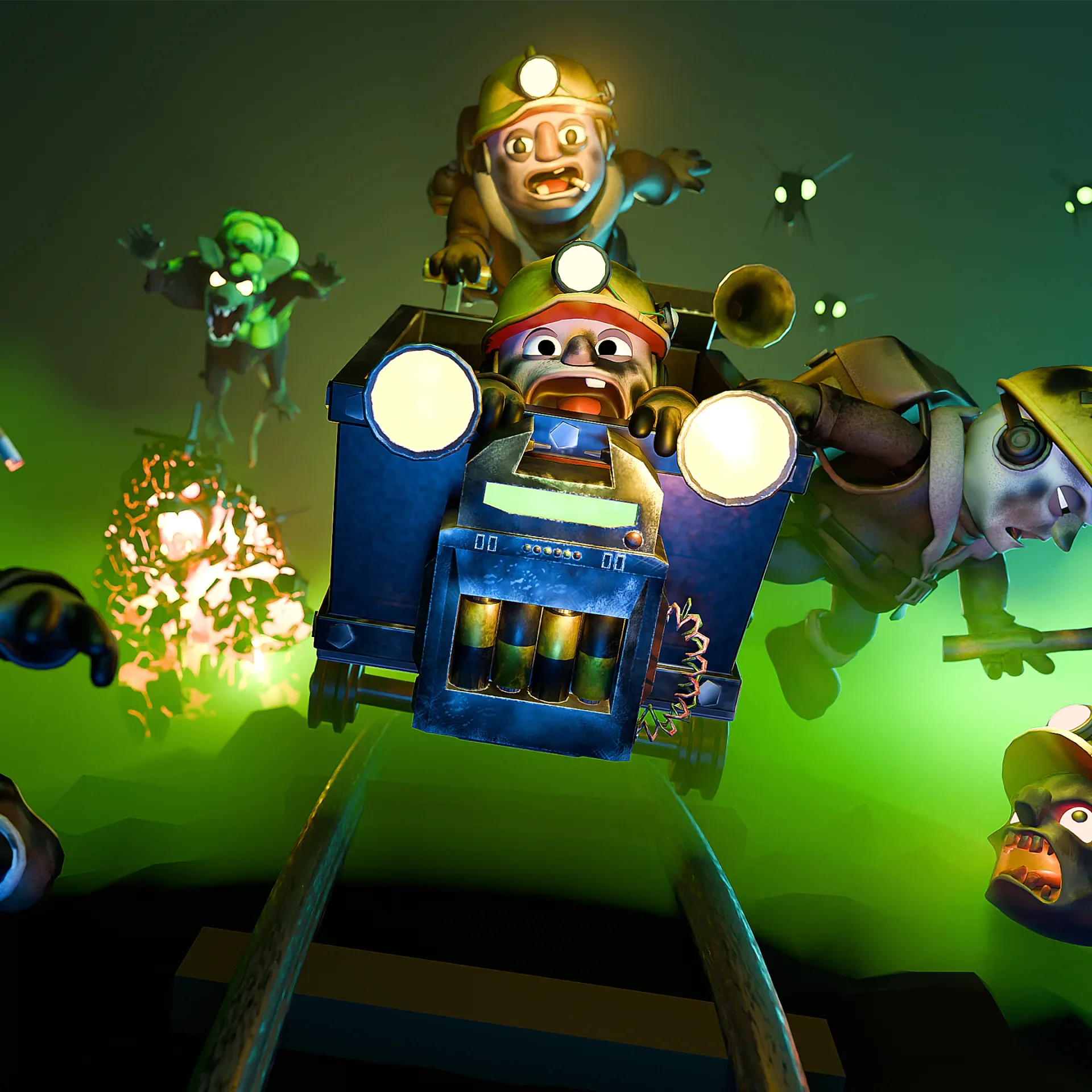
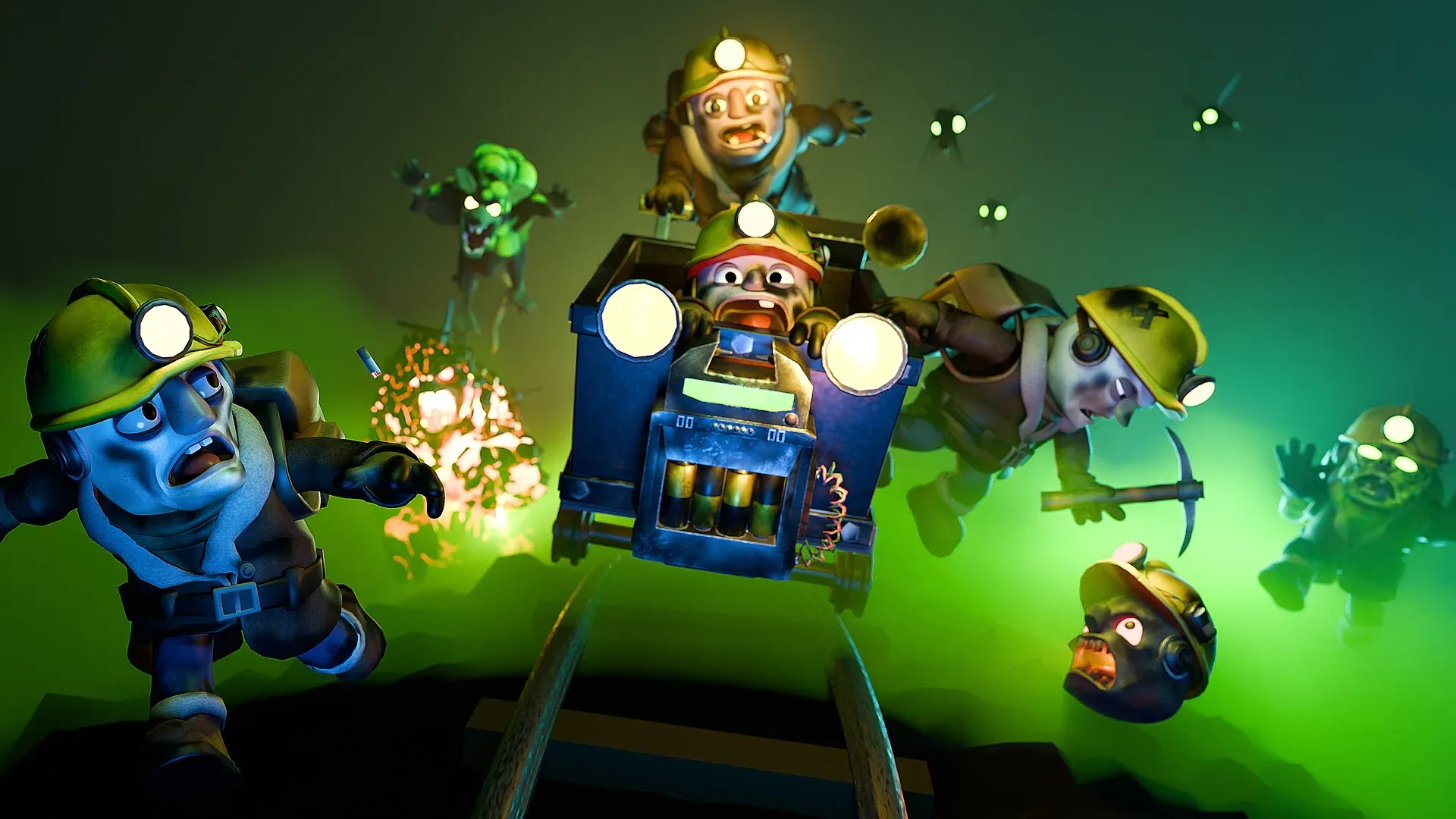
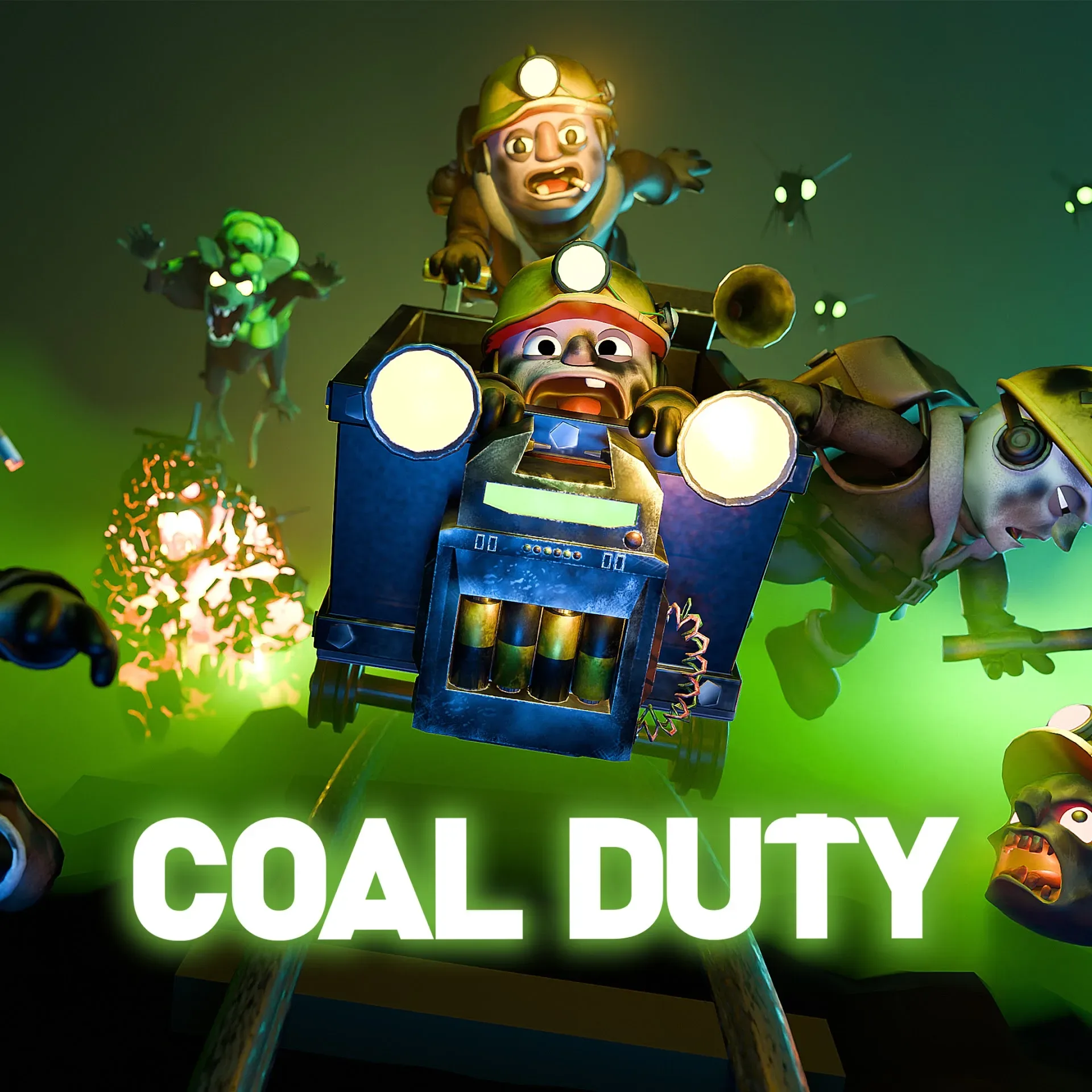
Coal Duty, from Corecrew Games, is a one-to-five-player cooperative extraction horror-comedy. Its crews work procedurally generated shifts in the last functioning mines of a frozen world. Their mandate is straightforward enough—meet coal quotas—but the mines are occupied by monsters that are sensitive to sound.
The crucial system is proximity voice chat. In practical terms, players’ spoken callouts and panic travel only as far as the surrounding creatures can hear them. That puts regular coordination in direct tension with stealth. A player who sees danger may want to warn the group immediately, but an audible warning could itself create a larger problem. The setup naturally encourages brief, local communication instead of treating voice chat as a consequence-free team-wide radio.
Extraction generally describes a game structure where players enter a dangerous space to gather resources or fulfill objectives, then must get out with their gains. Coal Duty applies that basic pressure to mine shifts and quotas, with procedural generation meaning the layout or conditions are created anew rather than remaining fixed for every run. The comedy in the premise comes from a workplace task becoming an exercise in hushed coordination and, presumably, avoiding a catastrophic scream at exactly the wrong moment.
The October 8 demo will open the Medium mine floor. It includes six trips across two quota levels, a first look at the creature roster, and the hub used between shifts. That is a meaningful slice for a co-op demo because it presents not only one hazardous descent, but repeated runs and the interval where crews regroup. It should give prospective players a clearer read on whether the quota-and-escape loop has legs beyond a first encounter with its sound-driven threats.
Mayday: The Survival Island offers progress that carries forward
Mayday: The Survival Island from Pequi Studios frames its survival play around rebuilding after a mysterious crash. Players establish a homestead while hunting, fishing, farming and crafting across a hand-painted archipelago containing 24 islands.
A survival game often asks players to convert time, exploration and raw materials into safer or more capable living conditions. In Mayday’s case, the cited activities point to a broad homestead loop: hunt and fish for supplies, farm to build a more dependable food source, and craft the tools or structures needed to expand. The archipelago format also suggests exploration is part of the structure rather than a backdrop to a single base location, although the exact division of activities among the islands has not been detailed.
The significant practical detail is that this Next Fest build is described as the closest the demo has been to the full game, and that progress from it will carry into launch. That can change how players approach a demo. Instead of treating it strictly as a disposable preview, someone interested in the full release can begin gathering resources and developing a homestead knowing that work is intended to remain useful later.
The full game is slated to launch on November 2, 2026. The timing gives the demo an especially direct role: it is both an opportunity to assess the game shortly before release and, for players who enjoy it, an early start that is meant to persist. Anyone planning to jump in should still recognize the distinction between a stated plan and a completed launch feature; the available information says progress will carry over, but does not spell out every condition or boundary of that transfer.
Monster Park Tycoon makes guest management a cover-up
Monster Park Tycoon starts with familiar theme-park-management tasks—placing paths, rides and enclosures—but its park is secretly a front for a doomsday cult. Its attractions include zombies, vampires and werewolves, while disguised traps are used to catch unsuspecting guests.
That premise gives the management layer a different kind of failure state. In an ordinary park sim, the big concerns might be layout and how visitors respond to facilities. Here, the operators must also protect the secret that makes the park work. The Next Fest update adds Troublemakers, visitors who collect Suspicious Evidence. Players have to identify them and throw them out before their findings spread.
That means the demo’s key wrinkle is not simply building a functional park but watching the crowd for a particular threat. In management-game terms, this is an added monitoring task: the player needs to react to individual guests whose behavior can undermine the larger operation. It also gives the theme its mechanical consequence. The cult is not merely a joke attached to the setting; its secrecy creates a direct responsibility during play.
The available details do not define exactly how Troublemakers are identified, how rapidly evidence accumulates, or what happens when a story breaks. But the broad implication is clear: park success will involve more than arranging attractions for fictional monsters. It includes running a convincing public-facing business while preventing its strangest operations from becoming public knowledge.
Nemorsys treats light as both route map and power economy
Nemorsys is a top-down stealth-action RPG built around ambient light. It is described as punishing, and its main rule is unusually comprehensive: illumination affects player abilities, enemy sightlines and the routes that are safe to take.
Ambient light is the general lighting present in an area, rather than a single targeted visual effect. In Nemorsys, it is not only visual atmosphere. A bright room can make the obvious route dangerous, while changing the lighting can make other paths viable. Enemy sightlines are the lines or cones along which opponents can detect the player; tying those to the environment makes torch placement and darkness part of navigation.
Players can extinguish torches to fuel 20 Shadow abilities. Those abilities become deadlier as the light level falls. The system makes darkness a resource as well as concealment: snuffing out illumination is not just a way to reduce enemy visibility, but also a way to improve the player’s offensive or tactical options.
There is an important cost. Relying on shadow magic can cause corruption, which may cut off access to Light Spells. That creates a deliberately uncomfortable trade-off between immediate effectiveness and keeping a different category of magic available. In other words, darkness may improve Shadow abilities but could reduce flexibility later if corruption closes the door to light-based tools.
For a demo, the appeal is likely to rest on whether this push and pull feels legible in motion. A system with strong risk and reward needs players to understand why a room is dangerous, what a torch changes, and what they are surrendering by leaning harder into shadow magic. The premise suggests rooms are designed to challenge the instinct to follow the brightest or most obvious route.
CoreRunner brings skating, swords and traps to neon cyberspace
CoreRunner moves into a retrowave digital prison break. Players skate through spherical prisons in neon cyberspace while shooting, slashing with katanas and laying light-trail traps at speed. A synthwave soundtrack supplies the stated musical frame for the action.
The game’s listed tools suggest several complementary combat ranges. Ranged attacks create options at distance, katanas serve close-quarters encounters, and light trails can function as traps while the player is moving. Pairing those with skating makes momentum central to the premise: traversal and combat are presented as part of the same high-speed flow rather than separate phases.
The demo also lists Steam leaderboards and full controller support. Leaderboards matter most when a game gives players a reason to optimize execution, routes or scores, though the exact metrics for CoreRunner’s rankings have not been specified. Full controller support is a more concrete access consideration for an action game built around skating and rapid movement, offering a gamepad option alongside other Steam inputs.
Players looking for more PC demo coverage can also see Glory on Pluto’s Steam demo and planned November launch.
A compact Next Fest checklist
The five demos have a shared platform and festival window, but they ask for different kinds of player attention:
- Coal Duty is for groups interested in co-op extraction play where spoken communication can attract danger. Its demo begins October 8 and includes the Medium mine floor, six trips, two quotas, creatures and a between-shifts hub.
- Mayday: The Survival Island is for players who want survival and homestead building across a 24-island archipelago, with demo progress intended to carry into the November 2 full-game launch.
- Monster Park Tycoon is for management-sim players who want a secretive park operation, especially the new task of finding Troublemakers before their Suspicious Evidence causes exposure.
- Nemorsys is for players who enjoy demanding stealth-action systems where changing the environment affects both enemy awareness and character power, at the risk of corruption.
- CoreRunner is for players after fast, stylized action that combines skating, ranged attacks, katanas and moving traps, with controller support and Steam leaderboards included.
Steam Next Fest runs October 19–26, 2026, and all five of these demos will be free during that period. Coal Duty offers the earliest opportunity to sample its mine-shift loop when its demo arrives on October 8; for the other games, the festival is the stated point at which their demos will be playable.