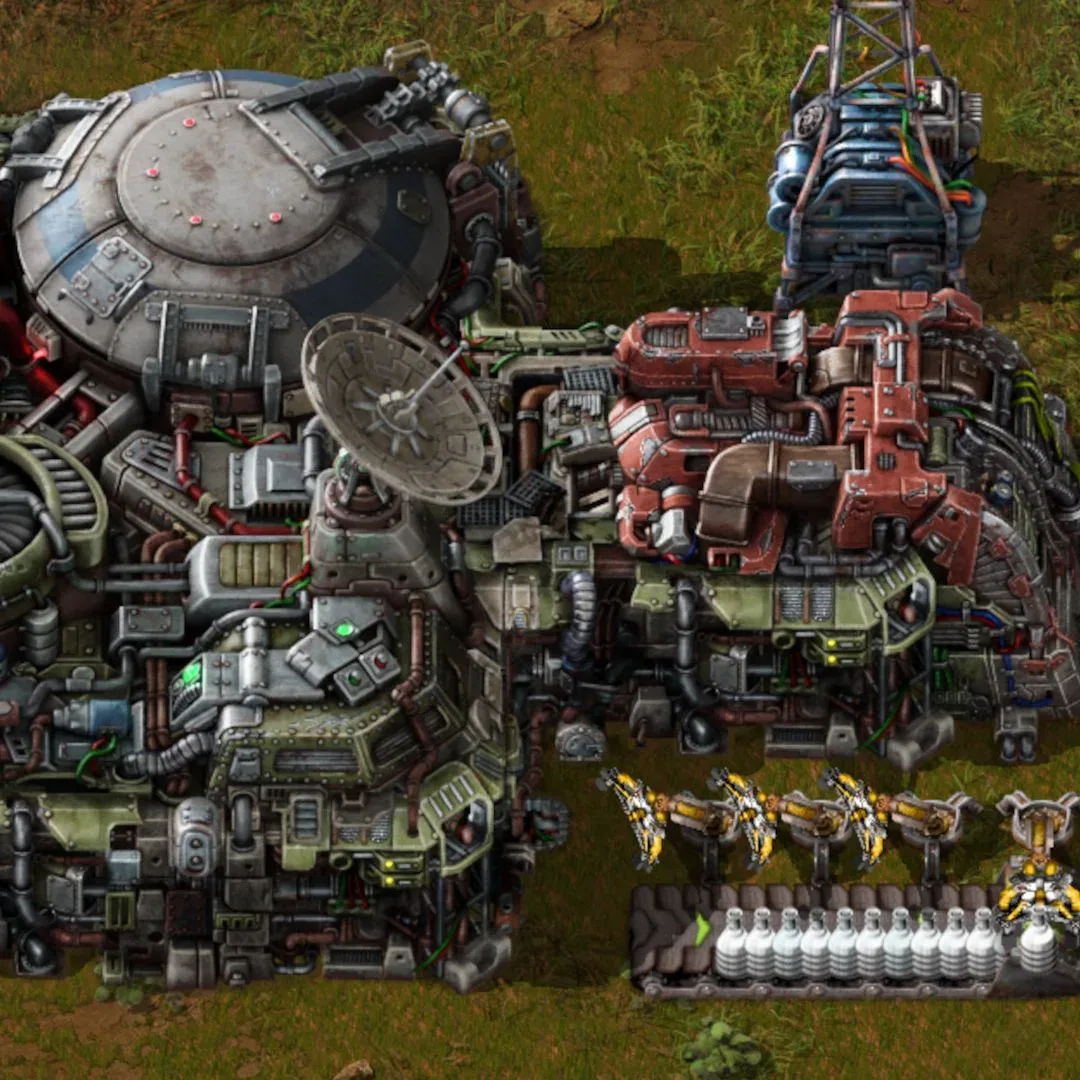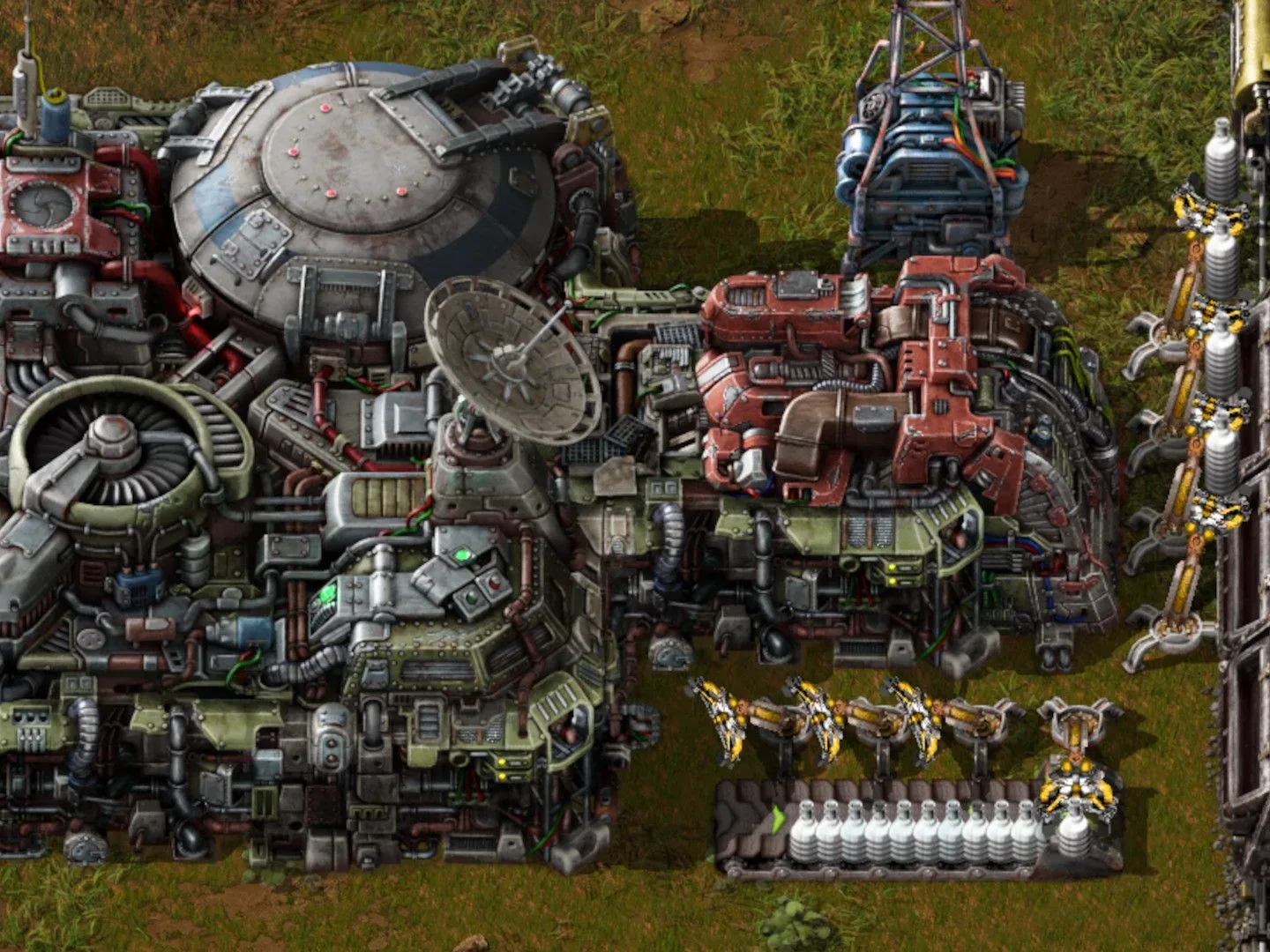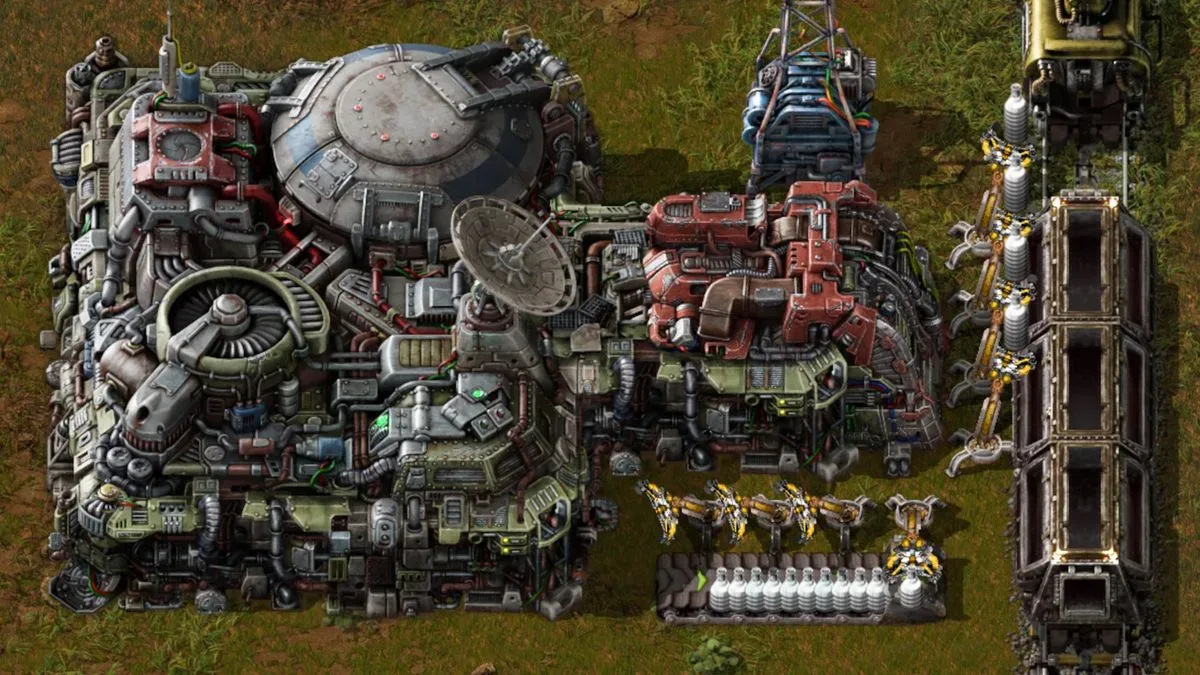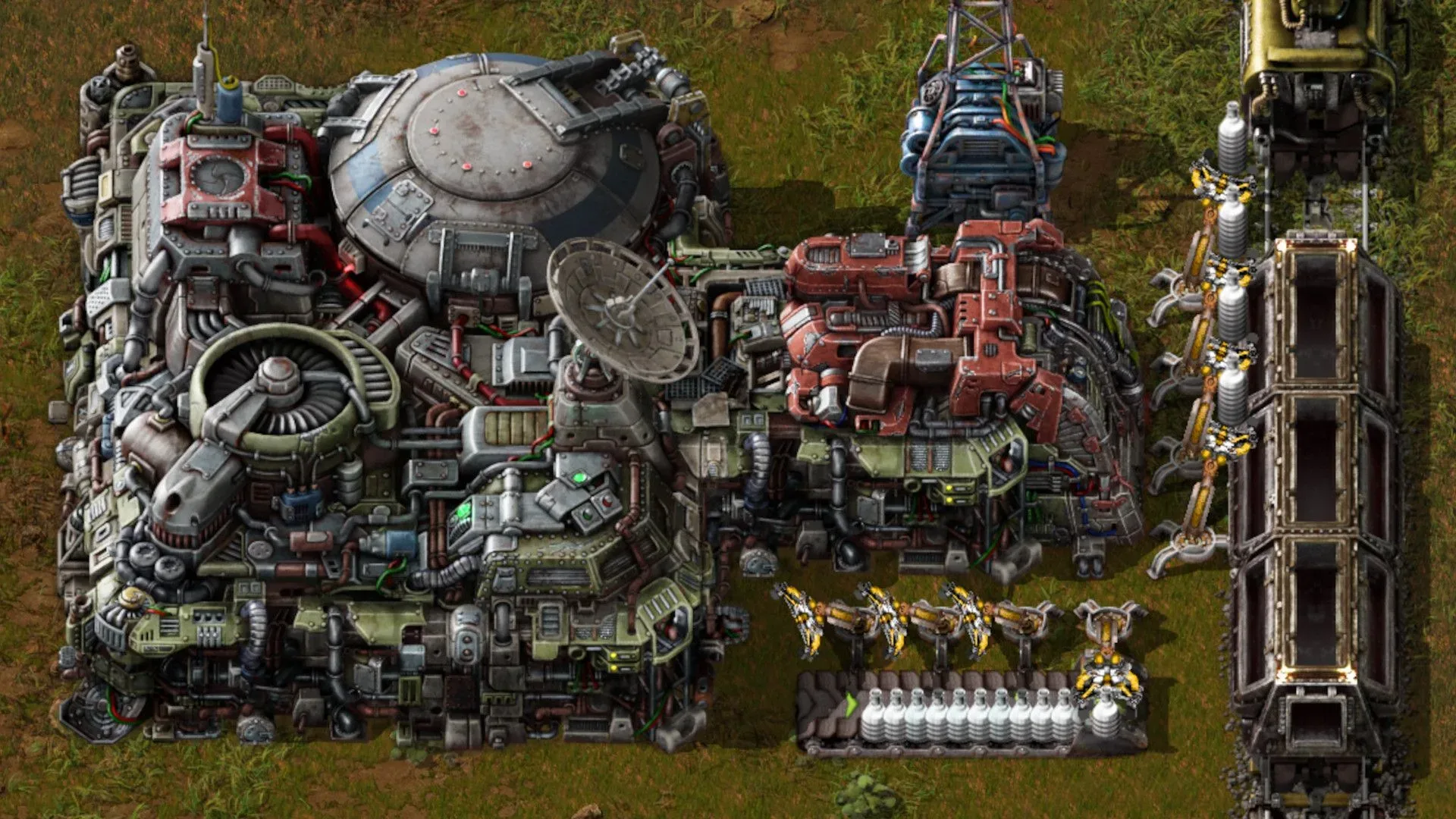
Factorio 2.1 has officially launched, closing out months of testing with an update aimed less at reinventing the factory-building favorite than at making an already intricate machine run more smoothly. Wube Software describes the release as a broad package of quality-of-life work, smaller additions, polish, and features that did not make the cut for the earlier 2.0 update.
Its importance goes beyond the individual patch notes. Wube has previously characterized 2.1 as the last major update it plans for Factorio. That wording leaves room for follow-up fixes, and minor patches may still arrive to address bugs, but it signals that a long period of large-scale official evolution is drawing to a close.
For a game built around constant iteration—expanding production, discovering bottlenecks, then rebuilding systems to solve them—that is a fittingly complicated sort of ending. The factory does not necessarily stop; it reaches a more stable version.
What changes in Factorio 2.1?
The 2.1 notes contain many targeted changes for players who have spent enough time with the game to understand how even a modest rule adjustment can reshape a design. Three examples illustrate the update’s focus: rockets may carry multiple different items in a single launch; elevated rails can be placed over cargo bays; and land mines can serve as tripwires and enemy detectors.
Mixed-item rocket launches
Allowing multiple kinds of item in one rocket launch is a logistics improvement. In factory games, logistics means the movement of materials from where they are produced to where they are needed. A limitation on what can travel together can force players to split supplies into separate shipments or construct extra infrastructure to keep destinations stocked.
The new flexibility should matter most where delivery capacity, launch frequency, or organization has become a constraint. Rather than treating every launch as a single-purpose cargo run, players can potentially combine supplies. The practical appeal is not merely fewer launches; it is the ability to make a supply chain fit the actual needs of a destination more closely.
Elevated rails over cargo bays
Rail systems are another place where small construction permissions can have outsized consequences. Elevated rails are track built above ground-level structures, while cargo bays are part of the game’s transport-and-storage landscape. Being able to place the former over the latter gives players more vertical freedom when arranging dense industrial spaces.
That does not automatically make a train network simple. It does, however, remove one collision between two important kinds of infrastructure. Players revisiting established rail hubs may find new options for routing lines through constrained areas rather than building around them. For those planning new facilities, it opens the possibility of tighter layouts from the outset.
Related coverage includes Factorio 2.1 Arrives as Wube's Planned Final Major Update.
Mines as detection tools
The land-mine change adds an information role to a defensive object. A tripwire is a trigger that reacts when something crosses it; in this case, mines can also function as enemy detectors. That creates an option beyond straightforward area defense, potentially helping a player notice hostile movement at a perimeter.
It is a revealing example of the kind of feature that fits Factorio particularly well. The game’s appeal has long rested on systems that can be connected in unexpected ways. An object initially understood as a weapon can also become part of a detection setup. The update’s individual additions may be small in isolation, but they can create new design choices when they meet an existing factory.
A final major milestone, not necessarily the final patch
Calling 2.1 the planned final major update is not the same as declaring the game abandoned. Major updates generally refer to substantial releases with meaningful sets of systems, features, and polish. A smaller maintenance patch has a different job: fixing defects, improving stability, or cleaning up remaining issues without redefining the game’s broader direction.
That distinction matters for players deciding whether to begin a new save or revisit an old factory. The 2.1 release is the clearest signal available that the game’s official feature set is approaching a settled state. It also means that players interested in building around these new rules can do so knowing the developers do not currently plan another comparably large change.
There is an unavoidable bittersweetness to that stability. Games with years of active support establish habits: players anticipate the next tweak, the next expansion of possibility, and the next reason to reconsider a reliable blueprint. Yet a defined endpoint can be valuable too. It preserves a more comprehensible target for long projects and gives the update a sense of completion rather than endless deferral.
Why the update lands with such weight
Factorio entered early access in 2016 and has since received its 1.0 release, the 2.0 update, and a major DLC expansion. Across that span, it became one of PC gaming’s most celebrated automation and management games. Its formula combines base building, resource management, production planning, and survival pressure: players make things, build the networks that feed those processes, and deal with the consequences when one part of the system cannot keep pace with another.
The scale of its player response is substantial. The game has accumulated more than 234,000 positive Steam user reviews and holds a 98% overwhelmingly positive rating. Steam250 places it at number 35 on Valve’s platform, immediately behind Elden Ring in the ranking cited for the game.
Review totals are not a substitute for explaining a game’s quality, and rankings naturally shift as new ratings arrive. But these figures help explain why 2.1 is more than a routine maintenance release. It is a milestone for a title that has had an unusually durable relationship with its audience, one sustained through major versions and an expansion rather than a rapid sequel cycle.
The no-sale policy remains central to Factorio’s identity
Another unusual part of that story is Wube’s long-running decision not to put Factorio on sale. In 2023, the studio raised the game’s price, explaining the move as an adjustment for inflation. The policy has remained notable because discounts are a familiar part of PC storefront culture, especially for games that have been available for years.
“It isn't about visibility or sales,” Wube said when explaining the policy in 2016. The studio framed the approach around treating earlier purchasers fairly rather than rewarding people for waiting on a discount.
That stance is not a universal template for game pricing. It is, however, part of the context for Factorio’s reputation: the studio tied its price to an argument about the game’s value and continued development rather than using periodic sales as its principal message to potential buyers. More than 234,000 positive reviews suggest that many players accepted that proposition, even if a no-discount policy will always make a purchase decision more individual and immediate.
The broader industry rarely offers clean rules about what a developer owes an audience after release. Ongoing support can make a game better, but it also creates expectations that can grow indefinitely. That tension is familiar in wider conversations about studio stewardship and closures, including the debate over what game studios owe players. In this case, Wube’s apparent endpoint comes after a lengthy run of development and major updates, not a sudden retreat from a newly released game.
What comes next for Wube and for players
Wube said in 2025 that it was already laying groundwork for what its next project could look like. There are no supplied details about that project, so it would be premature to assume it will resemble Factorio or to predict a release timeline. Still, the timing makes 2.1 a useful dividing line: one chapter reaches its intended major-update endpoint while a new project begins to take shape in the background.
For players, the immediate takeaway is practical. Factorio 2.1 is available now, bringing its collection of refinements after the testing period. Players invested in rockets, rail layouts, cargo handling, or perimeter defenses have specific new tools to examine. Players returning after time away have a mature version of the game to learn or relearn, with the understanding that its next changes are more likely to be maintenance-oriented than another sweeping overhaul.
The game has also reached console audiences through releases on Switch and Switch 2, broadening the group able to engage with its famously absorbing production puzzles. Whatever Wube makes next, Factorio has established a formidable legacy: a game whose factory lines, rail junctions, and supply problems remained compelling enough to earn enduring enthusiasm without leaning on sale events to create bursts of attention.
Update 2.1 is therefore both a practical patch and a marker in the game’s history. It adds room to optimize, organize, transport, and defend. More importantly, it looks set to be the last major official adjustment to a game that spent years teaching players that every system can be improved—usually just as soon as they identify the next bottleneck.