Doloc Town has surpassed 200,000 lifetime copies sold, reaching the mark a little more than a month after its full 1.0 release on August 6, 2026. The milestone arrives alongside the game’s first Steam discount since leaving Early Access: it is 20% off through October 8.
For RedSaw Games’ debut title, the figure is a meaningful early result—and one backed by a notably favorable Steam reception. The game has accumulated more than 4,000 Steam reviews since launch, holds an Overwhelmingly Positive label, and has a reported 97% positive rate among English-language reviews. Its developers have also issued seven post-launch patches and addressed 102 known issues so far.
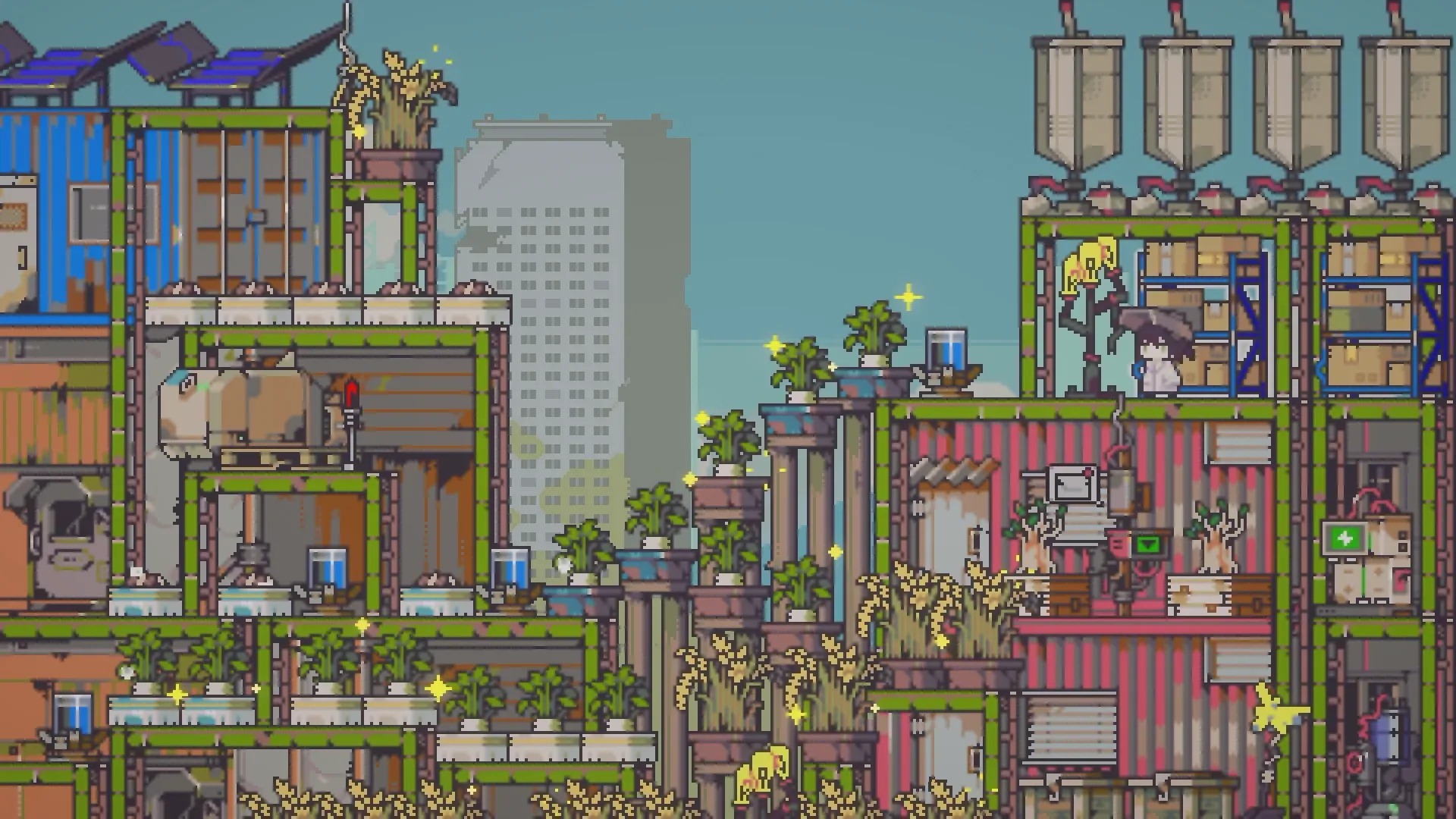
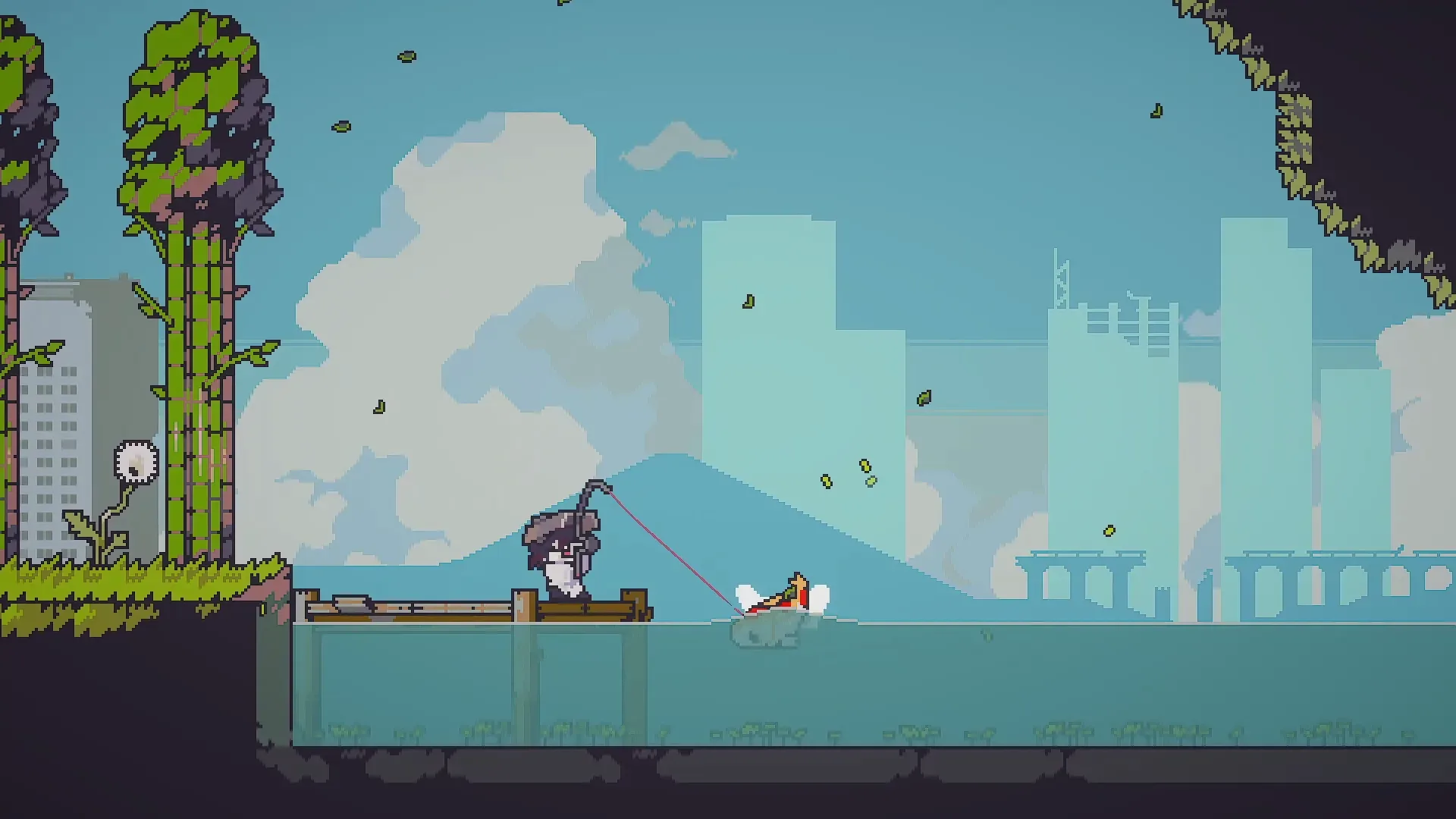
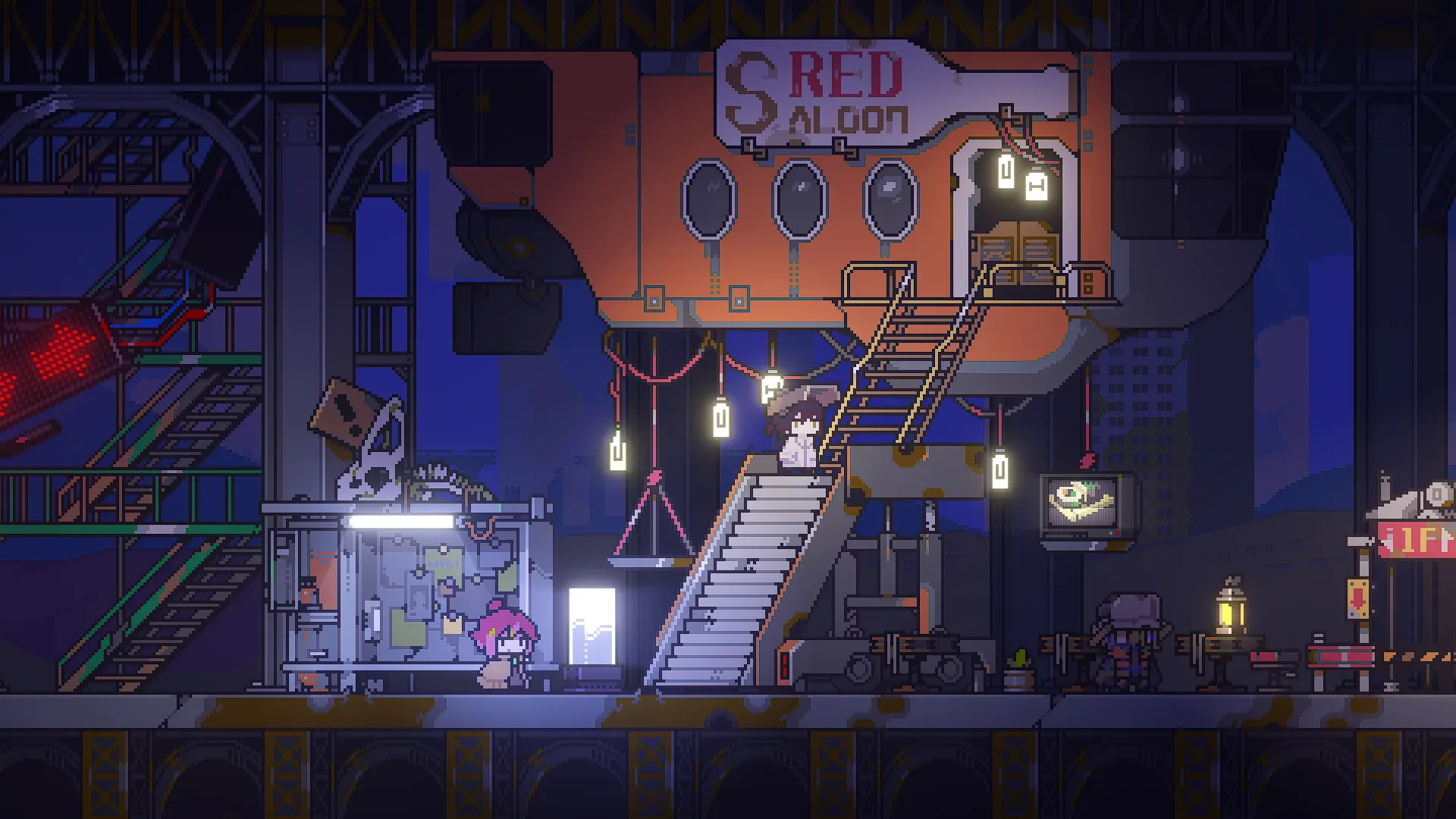
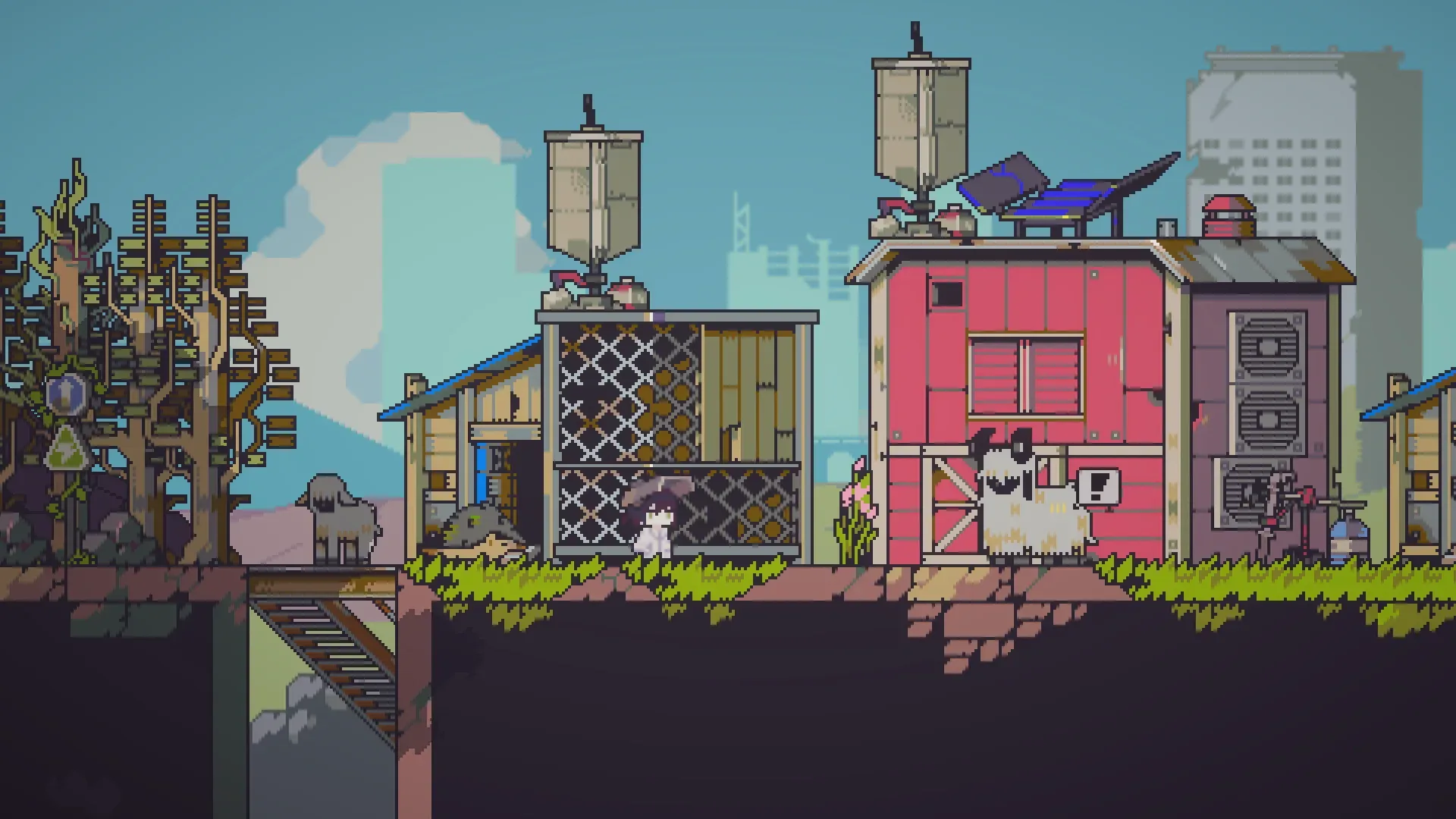
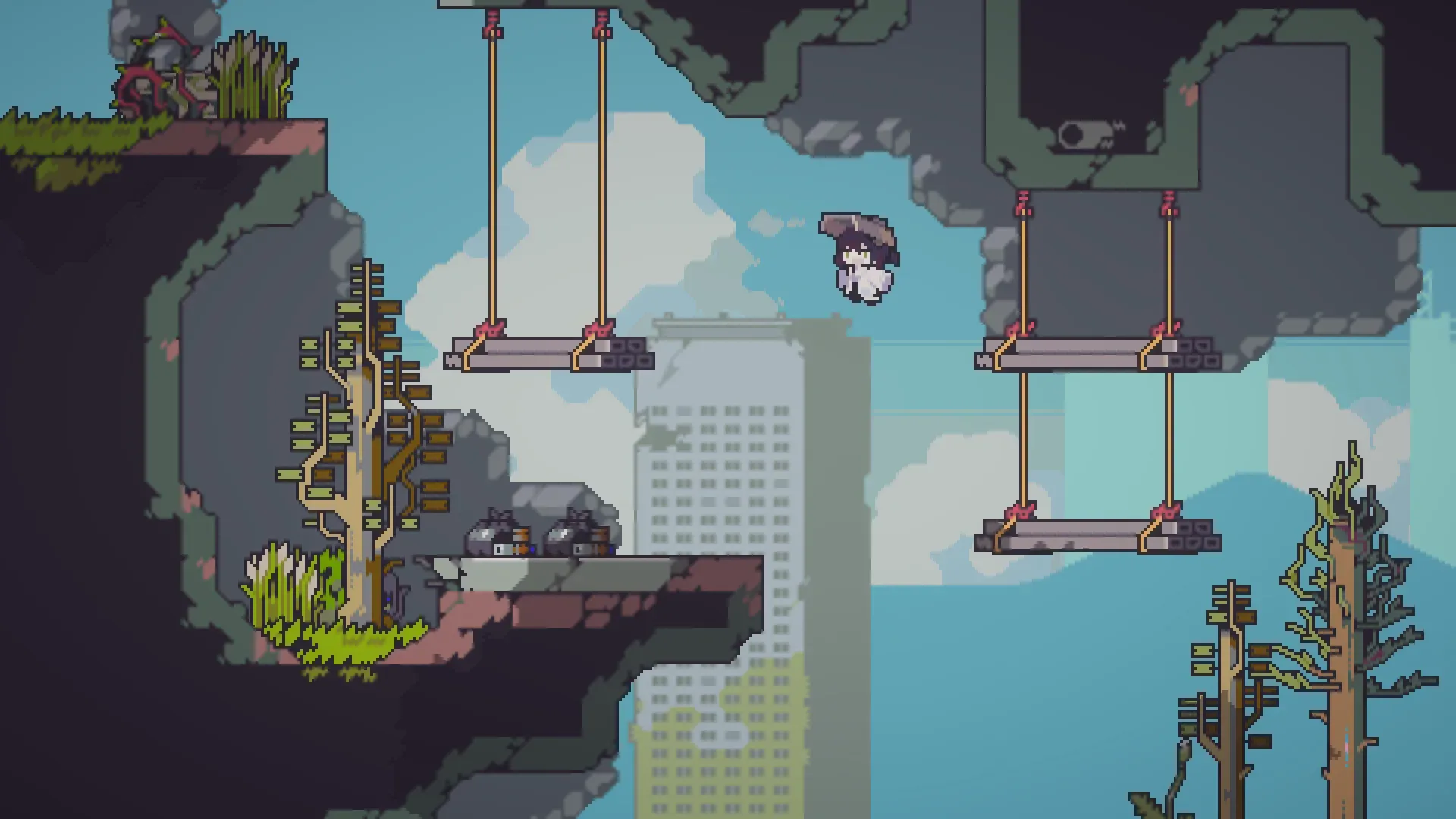
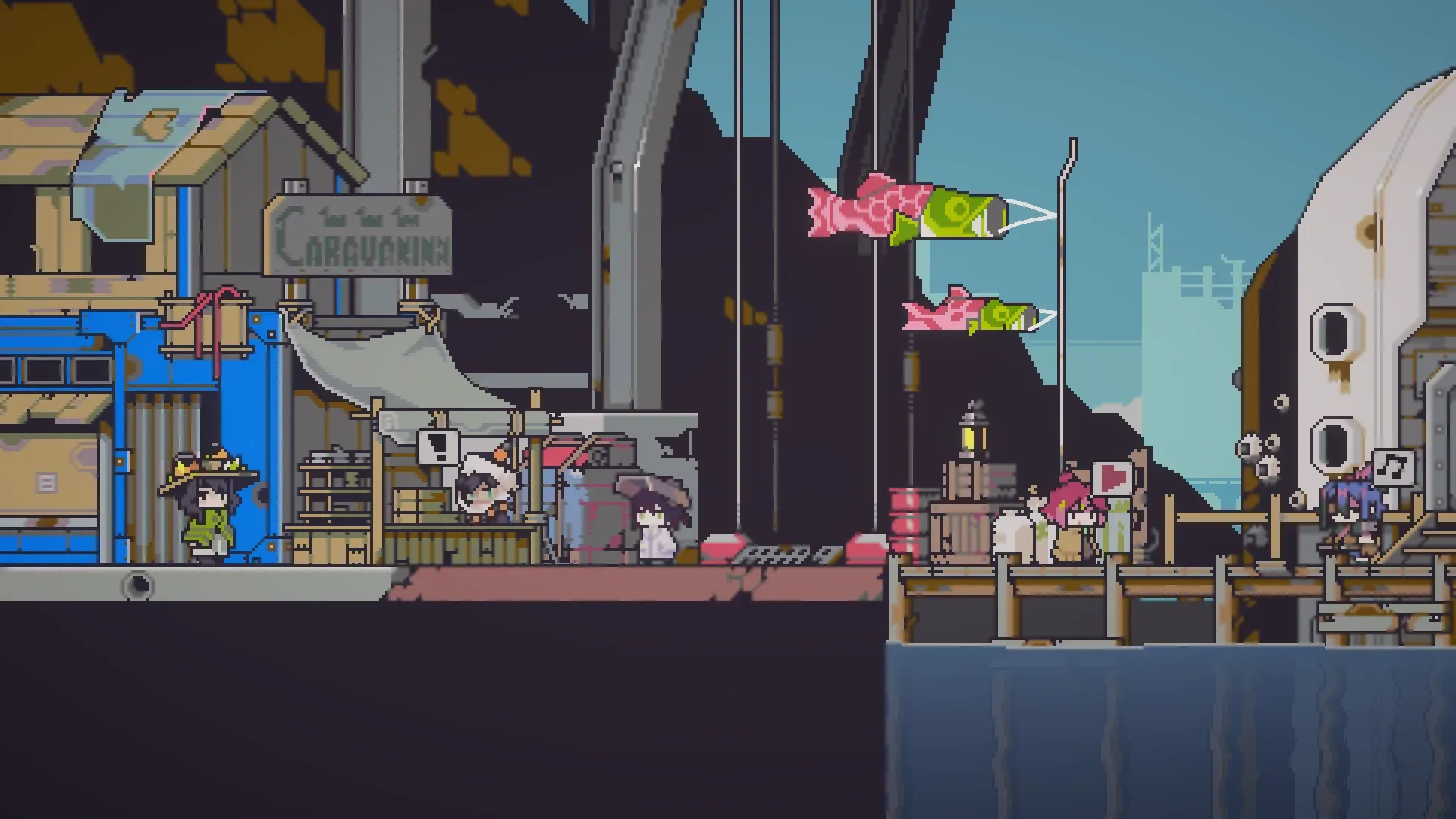
Doloc Town places familiar life-sim loops—farming, crafting, building, and getting to know a community—inside a hand-drawn pixel-art world that is colorful but visibly falling apart. Exploration is part of that routine, with customizable drone companions accompanying players through its post-apocalyptic setting. It is a combination that gives the game a broader structure than farming alone: tending a settlement and making equipment are tied to pushing outward into an unstable world.
A quick rise after 1.0
The game first entered Steam Early Access on May 8, 2025. That matters when reading the 200,000-copy number, because “lifetime copies sold” covers its entire commercial run rather than sales made solely after version 1.0. Still, passing that total just over a month after the August 6 full launch indicates that the transition out of Early Access was an important moment for its visibility and momentum.
Early Access is a release model in which a game is sold while still in active development. Players receive access before the developers consider the work complete, while patches and additions continue toward a formal 1.0 version. A full release does not mean a game will never change again; rather, it generally signals that the team considers its planned foundation and core experience ready for a wider audience.
Doloc Town’s follow-up work fits that distinction. Seven patches have arrived after 1.0, with 102 known issues resolved. Those figures do not by themselves tell us how large each patch was or which individual systems were adjusted. They do, however, establish that the game has received frequent attention during its first month-plus as a fully released title.
That post-launch cadence is especially relevant for games built around long-running routines. Farming and building games invite players to spend many sessions gradually improving land, resources, structures, and relationships. In that kind of design, glitches or friction points can have an outsized effect: a small problem affecting progression, inventory, construction, exploration, or a character interaction can interrupt dozens of hours of play. Ongoing fixes are therefore not merely housekeeping; they can directly affect whether a player feels comfortable committing to a long save.
What the review figures do—and do not—show
More than 4,000 Steam reviews is a substantial volume of player feedback for a newly launched independent game, and a 97% positive English-review rate is a very strong approval signal. Steam’s Overwhelmingly Positive label is a platform-facing summary of review sentiment, not a critic score or a promise that every player will have the same experience. But in practical terms, it tells prospective buyers that the large majority of the English-language reviews being measured are favorable.
Related coverage includes Doloc Town Passes 200,000 Copies Sold After Its 1.0 Launch.
The review total should also be kept separate from the sales milestone. Reviews and copies sold are different measurements. A player may buy a game and never leave a review, while purchases can occur across the game’s Early Access and full-release periods. The available numbers support two clear points: Doloc Town has sold more than 200,000 copies over its lifetime, and it has received more than 4,000 Steam reviews since its 1.0 launch. They do not establish a precise review-to-sales conversion rate, nor do they reveal how sales are divided between the Early Access period and the period after 1.0.
Even with those boundaries in mind, the pairing is encouraging for a first release. Sales represent commercial reach, while a high volume of strongly positive user reviews suggests that many people who chose to write about the game came away satisfied. Neither number explains every reason for the game’s traction, but together they provide a clearer picture than either figure would alone.
“As our studio’s debut title, we never anticipated Doloc Town hitting such an incredible milestone, and are overwhelmed by the support from players,” the RedSaw Games development team said.
A farming game built for a broken world
At the center of Doloc Town is a deliberate contrast. Its world is described as vibrant even as it crumbles, and its visual identity uses hand-drawn pixel art. Pixel art refers to an image style built from visible, grid-based pixels, often used to create deliberately stylized environments and characters rather than pursuing photorealism. “Hand-drawn” in this context emphasizes authored visual presentation: a look shaped around illustration and animation choices rather than a generic survival-game wasteland.
The setting also changes the flavor of its activity list. Farming, crafting, and building are often associated with restoration: cultivating a place, producing useful materials, and turning available space into something more functional. Set against a post-apocalypse, those actions can read as efforts to build stability amid decay. The supplied details do not define Doloc Town’s story or specific progression systems, so players should not assume a particular quest structure or survival mechanic. What is clear is that its town-focused activities are framed by a world in decline rather than a purely pastoral one.
Exploration and drone companions add another layer to that setup. A customizable companion suggests that the player’s tools for moving through the world are not limited to their character alone. The exact extent of drone customization, its capabilities, and whether it has combat, gathering, navigation, or other roles have not been detailed here. Still, its inclusion distinguishes Doloc Town’s exploration pitch from a simple cycle of staying home to farm and returning to town to sell goods.
Community-driven character interactions round out the game’s stated pillars. This indicates that residents and relationships are a meaningful part of the experience, rather than the town being only a backdrop for resource management. It is worth being precise, though: no information has been provided about romance systems, schedules, dialogue choices, relationship thresholds, or any individual characters. The most reliable expectation is a game where connecting with a community sits alongside building, crafting, cultivation, and exploration.
The Steam sale window
The current Steam promotion reduces Doloc Town’s price by 20% through October 8. It is identified as the first sale since the 1.0 release, giving players who waited to see how the full version landed a defined window to buy at a lower price. No base price, regional pricing, bundle information, or details about other storefronts have been provided, so the safest way to assess the offer is to check the Steam listing in the buyer’s own region before the deadline.
For those deciding whether the timing is right, the known facts give a useful checklist. The game is no longer in Early Access, it has received seven patches since full launch, the developers report 102 resolved known issues, and its Steam feedback remains very positive. That does not guarantee that every individual concern has been fixed or that the game’s mix of systems will suit every player. But it does mean that a prospective buyer is considering a full-release build with visible early support, rather than an untouched launch version.
The discount also lands during a busy period for PC players tracking new releases. Readers looking beyond one town-rebuilding adventure can browse the wider September 21 game release lineup for a snapshot of what else is arriving.
Why the milestone matters
Doloc Town’s result is not just a headline-friendly round number. For a debut game, clearing 200,000 lifetime copies demonstrates that a new team has found a sizable audience with its first project. The milestone is made more notable by its timing: it came shortly after the game’s shift from an in-development Early Access product to a formal 1.0 release.
It also reinforces the value of support after launch. Full release is often treated as an endpoint, but the seven patches and 102 issue resolutions show a different, more practical reality. A launch version establishes the game’s baseline; quick maintenance afterward helps keep that baseline moving in the right direction. Players arriving through the October 8 sale will be joining after that initial run of fixes, while existing players have already seen the team respond to known problems.
The available evidence supports a straightforward read: Doloc Town’s blend of post-apocalyptic town life, creative work, exploration, drones, and character-focused community activity has connected with an audience, and that audience has responded positively on Steam. With its first post-1.0 sale now underway, the next question is how much further that momentum can carry a debut game already well beyond 200,000 copies.