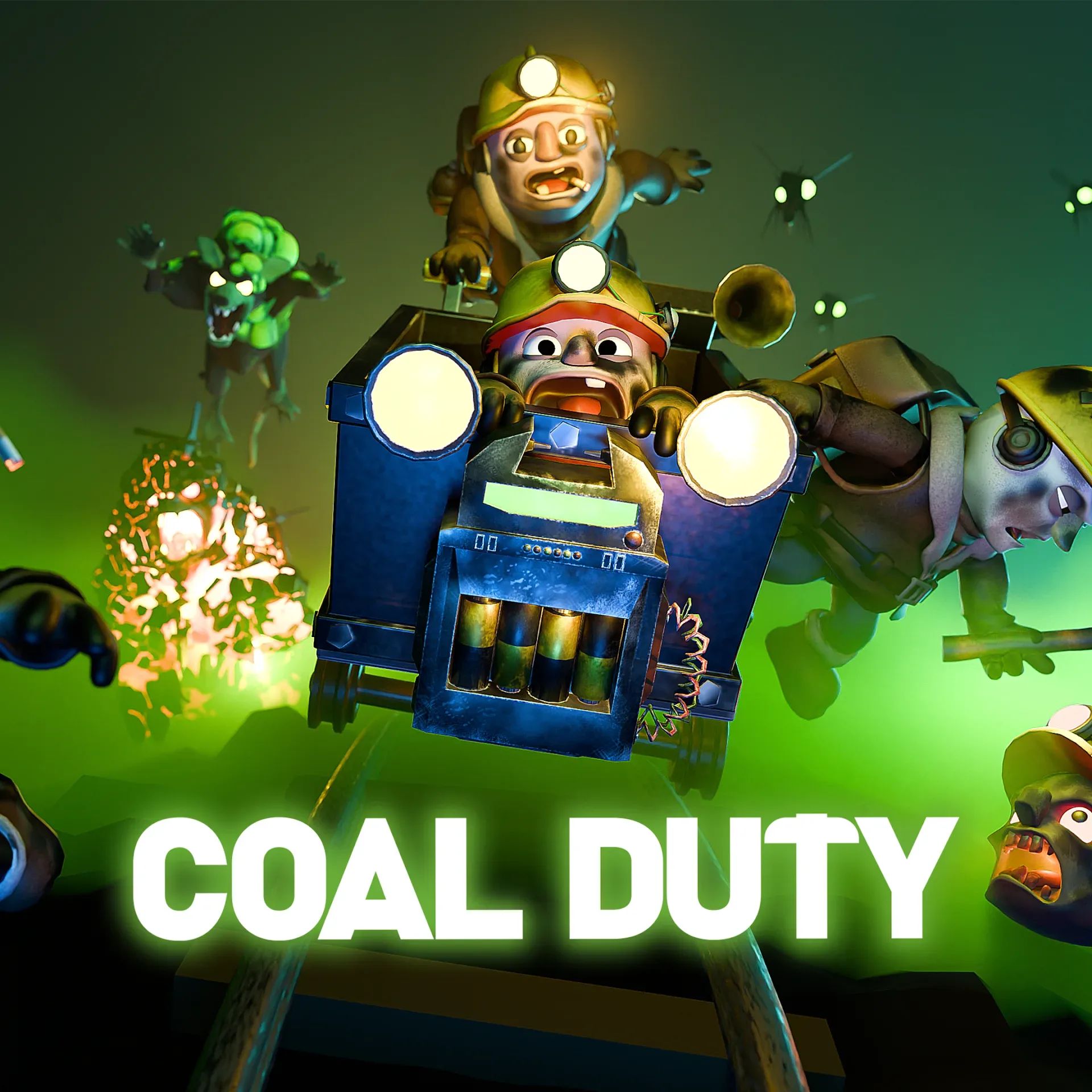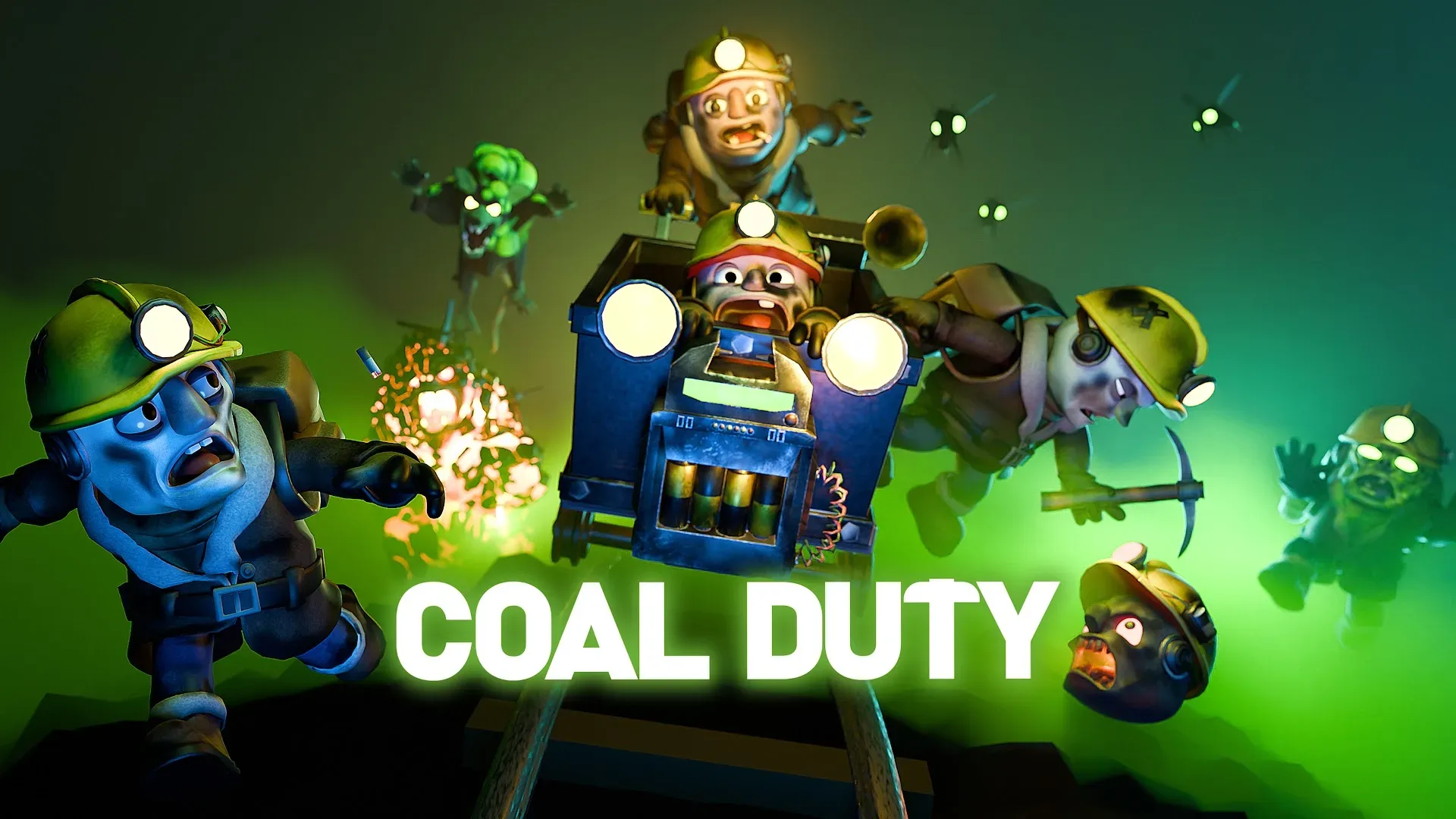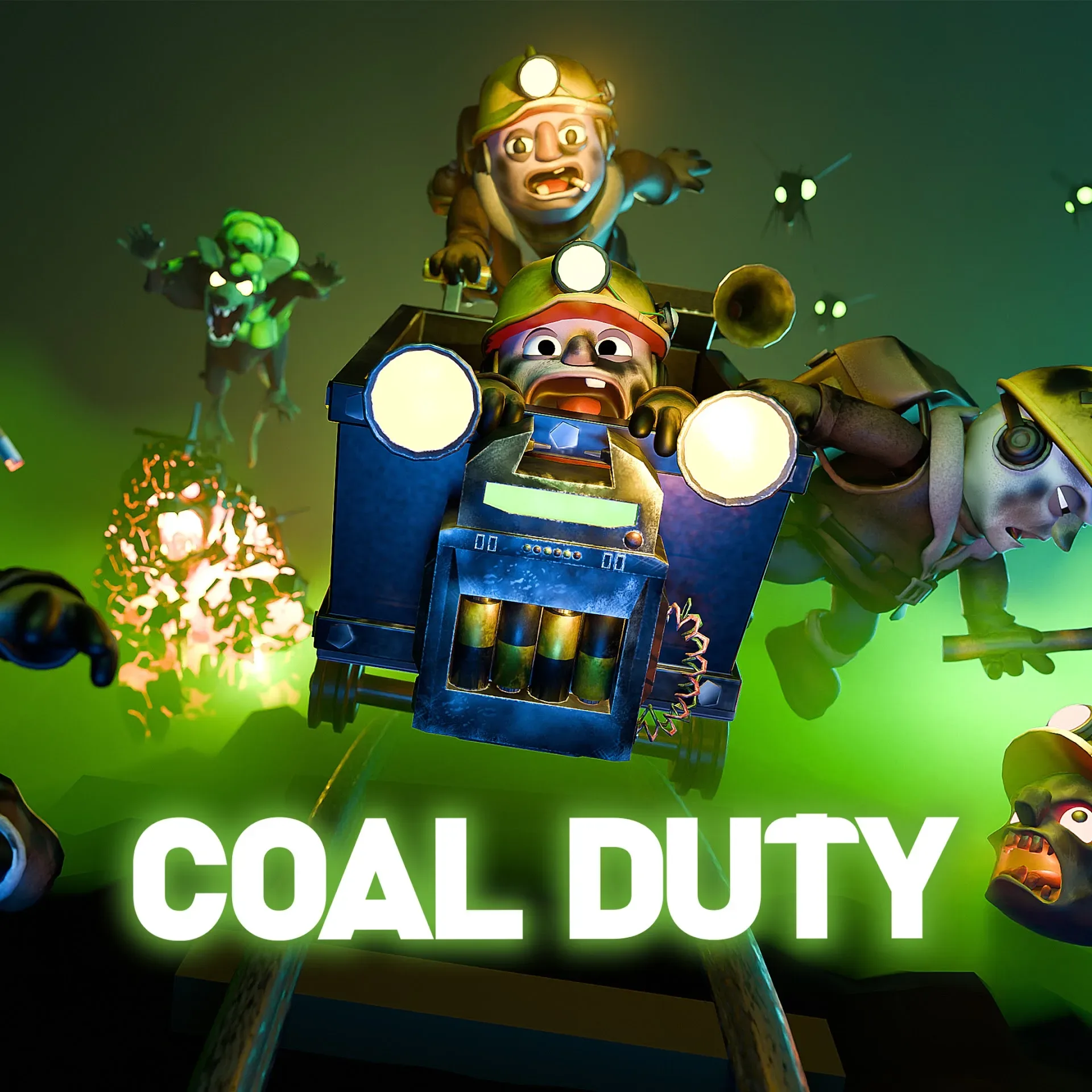
Coal Duty, the co-op extraction horror-comedy from Corecrew Games, is scheduled to receive a free Steam demo on October 8. The demo arrives ahead of Steam Next Fest, which runs from October 19 through October 26, and will remain playable during the event.
The premise puts a darkly comic twist on workplace pressure: a crew of one to five miners heads underground to meet a State coal quota. The deeper the group travels, the greater the potential haul—and the greater the danger. Success is not simply a matter of finding coal. It is about deciding how much risk the crew can absorb before the shift turns against them.
A mine where speaking can be a liability
Coal Duty’s central co-op idea is proximity voice chat. Put simply, players hear one another only when they are close enough in the game world. That makes communication positional rather than global: a teammate who has wandered down another tunnel may be out of earshot, even if both players are using voice chat.
The catch is that the mine’s creatures can hear nearby voices, too. That gives ordinary multiplayer conversation a direct mechanical consequence. Calling for help, giving directions, or reacting in a panic may reveal a crew’s presence. A group that wants to coordinate effectively may need to stay physically close, communicate more deliberately, or accept the uncertainty that comes when miners become separated.
That approach makes the tunnels more than a backdrop for collecting resources. Distance becomes part of the threat. A teammate can be nearby enough to hear but too far away to help immediately; conversely, gathering the whole crew in one place may make coordination easier while putting everyone closer to whatever has noticed them.
Quota pressure and the value of an unreported haul
Each shift revolves around a required coal delivery. Pushing farther into the mine raises the potential payoff, but the game explicitly frames that choice as an escalation in danger. The practical tension is clear: turning around early may be safer, while going deeper could be necessary for a more ambitious delivery or simply tempting for a crew that believes it can get out with more.
Delivered coal earns tickets, described as the only currency recognized by the State. The language around that system suggests a split between official progress and what the miners keep outside it. An unreported haul stays between the crew and the dark, creating room for players to weigh compliance against self-interest.
That is an important distinction for an extraction game. “Extraction” generally describes a loop in which players enter a dangerous space, collect valuables or objectives, and must successfully leave to turn that work into progress. In Coal Duty, the pressure is not only whether a team can return alive or with its cargo, but also what it chooses to report once it does.
Related coverage includes Coal Duty Demo Heads to Steam on October 8 Before Next Fest.
The State quota, the ticket economy, and the possibility of hidden gains give the horror-comedy setup an institutional edge. The mine is dangerous, but the job’s rules appear designed to matter just as much. The game’s humor can therefore come from the contrast between an absurdly bureaucratic work assignment and the very real problem of creatures listening in the tunnels.
The demo’s six-trip shift
The October 8 demo will offer a complete sequence of six trips into the Medium mine floor. Corecrew Games says that is enough for players to tackle two quotas. It will also introduce part of the creature roster and give players access to the hub area between underground runs.
For prospective groups, six trips should offer more than a single isolated match: it creates space to understand the rhythm of leaving the hub, working toward quota, returning, and planning the next move. It also gives crews time to see how close-range communication affects their coordination over repeated expeditions rather than in one brief first encounter.
What the demo does not include is equally useful to know. The Easy and Hard mine floors are planned for Early Access rather than this demo. Additional creatures, the escape machine, and the game’s multiple endings are also being held for Early Access. Players should therefore treat the Medium floor as a focused slice of the planned structure, not a complete map of every difficulty, threat, or outcome.
A persistent hub with more than a staging-room role
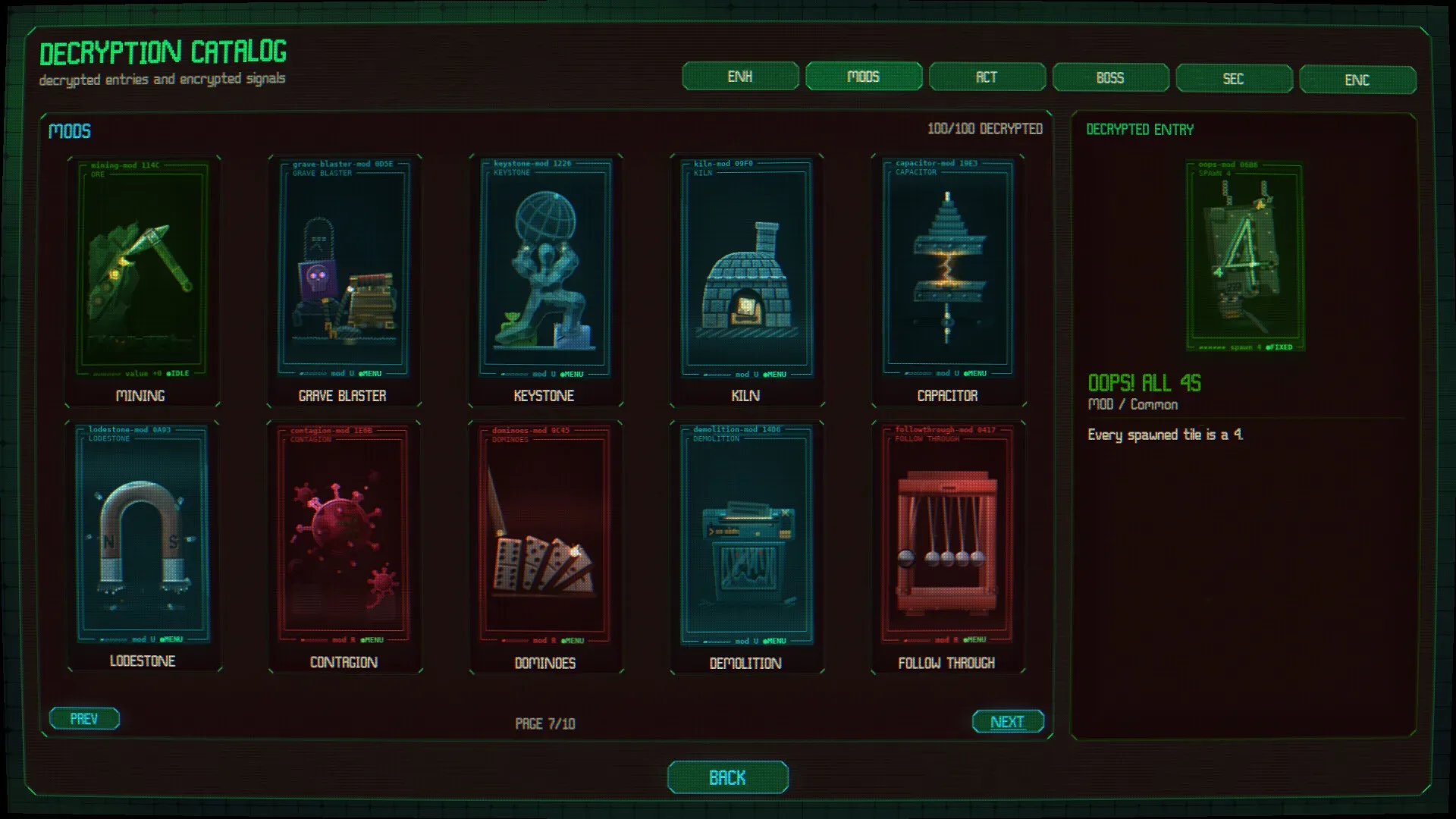
Between shifts, miners return to a persistent hub with barracks, a workshop, a tavern, and a smuggler operating in a restricted area. Persistent, in this context, means the hub is a continuing place in the game’s structure rather than a disposable pre-match lobby. It is presented as the setting where crews regroup after a shift and make plans for what comes next.
Each location suggests a different part of the mine-worker fantasy. Barracks provide a home base; a workshop implies a space connected to practical preparation; and the tavern provides a natural social stop between dangerous trips. The restricted-area smuggler is particularly notable because it aligns with the game’s emphasis on unofficial gains and escape planning.
The hub is not framed merely as a place to wait for another descent. It is where escape plans begin to take shape, and Coal Duty is said to have multiple ways out. Those routes will not be fully represented in the demo, since the escape machine and the multiple endings are reserved for Early Access, but the hub offers an early view of the setting that supports them.
What players can learn from the October demo
The demo’s most useful function may be establishing whether a group enjoys Coal Duty’s specific brand of co-op pressure. A team interested in trying it should focus less on treating the Medium floor as a final difficulty verdict and more on the systems the demo can actually show:
- Voice discipline: How does the group handle communication when nearby creatures can hear it?
- Spacing: Does the crew stay together for reliable coordination, or split up to cover more ground?
- Risk tolerance: When does a deeper run stop looking worthwhile relative to the danger?
- Quota priorities: How does the need to meet the State’s demand affect choices around a haul?
- Between-shift planning: How does the hub help establish the game’s broader progression and escape-oriented premise?
There is also a useful boundary around expectations. The available information confirms a 1–5 player co-op format and the Steam demo, but it does not detail matchmaking, progression mechanics, specific workshop functions, or how each ending route works. Those are questions for later Early Access information rather than promises attached to the October demo.
Steam Next Fest timing
Coal Duty’s free demo starts on October 8, giving interested players time to explore it before Steam Next Fest begins on October 19. It will stay playable throughout the festival’s October 19–26 run. That window places the game among the PC demos players will be able to sample during the event; for a wider look at the day’s PC calendar, see games releasing today on September 29, 2026.
Early Access news is still to come. For now, the demo is a defined introduction: six Medium-floor trips, two quota attempts, a first encounter with the game’s creature roster, and a look at the persistent hub where miners regroup, barter around the edges of official rules, and begin considering ways out of the job entirely.