Paranormal Activity: Threshold, the canceled game project tied to the horror-film franchise, is no longer destined to haunt an unseen development vault. It has been reworked into Paranormal Activity: Threshold — Playable Archive, a free release on Steam that lets players experience part of the project that otherwise would have remained unavailable.
The release is not being positioned as the complete version of the original game. Its “Playable Archive” label matters: developer Brian Clarke says some material was left behind, while the work that could be shared was adjusted and polished for public release. That makes this an unusual kind of launch—less a conventional revival of a canceled title than a preserved, playable version of a project interrupted before its intended finish.
For horror players, the practical warning is as important as the price: the Steam listing says there is no save system. Threshold must be played in one sitting, so this is not a game to casually open between errands, work breaks, or the point where a suspiciously creaky floorboard makes the room feel a little too on-brand.
What Paranormal Activity: Threshold is about
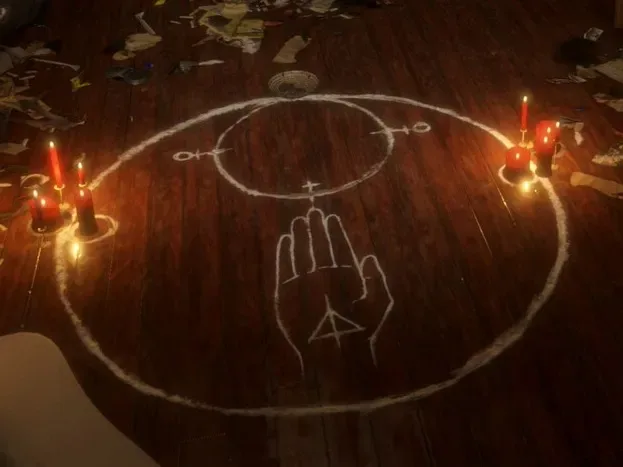
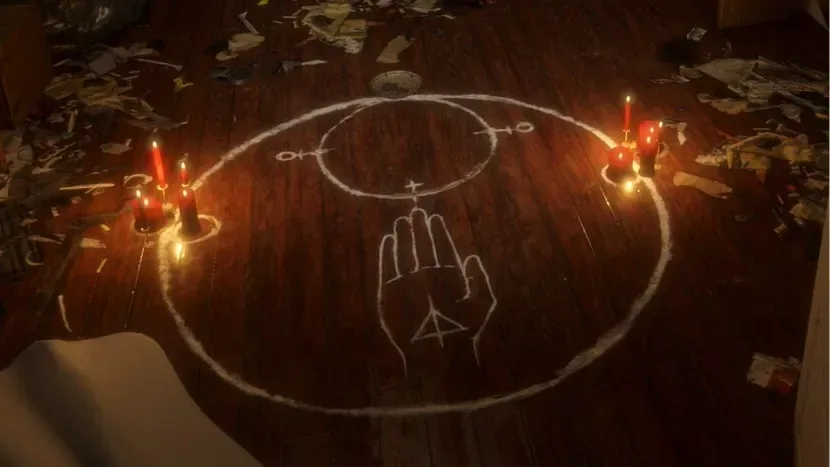
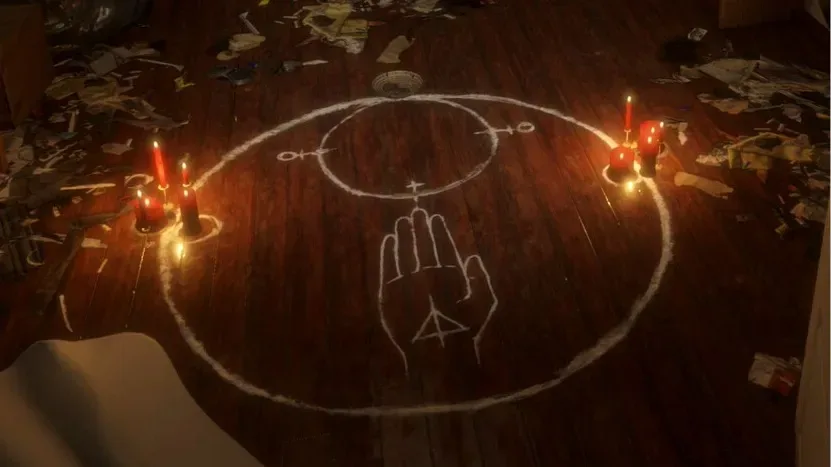
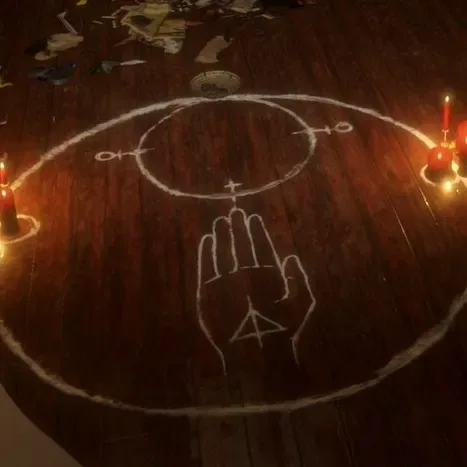
Threshold follows a young couple renovating their home. During that work, they uncover a strange object, an event that predictably turns a home-improvement project into something much worse. The narrative uses a found-footage approach, centering shaky camera imagery, ominous activity just outside the frame, rituals, and strange symbols.
Found footage is a horror storytelling format presented as though the audience is watching recovered recordings rather than a traditionally filmed story. Its appeal often comes from limitation: a camera may point in the wrong direction, cut off information, or record events without fully explaining them. In an interactive setting, that perspective can make the player’s view itself part of the tension. What is unseen—and what might be just beyond the camera’s reach—can be as significant as what appears clearly onscreen.
That format is a natural fit for Paranormal Activity’s broader horror identity. Threshold’s setup also keeps the threat close to home. Renovation is ordinarily a process of making a living space safer or more personal; here, disturbing an object turns the house into the source of danger. Ritual imagery and unexplained symbols further suggest a story built around investigation and escalation rather than a straightforward monster encounter.
From cancellation to an archive release
The original project was canceled earlier in 2026. Clarke, whose previous horror work includes The Mortuary Assistant, subsequently worked with DreadXP to make a version of Threshold available rather than leave it permanently shelved.
“I imagined the project would simply sit on a shelf forever,” Clarke wrote in a Steam post. After DreadXP proposed releasing the material, he said he made adjustments and polished the available work, while acknowledging that a substantial amount remained on the cutting-room floor.
Related coverage includes Canceled Paranormal Activity Game Returns as a Free Steam Playable Archive.
That distinction sets sensible expectations. A playable archive is not automatically the same thing as a fully realized final product, a remake, or a promise that every intended feature survived the cancellation. It is a release shaped by what existed, what could be refined, and what could be separated from the abandoned production. Players should approach it as a chance to see a rescued piece of horror-game development, not assume it represents the entire original plan.
There is value in that approach. Canceled games frequently disappear in a way that leaves audiences with only a title, a premise, or vague memories of an announced project. A public archive release gives the work a life beyond internal storage. It also gives fans a clearer sense of the game’s tone and direction than a description alone could provide, even when the material is necessarily incomplete.
The no-save rule changes how to plan a session
A game without saves asks more of a player’s time and attention than its free status might initially suggest. The listing does not provide a completion estimate, so it is best not to make assumptions about exactly how long a session will take. The safe move is simply to begin when you have uninterrupted time and are prepared to continue through the experience.
For a horror game, a one-sitting structure can reinforce the intended atmosphere. Stopping frequently can deflate suspense: the player leaves a threatening environment, then must reconstruct that feeling later. Remaining in the same session allows details, sounds, and unexplained events to build on one another. In Threshold’s case, the found-footage framing may make that continuous viewing especially fitting, closer to following a recovered recording from start to finish than treating it as a series of separate chapters.
But the format has a clear trade-off. Without saves, a player who needs to quit may have to start over. Anyone downloading Threshold should factor that in before launching. Make sure the Steam installation is complete, avoid starting right before another commitment, and consider closing other tasks that could pull attention away. Those are mundane precautions, admittedly, but horror has always been strongest when it can convince you that the mundane has stopped being safe.
- Platform: Steam
- Price: Free
- Format: Playable Archive rather than a claimed full restoration of the original canceled project
- Structure: One continuous play session; no save system is listed
- Premise: A couple’s renovation uncovers an object connected to escalating paranormal events
Why the “Playable Archive” wording is worth taking seriously
The phrase can sound like a marketing flourish, but here it describes the release’s central reality. Clarke has been direct that not all planned work made it into the version now available. That transparency is useful because it avoids presenting a rescued project as though cancellation never happened.
It also gives the release a different appeal from a standard new game. Players interested primarily in a polished, feature-complete product may want to keep the archive framing in mind. Players intrigued by horror development, abandoned projects, or Clarke’s approach after The Mortuary Assistant have another reason to try it: Threshold preserves a creative path that almost ended before audiences could engage with it at all.
This does not turn cancellation into something positive. Material being removed and plans being cut are still signs of a project that did not reach its original destination. But a free public release can at least change the outcome from total disappearance to partial preservation. For a genre that thrives on hidden rooms, cursed objects, and artifacts that should perhaps have stayed buried, there is a fitting irony in a game returning as an archive.
A small but notable horror-game return
Threshold’s release arrives with a notably narrow promise: a free, single-sitting paranormal experience from a canceled production, built around found-footage tension and a domestic haunting premise. It does not need invented claims about a broader comeback to be interesting. Its existence is the news. Clarke and DreadXP found a route for part of the project to reach players, and the result is available now on PC through Steam.
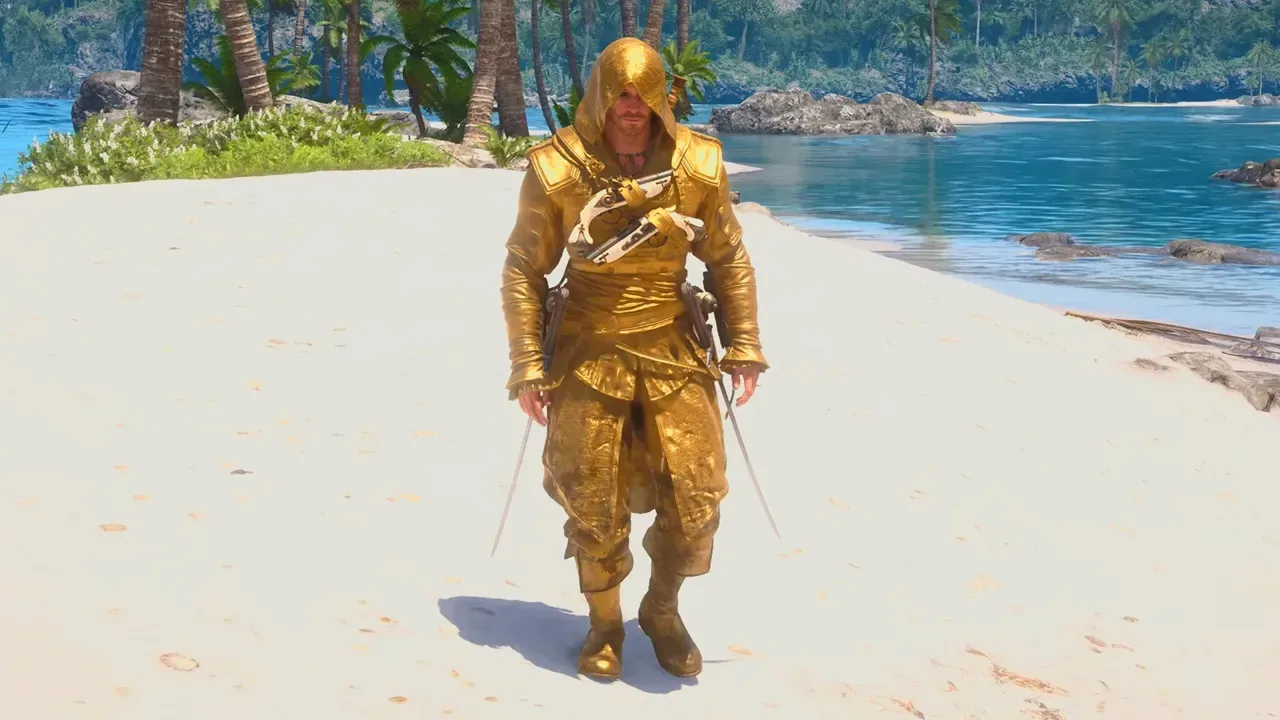
It also lands during a period when game preservation and access remain important talking points across the medium. New releases and major updates command much of the attention—such as the changes detailed in this report on Assassin’s Creed Black Flag Resynced’s final major update—but Threshold represents a different side of games being kept accessible. This is not an update extending a released game’s roadmap; it is an interrupted project being given a public afterlife.
For anyone ready to face shaky footage, suspicious symbols, and the timeless lesson that renovation discoveries should probably be left alone, Paranormal Activity: Threshold — Playable Archive is a low-risk download with one significant condition: once you cross its threshold, plan to stay there until the end.