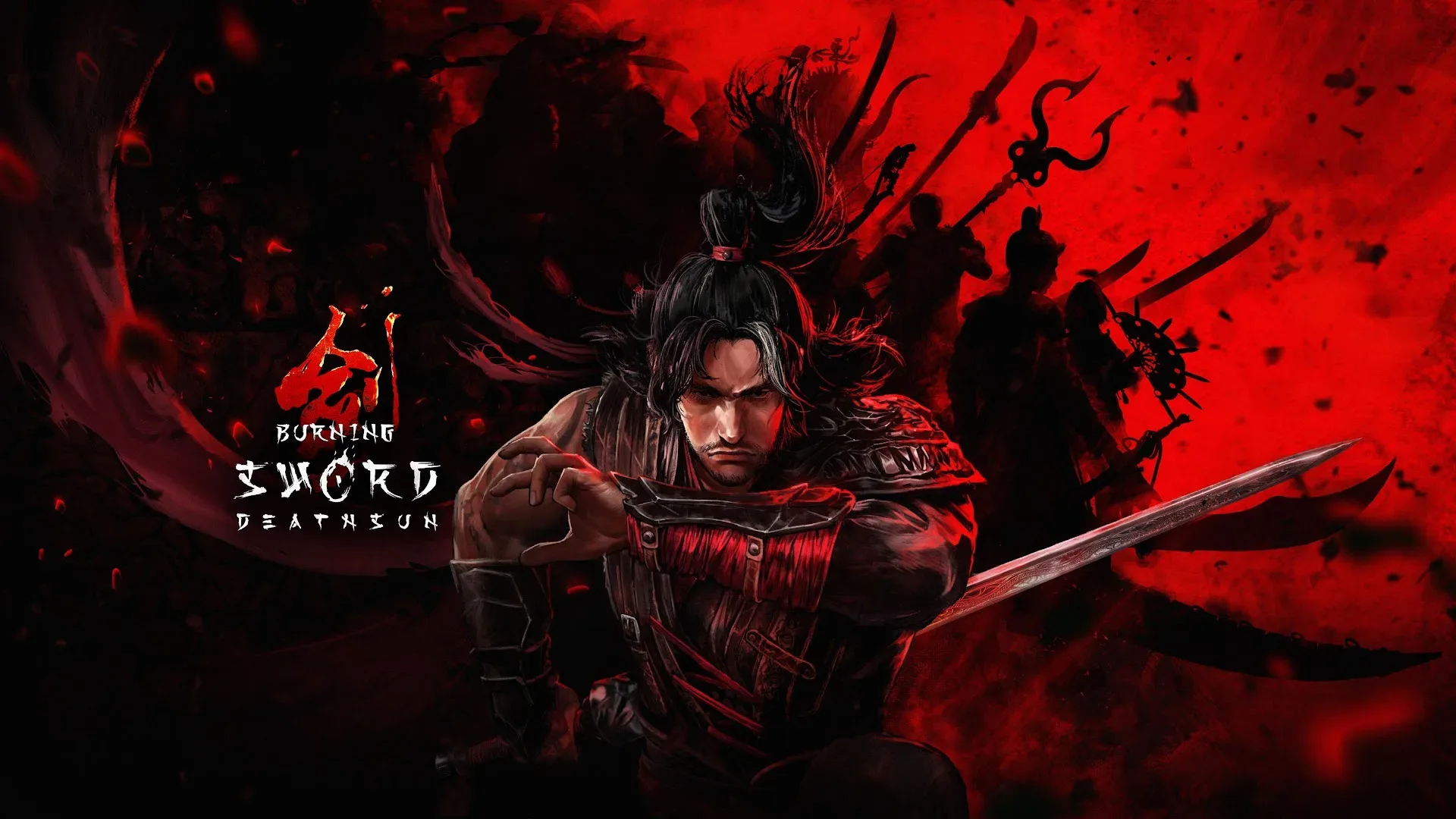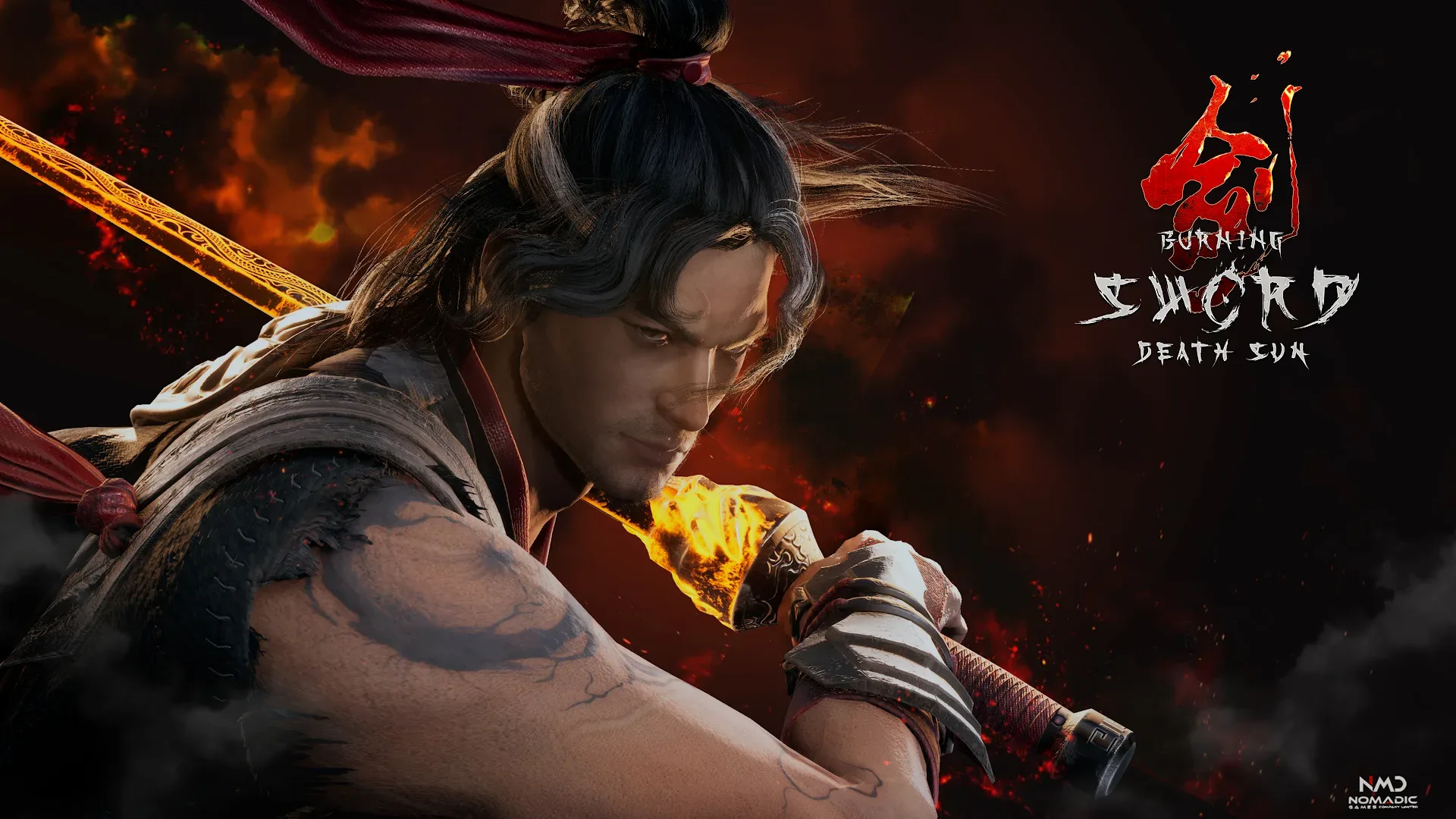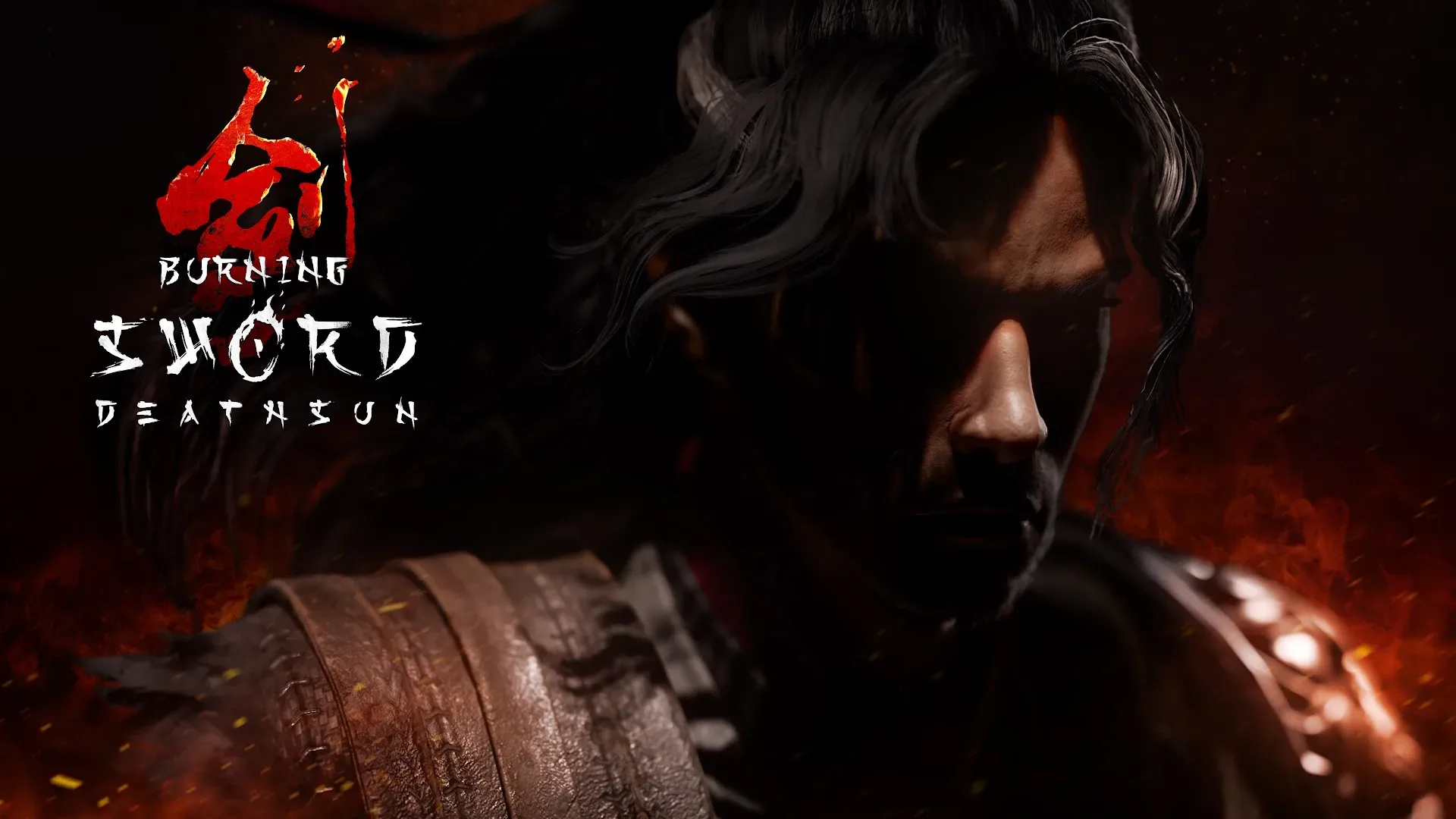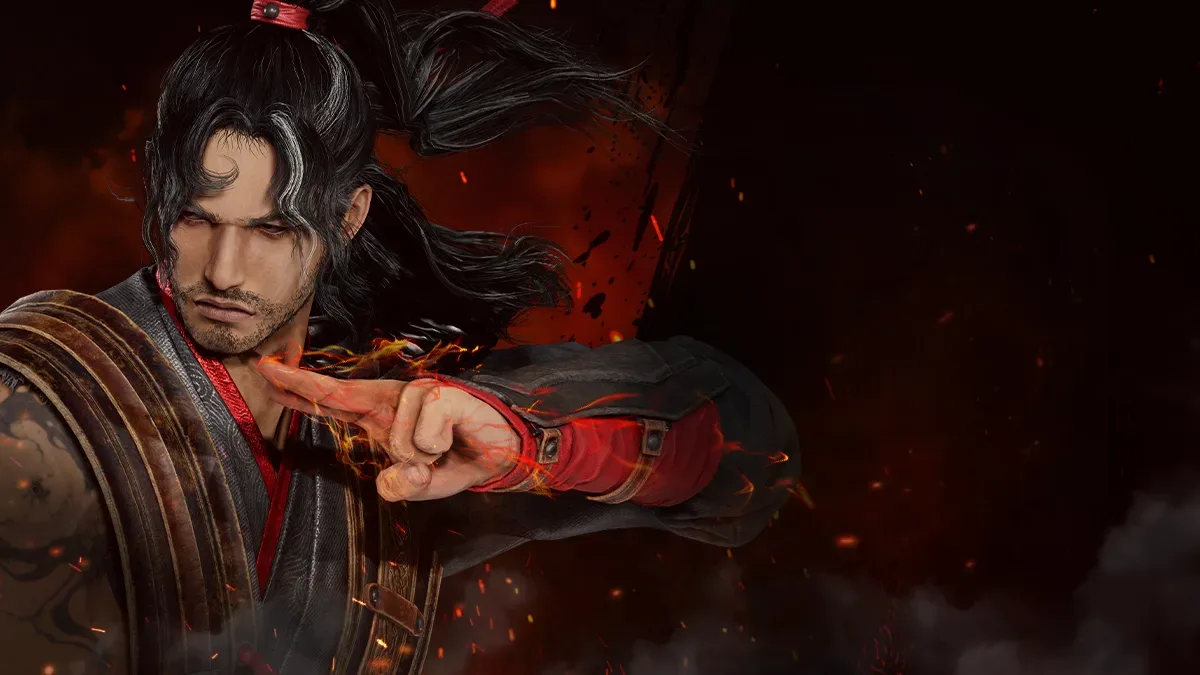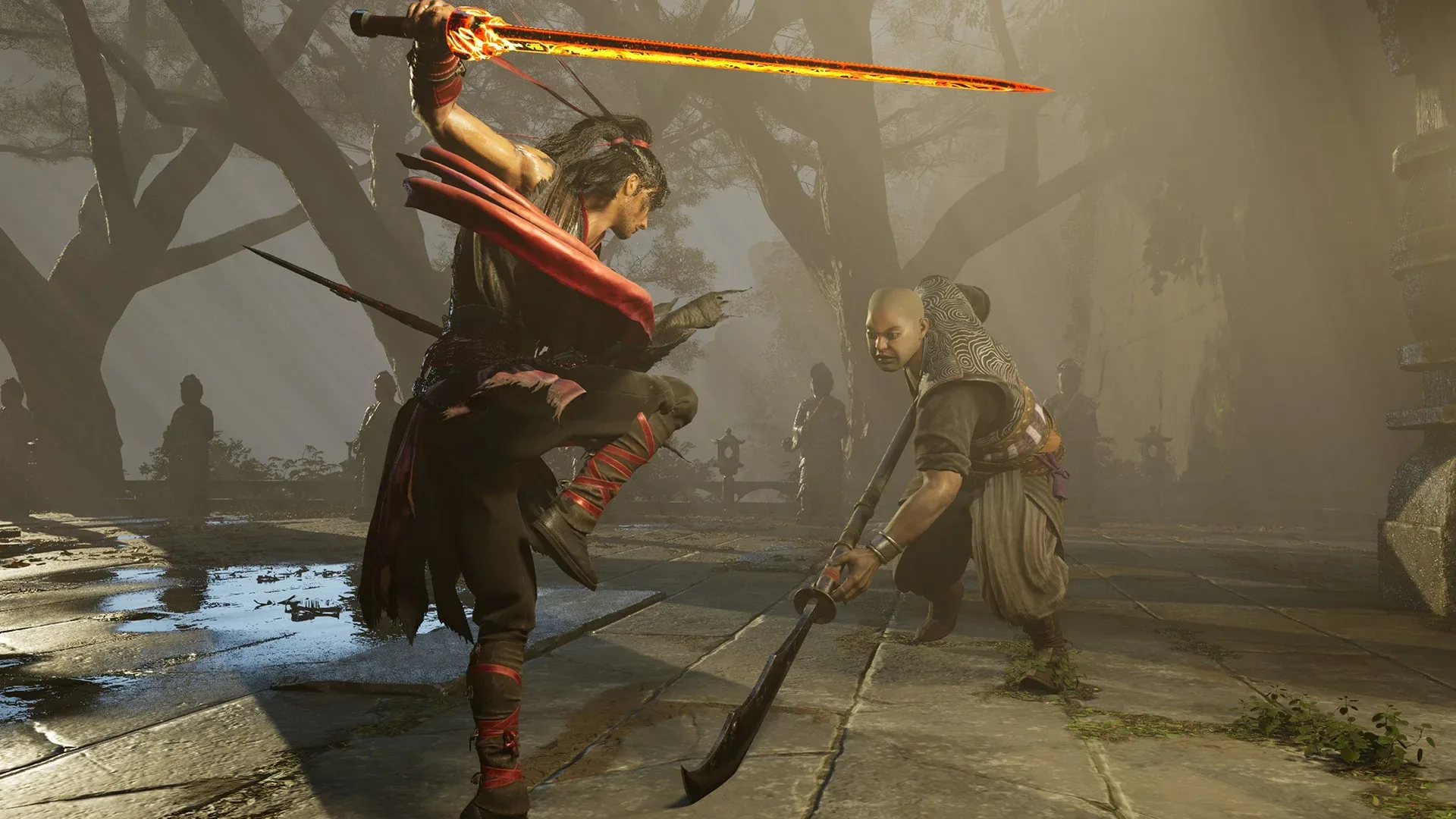
Burning Sword: Death Sun is scheduled to enter Steam Early Access on November 17, 2026, with a $19.99 price. The initial Steam release will already contain a substantial slice of the game: five handcrafted linear stages, five standard bosses, two secret bosses, character progression, a Hub area and an endless score-attack Arena Mode.
Nomadic Games and Rising Tide Publishing are also making the first day a competitive event for approved content creators. Creators who choose to opt in can livestream one Arena Mode attempt once the game unlocks at 15:00 UTC on November 17. The highest score recorded that day will earn $1,000.
That combination gives the Early Access launch two distinct audiences. Players who want a structured action-game campaign will have stages and boss encounters to work through, while players focused on mastery will have an immediate reason to engage with the game’s repeatable mode. It also means the first public streams may offer a useful early look at how the combat systems hold up when score, survival and execution are the focus rather than simply reaching an ending.
What the Early Access version includes
The planned Early Access build is described as complete in its initial form, rather than a narrowly limited demo. Its five stages follow a linear structure, although secrets sit away from the main route. That distinction matters: linear level design usually provides a deliberate sequence of encounters and environments, while optional detours give attentive players a reason to explore beyond the most direct path.
Seven bosses are included in total: five regular boss encounters and two hidden ones. Secret bosses are not simply extra enemies on a list; their presence suggests that discovering off-path content will be part of the game’s initial appeal. Details on the conditions for finding them have not been outlined, so players should not assume that every secret is available through a straightforward level-clear route.
The release also includes the game’s core combat tools:
- Power Gauge
- Ignite
- Quick Shot
- Qi Drain
- Three equipped skills
Specific mechanical rules for those systems have not been detailed, so it would be premature to assign exact effects or optimal strategies to each one. Still, their inclusion indicates that the Early Access combat suite is intended to be the full foundational system, not a temporary subset awaiting the game’s larger updates.
In practical terms, a Power Gauge commonly refers to a meter that changes during play and is spent, filled or managed for stronger actions; the announcement does not specify precisely how Burning Sword: Death Sun uses its gauge. Likewise, “equipped skills” implies that a player’s available toolkit can include a chosen set of three skills, but does not establish how many total skills are initially available or how they are unlocked. Those are the kinds of details that will determine how much room there is for different builds and play styles.
The Hub and character progression systems are also present from day one. A Hub generally serves as a central space connecting activities or advancement, while progression refers to the ways a character develops over time. Neither system has been fully broken down, but their inclusion is significant because it places the combat, campaign stages and Arena Mode within a broader advancement loop from the outset.
Arena Mode is the launch-day spotlight
Arena Mode is described as an endless, arcade-style score attack. In plain terms, the objective is not merely to finish a fixed mission. The mode is built around accumulating as high a score as possible, presumably through continued performance over an ongoing run. The precise scoring formula, enemy structure and failure conditions have not been provided.
For a combat game, score attack changes the incentives of play. A campaign player can often prioritize safety and completion. A score-focused player has to consider efficiency, consistency and any mechanics that affect points. The winning launch-day stream may therefore be less about seeing a final boss defeated and more about seeing which creator can make the best use of Burning Sword: Death Sun’s complete combat kit under pressure.
That is why the contest’s single-run condition is notable. Eligible creators who opt in will be asked to stream one run after Steam unlocks. The event is not framed as an open-ended period of practice followed by a later submission, and the highest score of the day takes the prize. The result should make the competition easy for viewers to follow, while placing a premium on delivering a strong performance when the attempt counts.
The team plans to be active in the event chats. That does not necessarily mean live technical support or rules adjudication beyond what organizers establish, but it does put developers in direct proximity to early creator feedback and community reaction. A launch built around a visible score board can quickly reveal which actions, skills or approaches players see as powerful, satisfying or difficult to execute.
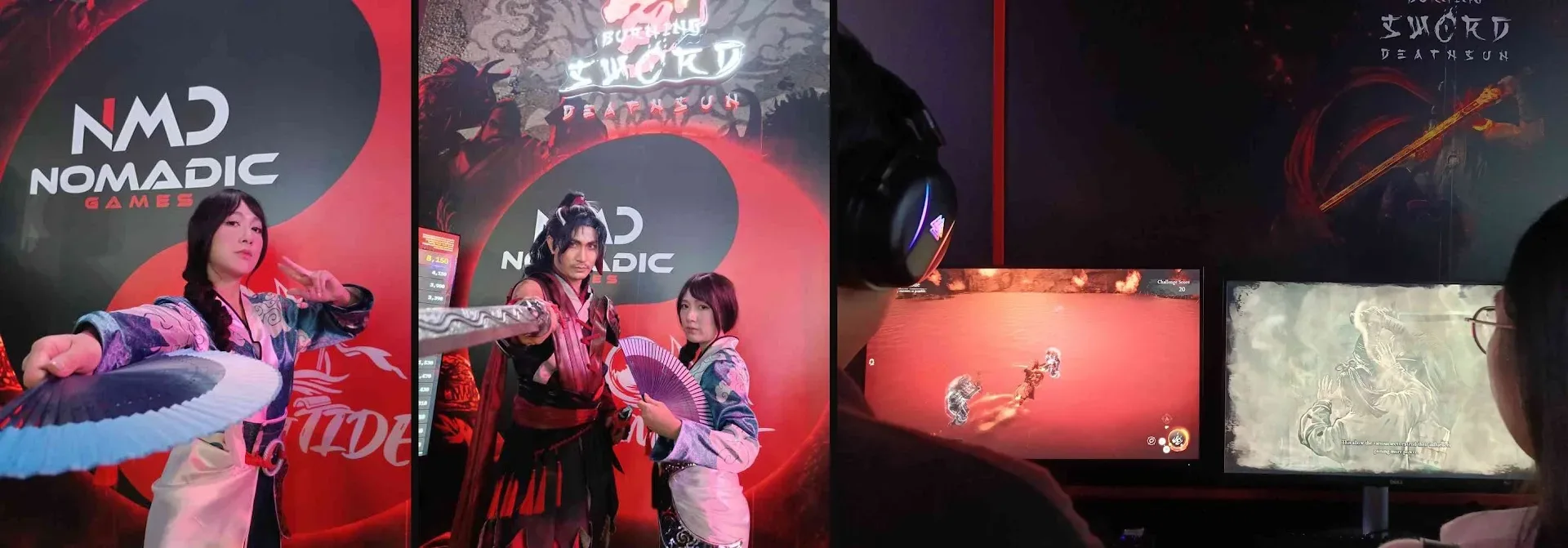
The game had already put Arena Mode in front of an in-person audience at Gamescom Asia x Thailand Game Show, held from October 29 through November 1 at QSNCC in Bangkok. Visitors could try the Early Access content, and hundreds took part in an Arena Mode contest using a live scoreboard. The leading player at the booth received a physical Burning Sword and a cash award.
That earlier event makes the Steam competition feel like an expansion of an existing format rather than an entirely new launch gimmick. The difference is that the November 17 contest shifts the focus to accepted creators and a livestreamed single-run format, with a stated $1,000 award for the day’s top score.
Who can enter, and what creators should know
The $1,000 Arena event is for accepted content creators. Review-key requests will be considered through launch, and creators can ask for access without joining the contest. The competition requires a separate opt-in, which is an important distinction for anyone interested in covering the game but not interested in placing a public score attempt under event conditions.
No broader eligibility rules, scoring tie-break procedures or platform-specific stream requirements were included in the announcement. Creators who want to take part should therefore treat the stated arrangement as the confirmed baseline: request access, be accepted, opt in to compete, livestream one Arena run after the game unlocks, and seek the highest score on November 17.
For viewers, the structure has a simpler appeal. Arena score-attack events are immediately legible even when a game is new: a run continues, the score rises, errors cost momentum, and the leaderboard decides who leads. The absence of a long qualification phase should also concentrate attention on the actual launch window rather than spreading it across a prolonged tournament schedule.
Burning Sword: Death Sun is not alone in using a major gameplay mode to shape ongoing discussion around a release; action-game communities often respond strongly to repeatable challenges, bosses and evolving content roadmaps. For another recent example of a game adding a permanent PvE activity and a boss encounter, see coverage of Marathon’s Symbiosis update.
The roadmap points beyond the five-stage launch build
The Early Access version is only the starting point for Burning Sword: Death Sun’s intended scope. Nomadic Games plans to add stages, bosses and skills through regular updates, with a development log accompanying each update. A devlog is a developer-facing progress update: it can explain what has been added, what is changing and, depending on its format, offer context for decisions made during development.
The full version is being developed around five chapters and 12 handcrafted stages. Its boss roster is intended to include nine named bosses, among them Gao Tianqi, alongside two secret bosses and numerous elite minibosses. The wording describes development plans, not content currently confirmed as playable in the November Early Access build, so prospective players should separate the initial seven-boss offering from the larger target roster.
That distinction is especially relevant for Early Access buyers. The $19.99 launch version has a defined amount of available content and a stated direction for expansion, but the precise timetable for individual stages, skills or bosses has not been provided. “Regular updates” signals an intention to support the game consistently; it does not set a fixed release calendar.
There is a clear design logic in the roadmap, however. More stages can expand the structured campaign side of the game. Additional bosses and elite minibosses can create new combat tests. More skills can broaden the possible combinations around the three equipped slots. And Arena Mode gives the existing systems a repeatable home while that expansion happens.
For players deciding whether to enter Early Access immediately, the key question is therefore less about whether there is content on day one—the announced build has five stages, seven bosses and an endless mode—and more about whether they want to follow the game as its five-chapter, 12-stage plan takes shape. For creators, the nearer-term question is more direct: whether to make that first Arena run count when the Steam version goes live at 15:00 UTC on November 17.