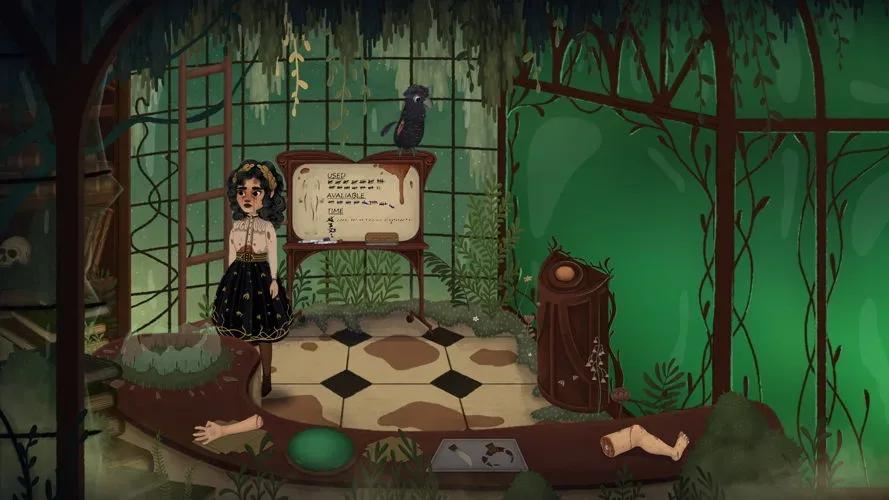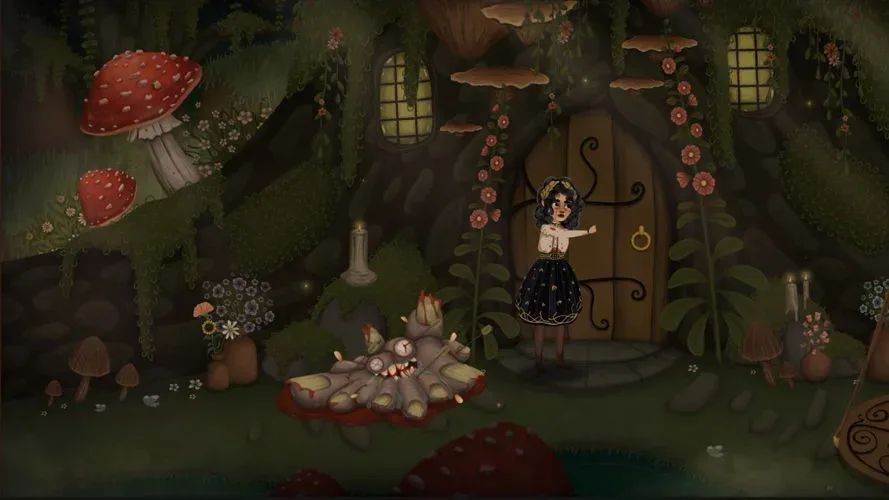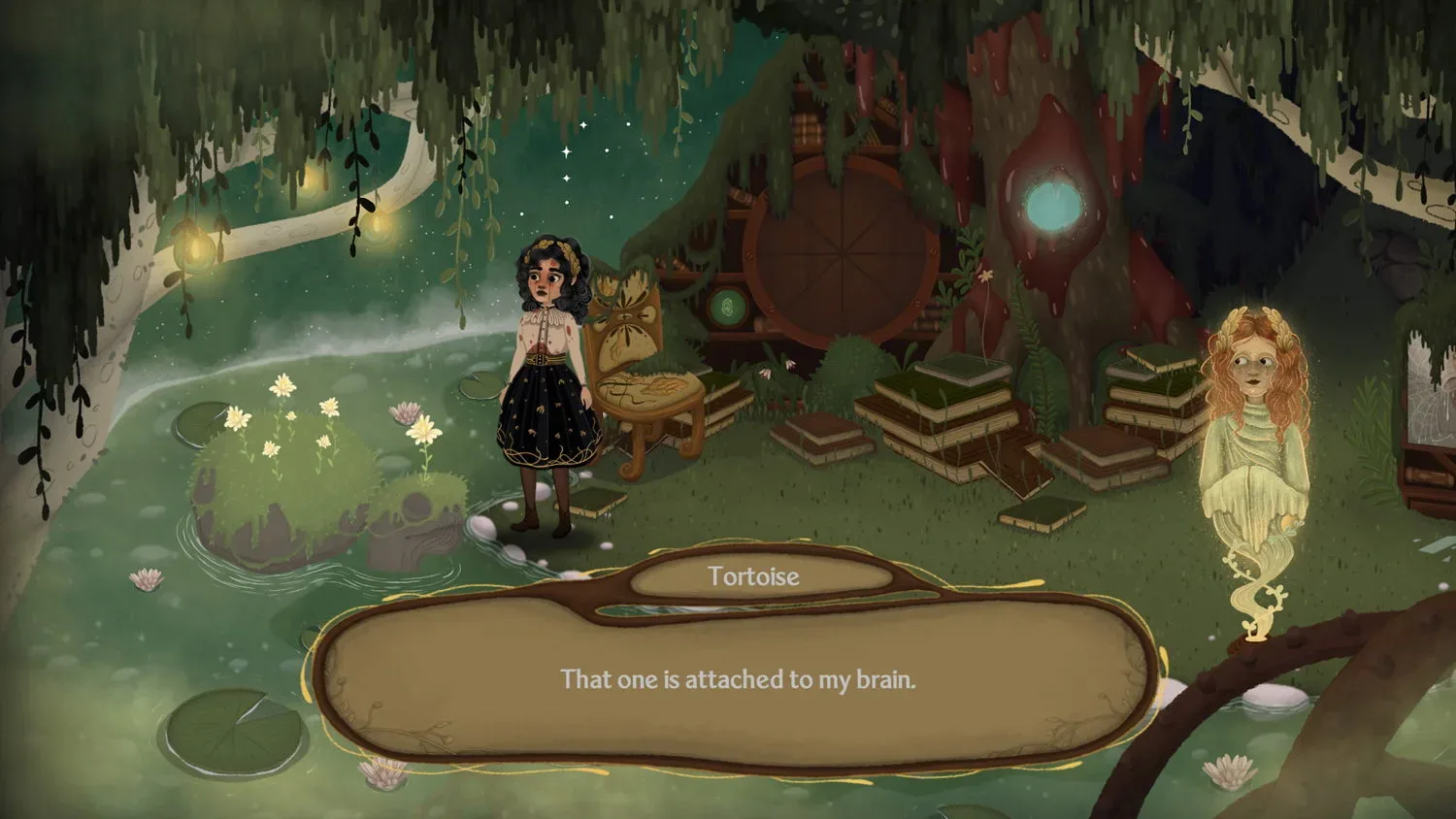
Allogloom, the hand-painted point-and-click mystery adventure from solo developer Kate, also known as Galactic Ghosty, is set to launch on Steam on October 13, 2026. Published by Iceberg Interactive, the game follows Nora as she investigates the unnerving town of Gruesome Grove—a place marked by missing residents, curious relics and a particularly ominous warning: the moths are watching.
The release is planned for Steam, and a free demo is already available ahead of the full game. That demo offers players an early look at a project built around illustrated environments, character-led investigation and horror that appears designed to creep in around the edges of a more inviting adventure-game surface.
Nora’s mystery spans eight chapters and six connected worlds
Allogloom is structured as an eight-chapter story set across six interconnected worlds. The central setting is Gruesome Grove, where Nora gathers clues and studies odd artifacts left behind by residents who have vanished. The stated setup suggests an investigation with a deliberately strange emotional texture: a familiar adventure-game goal—work out what happened—filtered through an environment where the rules, history and even the level of danger may not be immediately clear.
“Interconnected worlds” is an important phrase for prospective players, though it should not be read as a promise of an open-world game. In this context, it indicates that the adventure has multiple locations or realms that relate to one another. In point-and-click games, that arrangement can make observation especially valuable: a person, object or piece of information discovered in one area may give new meaning to something previously encountered elsewhere.
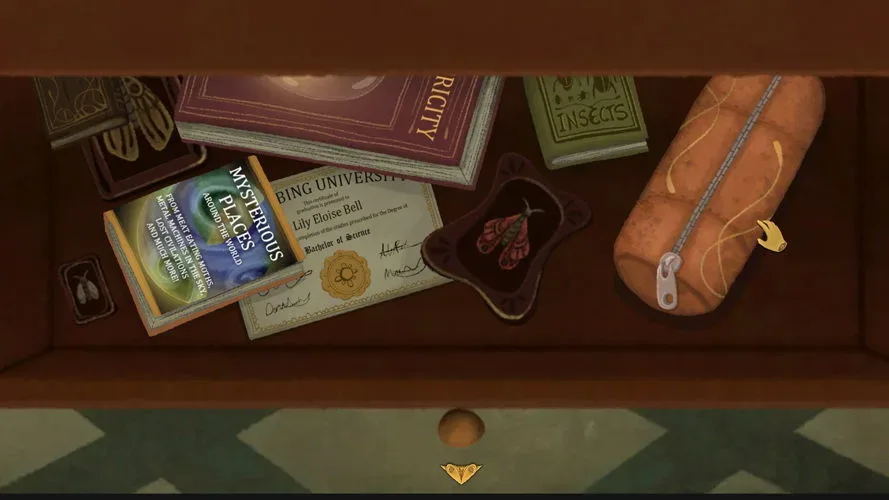
The announcement specifically frames the game around examining relics, speaking with characters and following the town’s lore. That puts the emphasis on investigation rather than reflex challenges. Nora’s progress is expected to come from paying attention to the people and places around her, then using what she learns to make sense of the wider mystery.
What “point-and-click” means here
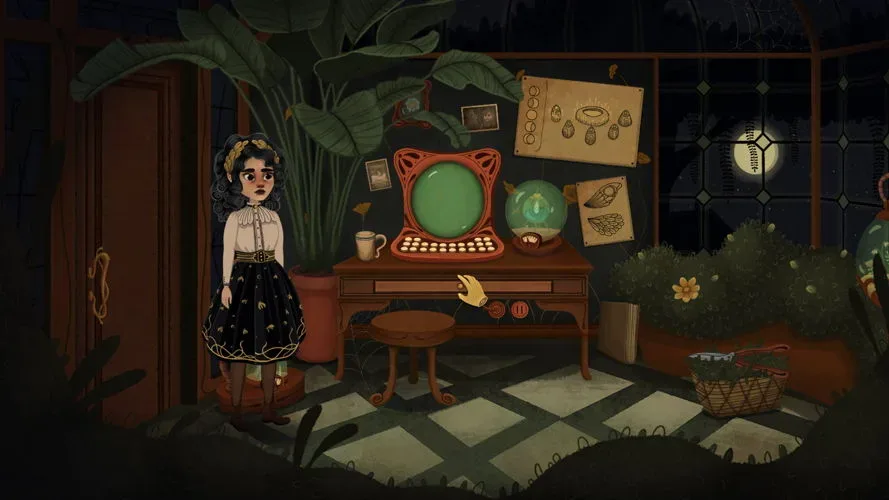
Point-and-click adventures are games primarily driven by selecting places, objects and characters to inspect or interact with. Rather than demanding fast combat inputs, they commonly ask players to read visual details, connect narrative information and solve contextual puzzles. The genre can encompass a broad range of systems, but Allogloom’s announced priorities are clear: exploration, meaningful interactions, lore and close observation.
That matters because puzzle design can radically alter the mood of an adventure. Allogloom’s puzzles are described as being integrated into the town and its inhabitants, and as rewarding curiosity instead of trial-and-error. In practical terms, that implies solutions are intended to follow from the game’s fiction: learning why an item matters, recognizing an environmental clue or understanding a character’s concern should be more useful than blindly trying every possible interaction.
It is a notable ambition for a mystery. A puzzle that is rooted in local lore can do two jobs at once: it creates an obstacle to solve, while also revealing something about the setting. For players, the potential benefit is that investigating the story should feel connected to progression rather than separate from it. The important caveat is that the full balance of difficulty, guidance and accessibility will only be clear once the complete eight-chapter game is available.
Related coverage includes Allogloom Brings Hand-Painted Mystery to Steam on 13 October 2026.
A cozy surface with horror underneath
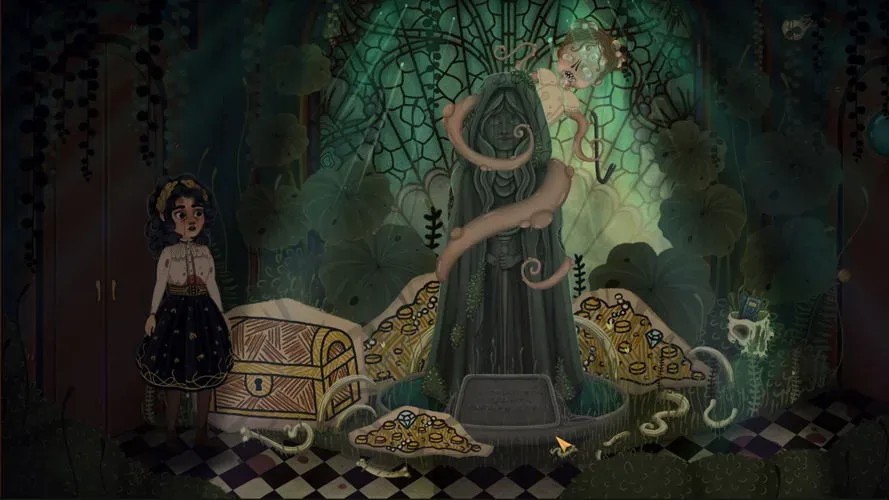
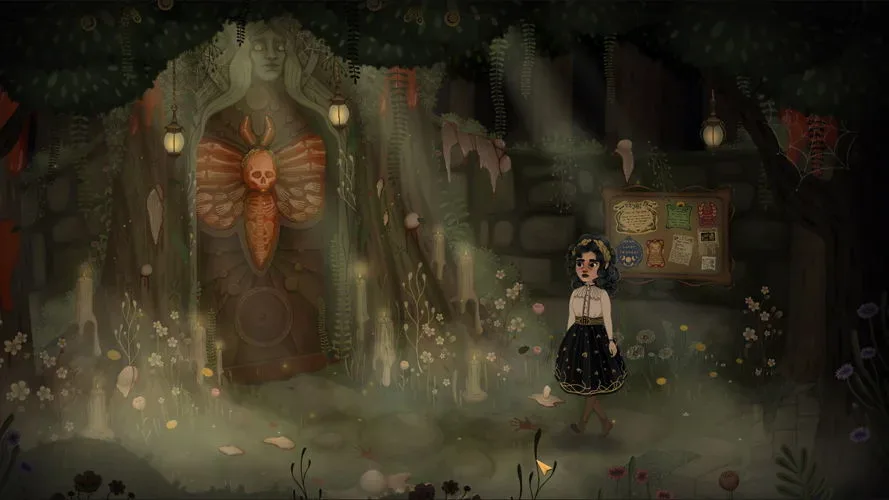
Allogloom’s identity rests on its contrast of whimsy and unease. The game is described as cozy and character-driven, but its tone also includes dread, gore and surreal turns. That combination is not simply an aesthetic label. It suggests Gruesome Grove may invite players to linger over its art and inhabitants before destabilizing that comfort through what they discover.
The fully hand-painted presentation is central to that effect. Hand-painted visuals generally mean the game’s scenes are created to resemble illustrated artwork rather than relying on a strictly realistic visual approach. For a mystery with alternate realities, forgotten relics and watching moths, that style can make every screen part of the storytelling: colors, object placement and small environmental details can all contribute to the feeling that the town has secrets worth inspecting.
Player responses to the demo have focused on precisely that mixture. Comments highlighted the atmosphere, art direction, lore and world-building, while also noting the way uncomfortable imagery and startling moments interrupt the game’s more whimsical qualities. One player compared its unsettling, mysterious feel favorably to Fran Bow; another said the demo became increasingly disturbing once it began to feel comfortable. These are individual reactions, not a guarantee that every player will respond the same way, but they do align with the project’s stated horror-adventure direction.
A further demo response praised the visuals and said the ending left them wanting more. For a narrative game, that kind of reaction is significant in a limited sense: a demo does not establish how the complete story will resolve, but it can show whether a premise has enough pull to make a player want to continue. Allogloom’s pre-release material appears focused on creating that pull through questions rather than answers.
Why the demo is worth approaching as an introduction, not a verdict
The free Steam demo is the most direct way to gauge whether Allogloom’s particular blend of investigation and horror suits an individual player. It can establish the game’s interface, visual language and early storytelling pace, while giving a first impression of how interactions and puzzle clues are communicated.
At the same time, a demo can only represent part of an eight-chapter adventure. The complete game is the version expected to deliver the full arc across all six worlds, reveal the meaning behind the vanished residents and develop the moth-related mystery. Players who want to avoid early narrative details may prefer to keep their experience to the official premise; players weighing the game can use the demo to see whether its hand-painted art and patient investigative approach click for them.
There is also a broader practical distinction between an atmospheric mystery and a puzzle game built around friction. The available information positions Allogloom on the side of observation-led progress. That does not mean every solution will be obvious, nor does it establish a specific difficulty level. It does mean the stated design philosophy favors noticing and interpreting the world over random experimentation—a reassuring prospect for players who enjoy stories where clues feel motivated by the setting.
What is confirmed before launch
- Release date: October 13, 2026.
- Platform: Steam.
- Developer: Kate (Galactic Ghosty), working as a solo developer.
- Publisher: Iceberg Interactive.
- Story scope: Eight chapters across six interconnected worlds.
- Protagonist and setting: Nora investigates Gruesome Grove, its missing residents and their strange relics.
- Design focus: Hand-painted environments, character-driven exploration, meaningful interactions and lore-based puzzles.
- Pre-release access: A free Steam demo is available.
Allogloom arrives amid a steady stream of PC releases—our September 30 games release roundup reflects just how crowded the wider release calendar can be—but its illustrated point-and-click format and deliberately uneasy atmosphere give it a distinct hook. Its success will ultimately depend on whether Gruesome Grove’s clues, characters and six worlds sustain the intrigue introduced by the demo.
For now, the essentials are straightforward: Allogloom brings Nora’s eerie investigation to Steam on October 13, 2026, with a free demo available for anyone curious about its hand-painted world and the mystery waiting behind its moths.