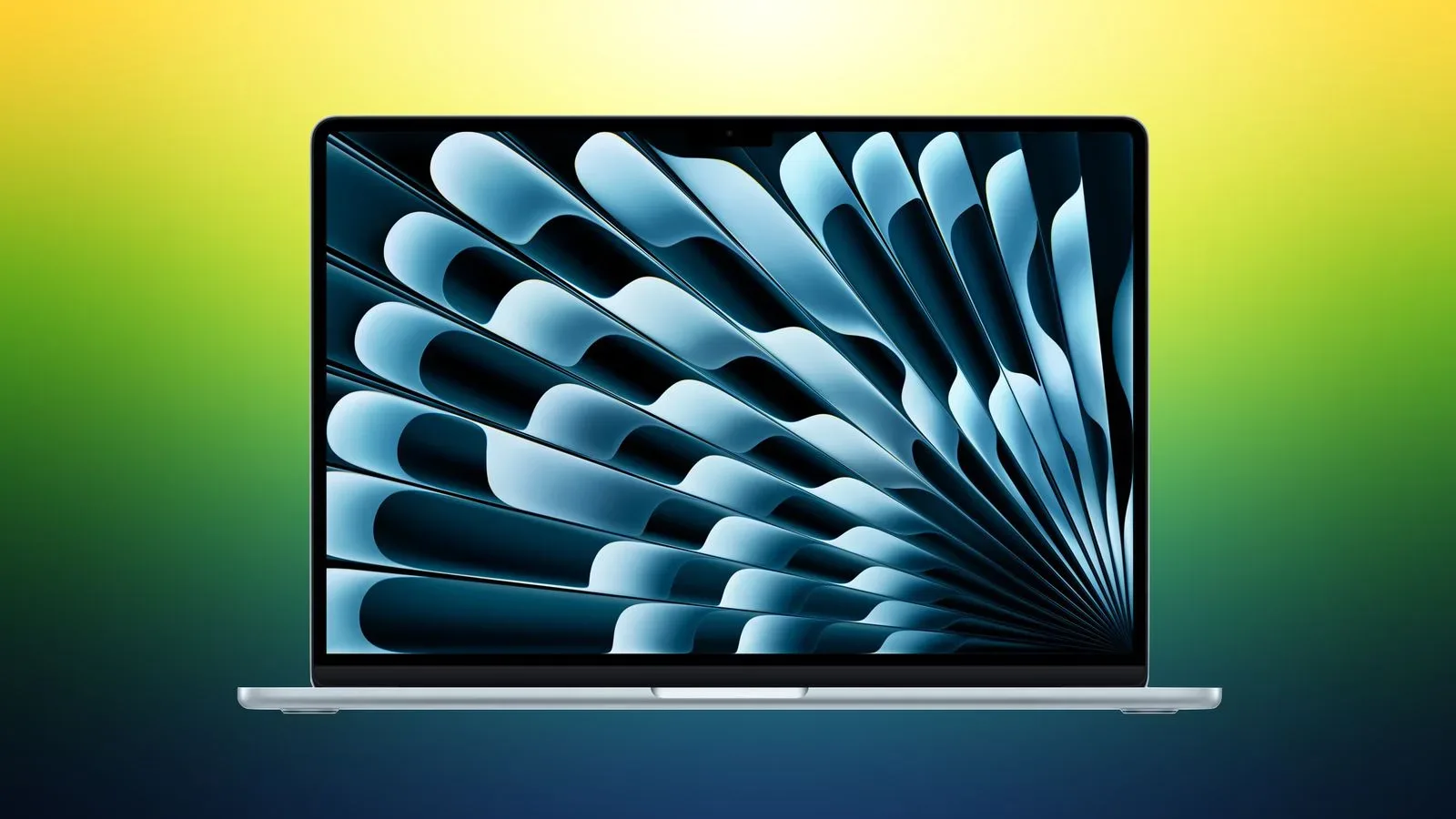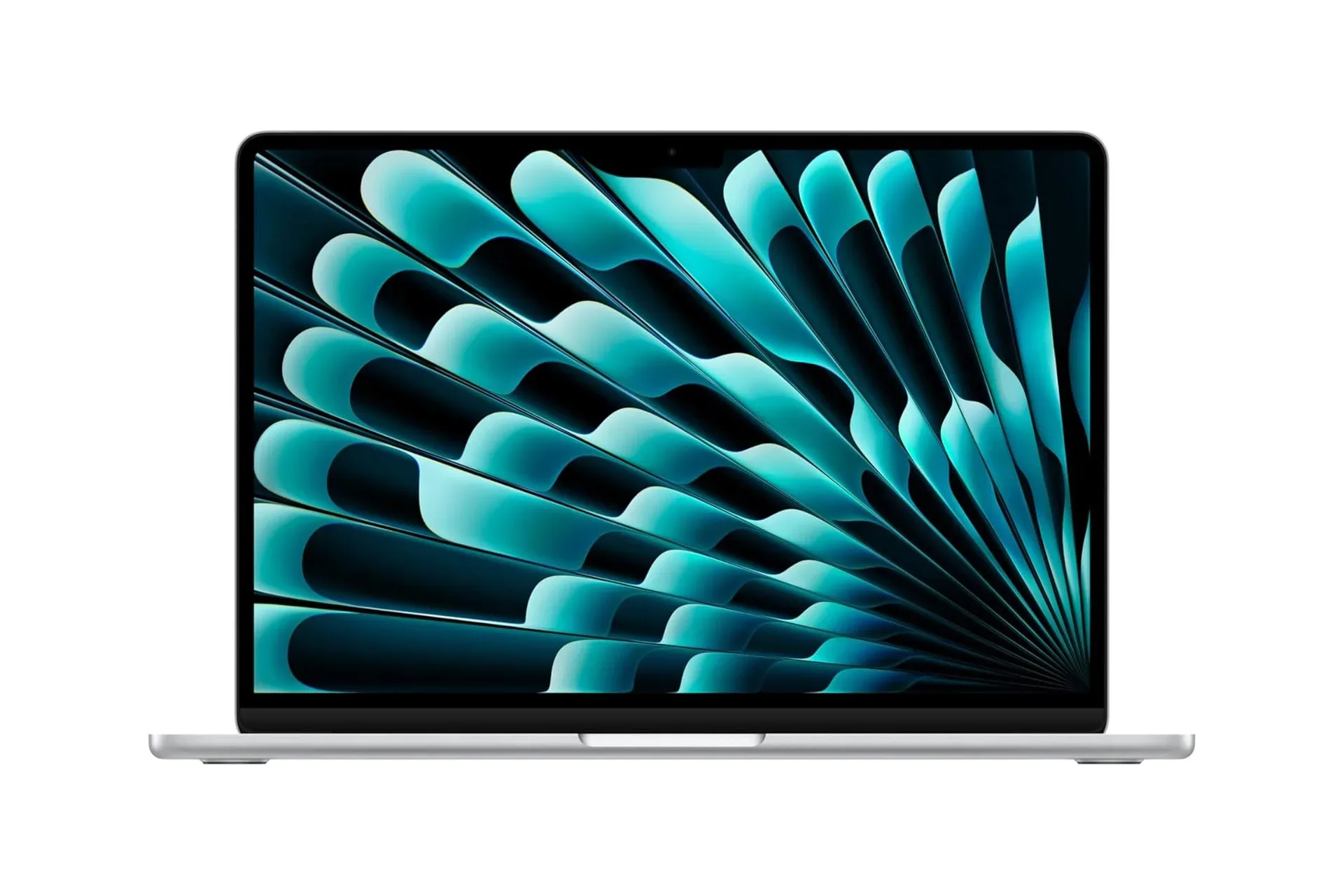
The 2026 13.6-inch MacBook Air with Apple’s M5 chip is listed at reduced prices in three configurations, giving buyers a meaningful choice between lower upfront cost, extra internal storage, and more memory. The stated savings range from $150 to $200, or as much as roughly 13% off the listed usual price.
The important part is not merely that the MacBook Air is cheaper. It is that each discounted option makes a different compromise permanent. Internal storage and unified memory are the specifications most likely to shape how comfortable the laptop remains for its owner over time, particularly because the configurations here pair the same M5 chip with different RAM and SSD capacities.
The three discounted MacBook Air configurations
- 16GB memory / 512GB SSD: listed at $1,149, down $150 from $1,299.
- 16GB memory / 1TB SSD: listed at $1,399, down $200 from $1,599.
- 24GB memory / 1TB SSD: listed at $1,649, down $150 from $1,799.
The entry configuration is the least expensive route into this version of the MacBook Air. The middle model adds 512GB of storage for $250 more than the discounted 512GB model. The top configuration retains the 1TB SSD and raises memory from 16GB to 24GB for another $250.
Those step-ups make the decision relatively clear in practical terms: people who need to keep more files locally are looking at the 1TB version, while people who expect to keep more applications and tasks active at once have the additional 24GB option. Neither upgrade changes the stated 13.6-inch form factor, display description, camera, or quoted battery estimate.
What RAM and SSD capacity actually change
RAM, or random-access memory, is the fast working space a computer uses while apps and documents are open. More RAM can be useful when a person regularly switches among many browser tabs, communication apps, documents, photos, and creative projects. The listings describe the M5-based Air as capable of fluid multitasking and responsive creative workflows; the 24GB configuration is the option aimed at buyers who want more headroom within that use case.
SSD means solid-state drive, the internal storage used for macOS, applications, photos, videos, documents, and other files. The practical distinction between 512GB and 1TB is capacity, not a different laptop category. Someone who stores a large photo library, video files, or substantial project folders on the machine may find 1TB easier to live with. Conversely, a buyer whose files mostly live elsewhere may prioritize the lower $1,149 price.
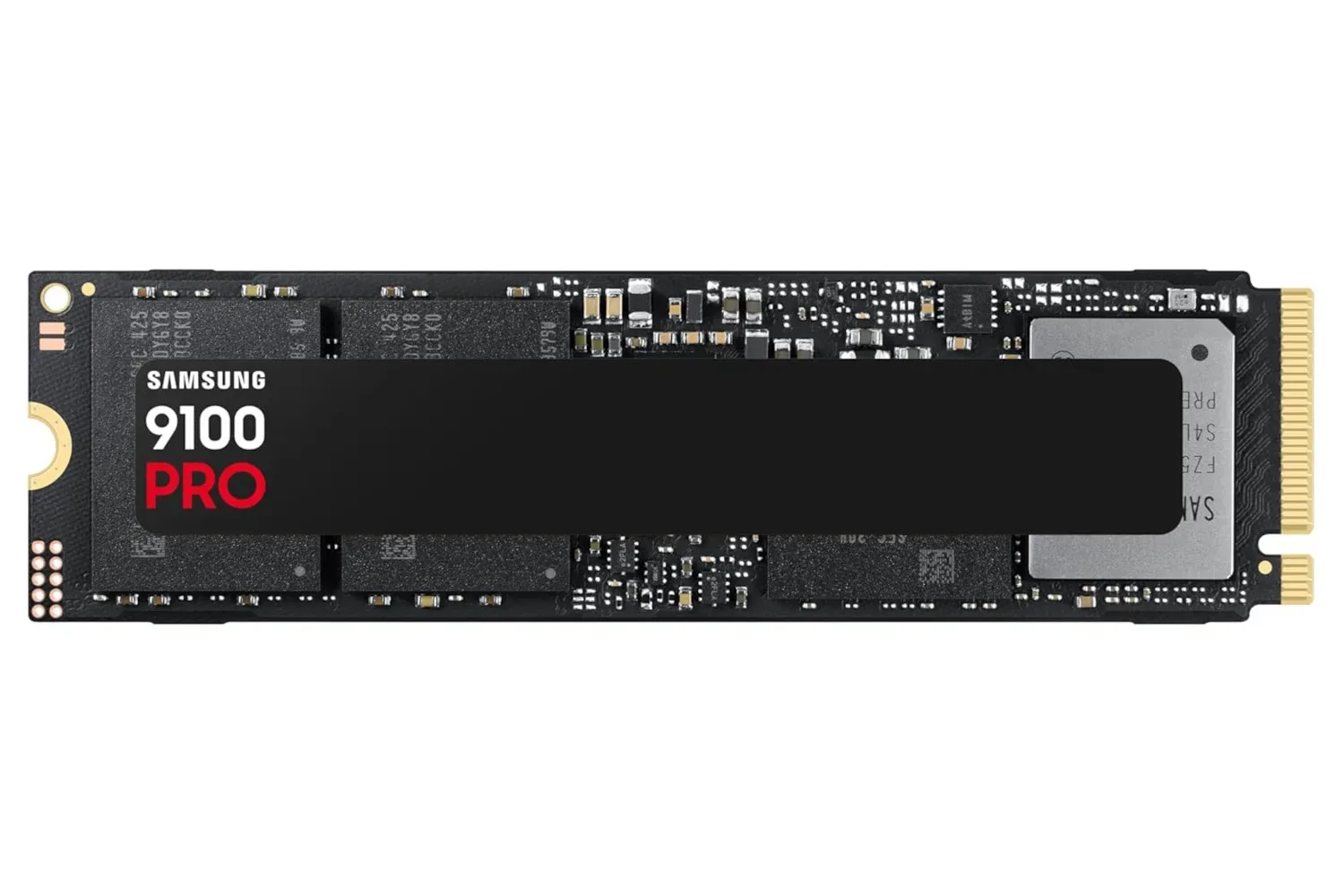
The storage question is especially worth settling before purchase. A discounted 1TB model is still a higher initial outlay than the 512GB version, but it may better suit a workflow involving locally held media. For broader SSD context, our coverage of the Samsung 9100 Pro 1TB SSD listing explains why capacity is often a key consideration when people are comparing storage options.
What the 13.6-inch M5 Air is positioned to do
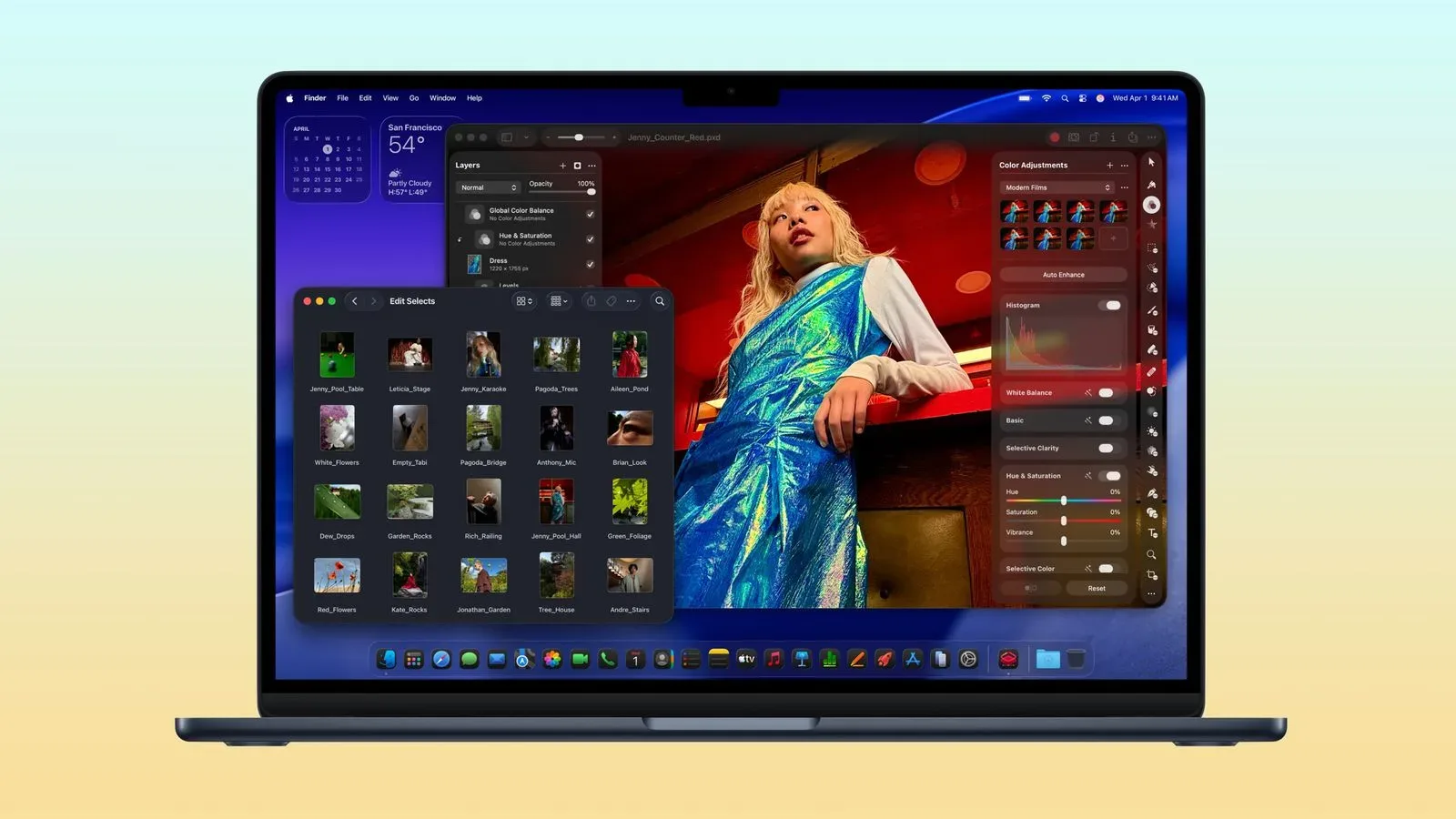
The 2026 MacBook Air is presented as a laptop for routine work and school activities: drafting documents, web browsing, email, and general day-to-day computing. It is also described as suitable for lighter entertainment and light photo or video editing. The M5 chip is credited with maintaining smooth app performance, multitasking, and creative work in those lighter-duty scenarios.
That positioning matters for prospective buyers arriving from gaming hardware coverage. This is not described as a gaming-focused laptop or a substitute for a dedicated gaming rig. A person shopping specifically for demanding games should not assume that a thin, general-purpose MacBook Air fills the same role as a machine selected around gaming requirements. Its stated strengths are portability-oriented everyday work, media use, and modest creative activity.
For a student, the 16GB/512GB model may be the straightforward fit if coursework centers on browser-based tools, writing, research, communication, and ordinary files. The 16GB/1TB version has the same memory allocation but gives more local room for photos, videos, and documents. The 24GB/1TB version is the more capacious choice among the three for someone combining frequent multitasking with more demanding light creative work.
Battery, display and camera: the shared specifications
All of the listed choices are the 13.6-inch MacBook Air with the M5 chip, so buyers weighing the three offers are chiefly making a memory-and-storage decision rather than comparing entirely different machines.
The quoted battery life is up to 18 hours on a full charge. “Up to” is an estimate rather than a guarantee for every task, but it frames the laptop as one intended to cover a work or school day without necessarily needing its charger. Battery results will naturally depend on what someone is doing, so the figure is best treated as a ceiling under the conditions behind that estimate.
The laptop has a 13.6-inch Liquid Retina display said to support one billion colors. In plain terms, the display is positioned for detailed text and richly colored photos and video. That is relevant to the product’s stated mix of everyday productivity and light image or video work: readable documents matter just as much as color presentation for the people likely to consider an Air.
For calls, the laptop includes a 12MP front-facing camera with Center Stage. Center Stage is described as a feature that keeps the user centered in the frame while they move around. That can be useful for video chats in which a person is not seated perfectly still, although it is not a reason on its own to move between the three configurations because each of them shares the same stated camera feature.
How to read the discounts
The biggest dollar reduction belongs to the 16GB/1TB model: $200 off its stated $1,599 usual price, placing it at $1,399. That does not automatically make it the best buy for everyone. The right comparison is the total amount a buyer is prepared to spend and the amount of storage they actually expect to use.
The $1,149 16GB/512GB model is $250 below the discounted price of the 16GB/1TB model. Buyers who do not anticipate needing the additional 512GB may reasonably prefer that lower purchase price. Buyers who know that photos, video, and other files will accumulate on the laptop have a concrete reason to consider the 1TB tier instead.
Moving from the discounted 16GB/1TB configuration to the 24GB/1TB configuration costs $250. That premium buys additional memory while preserving the 1TB SSD. It is therefore less about keeping a larger file collection and more about choosing extra capacity for simultaneous applications and multitasking.
A simple way to narrow the choice
- Start with local storage needs: choose between 512GB and 1TB based on the files expected to live on the laptop.
- Then consider workload: 16GB is offered on the two lower-priced configurations, while 24GB is reserved for the 1TB option.
- Finally, compare that requirement with the discounted total, rather than judging the deal only by the percentage reduction.
There is no evidence here that one configuration has a better display, camera, battery estimate, or processor than another. The listed differences are deliberately narrow. Buyers can focus on their own storage and multitasking needs instead of trying to decode a long list of unrelated feature changes.
Bottom line on the listed offers
Amazon’s stated pricing makes the 2026 13.6-inch MacBook Air M5 less expensive in all three configurations. The 16GB/512GB version reaches the lowest price at $1,149. The 16GB/1TB version has the largest stated discount at $200 off, landing at $1,399. The 24GB/1TB configuration is $1,649 after a $150 reduction for buyers who want both 1TB of storage and more memory.
For the work, study, browsing, communication, entertainment, and light creative uses described for the laptop, the deal is most useful when the chosen configuration fits the owner’s files and multitasking habits from the start. The M5 chip, up-to-18-hour battery claim, 13.6-inch Liquid Retina screen, and 12MP Center Stage camera are shared foundations; the purchase decision comes down to how much room the buyer wants for active work and local data.
Shop the products
Check current price, model and availability at the retailer.