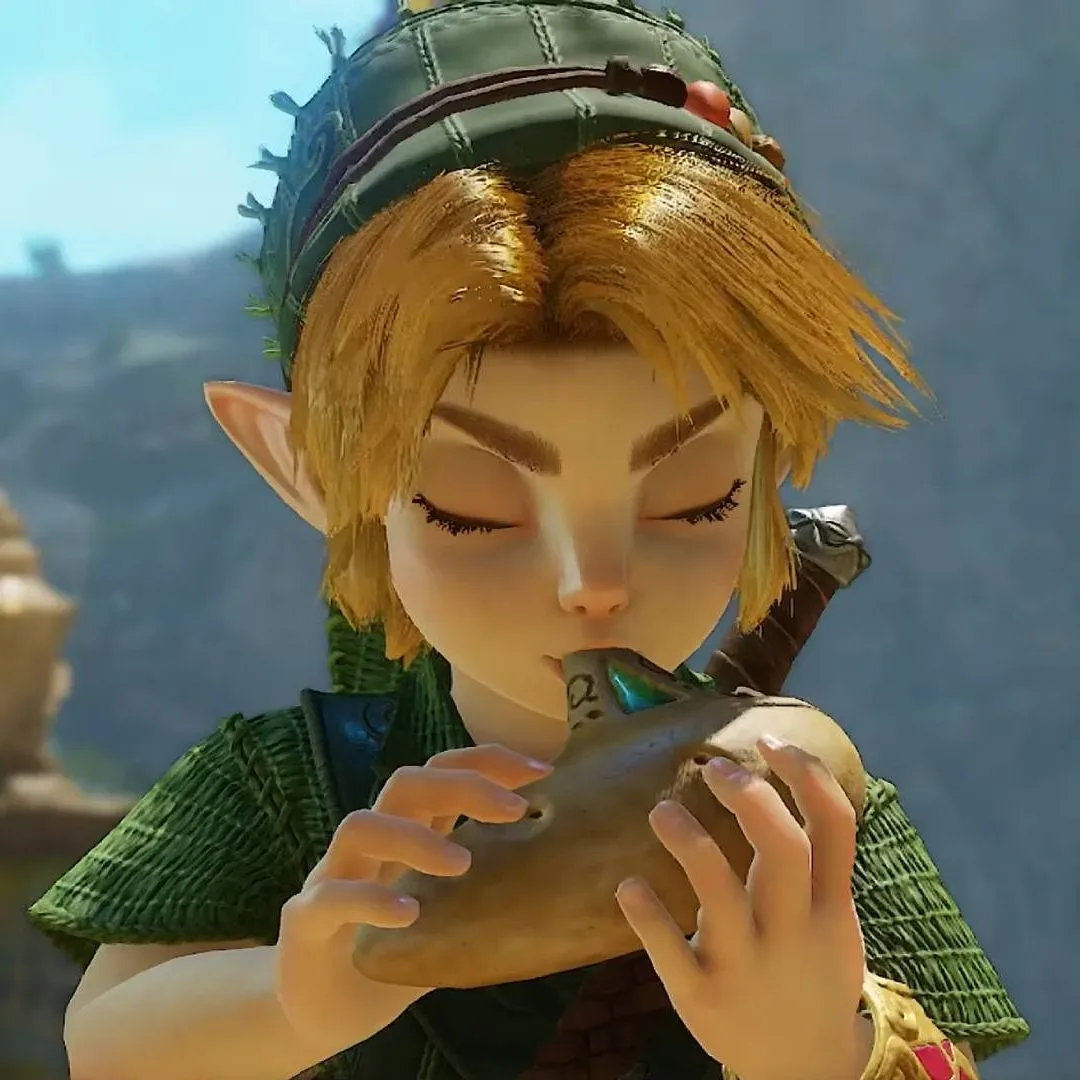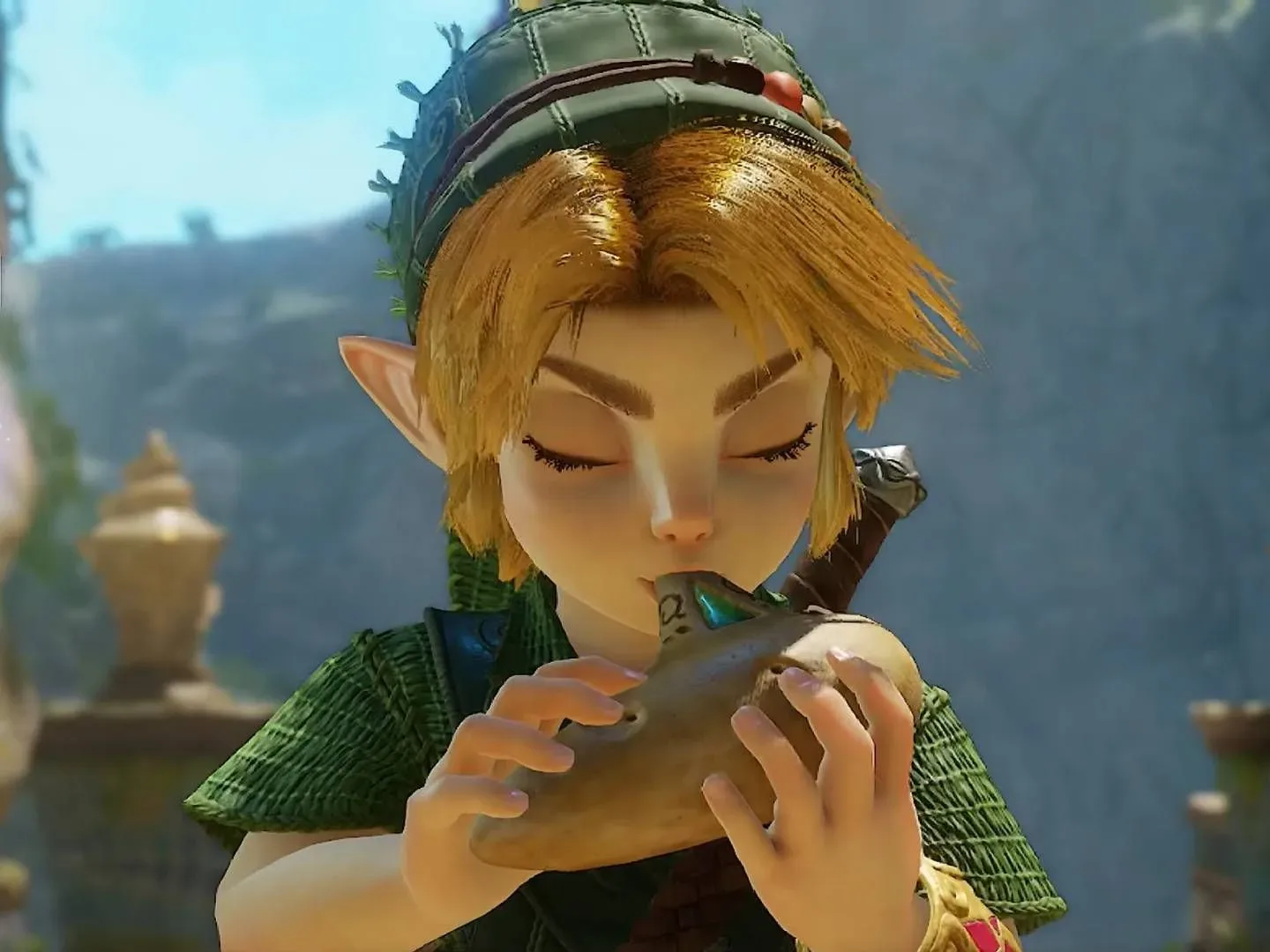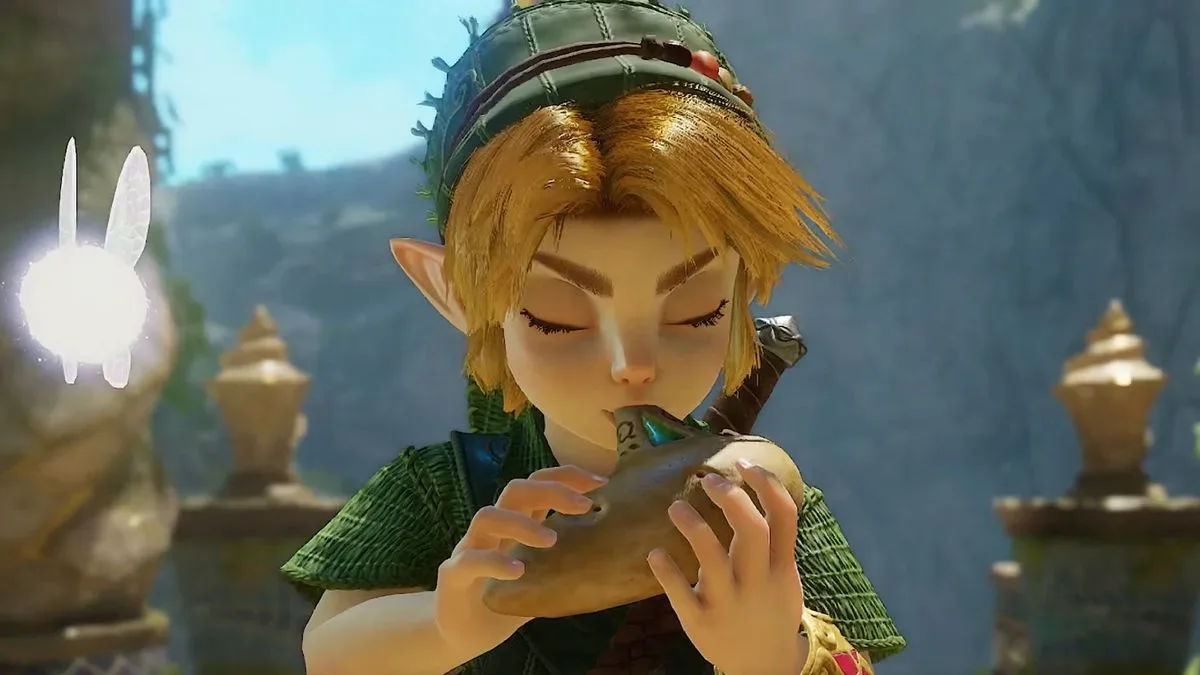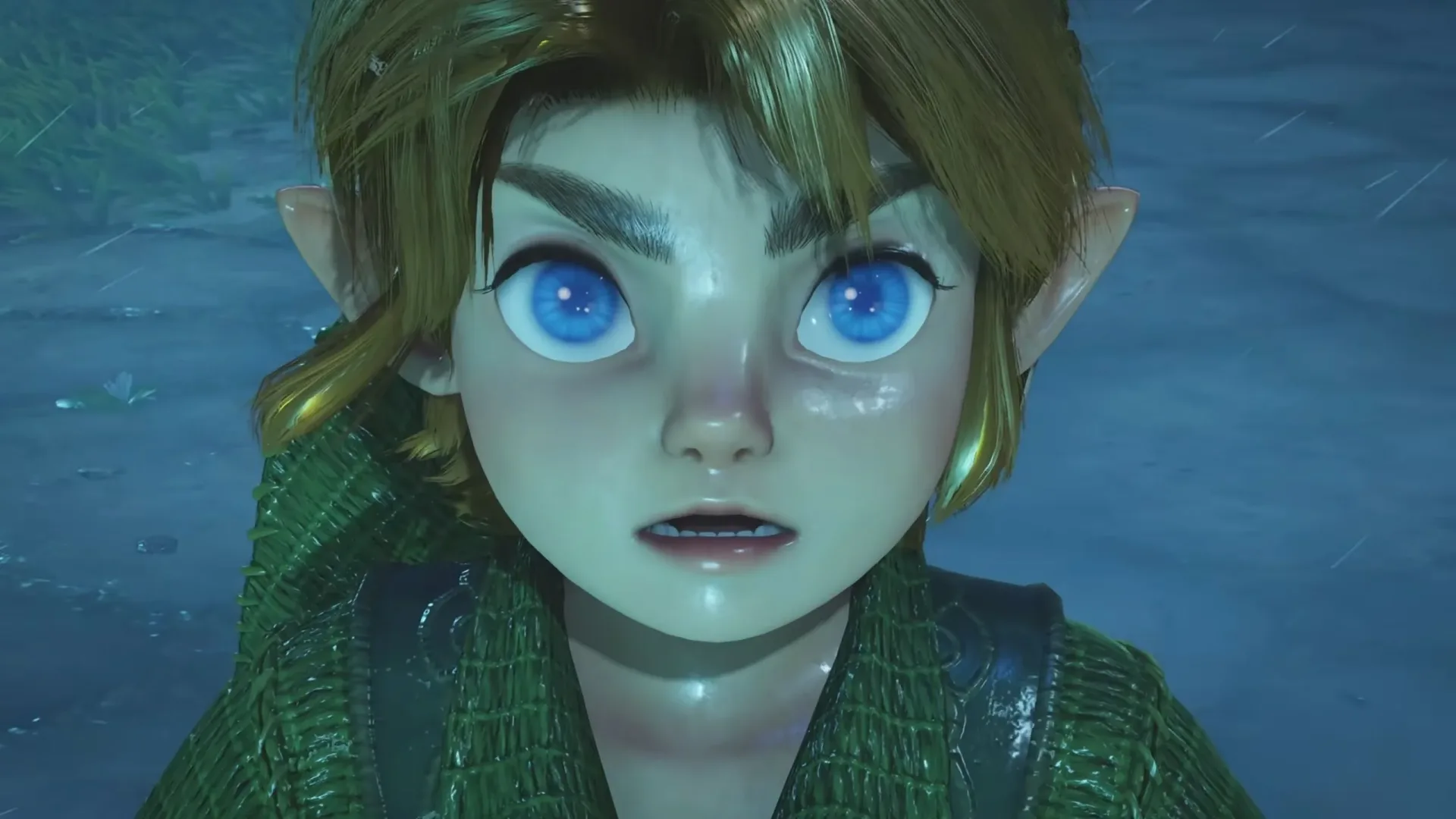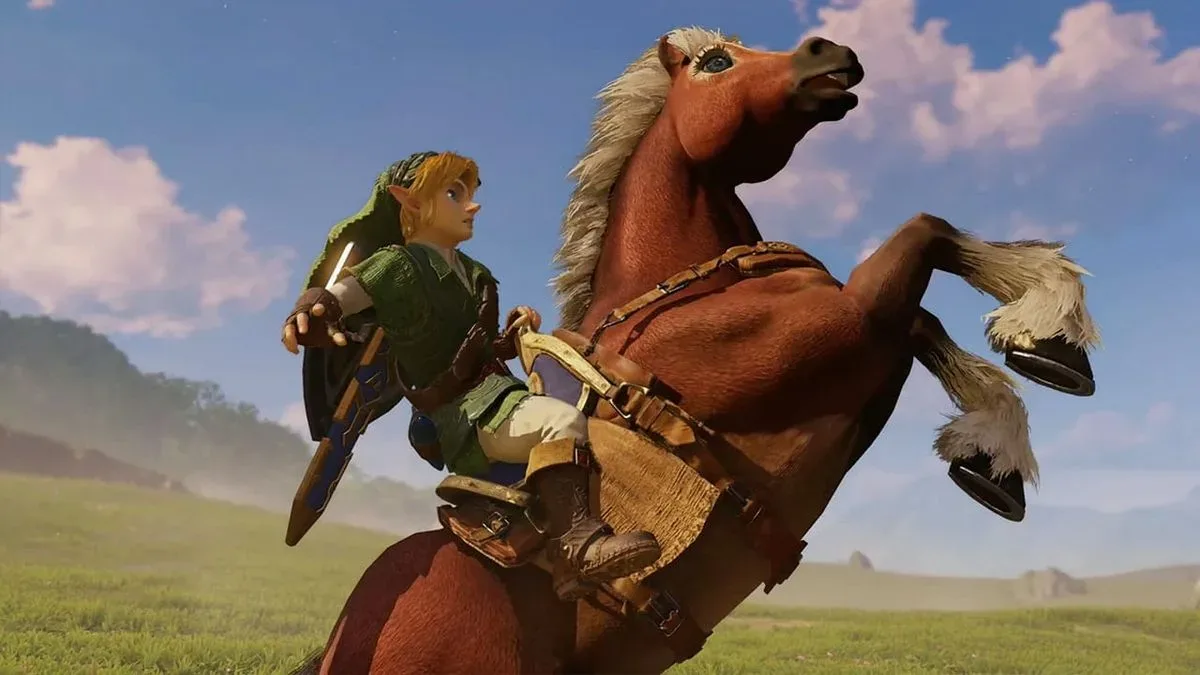
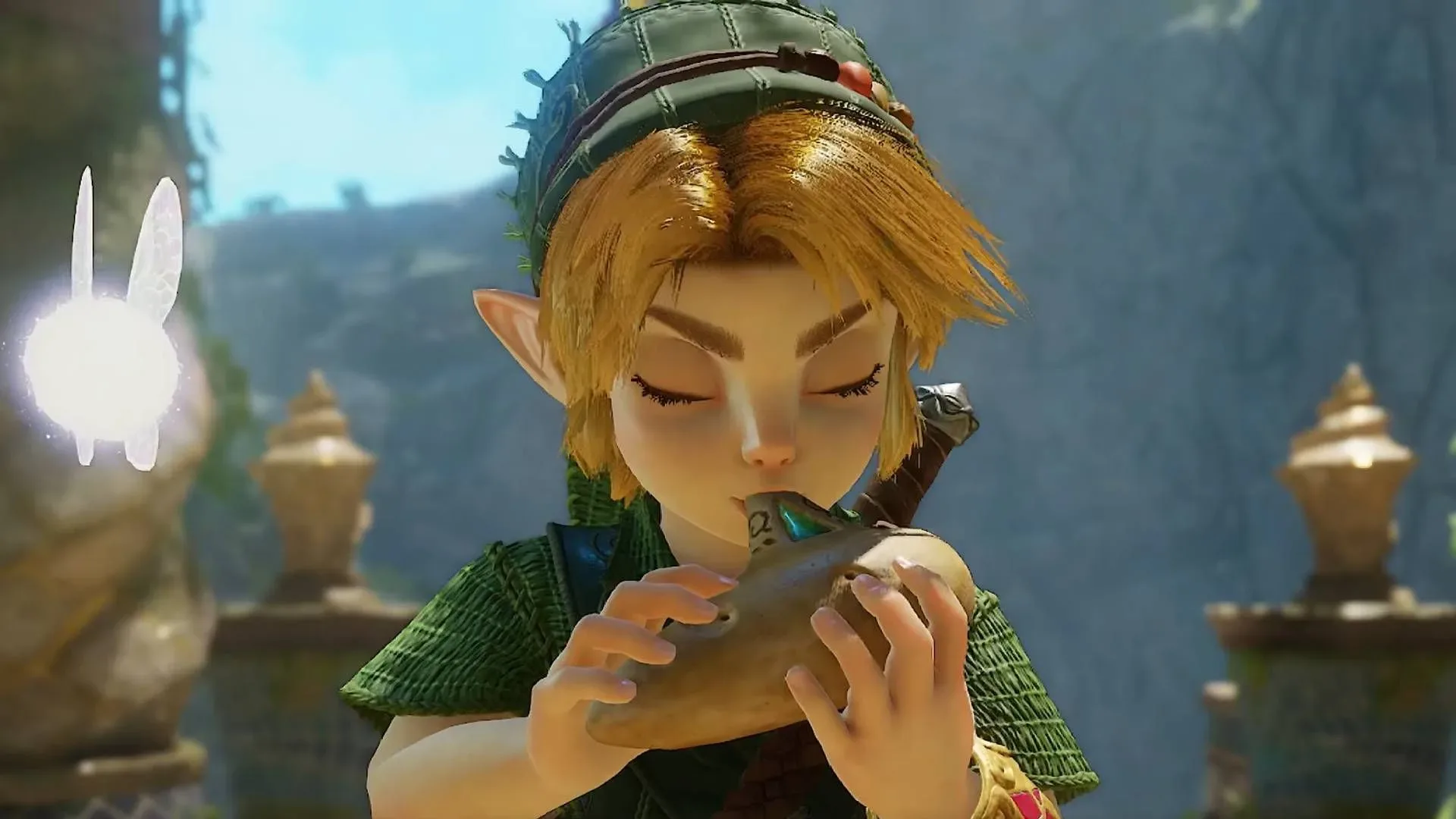
The Legend of Zelda: Ocarina of Time remake has taken the US physical-game sales lead for 2026 at remarkable speed. The remake launched on November 5, and sales tracking through November 7 places it above every other physical game released in the country this year. It also passed 1 million physical units during its US launch week.
The milestone matters beyond a simple chart position. It makes Ocarina of Time the first game since 2023’s The Legend of Zelda: Tears of the Kingdom to move more than 1 million physical copies in a US launch week. For a remake of a game originally released in 1998, that result illustrates the commercial pull of an established Nintendo classic when it is repackaged for a new audience and for longtime players who want to revisit Hyrule.
After just one week in market, The Legend of Zelda: Ocarina of Time is 2026's best-selling physical video game in the US.
What the sales result actually measures
The reported figure is specifically about physical sales in the United States. In plain terms, it concerns copies sold through the retail channels included in the tracking data, rather than an all-format worldwide total. It should not be read as a complete measurement of every digital purchase, every territory, or the game’s lifetime sales.
That distinction is useful because “best-selling game” can mean several different things depending on the chart. A physical-sales ranking tracks boxed retail products and related physical releases. A combined market ranking could use a different methodology, potentially including digital transactions. A global total would cover more than one country. Here, the confirmed achievement is narrower but still substantial: Ocarina of Time is the year’s leading physical video game in the US after its opening period.
The 1 million threshold also describes units, not revenue. It tells readers how many qualifying physical copies were sold, but does not establish how much money consumers spent, which editions drove sales, or how the result breaks down across retailers. Those details have not been provided, so the headline number is best understood as a clear demand signal rather than a full financial report.
A remake with a rare kind of built-in audience
Ocarina of Time has unusual advantages as a remake. The original is a 1998 game with longstanding name recognition, meaning the new release can appeal both to people attached to the earlier version and to players discovering it for the first time. Nostalgia alone cannot guarantee a major launch, but it can make a familiar name easier to recognize in a crowded release calendar.
The remake’s reported reception provides another part of the story. Reviews have praised its presentation while emphasizing that it retains the charm and whimsy associated with the original. The game has also been described as making the experience easier to approach through more digestible gameplay, alongside enhanced visuals.
Related coverage includes Ocarina of Time Remake Tops US Physical Game Sales for 2026 After One Week.
Reported changes include newly voiced dialogue, reworked dungeons and new puzzles. Those specifics are important because they speak to the difference between a remake and a simple rerelease. A rerelease generally brings an existing game back to market with limited changes. A remake, by contrast, rebuilds or significantly updates the experience while drawing on the same foundational game. The response to Ocarina of Time suggests that the project’s appeal is not solely archival: buyers appear to see an updated adventure with enough new work to stand beside the original.
That balance is difficult to manage. Alter too much and a remake risks losing what made the earlier game meaningful; change too little and it can seem unnecessary to players who already own or remember the old version. The reported critical reaction frames Ocarina of Time as succeeding at that balancing act, preserving the 1998 game’s identity while giving Hyrule a more modern presentation and altered content.
Physical still carries weight
A seven-figure opening in physical units is a reminder that boxed games and cartridges remain commercially relevant, particularly for major releases with broad recognition. Physical editions offer a tangible product, something that can be displayed, loaned or added to a shelf. For some buyers, those traits are part of the purchase rather than a substitute for a download.
However, the category is more complicated than simply asking whether a disc or cartridge is in the box. The looming release of Grand Theft Auto VI is expected to test Ocarina of Time’s position, and it introduces a debate over the industry’s definition of a physical sale. GTA VI’s package is described as a code-in-box product: buyers receive a physical game case, but use a code to download the game file rather than receiving the game itself on physical media.
That may feel different from buying a cartridge or disc, especially for collectors who value media that contains the game. Yet the tracking methodology used for this sales comparison counts a code in a box as a physical sale. That means GTA VI will be eligible for the same physical chart despite its download-based delivery.
The practical takeaway is straightforward: a physical-sales chart does not necessarily mean every counted product includes playable media in the package. It can include a retail-boxed redemption code. Anyone comparing the two releases should keep that methodological point in mind, particularly if their own definition of “physical” is tied to game preservation, offline access or ownership of a cartridge or disc.
GTA VI could quickly reshape the leaderboard
Ocarina of Time currently holds the annual physical lead, but that lead is not necessarily secure. GTA VI is due shortly after the reported result, and its launch could displace Nintendo’s remake even if the latter’s first-week performance remains exceptional. The likely shift would not diminish the Zelda release’s achievement; it would instead show how unusual the late-year release calendar can be when two enormously recognizable franchises arrive close together.
There is also a useful contrast between the games’ selling propositions. Ocarina of Time is a remake rooted in a celebrated older adventure, supported by nostalgia and substantial updates. GTA VI is a new entry in an active blockbuster series, with a code-in-box package qualifying for physical tracking. Both may appear in the same sales category, but they represent different routes to retail demand.
For players interested in GTA VI’s impending arrival, Joking Joystick has also covered advice encouraging players to take breaks and look after their hands. Its potential chart impact remains separate from the health guidance, but its launch is central to the question of how long Zelda can remain at No. 1.
Why the milestone remains notable even if the crown changes hands
Annual rankings are snapshots, and a bigger launch can change them quickly. The more durable fact is that Ocarina of Time crossed 1 million physical US units during its launch week, a feat no title had achieved since Tears of the Kingdom in 2023. That places the remake in notably rare company.
The result also offers a strong indicator of the continuing value of carefully executed remakes. A familiar title can generate enormous attention, but successful commercial revivals still need to persuade people that the return is worthwhile. The reported additions—voiced dialogue, revamped dungeons, fresh puzzles and upgraded visuals—give the release a case beyond simple recognition.
For now, the numbers establish Ocarina of Time as 2026’s physical-sales leader in the US and one of the most significant physical launches in recent years. Whether GTA VI overtakes it is a question for the next set of sales data. The Zelda remake’s opening accomplishment, though, is already firmly on the board.