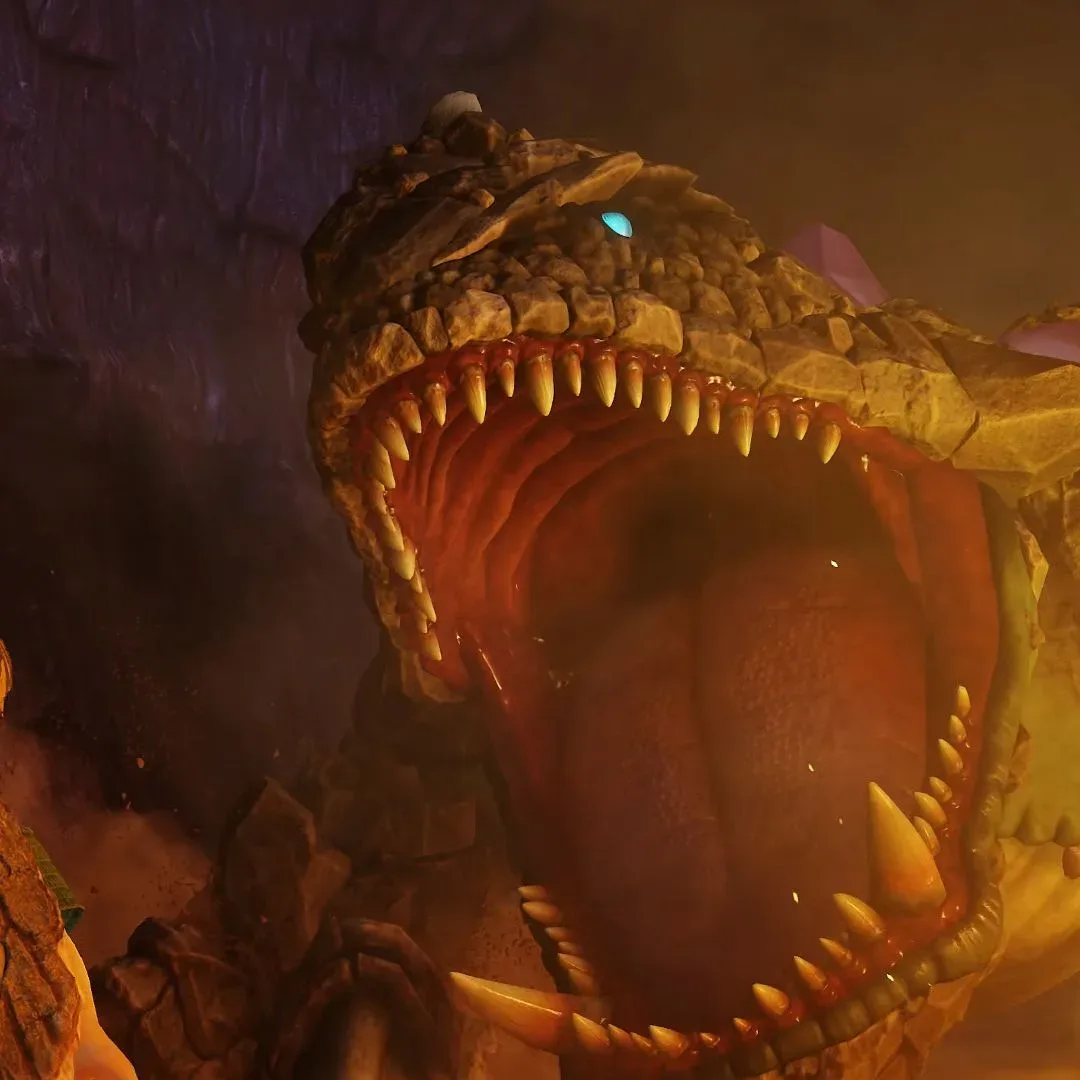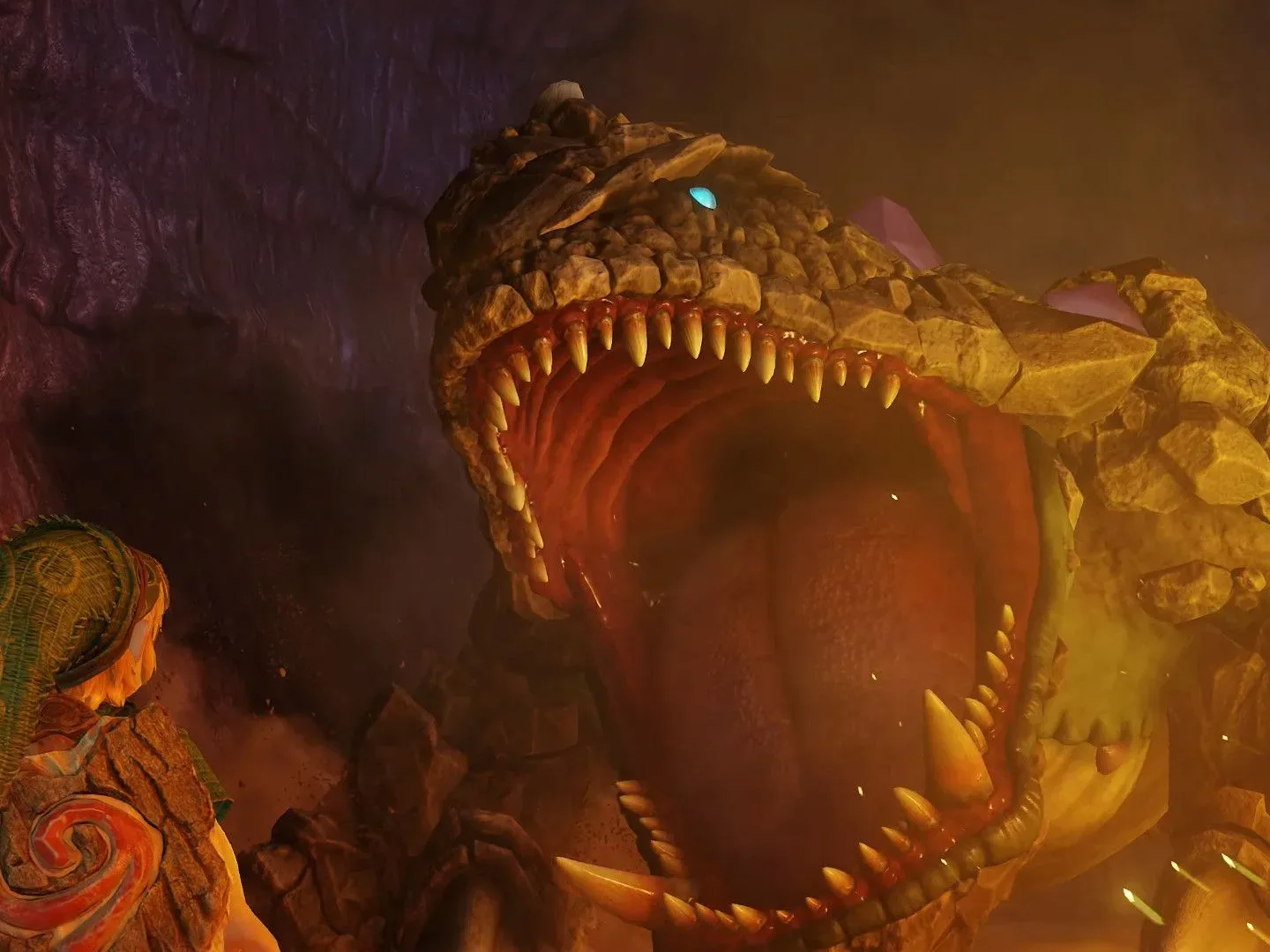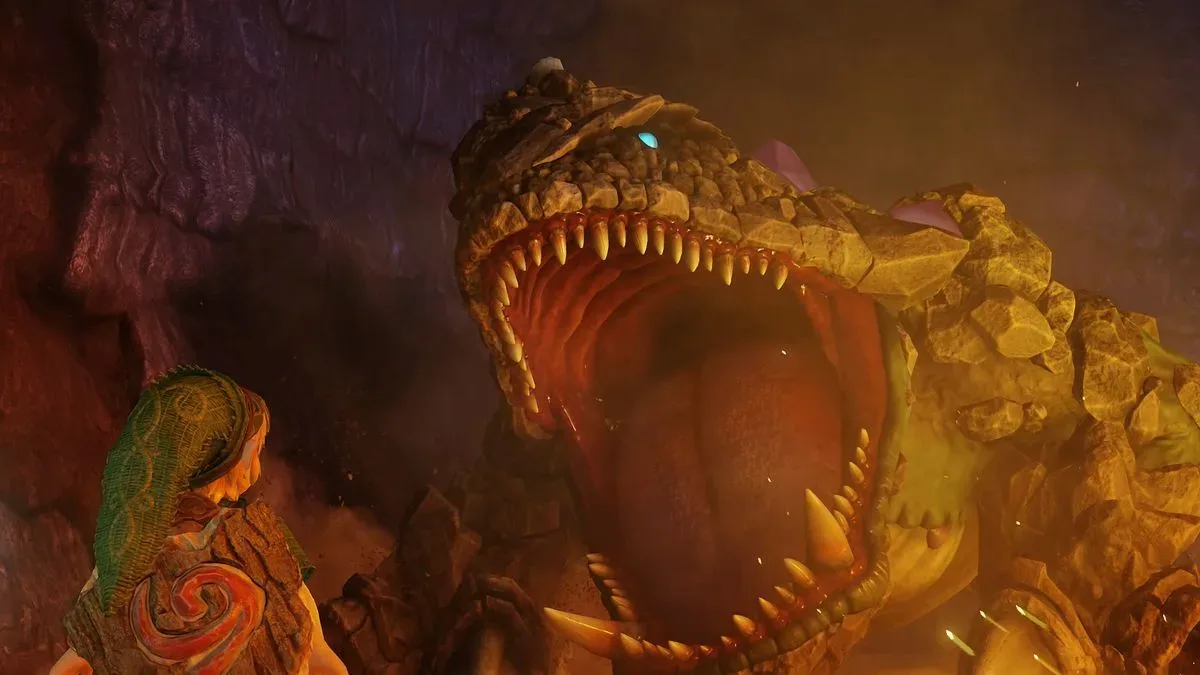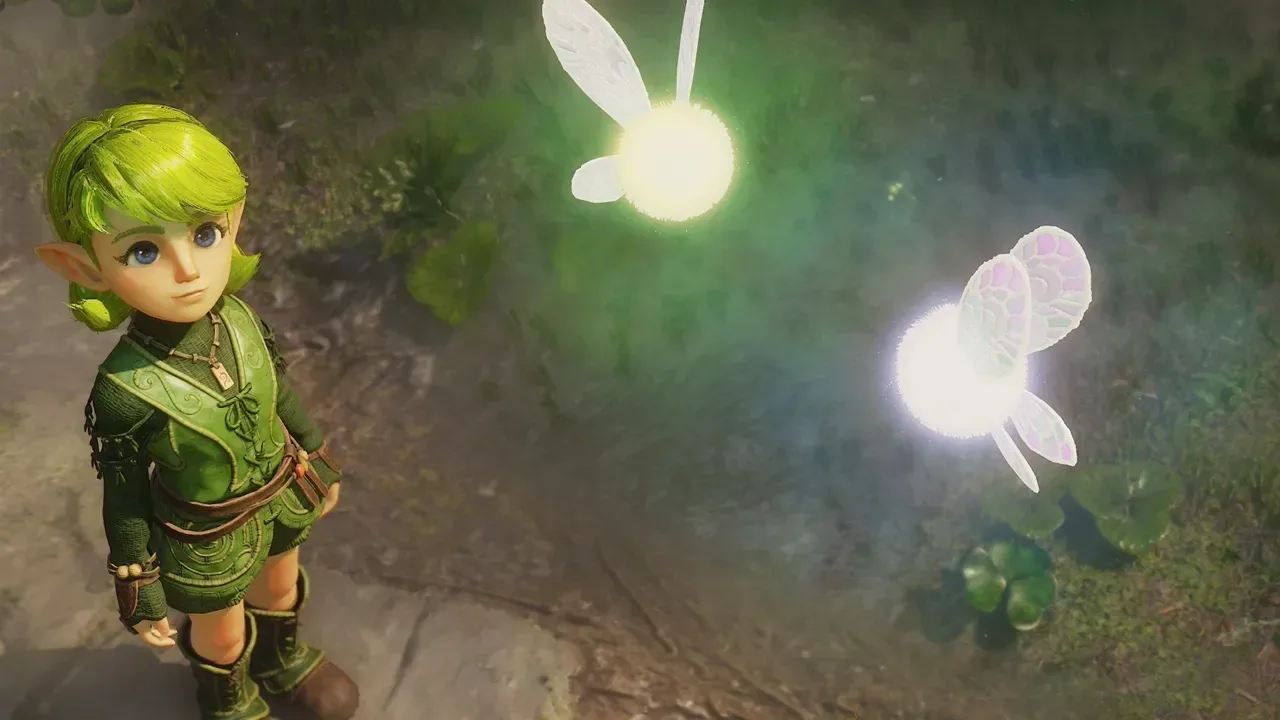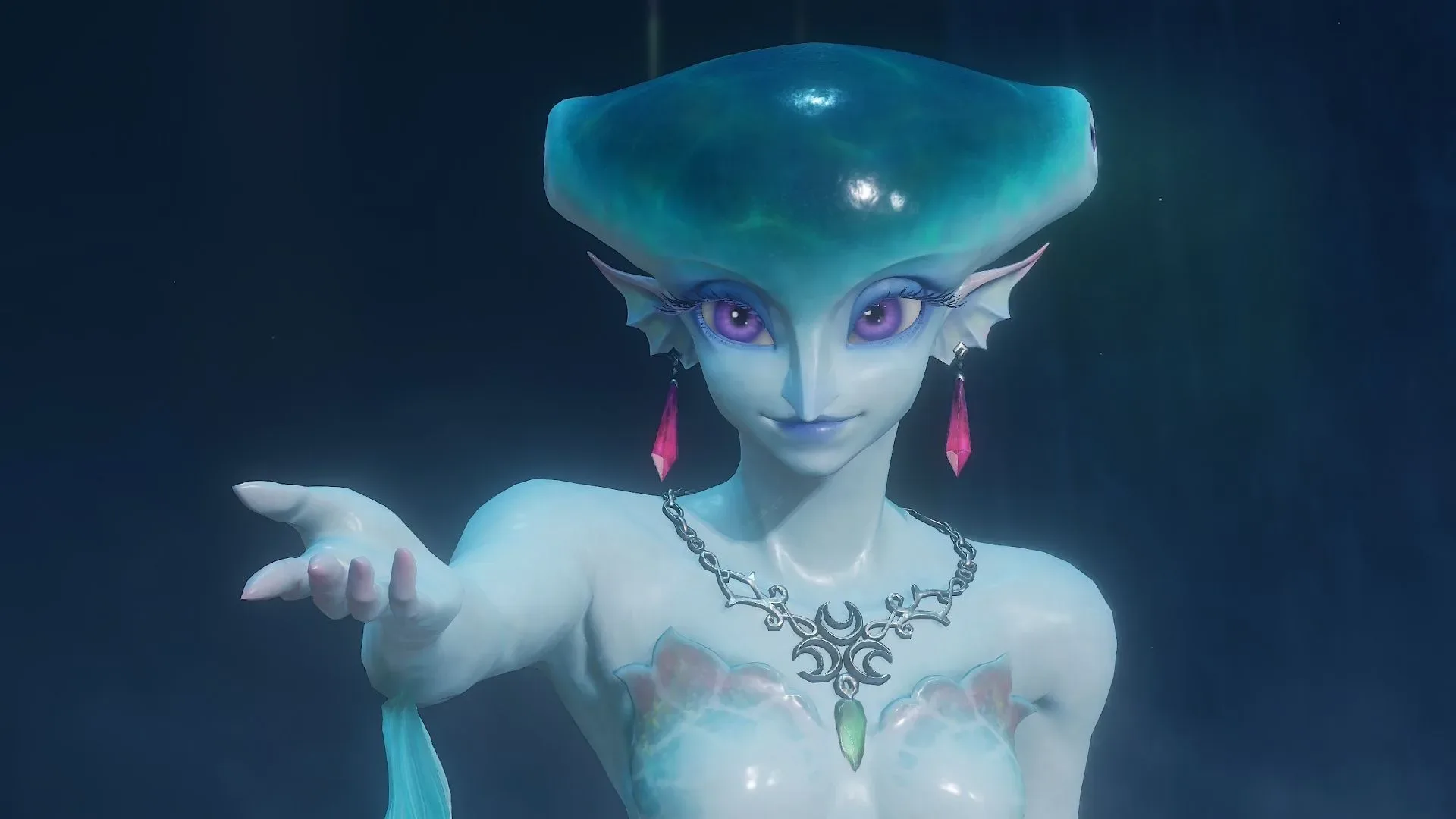
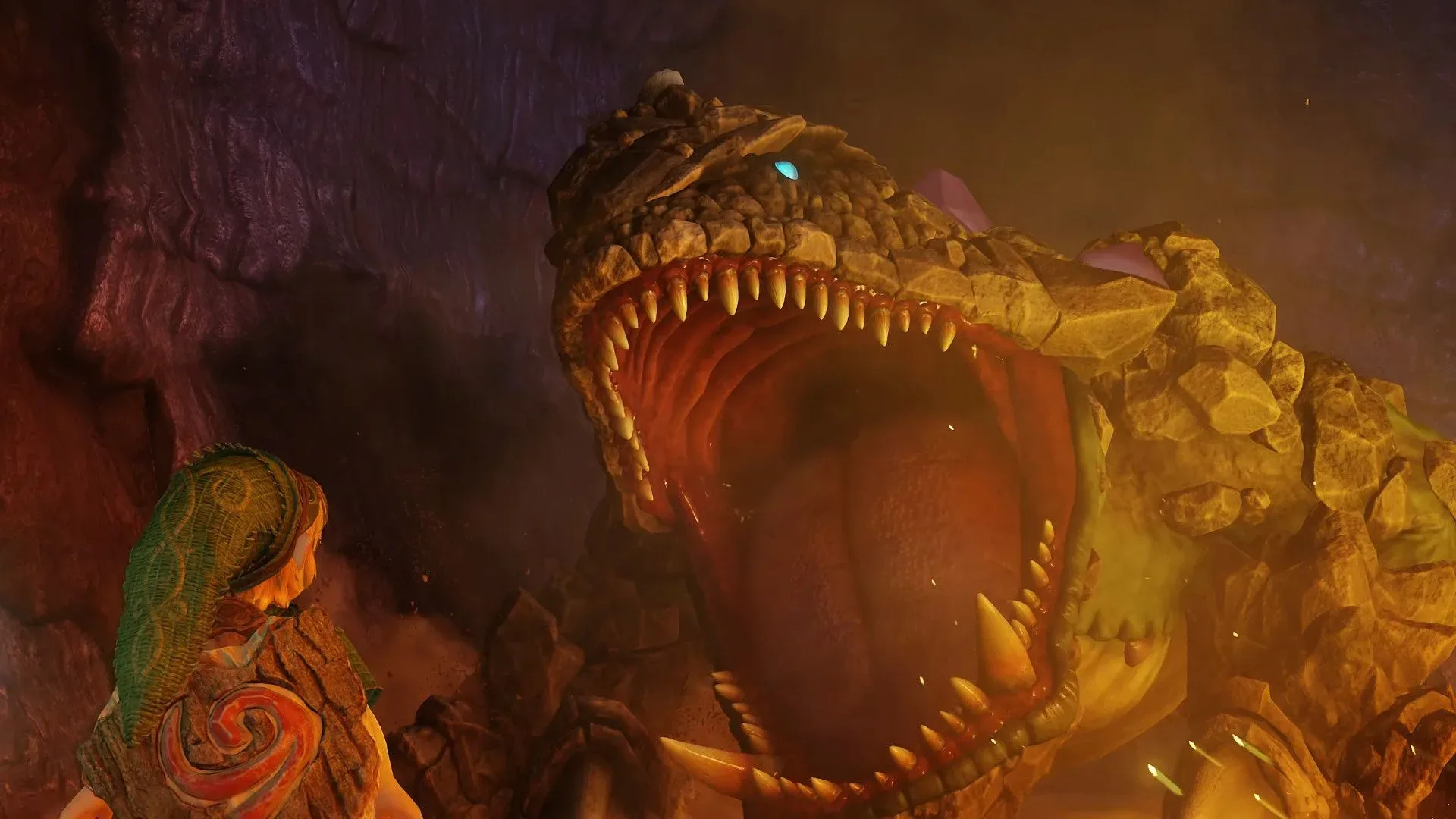
Nintendo says The Legend of Zelda: Ocarina of Time remake is “off to a great start,” while the Zelda-themed 40th Anniversary Edition Switch 2 has produced a very positive response across multiple regions. The paired signals arrive as the company faces investor questions over whether a Switch 2 price increase to $500 could weaken demand at a pivotal point in the hardware cycle.
The company’s position is that momentum remains intact, but its holiday outlook still matters enormously. Nintendo president Shuntaro Furukawa said the installed base has now exceeded 25 million Switch 2 units, roughly a year and a half after the system’s launch last June. He also pointed to Pokémon Pokopia, released in March, as a driver of worldwide hardware sales entering the current fiscal year.
That does not mean Nintendo is treating the price revision as irrelevant. Furukawa described the next several weeks as important to achieving the company’s sales guidance, emphasizing the outsized role the holiday period plays in annual dedicated-game-platform shipments. In plain terms: Nintendo is confident in its position, but the seasonal sales window will decide whether that confidence turns into the exact annual results it has forecast.
Zelda is doing more than providing a nostalgic headline
The immediate story is not simply that a remake of a Nintendo 64 landmark exists. Nintendo is highlighting two distinct Zelda products that can pull on different parts of the Switch 2 business at the same time.
- The Ocarina of Time remake is software: a new reason for existing Switch 2 owners to buy a game, and potentially a reason for prospective buyers to enter the platform.
- The 40th Anniversary Edition Switch 2 is hardware: a limited-themed console proposition that can attract Zelda fans who may have delayed a purchase or who want a particular version of the machine.
- Bundles and advance notice are part of Nintendo’s response to the higher console price, helping frame the purchase around combined value rather than the standalone hardware figure.
That distinction is useful when reading Nintendo’s comments. A strong game launch and a strong special-edition console do not measure exactly the same thing. Software demand tells the company something about appetite for the game among people already in the ecosystem; a hardware edition may signal that the brand is helping motivate console purchases. Together, though, they support Nintendo’s broader argument that the platform has retained traction despite the revised price.
Nintendo has not supplied a unit total for the Ocarina of Time remake, so there is a firm limit on what can be concluded. “Off to a great start” is an encouraging corporate assessment, not a substitute for disclosed sell-through or shipment figures. Similarly, a positive response to the anniversary Switch 2 establishes demand, but does not by itself quantify how much of the hardware base came from new customers, upgrades, or buyers choosing one console edition over another.
There are nevertheless external indicators consistent with Nintendo’s optimism. The Zelda 40th Anniversary Switch 2 reportedly delivered record Nintendo sales in the US, while stock availability has been constrained. Separately, analyst data indicates that the Ocarina of Time remake had the biggest physical game launch in the UK so far this year. These are meaningful regional and format-specific signs, but they should not be stretched into a complete global sales picture. Physical-launch performance, for example, does not reveal digital sales.
Why the $500 question is not settled by one successful launch
Hardware price rises are especially sensitive because they alter the up-front cost of joining a platform. Nintendo’s argument is that the impact has been moderated by advance notice and a range of hardware-and-software bundles. That is a practical distinction: a bundle can change how a buyer evaluates the total purchase, particularly when it includes something they were already likely to buy.
Related coverage includes Nintendo Says Ocarina of Time Remake Has Started Strongly as Switch 2 Momentum Holds.
Still, a bundle does not erase the higher entry price for every customer. It merely provides a different purchasing proposition. Nintendo’s framing suggests it believes its content schedule, established installed base and product options have been enough to prevent a major interruption in demand so far. The holiday period is the more demanding test because annual hardware performance is heavily concentrated there.
“Holiday season sales significantly impact the number of units shipped annually” for Nintendo’s dedicated video game platform business, Furukawa said, adding that the trends in the coming weeks would be important to meeting guidance after the price changes.
Sales guidance is a company’s stated forecast or target for a reporting period. It is not a promise that every product will hit an individual number. Nintendo can be pleased with Zelda’s start while continuing to watch overall hardware demand, regional performance, stock and the remaining holiday slate. This is why the company can sound upbeat and cautious in the same briefing without those messages conflicting.
Installed base explains part of Nintendo’s confidence
An installed base is the number of hardware units in customers’ hands. Nintendo says Switch 2 is above 25 million units. For a platform holder, that number matters because it represents the potential audience for new games, downloadable content and other software sales.
It also adds context to a major Zelda release. A remake can benefit from an audience that already owns the machine, while simultaneously serving as a persuasive showcase for anyone considering the system. Nintendo’s remarks suggest it sees Ocarina of Time contributing to both sides of that equation, though it has not broken out how much demand comes from each group.
The company also noted regional differences in whether expectations were met over the prior holiday season. That is a necessary reminder not to treat “global momentum” as identical conditions everywhere. Hardware demand can vary by market, and Nintendo’s own comments make clear that it tracks those variations closely. Strong sales in one territory do not automatically mean every region is performing at the same level.
Pokémon Pokopia’s role is relevant here as well. Nintendo credited the March release with helping global hardware sales, illustrating how different first-party releases can sustain a platform across the year. Zelda now appears to be carrying part of that burden into the holiday season. The strategy is less about one title solving every commercial challenge than about maintaining reasons to buy and engage with the console over time.
What “physical launch” does — and does not — tell us
The reported UK result for Ocarina of Time is specifically described as the largest physical launch of the year so far. Physical launch refers to boxed-copy sales at release. It is a useful measure of retail demand, particularly for a high-profile Nintendo release, but it is not the same as total sales. Digital purchases are not contained in a physical-only ranking.
That caveat is particularly important when no official worldwide sales number has been provided. It is reasonable to say the physical result is a strong early market signal. It is not reasonable to convert it into a precise worldwide performance ranking or to assume it shows the remake’s complete commercial outcome.
The same care applies to supply constraints around the anniversary console. Limited availability can reflect strong demand, constrained supply, or both. Nintendo’s positive characterization and the reported record US performance support the view that the edition is resonating, but they do not establish a full inventory picture.
A remake with platform-level significance
Ocarina of Time’s original Nintendo 64 identity gives the remake an obvious bridge between Nintendo’s past and its current hardware business. But Nintendo’s comments place the remake in a present-day commercial role rather than treating it solely as an anniversary artifact. It is one of the products being cited in response to direct concern about the Switch 2’s momentum after a price increase.
That makes the game’s early performance relevant beyond Zelda fandom. It is part of the evidence Nintendo is using to argue that premium hardware has not lost its appeal, particularly when paired with major software and themed hardware choices. For a wider look at how Nintendo describes the distinctiveness of its entertainment strategy, see Nintendo’s view of entertainment that feels unmistakably Nintendo.
There is also a future cost question hanging over the upbeat sales discussion. Nintendo has said it is absorbing Switch 2 manufacturing costs to avoid further price increases, while warning that this stance may need to change if it cannot absorb those costs through its own efforts. That does not announce another price move. It does mean the $500 figure should be understood as part of an ongoing cost-and-demand balancing act, not necessarily the final word forever.
The clearest read for now
Nintendo has credible reasons to project confidence: Switch 2 has passed 25 million units in its installed base, Pokémon Pokopia helped establish momentum earlier in the year, the Zelda anniversary console has performed positively, and Ocarina of Time has started strongly by the company’s account. Reported US hardware and UK physical-software indicators add support, even if neither provides a comprehensive worldwide total.
But the most precise interpretation is also the least dramatic. Zelda appears to be helping Nintendo navigate a higher-priced Switch 2 environment, not proving that price no longer matters. The company itself has identified the coming holiday weeks as decisive to its annual guidance. Until Nintendo releases fuller sales figures and the seasonal period plays out, strong early results are exactly that: a favorable start, with the largest test still in progress.