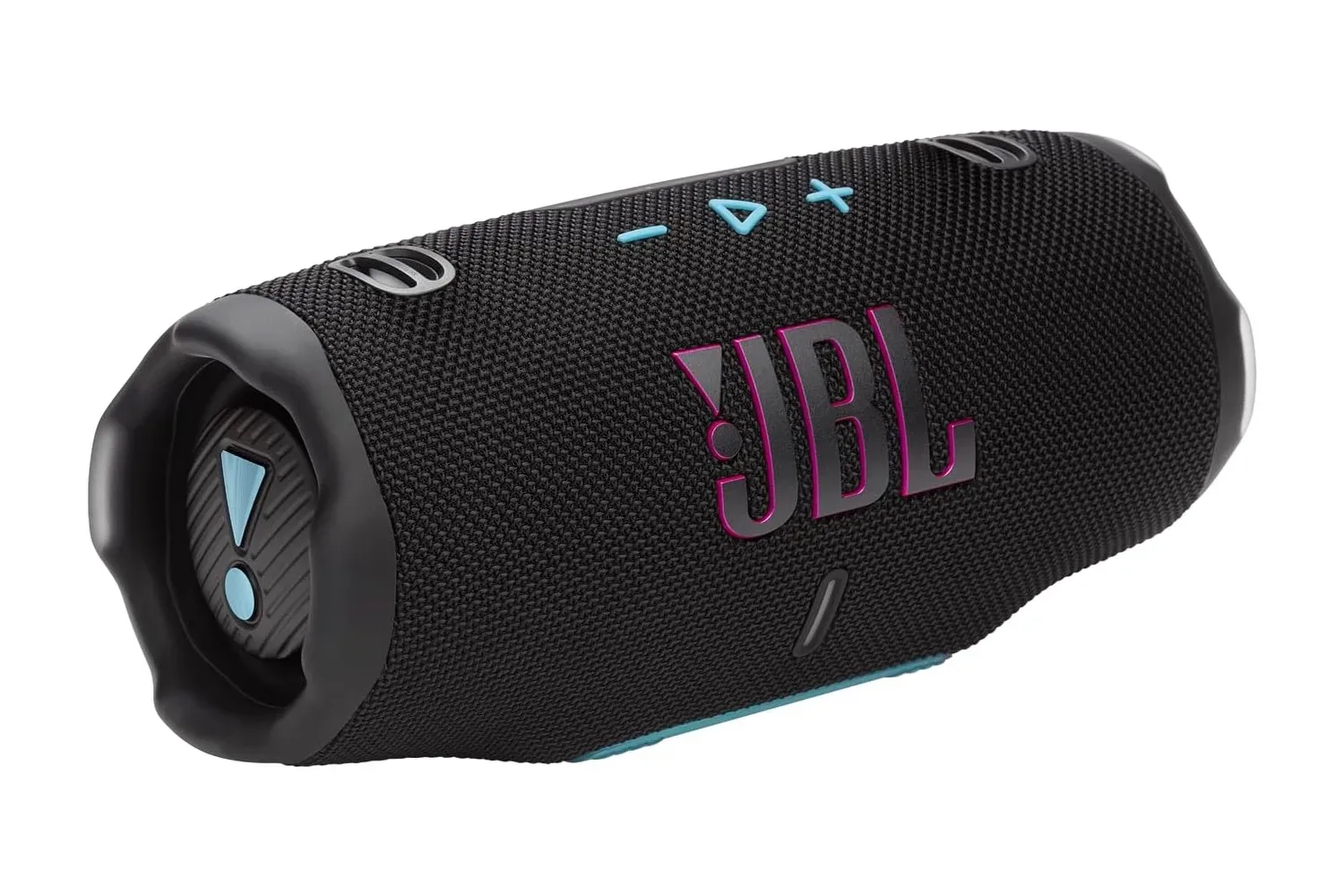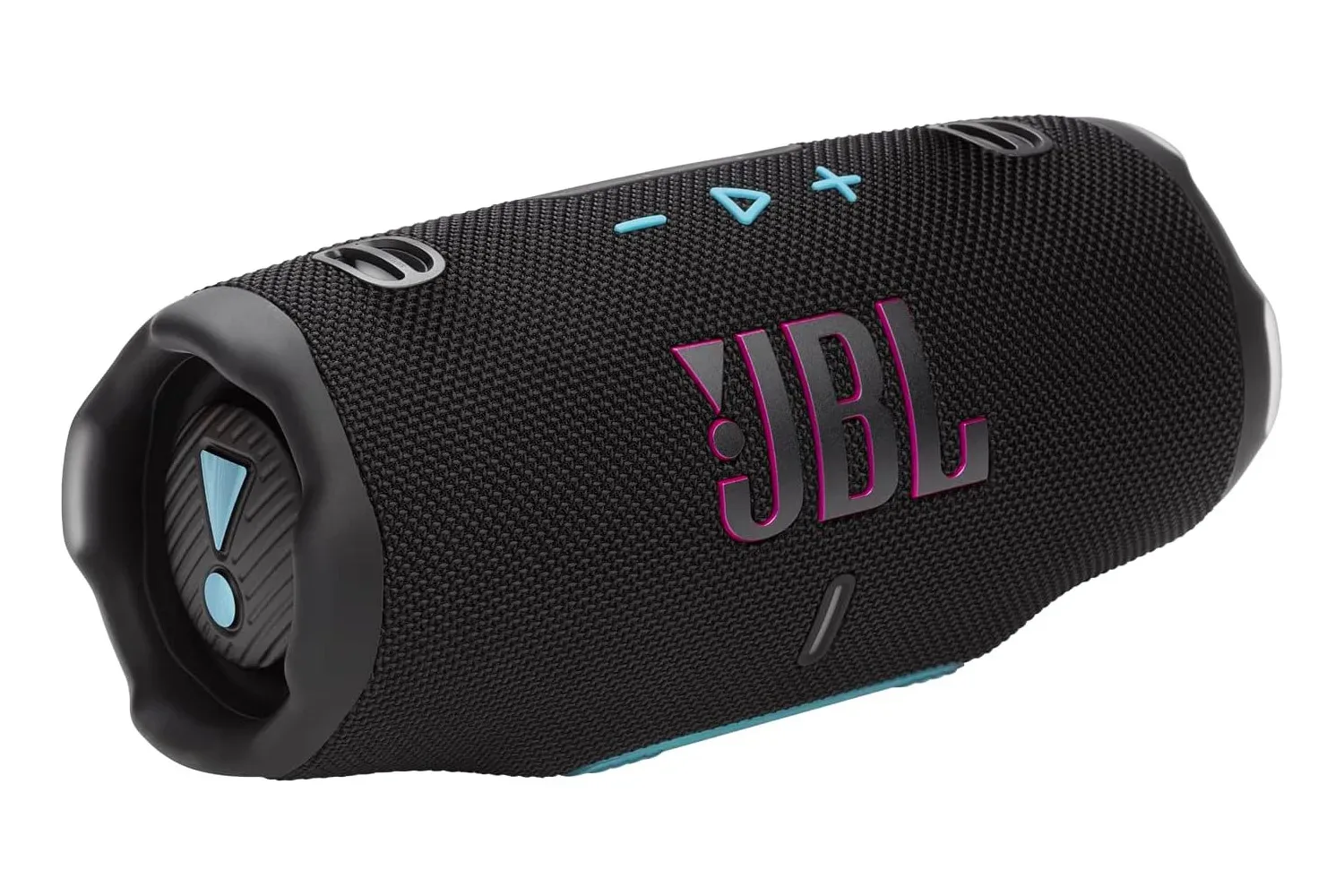
The JBL Charge 6 portable Bluetooth speaker is listed at $150, a $50 reduction from its stated $200 regular price. That is a straightforward 25% cut for a speaker positioned as an all-purpose option for music, podcasts, audiobooks, outdoor listening and portable gaming setups where a phone, handheld or laptop’s built-in audio is not enough.
The available information indicates that several color options can qualify for the $150 price, though shoppers should still check the selected variant and final cart total before buying. Retail listings and color-specific inventory can change independently, so the discount should be treated as a current listing rather than a permanent new price.
What the Charge 6 is built to do
The main attraction is portability without making the speaker a delicate indoor-only device. The Charge 6 is described as waterproof, dustproof and drop-proof, with an included carrying strap. In practical terms, that makes it suited to places where a larger mains-powered speaker would be inconvenient: patios, kitchens, hotel rooms, parks, poolside gatherings and game nights that spill out of the living room.
Waterproofing is useful protection against an accidental splash or a brief dunk, not a reason to make water exposure part of the routine. Likewise, dust resistance matters for outdoor use, but it does not eliminate the need to keep ports and connections clean. Durability claims are most valuable when they reduce the consequences of ordinary accidents, rather than when they invite avoidable ones.
JBL also advertises JBL Pro Sound and Sound Boost for the Charge 6. Those are product and feature names rather than a standardized audio measurement. They signal that the speaker is intended to deliver a fuller, louder presentation than tiny travel speakers, but they do not by themselves tell a buyer how it will sound in a particular room, at a particular volume or with a particular kind of content.
That distinction matters because the best use case is often more important than broad claims about audio quality. Music listeners may value volume and low-end presence. Podcast and audiobook listeners may care more about voice clarity. A portable speaker can improve both compared with a phone’s speaker, but the experience will still depend on placement, room acoustics and the source device’s Bluetooth connection.
Battery life and the power-bank angle
The Charge 6 is rated for up to 28 hours of use and supports fast charging. “Up to” is the key phrase: battery estimates are maximum figures, and real-world runtime can vary with listening volume and how the speaker is used. Still, a high claimed runtime can be especially appealing for a weekend away, a long outdoor session or a household that does not want to recharge a speaker after every use.
It can also serve as a power bank. That means the speaker’s battery can provide emergency power to another device, which could be useful when a phone is running low. The trade-off is intuitive but worth stating: using the Charge 6 to charge another device consumes the battery capacity that would otherwise be available for playback. Buyers planning to rely on the speaker for a long day of music should view that function as a backup convenience, not unlimited extra power.
For players, the same consideration applies to a handheld system or mobile device. The ability to top up a device can be handy away from an outlet, while the speaker supplies a bigger shared soundstage than the handheld itself. But Bluetooth audio can introduce delay in some setups, so it is worth confirming the connection behavior of the device and game before treating a wireless speaker as the ideal choice for timing-sensitive play.
Auracast is about shared audio, not automatic surround sound
One of the Charge 6’s notable features is Auracast support, which allows compatible speakers to work together. This is potentially more useful than it first sounds. A second speaker can help cover a larger gathering, give listeners in another part of a space better access to the audio, or create a more substantial setup than one compact unit can manage on its own.
Auracast is a Bluetooth audio broadcasting technology intended to share audio with compatible receivers. Compatibility is the operative word. Before buying a second unit specifically for pairing, confirm that both devices support the relevant feature and check the available pairing options in the product documentation or app.
It is also sensible not to equate multiple speakers with a guaranteed surround-sound system. Surround sound generally refers to discrete audio channels positioned around a listener. The supplied details establish that compatible speakers can work together through Auracast, but they do not establish a specific multichannel home-theater configuration. For most buyers, the practical expectation should be expanded or shared audio coverage rather than a substitute for a dedicated surround setup.
Who the $150 listing makes sense for
At its stated $200 price, the Charge 6’s selling points are its combination of portability, environmental protection, long claimed battery life, carrying strap and phone-charging capability. At $150, the same bundle becomes easier to justify for someone who wants one speaker to move between home and outdoors rather than separate equipment for every location.
It looks most compelling for buyers who can name a regular use case: background music in several rooms, a speaker for outdoor meals, a travel companion, or a compact shared-audio option for gatherings. Its protections and strap have more practical value for someone who will actually carry it around than for someone whose speaker will live permanently on a desk.
It is less clearly the right fit for a buyer who only needs quiet desktop audio, requires wired playback, or wants assured low-latency sound for competitive gaming. Those needs call for checking specifications beyond the details available here. A discount does not change the importance of matching a device to the job it needs to perform.
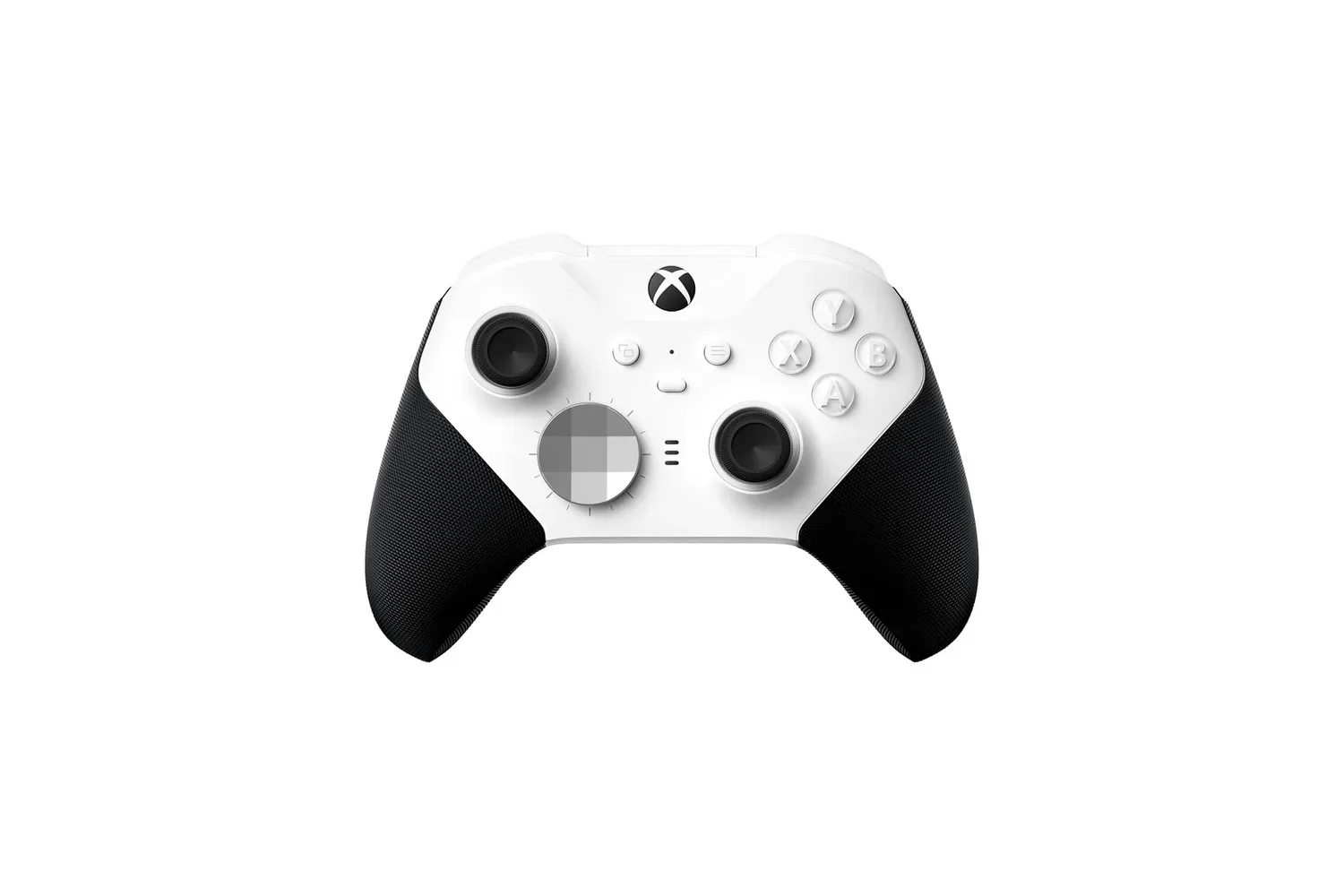
The broader gaming-accessory lesson is the same one that applies when weighing hardware such as an Xbox Elite Series 2 Core controller deal: a lower price is useful only when the capabilities line up with the way someone plays. For the Charge 6, that means prioritizing portable, durable wireless audio over the specialized requirements of a wired headset or dedicated home theater gear.
What to check before placing an order
- Confirm the variant: Verify that the chosen color is still showing the $150 price.
- Check the final total: A product-page price and the checkout total should match before purchase.
- Consider your listening environment: A speaker intended for portable shared listening may be more than necessary for close-range desk use.
- Plan for battery use: Playback time can be reduced by louder volume or by using the power-bank feature.
- Verify pairing expectations: Auracast can be useful for compatible devices, but buyers should not assume a particular stereo or surround configuration without confirmation.
- Think about latency: Wireless convenience is not automatically the best fit for games where audio timing is critical.
The $150 listing gives the JBL Charge 6 a meaningful reduction from its stated $200 price while retaining the features that define it: portable Bluetooth audio, up to 28 hours of claimed battery life, fast charging, a built-in power bank, a carry strap and protection designed for everyday outdoor mishaps. For shoppers who want a speaker that can leave the house as readily as it sits on a shelf, those are the details that matter more than the size of the discount alone.
Shop the products
Check current price, model and availability at the retailer.