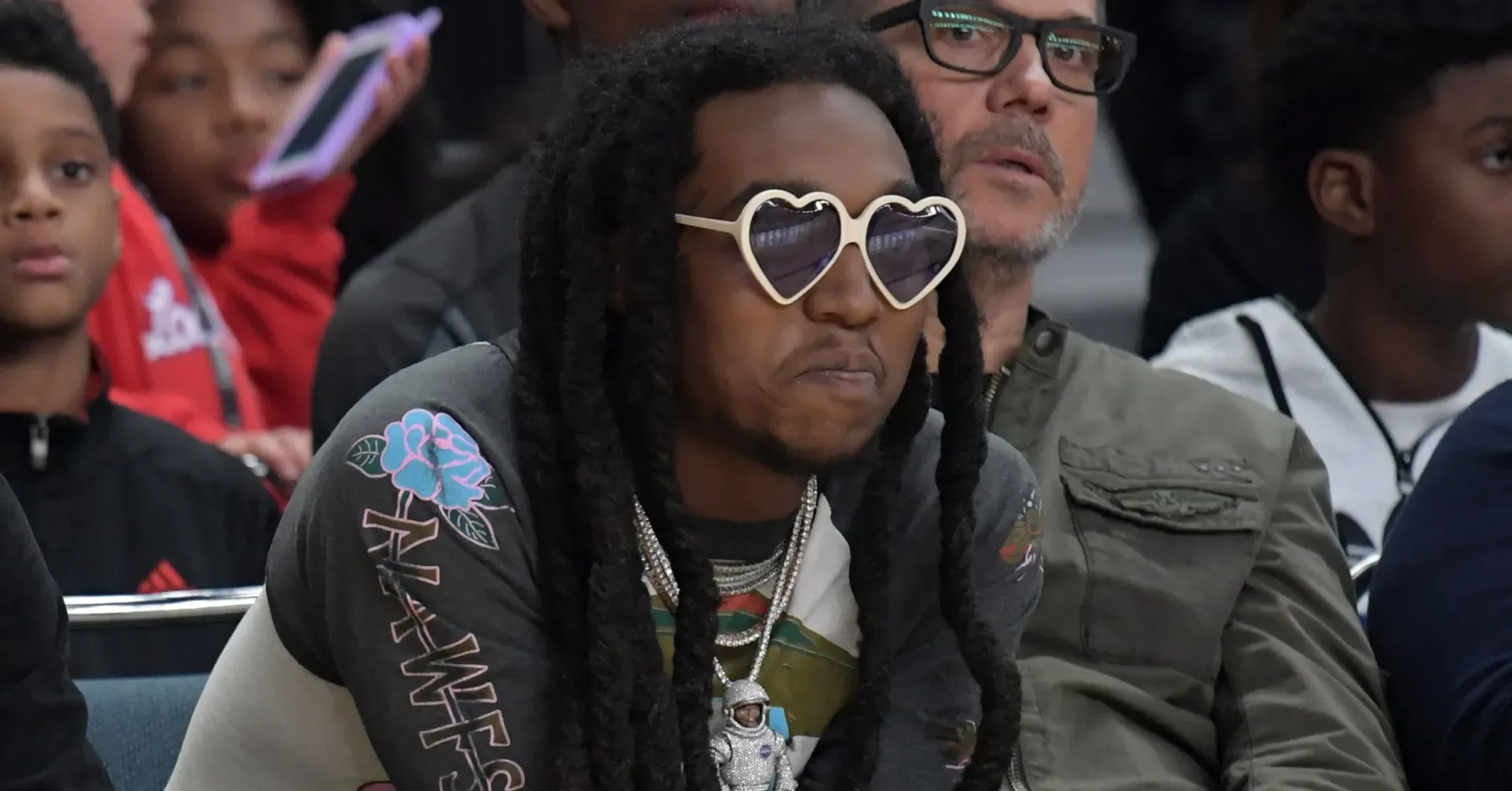

The woman who filed civil claims against Takeoff under the name Jane Doe has asked a Los Angeles County Superior Court judge to permanently dismiss her case against the late Migos rapper’s estate and his mother, Titiana Patrice Davenport.
The request, filed November 17, seeks a dismissal with prejudice. In practical terms, that legal phrase means the plaintiff would be barred from bringing the same claims again in a future lawsuit. The filing follows a November 12 court hearing at which attorneys for both sides told Judge Huey P. Cotton that they had resolved the matter.
The available information does not disclose any settlement terms, and the dismissal request itself did not state why the case was being dropped. A hearing had been reserved for December 1 for jury selection, but the court changed that date to a hearing to review the status of the case. The dismissal request is a major procedural step, but it is distinct from a final court order; the supplied court reporting establishes that the request was filed, not that the judge had already entered the dismissal.
A civil case that continued after Takeoff’s death
Jane Doe initially filed Los Angeles Superior Court case 20STCV29465 on August 5, 2020. Her complaint alleged that Takeoff raped her at an Encino house party in June of that year. It brought civil claims including sexual battery, assault and false imprisonment, and sought damages to be determined at trial, including punitive damages, as well as attorney’s fees and costs.
For more context, explore 2025-26 Topps Five Star Basketball Sets $1,999 EQL Box Entry With Flagship Autograph Chases.
Those were allegations in a civil complaint, not findings by a court. Takeoff denied the allegations through attorney Drew Findling. Prosecutors declined to bring criminal charges in April 2021, citing insufficient evidence. That decision did not automatically end the civil litigation, which proceeded separately.
The distinction matters. Criminal prosecutors decide whether the available evidence supports filing criminal charges, while a civil plaintiff can seek damages through a separate lawsuit. The two tracks have different procedures and different burdens of proof. A decision not to file criminal charges is therefore not itself a ruling on a civil claim, and a civil case continuing afterward does not establish that its allegations were proven.
Doe said she used a pseudonym in her original complaint to protect her privacy. Pseudonyms such as Jane Doe are commonly used in sensitive litigation to limit public identification of a party, though they do not alter the underlying legal claims or the need for the case to move through the court process.
Takeoff, born Kirshnik Khari Ball, was killed in Houston on November 1, 2022, at age 28. After his death, the California suit continued against his estate. Davenport became administrator of the estate in Georgia, placing the estate in the position of defending the still-pending civil matter.
What “with prejudice” means in this filing
A dismissal can be either “with prejudice” or “without prejudice.” The difference is consequential:
- With prejudice: The same claim cannot generally be filed again after dismissal. It is intended to provide finality on the claims covered by the case.
- Without prejudice: A plaintiff may potentially file the claim again, subject to legal deadlines and other procedural limits.
Here, Doe’s request for dismissal with prejudice indicates an effort to close this particular lawsuit permanently. It does not, on its own, reveal whether the resolution involved a private agreement, a negotiated settlement, a strategic litigation decision, or another reason. Neither side’s terms were disclosed in the information provided.
The language also should not be read as a judicial determination of the allegations. When a case ends through a requested dismissal rather than a verdict, the court does not reach a jury’s finding on liability unless a separate ruling says otherwise. The supplied reporting indicates that the case was resolved before a planned jury-selection date, not that a trial occurred.
Discovery dispute remained unresolved
Before the planned trial period, the estate had separately asked the court in October to end the case. Estate attorneys argued that Doe had deleted text messages they viewed as relevant evidence. Doe’s lawyers countered that the defense had waited years to seek the messages and had not sent a preservation notice directing her to retain them.
This type of argument concerns discovery, the pretrial process in which parties exchange evidence and information. When one side believes potentially relevant material was deleted, it may seek remedies from the court. Possible disputes can center on when the evidence was requested, whether there was a duty to preserve it, and whether the loss caused unfair prejudice to the other side.
That dispute was not resolved after Doe elected not to move forward to trial. As a result, the supplied record does not establish a court finding that either side’s position on the deleted messages was correct.
Separate creditor claim adds estate context
Doe had also filed a separate $6 million creditor’s claim against Takeoff’s estate in Georgia. A creditor’s claim is a formal demand seeking payment from an estate. It is separate from the California civil case, even where both proceedings arise from related allegations or seek recovery tied to the same estate.
The existence of that claim does not disclose its ultimate status, and the available information does not state whether the requested California dismissal affects it. Those are separate procedural matters, potentially governed by different courts and estate processes. Readers looking for another account of the latest filing can find coverage of the dismissal request here.
What is established, and what remains private
The documented sequence is relatively clear: Doe filed suit in 2020; Takeoff denied the accusations; prosecutors later declined to file criminal charges; the civil case continued after Takeoff’s 2022 death against his estate; and, shortly before jury selection was expected to begin, both legal teams told the court that they had resolved the case. Doe then asked for a dismissal with prejudice.
What remains undisclosed is just as important. There are no public terms described in the supplied material, no stated reason in the dismissal request, and no trial verdict. The request would close the civil action permanently if granted, while leaving the underlying details of the parties’ resolution private.