WME is reorganizing key parts of its representation business, combining motion picture literary and talent operations into a unified Motion Picture division led by Andrew Dunlap, Doug Lucterhand and Sarah Self. The change also brings the agency’s Literary Media and Production teams formally into the enlarged film-focused department.
The move is a structural one, but its practical purpose is straightforward: put teams that regularly serve the same clients, projects and buyers closer together. Film representation is rarely limited to a single lane. An actor may be attached to a project developed from a writer’s screenplay; a producer may be seeking both financing and cast; and a filmmaker may have interests spanning studio work, independent projects and production activity. A unified division is designed to make coordination across those needs more direct.
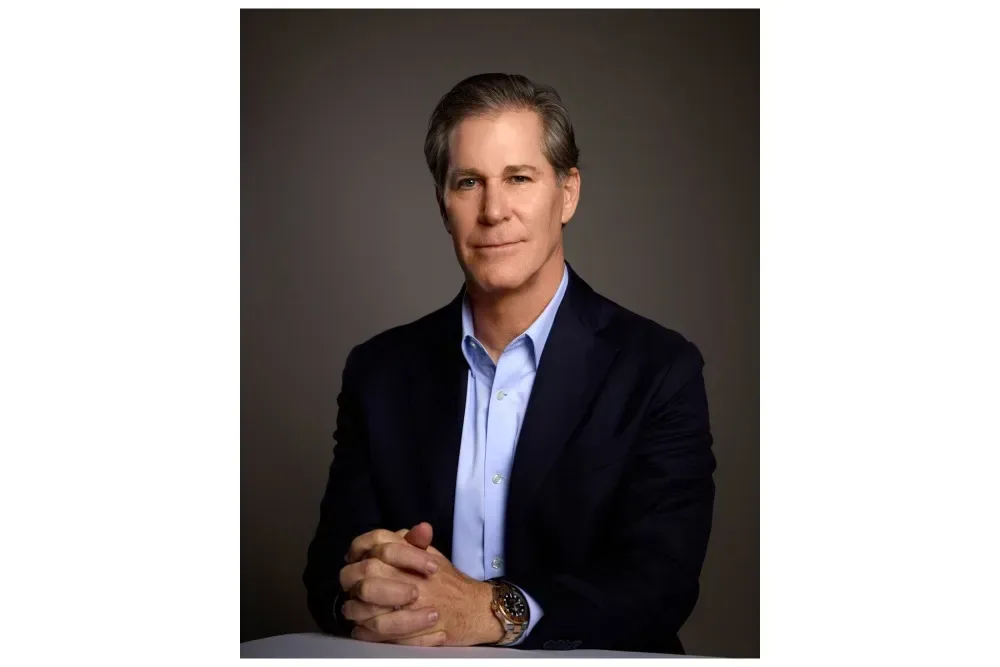
WME Group co-chairman Christian Muirhead said the promoted leaders represent the company’s collaborative culture. Co-chairman Richard Weitz said that aligning teams should help the agency become “nimbler” and better positioned to identify future opportunities for clients as the entertainment industry changes.
What is changing in the Motion Picture division?
WME’s former motion picture literary and talent departments will now operate under one Motion Picture banner. Literary Media and Production are also joining that expanded department.
In agency terms, literary representation generally concerns writers, directors, creators and their underlying material, including scripts and ideas that can become film or television projects. Talent representation centers on performers and other on-camera figures. Production work, meanwhile, can involve building the relationships and packages needed to move a project toward a buyer or producing partner.
Those labels describe different specialties, but the jobs often overlap. A screenplay needs talent, talent needs material, and a package may involve a director, producers and a potential distributor. WME’s new structure does not erase those distinct roles; rather, it puts them inside a shared departmental framework.
The company’s stated rationale is improved communication among teams that already work closely together. That matters because client careers increasingly extend beyond one format or medium. A performer may also produce; a writer may direct; and a creator’s work can be relevant to film, television, brand relationships and newer entertainment platforms. The agency’s reorganization recognizes that these paths are not always cleanly divided.
The three Motion Picture leaders
Dunlap joined WME predecessor Endeavor in 2004, beginning in the mailroom. His current roster includes Millie Bobby Brown, John Cena, Kevin Costner, Matt Damon, Colman Domingo, Robert Downey Jr., Adam Driver, Taron Egerton, Tom Holland, Aaron Taylor-Johnson, Daniel Kaluuya, Chris Storer, Callum Turner, Will Poulter and Jeremy Allen White.
Lucterhand previously worked as an assistant to Ari Emanuel and Patrick Whitesell in the Endeavor era before becoming an agent in 2005. His clients include Ryan Reynolds, Mark Wahlberg, Adam Sandler, John Cena, Rami Malek, Kevin Hart, Bob Odenkirk and John Mulaney.
Self joined WME in 2010 and became an agent in 2014. Her clients include Damien Chazelle, Diablo Cody, Maggie Gyllenhaal, Jonah Hill, John Krasinski, Jonathan Levine, JT Mollner, Kelly Marcel, Benny Safdie, Josh Safdie, Brandon Sklenar, Emma Stone and Fruit Tree.
Collectively, those client lists illustrate why a combined division can have value. The leadership group spans performers, filmmakers, writers and producing talent. In a project-based business, closer links between those areas can make it easier to connect creative material with the people who may bring it to the screen. It does not guarantee that any particular project will be made, but it can simplify internal collaboration around opportunities already being pursued.
Scripted television leadership also expands
On the television side, Erin Junkin is adding television-talent representation to her responsibilities while continuing to co-lead WME’s scripted TV department with Tom Wellington.
Junkin joined Endeavor as an intern in 2003 and moved to New York in 2009. Her client roster includes Quinn Shephard, Nicole Kassell, Brie Larson, Bill Dubuque, Brett Goldstein, Riz Ahmed, Ben Stiller, Julianne Moore and Eliza Clark.
The addition of television talent to her remit follows the same broad logic behind the film reorganization: scripted storytelling increasingly draws on closely connected groups of writers, directors, producers and performers. Some clients are explicitly multihyphenates, meaning they work in more than one creative role. For those clients, a representation strategy may need to account for both an acting job and the larger creative or producing ambitions around it.
That cross-disciplinary reality is not confined to film and television. The entertainment business also relies on fashion, consumer-brand work, unscripted programming and international operations, all of which are receiving leadership changes in the new setup.
Will Ward takes charge of WME Fashion
Will Ward has been promoted to Head of WME Fashion. In that role, he will oversee IMG Models, The Wall Group and Art + Commerce, while retaining leadership of WME’s Brand Partnerships division.
Brand partnerships are commercial relationships between talent and companies. They can involve campaigns, appearances or longer-term alignment between a public figure and a brand. In this case, Ward’s position places fashion-facing businesses and the brand-partnership operation under the same executive leader, reflecting the way celebrity, fashion and marketing can intersect.
Ward joined Endeavor in 2005 and has led WME’s brand partnerships group since 2015. His work includes relationships with Prada, Gucci, Dior and Louis Vuitton, alongside clients such as Ryan Reynolds, Jake Gyllenhaal, Robert Pattinson, Austin Butler, Gal Gadot, Edward Norton, Chloë Sevigny, Tom Brady, John Krasinski, Jeremy Allen White and Javier Bardem.
The scope of that portfolio demonstrates why agencies increasingly organize around more than screen roles alone. An actor’s career may include films and series, but it can also include an editorial profile, a fashion-house relationship or commercial work. Bringing related leadership functions together can provide a clearer route for managing those different opportunities without treating each as entirely separate.
Rebecca Sanhueza, who previously led fashion for the agency, will focus on her work as president of Pantheon Media Group, an unscripted-content business. She will remain a strategic partner to WME Fashion. The arrangement preserves a link between the agency’s fashion operation and an executive moving toward a different part of the content business.
London office gets a new head
Romola Ratnam has been elevated to the newly created role of head of WME’s London office, with responsibility for its operations and strategic direction. She will also continue overseeing WME Group’s Impact, Inclusion and Advocacy teams.
Ratnam joined Endeavor in 2017 as head of impact and inclusion, then moved to London in 2025. Her new assignment joins office leadership with the ongoing oversight of the company’s impact, inclusion and advocacy work.
An office-head role is distinct from representing an individual actor, writer or director. It focuses on how a location operates as a business: its strategic priorities, coordination and organizational direction. With the London post newly established, the promotion gives WME a specific executive focal point for that office while retaining Ratnam’s broader group responsibilities.
Why the reshuffle matters
The major takeaway is less about a single promotion than about the model WME is emphasizing. The agency is arranging leadership around connected forms of work: film talent alongside literary representation and production; scripted television with expanded talent responsibilities; fashion alongside brand partnerships; and a London office under dedicated operational leadership.
That is an acknowledgment that representation now frequently means helping clients navigate several connected businesses at once. A client’s screen role may sit beside a writing credit, a production company, a consumer brand arrangement or fashion work. Those pursuits require different expertise, but they can also affect one another. The challenge for an agency is maintaining specialist knowledge without forcing clients to navigate isolated internal silos.
For audiences, these management changes do not announce a new film, series or campaign. Their impact is more indirect. Agencies help shape the pathways through which packages come together, relationships are developed and clients pursue work across multiple entertainment fields. A more integrated structure may affect how efficiently those conversations happen behind the scenes.
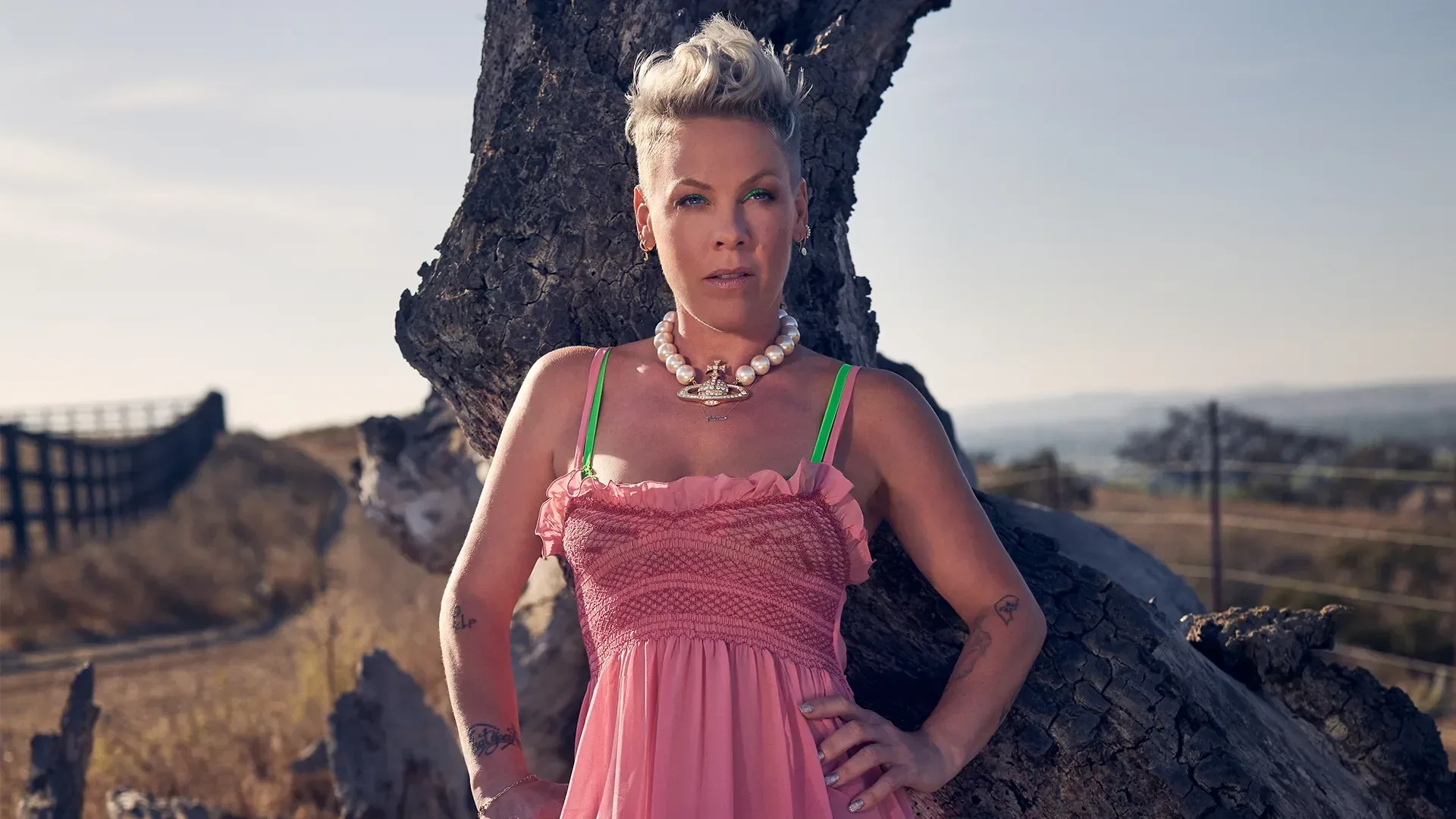
The reorganization also arrives amid an entertainment landscape in which public figures are increasingly active across formats. Large live engagements remain part of that wider ecosystem; for instance, Pink’s planned 2027 Las Vegas Sphere residency is another example of how contemporary entertainment careers can encompass distinct platforms and business relationships.
Still, the concrete news here is organizational. WME has placed Dunlap, Lucterhand and Self at the center of a unified Motion Picture division, broadened Junkin’s television remit, promoted Ward to lead fashion while retaining brand-partnership oversight, and installed Ratnam as head of its London office. The company is betting that tighter alignment among related teams will better serve clients whose careers increasingly move across traditional departmental boundaries.