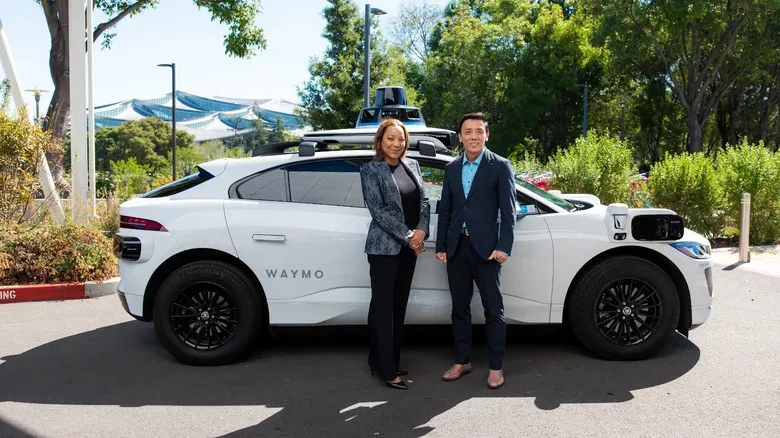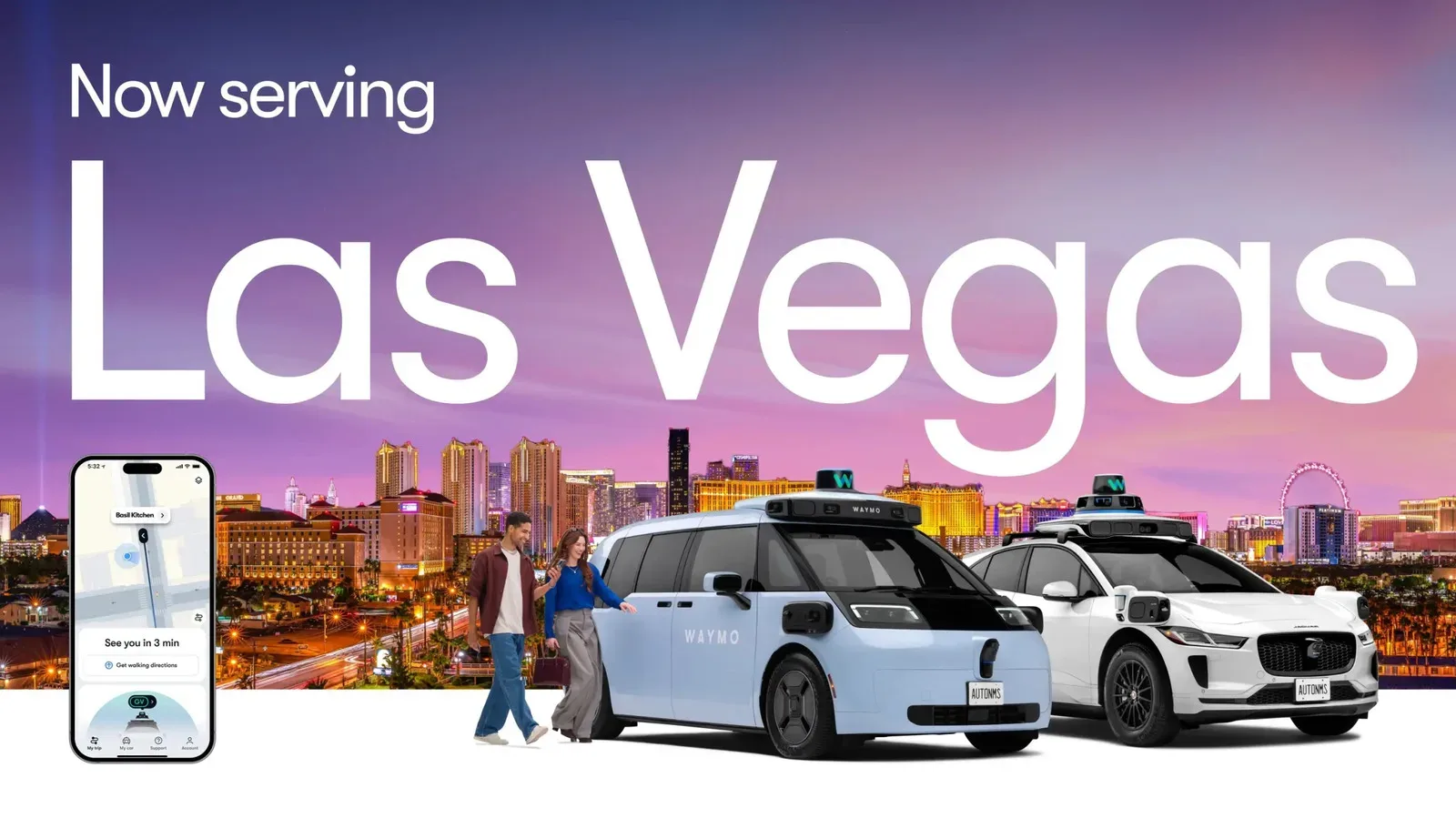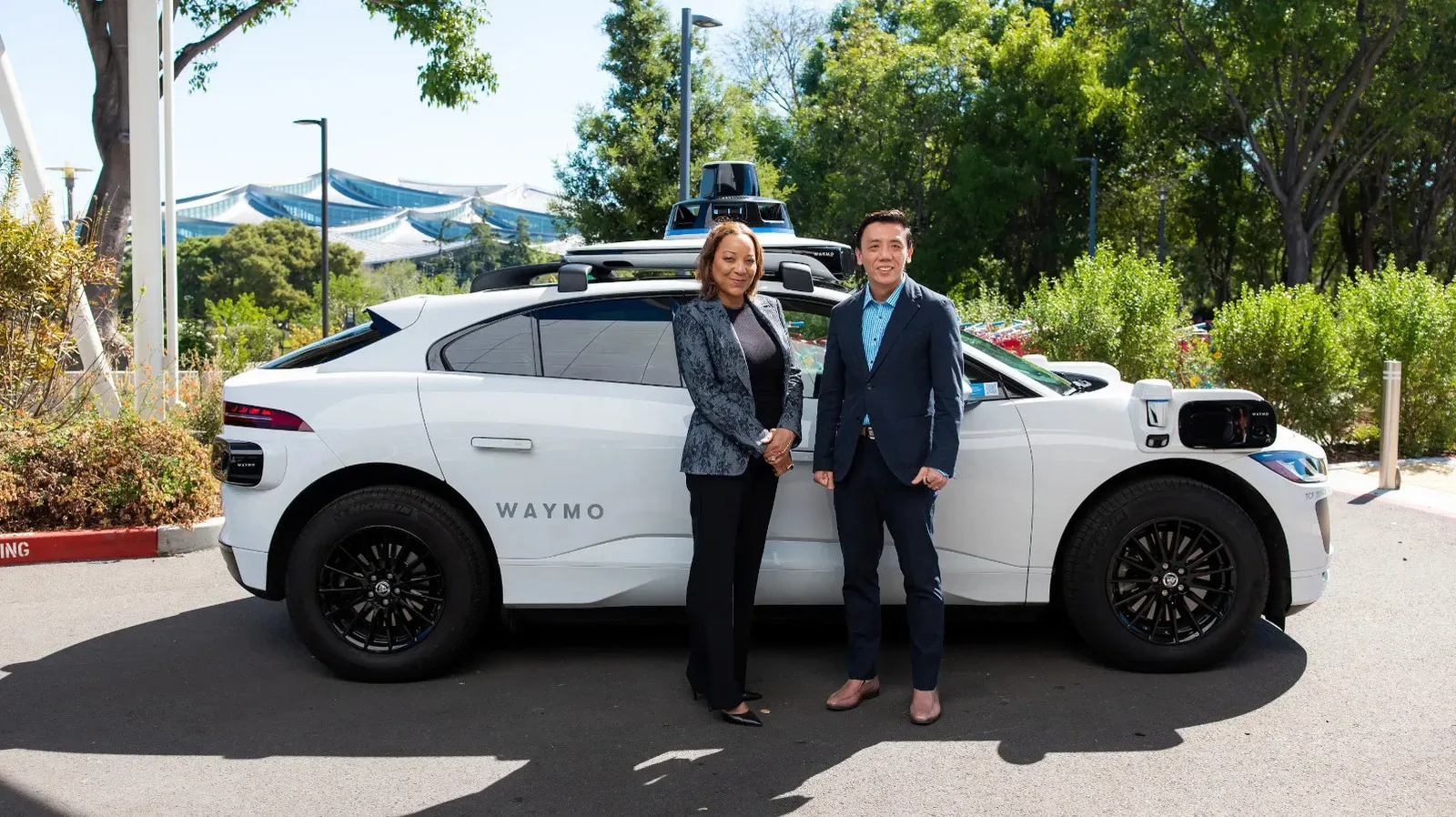
Waymo is planning a Singapore expansion that would make the island nation its next international robotaxi market. The company expects its first Jaguar I-PACE vehicles to arrive in the coming months, followed by a lengthy local preparation phase. Its stated target is to begin offering rides to members of the public in 2028 through the Waymo app.
That timetable matters because the plan is not framed as an immediate driverless launch. Throughout 2027, Waymo specialists are expected to drive the vehicles manually on Singapore’s streets, mapping the network and adapting the company’s driving system to local road geometry and weather patterns. Put simply: cars may arrive well before riders can request one, because a robotaxi service needs a detailed operating foundation before it can plausibly be offered at scale.
Singapore will also extend Waymo’s presence in Asia. Tokyo was the company’s first international location, with driverless-car testing beginning there in 2025. Waymo is preparing for commercial availability in Tokyo in 2027, where rides are planned through both its own app and the locally used GO Taxi app. Singapore is presently set to follow a year later, but with its own app named as the rider-facing route.
What Waymo’s Singapore plan actually includes
The announced sequence has three clearly defined parts: vehicle arrival, local mapping and system adaptation, then a public-service goal. Jaguar I-PACE vehicles are due in Singapore over the coming months. During 2027, specialists will manually drive them around the country. Waymo will use that work to map the streets and make changes accounting for the particulars of Singapore’s road layout and weather. Public rides are expected in 2028.
Mapping in this context is more than choosing a destination on a consumer navigation app. An autonomous-driving service needs an operational understanding of the roads in the area where it intends to run. The announced work indicates Waymo will build and refine that local road knowledge before opening the service to passengers.
Road geometry refers to the physical layout and design of streets: how lanes, junctions, turns and other road features are arranged. It is a useful term here because an autonomous driving system must operate amid the details of the environment, not merely recognize a city name or follow a broad route. Waymo’s plan to modify its system for Singapore’s road geometry signals that expansion is a local engineering and operational task, rather than a simple relocation of vehicles from one market to another.
The company also specifically identifies weather patterns as an area requiring adjustment. No particular changes have been described, and the announcement does not say exactly how the system will be altered. Still, identifying weather alongside road geometry makes the underlying approach clear: Singapore is being treated as a distinct operating environment with its own conditions to account for before the 2028 public-service objective.
A measured route to an international launch
The gap between the 2027 mapping period and the 2028 public target is an important practical detail. It means that the manual driving phase should not be confused with commercial robotaxi availability. A vehicle being driven by a specialist as part of mapping is not the same thing as a rider summoning an autonomous trip through an app.
For potential passengers, the current information establishes an expected destination, not a launch-day promise. The company says it expects to begin public rides in 2028. The wording leaves the schedule as a target, and no service area, ride pricing, operating hours or fleet size has been provided. Nor has the announcement described the eventual passenger experience beyond access through Waymo’s app.
That distinction is especially useful when robotaxi expansion headlines compress several phases into one. In this case, the known stages are concrete: I-PACE vehicles are to arrive, specialists will drive them manually throughout 2027, mapping and system work will take place, and public rides are expected in 2028. Everything beyond those points—including which neighbourhoods might be served first—remains unconfirmed.
Why Tokyo is the closest available comparison
Tokyo provides the clearest reference point within Waymo’s disclosed international plans. The company started driverless-car testing there in 2025 and is preparing for commercial availability in 2027. It expects to make Tokyo rides available through the Waymo app as well as GO Taxi, an app widely used in the city.
Singapore’s plan differs in the distribution detail currently on the table. Waymo says rides there are expected through its own app; no local ride-booking partner has been named. That does not prove that no partnership will emerge, but it does mean the currently described Singapore launch model is more limited in scope than the two-app arrangement planned for Tokyo.
The two cities are linked by a broader idea, too. Both have established public transportation systems built around buses and trains. Waymo is positioning its autonomous rides around first-and-last-mile connectivity, a transport term for the portion of a journey between a person’s starting point and a transit hub, or between a final transit stop and the actual destination.
The transit connection Waymo is aiming for
First-and-last-mile travel is a less sweeping use case than presenting robotaxis as a replacement for every trip. It focuses on the awkward sections around a train or bus ride: getting from home to a station, or completing the trip after getting off public transport. Waymo’s stated rationale is that its vehicles could assist people who do not live near subway stations, as well as those trying to reach a station quickly enough to catch the next train.
That framing places the proposed service alongside existing transit rather than automatically against it. Buses and trains handle the core network in both Singapore and Tokyo, while an on-demand vehicle could be used for the connection at either end. Whether a rider chooses that option would naturally depend on factors not yet announced for Singapore, such as coverage, timing and cost. None of those details should be assumed from the 2028 target.
There is also a practical implication for how success should be judged. The relevant question is not only whether a car can travel between two arbitrary points. For a first-and-last-mile service, usefulness is closely tied to whether trips fit the moments when public transport is least convenient: a home that is not close to a subway station, a short connection to a train, or a destination beyond the easiest walking distance from a stop.
Waymo’s announcement therefore describes a mobility role with a defined purpose, even if the eventual boundaries are still unknown. It is not a declaration that public transportation is being displaced. Instead, the company is identifying a potential gap between where rail and bus networks reach and where individual journeys begin or end.
What remains unknown ahead of 2028
The Singapore plan contains a timetable and an intended rider app, but it leaves major customer-facing questions open. There is no stated price, no confirmed geography for the initial service, and no information on the number of Jaguar I-PACE vehicles that may ultimately operate. The company has likewise not laid out hours of operation or the specific timing within 2028 for a public debut.
Those unknowns are significant because they shape the difference between an interesting technical arrival and a routinely useful transport option. A limited operating footprint would create a different service from a broad one, for example, while app access alone does not answer how a trip would fit into an everyday train-and-bus commute.
For now, the strongest takeaway is the deliberate deployment order. Waymo intends to bring vehicles into Singapore, spend 2027 with specialists manually driving and mapping the roads, tune its system for local conditions, and then work toward public rides in 2028. The approach mirrors the broader reality that international autonomous-vehicle projects are not a one-step software rollout. Local streets, local weather and the intended relationship with public transport all sit inside the plan.
The move also arrives as AI-driven technology continues to prompt wider questions about how complex systems are deployed and governed; those broader industry pressures are visible in ongoing discussion around AI’s costs and consequences. In Singapore’s case, the immediate test is more specific: whether the year of mapping and adaptation can turn a stated 2028 goal into a practical transit-connecting ride service.