Twitch is testing a new Shopping category in the United States, giving Amazon Live product streams a conspicuous home on a platform best known for games, creators and live community chat. The early version is not subtle: Shopping is being promoted above Twitch’s main category carousel and has its own top navigation link, putting it among the first destinations viewers can see rather than leaving it buried in a directory.
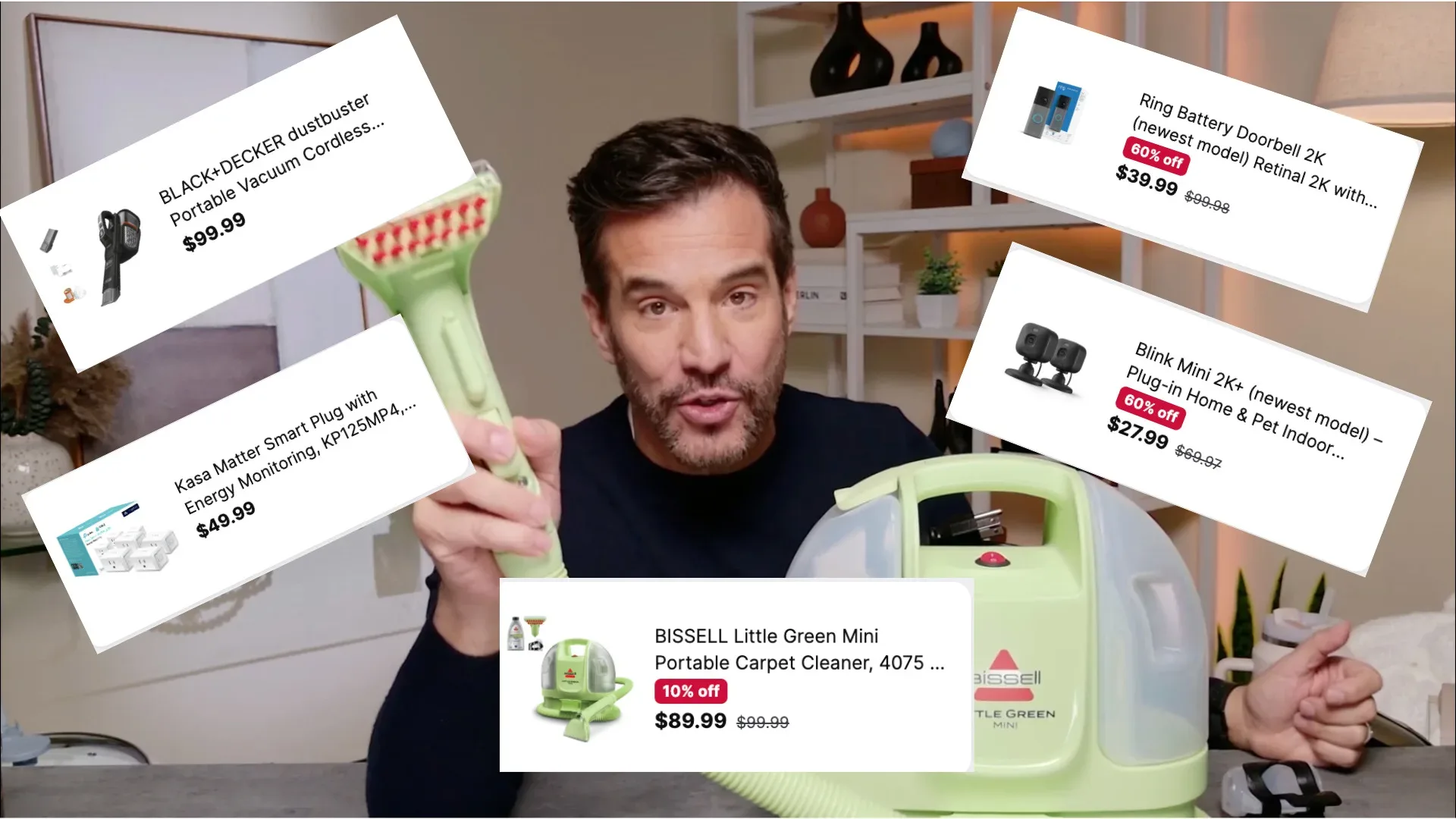
The initial programming appears to come from Amazon Live, the company’s existing creator-led shopping operation. In these streams, hosts demonstrate products and direct viewers toward Amazon listings, receiving a share of sales they generate. The items seen in the category range from kitchen appliances, including Vitamix blenders, to faux-leather handbags. Product links are presented in an on-page carousel, turning a conventional Twitch viewing page into a route from live video to a checkout listing.
For Twitch viewers, the immediate practical change is simple: the service is trialling a dedicated place for shopping streams, rather than asking people to stumble across them among gaming, music or other live categories. For Amazon, the bigger appeal is equally straightforward. Twitch offers another pool of attention for a format designed to convert demonstration and personality into product purchases.
What the Shopping test looks like so far
The category’s early scale appears small. Six Amazon Live streamers were reported in the test, with a combined audience of 65 viewers at the time observed. That is not enough to establish whether Twitch audiences will embrace live retail programming, but it does underline that this is an experiment rather than evidence of a platform-wide audience shift.
It also matters that the visible hosts are Amazon Live creators, not established Twitch creators adopting a new way to earn from their channels. The distinction is important. Twitch is not yet visibly turning its usual creator ecosystem into a storefront; it is importing a pre-existing Amazon shopping format and placing it in front of Twitch users. Whether the category later attracts regular Twitch broadcasters—or whether it remains a separate island of product demonstrations—will determine how strongly it changes the platform’s identity.
On the available evidence, the streams appear structured around a supplied selection of products. That approach resembles familiar televised shopping: a host cycles through items, explains or shows them, and gives the audience a direct purchasing path. The livestream version adds chat and the immediate proximity of product links, but the central proposition is still retail presentation rather than gameplay or a typical creator broadcast.
Amazon Live, explained
Amazon Live is a creator shopping program in which presenters demo products and can earn a cut from the sales they drive. In this context, “a cut” means compensation tied to purchases attributed to the creator’s stream or links. It is a commerce model built around affiliate-style attribution: the platform needs to connect a sale with the creator who referred the buyer in order to calculate compensation.
The embedded listing carousel is a crucial part of that design. It reduces the number of steps between watching a product pitch and viewing the item for sale. Instead of expecting viewers to search for a blender, bag or another featured item afterward, the stream page presents a direct route to the relevant Amazon listing while the demonstration is happening.
Related coverage includes Twitch Tests a Shopping Category Built Around Amazon Live.
That convenience can be useful for a viewer who has already decided to research a purchase. It can also make the commercial purpose of the stream much more explicit than a normal creator mentioning a product in passing. The category’s success will likely depend on whether viewers see that directness as a useful shopping aid or as an interruption to the version of Twitch they came to use.
Why the timing matters
The test arrives alongside Amazon Prime Days, a period when Amazon has a clear reason to put deals and product discovery in front of as many people as possible. The company’s wider ecosystem can support that effort in ways a standalone livestream platform cannot: a product can be demonstrated on Twitch, displayed through an Amazon-linked carousel and purchased through an existing retail destination.
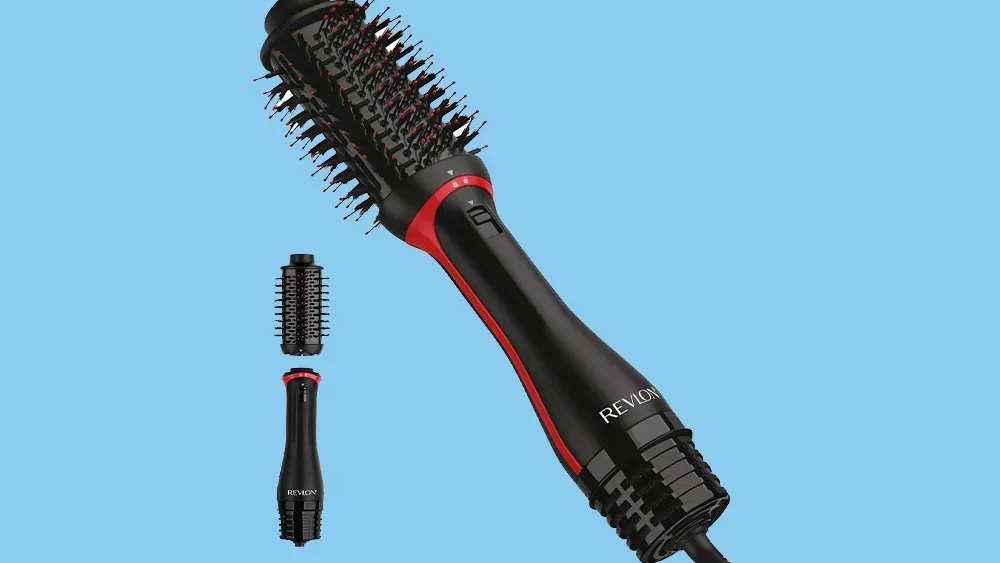
That does not mean every deal-oriented page or listing is part of the Twitch experiment. For example, a Revlon One-Step Volumizer Plus listing during Prime Big Deal Days illustrates the kind of deal context surrounding the promotion period, but it should not be read as proof that the item is included in the Twitch Shopping test.
The timing gives the category an obvious use case: live programming can create urgency around products during a major retail event. Yet the test may have relevance beyond a short promotional window. A permanent shopping tab would give Amazon a continuing place to run creator-led commerce streams whenever it wants, while also creating a distinct destination for audiences specifically looking to browse products.
A new monetisation lane, separate from subscriptions and ads
Twitch has long been associated with live entertainment and creator support, while this test places transaction-driven programming directly in the product. Shopping streams offer Amazon an additional commercial lane: rather than relying only on ads around video or viewer support for creators, the company can attempt to turn viewing into retail sales.
The experiment lands as Twitch is also testing the use of AI transcription to assess a stream’s suitability for advertising. AI transcription means automated systems convert spoken audio into text. Here, that text can help evaluate the content of a broadcast when deciding whether, or how, ads should appear against it.
“Ad fitness” is best understood as brand suitability: an assessment of whether a stream is an appropriate environment for advertising. Automated transcription can give a platform another signal about what is being discussed, though the available details do not establish exactly how Twitch weighs transcribed speech, what outcomes it produces for individual streams, or how the system handles context. Those unanswered questions matter because spoken language in a live broadcast can be fast, informal and highly context-dependent.
Placed together, the shopping category and advertising experiment point toward two different ways of making live attention commercially useful. One tries to facilitate purchases through the stream itself. The other concerns the ads that may run against the stream. Neither automatically changes what every broadcaster does, but both show Twitch testing more formal systems around commerce and ad placement.
What it could mean for gaming audiences and creators
For a gaming-focused audience, the most notable detail is what has not happened so far. There is no indication that regular gaming streams are being replaced by product demonstrations, nor that ordinary Twitch streamers have broadly joined this category. The test is currently a separate Shopping destination populated by Amazon Live programming.
That separation may be deliberate. A clearly labelled category gives interested viewers an opt-in path to live product pitches while preserving the expectation that someone browsing games is there to watch games. It also gives Twitch a clean way to measure demand: how many people select the category, stay in the streams and interact with product links, without needing to recast every corner of the service as retail space.
For creators, the possibility is more complicated. If Twitch eventually opens a similar format to its established broadcasters, it could offer an additional revenue option for channels whose communities are interested in hardware, accessories, desk setups, food, fashion or other products. But it could also create pressure to adopt sales-oriented broadcasts in an environment where trust is often the most valuable part of a creator’s relationship with viewers.
The key difference is between a creator recommending something because it fits their content and a stream whose central purpose is selling a sequence of products. The current Shopping category leans toward the latter. That makes its reception a test not only of purchasing behavior, but also of whether Twitch users want this style of livestreaming to occupy premium space on the platform.
The early question is fit, not scale
Live shopping already has a clear premise: a host presents products, the audience asks questions or watches a demonstration, and the path to purchase is close at hand. Twitch adds a highly live, chat-oriented environment and an audience accustomed to spending long stretches with broadcasters. In theory, those are useful ingredients for commerce. In practice, the early audience figure suggests there is plenty left to prove.
The most useful way to view this launch is as a test of fit. Can Amazon Live’s retail programming find viewers in a Twitch environment? Will the prominent homepage and navigation placement produce sustained interest after Prime promotional activity? And will the category remain an imported Amazon Live showcase, or become a tool used by Twitch’s own creators?
For now, Shopping is a small, US-focused experiment with unusually prominent placement and an unmistakable goal: connect livestream attention to Amazon product listings. Its long-term significance depends less on the existence of a new tab than on whether viewers choose it, return to it and accept shopping as a durable part of the Twitch menu.