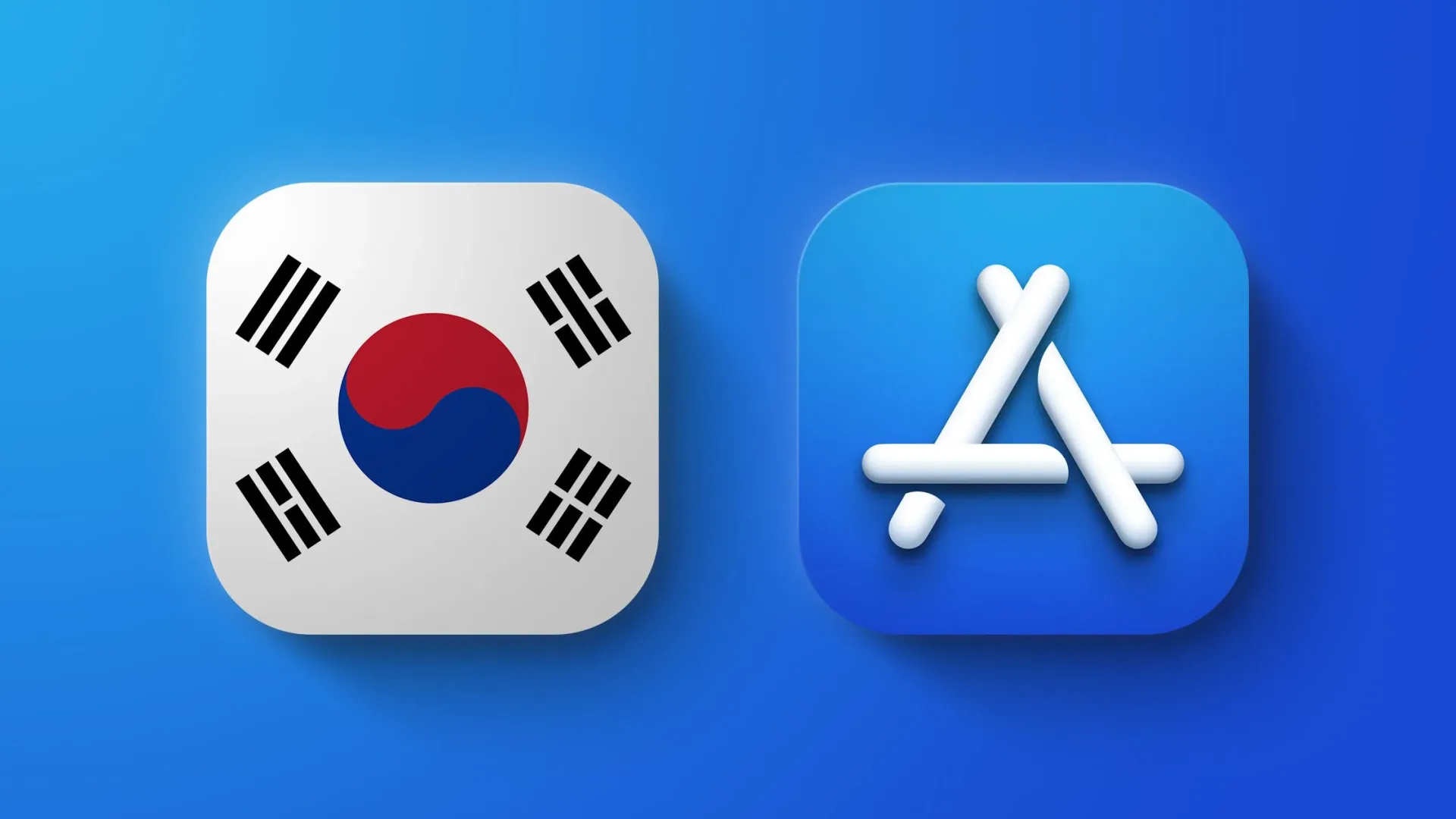
South Korea has fined Apple 20.8 billion won, or roughly $15.5 million, after finding that the company’s app-payment policies did not provide developers with a meaningful alternative to Apple’s own payment system. The regulator has also ordered Apple to allow developers to link from their apps to external payment options.
The decision is significant for the game industry as well as the wider app economy. Mobile games are among the apps most dependent on recurring digital purchases, whether those purchases are virtual currency, battle passes, subscriptions, cosmetic items, or premium unlocks. Rules governing where a player can pay, what a developer can say about alternative payment methods, and what fee remains payable to the platform can materially shape a game’s business model.
Apple was not the only company sanctioned. Google was fined 42.9 billion won, approximately $32 million. South Korea’s Korea Media and Communications Commission concluded that both companies had effectively steered developers back toward their respective payment systems despite a 2021 law intended to permit alternatives.
What the regulator found
Apple and Google had permitted third-party payment services inside apps, but the commission found that their accompanying conditions still weakened that option. In particular, developers were charged a 26% commission and faced restrictions on certain features. The regulator’s view was that these terms made the alternative route less viable and continued to push developers toward the companies’ own billing systems.
The ruling also addresses external payment links. In practical terms, this means a developer can direct a user from the app to another place to complete a payment, rather than limiting the user to an in-app checkout controlled by the platform owner. The commission said rules preventing those links further narrowed developers’ options.
That distinction matters. A third-party payment processor used inside an app is not necessarily the same thing as an external purchase link. The former changes who processes the transaction at checkout; the latter can give the developer a way to tell customers about a payment path outside the app itself. South Korea’s order concerns the ability to provide those external links.
Why payment links matter to game developers
For a developer selling digital content, a platform commission is a direct cost attached to every qualifying transaction. A 26% commission can affect how much revenue reaches the studio after a player makes a purchase. It may influence pricing, the size of an in-game currency pack, the design of promotions, or whether a developer considers a certain monetization feature sustainable.
That does not automatically mean an external option is simpler for players or developers. A developer using another payment method may need to manage its own checkout flow, customer support, refunds, account issues, and payment-provider relationships. The supplied findings do not establish what any individual developer will choose to do. They do show that South Korean regulators believe developers must have a genuine ability to make that choice rather than an alternative that remains commercially constrained by platform terms.
For players, the immediate effect is not a guaranteed discount, nor is it a promise that every game will start advertising an outside store. Developers will decide whether offering an external payment path is worth the operational work. Still, the order could make it possible for more apps to present choices that were previously restricted.
In games, that could be especially relevant to titles with a steady cadence of add-on purchases. But the ruling does not say that any particular game, publisher, genre, or app must use outside billing. It concerns the rules imposed by the app-store operators and the options available to developers.
The broader issue: permitted alternatives versus effective alternatives
The core of the commission’s finding is not simply that third-party payments existed on paper. It is that the fee and feature limits attached to them could leave developers functionally dependent on the platform’s own system.
This is an important distinction in app-store policy. A platform can describe a second route as available, while the economics or design restrictions of that route may make it substantially less attractive. Regulators in this case concluded that the 26% commission and associated restrictions had that effect.
Apple’s payment system is part of the company’s wider approach to the App Store. Apple has said that its system helps protect customers from fraud. The company disputes the ruling, says its policies comply with South Korean law, and is considering legal options. That means the final practical shape and timing of any policy change remain uncertain.
Apple’s position highlights a competing concern in the debate. Centralized billing can provide a consistent payment process and place certain fraud protections within a system the platform controls. The regulator’s decision does not erase that argument; instead, it says that those protections cannot justify conditions that effectively maintain a compulsory platform-payment arrangement under the country’s law.
App review is part of the order too
The commission’s action goes beyond payments. Apple and Google must improve their app-review processes. The regulator found that some reviews were delayed without clear explanations of the reason for the delay or information about when a review would resume.
App review is the approval process through which a platform evaluates an app or an update before it becomes available through the store. For developers, delays can have practical consequences. An update may be intended to fix a bug, respond to a live-service issue, or align an app with a changing rule. If its status is unclear, the developer may have difficulty planning support, communication, and release schedules.
The commission’s concern here is transparency rather than a claim that apps should bypass review. Its finding focuses on the lack of clear reasons and resumption information in some delayed reviews. Better explanations and clearer status updates would give developers more visibility when their software is held up in the process.
For games that are updated frequently, review predictability can be nearly as important as the review result. A studio may coordinate updates across multiple storefronts, prepare player-facing notices, and schedule time-limited in-game activity around a release. The ruling does not set out a universal deadline for reviews in the information available, but it places pressure on the platforms to communicate more clearly when the process stalls.
Separate finding on Apple’s developer commissions
The commission also separately found that Apple charged South Korean developers higher commissions than overseas developers from 2015 through January 2023. The supplied material does not specify the rate differences, the categories of developers involved, or what remedy applies to that separate finding. Those details should not be assumed.
Even without those specifics, the finding adds another dimension to the decision. It is not limited to the mechanics of third-party payments or the wording of a link rule. It also concerns how commission terms were applied to developers based in South Korea over a defined period.
What happens next
Apple has indicated that it disagrees with the decision and is weighing legal options, so developers and players should not treat the announcement as proof that every App Store payment screen will change immediately. The company’s response could affect implementation, while developers will still need to decide how, or whether, to use any external-link option made available to them.
The concrete facts are clear: Apple has been fined, ordered to permit external payment links, and told to improve aspects of its review process. Google has also been fined over the regulator’s finding that the companies’ conditions preserved effective pressure to use their own payment systems.
For game makers, the case is a reminder that the commercial rules of mobile storefronts are not a background detail. They can determine the pathways available to sell digital goods and the share of a transaction retained by the studio. For players, the result may eventually produce more visible payment choices, though the ruling alone does not guarantee lower prices or a uniform experience across every app.
The dispute also arrives amid continued attention on Apple’s wider product ecosystem, including recent discussion surrounding Apple’s store activity and MacBook Pro rumors. In South Korea, however, the immediate issue is much narrower and more consequential for app businesses: whether alternatives to platform billing are available in a way that developers can actually use.