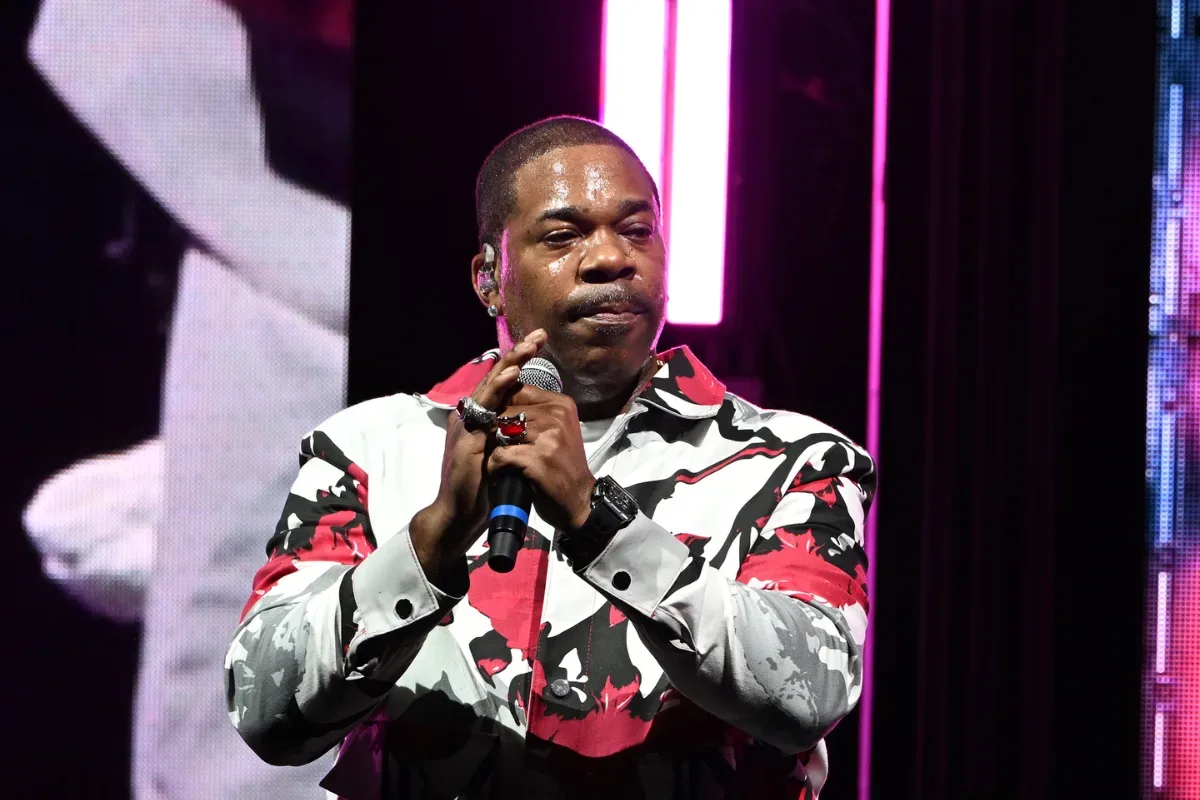
RBX’s amended lawsuit against Spotify has been rejected, bringing another setback in his effort to hold the streaming company responsible for the alleged effects of artificial streaming activity on smaller artists and music-rights holders.
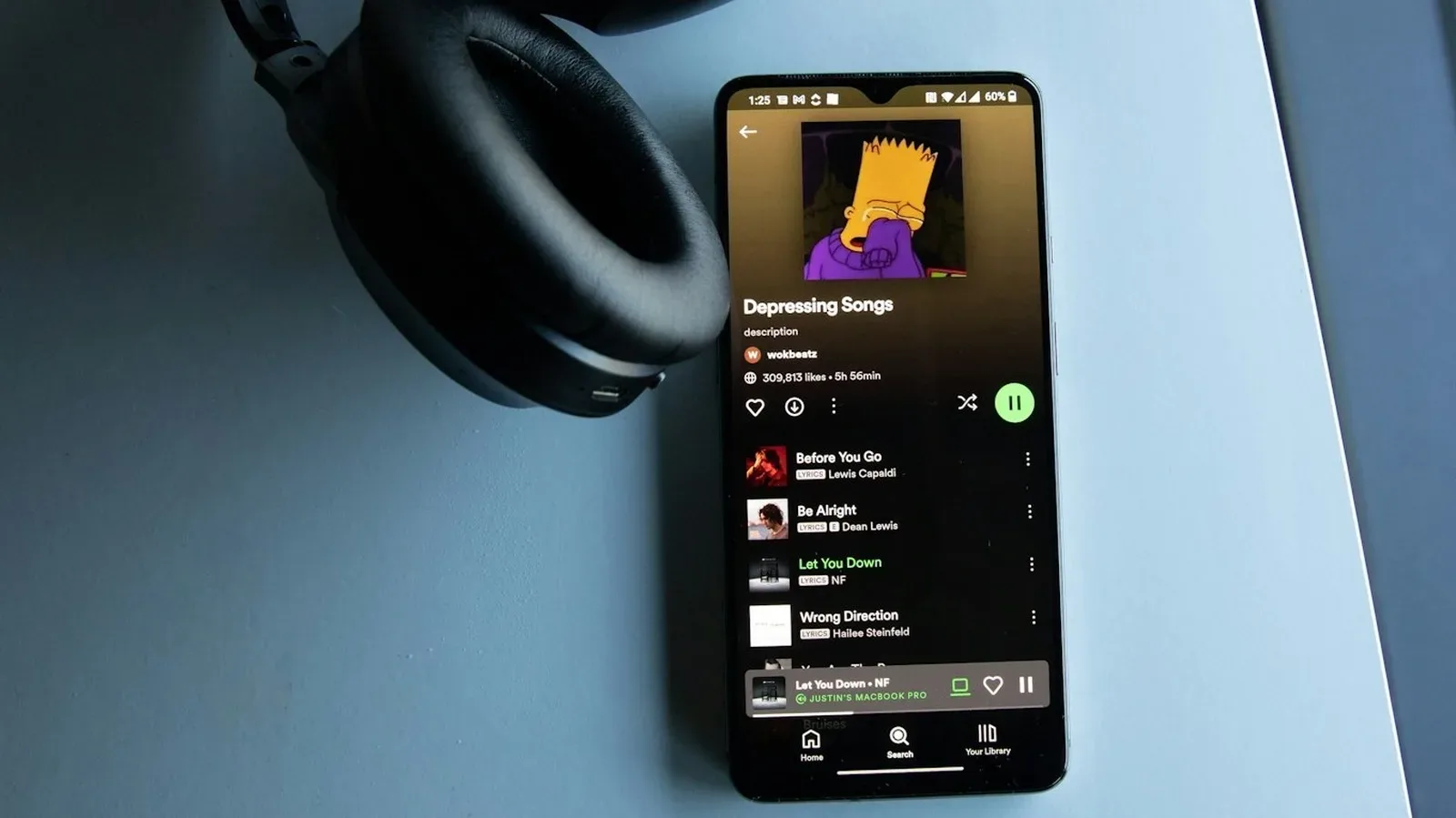
The case centers on botting: the use of automated or otherwise inauthentic activity to increase streams or listeners. In music-streaming disputes, the concern is straightforward even when the underlying systems are not. If counts can be artificially raised, those numbers may make an artist appear more popular than they are. RBX argued that the practice can benefit major artists while reducing royalty opportunities for others.
But the court concluded that the amended complaint did not establish the legal basis required for Spotify to be liable on the theory RBX advanced. The ruling also found that RBX had not demonstrated consumer or competitor harm, even though he alleged losses in his capacity as a music-rights holder.
What RBX alleged in the case
RBX initially sued Spotify in 2025. That first complaint was dismissed, though the court permitted him to submit an amended version. The amended complaint again focused on Spotify’s response to allegedly fraudulent streaming and the claim that the platform applied its standards unevenly.
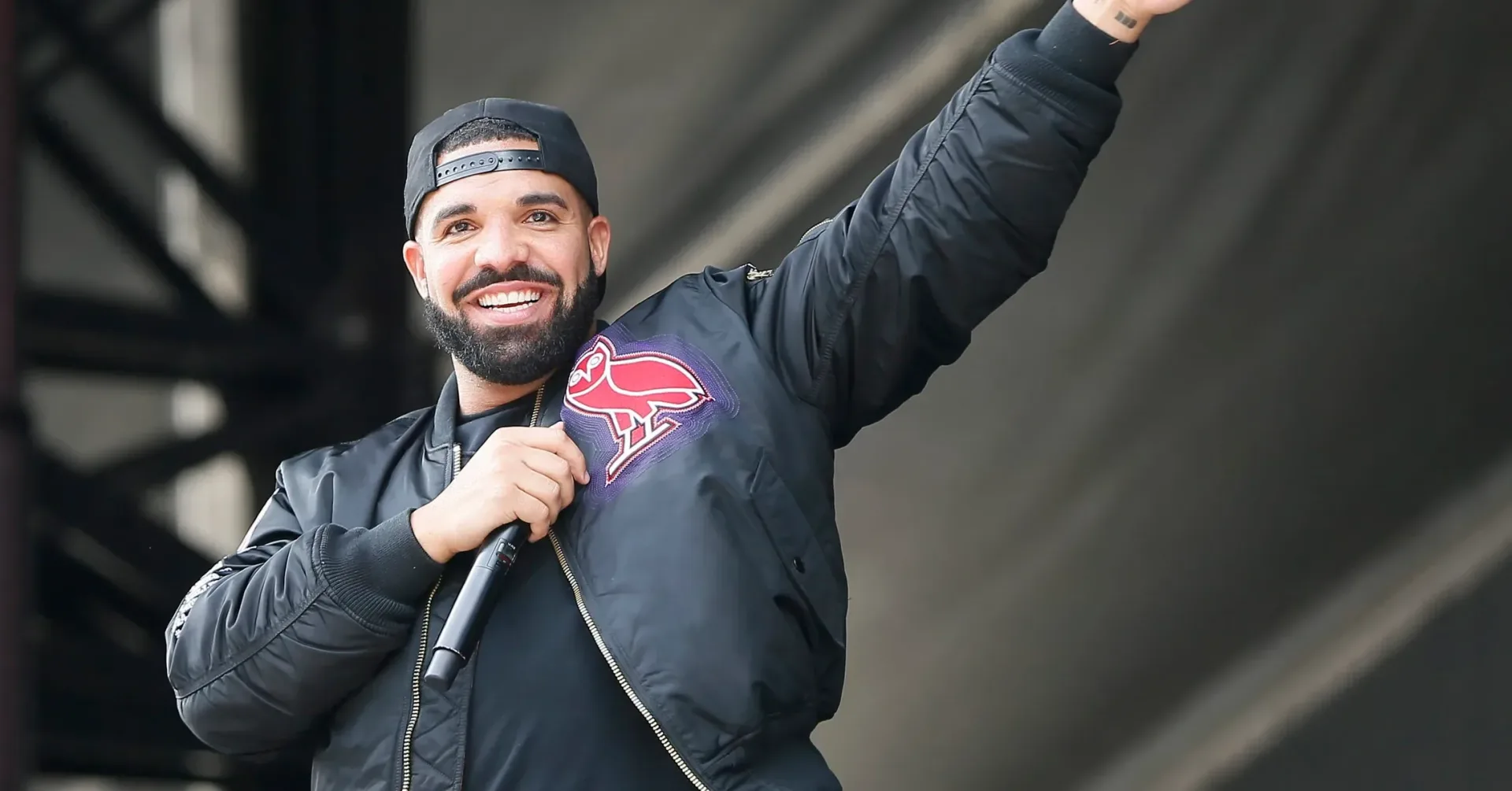
RBX’s position was that Spotify’s stricter fraud controls disproportionately affected smaller artists while major artists were not held to the same standard. His earlier complaint referred to Drake as an artist who allegedly benefited from botting, but Drake was not named as a defendant.
That distinction matters. Referencing a public figure in describing an alleged market problem is not the same as bringing a legal claim against that person. The action described here was directed at Spotify, and the court’s decision concerned whether the complaint sufficiently stated a claim against the platform.
The amended pleading relied in part on minimum streams and listener requirements that can affect smaller artists. RBX attempted to use those requirements to support the argument that Spotify operated a double standard. The court found that he had not identified a specific rule showing that such a double standard existed.
The court’s central finding: impact alone does not create a legal duty
Judge Staton’s reasoning drew a line between an artist being affected by activity on a platform and the platform being legally required to shield that artist from the activity. In the ruling, the judge wrote:
“That streaming activity on Spotify’s platform may impact [RBX’s] career and status does not transform Spotify’s role into one of a protector.”
In practical terms, the court did not accept the proposition that Spotify has a special legal duty to protect smaller artists from third-party bots merely because bot activity may influence career prospects, rankings, visibility, or potential royalty outcomes.
This is a particularly important difference in platform-related litigation. A complaint can describe conduct that is frustrating, unfair-seeming, or commercially damaging. It must still connect that conduct to a recognized legal obligation owed by the defendant. Here, the court found the required connection missing.
The ruling further rejected the argument that Spotify’s anti-fraud efforts themselves created the claimed responsibility. Put another way, a platform’s decision to pursue anti-fraud initiatives did not, on the allegations presented, establish that it had assumed a broader duty to safeguard every smaller artist against third-party artificial streaming.
What “double standard” means in this dispute
RBX’s theory depended heavily on the alleged inconsistency between how smaller and larger artists were treated. A double standard, in this context, means applying materially different rules or enforcement practices to comparable situations without a legally sufficient justification.
The court’s response was not an endorsement of artificial streaming, nor was it a finding that botting never occurs. Rather, it was a finding about the complaint’s legal specificity. The judge concluded that RBX did not point to an identifiable Spotify rule that established the claimed unequal standard.
That is a narrower but consequential result. It means the ruling turns on what RBX pleaded about Spotify’s policies and obligations, not on a broad factual determination about every allegation surrounding streaming manipulation. Lawsuits require more than a general assertion that one group receives better treatment than another; the claimant must articulate the rule, duty, or legal theory that makes the unequal treatment actionable.
Why minimum thresholds were not enough
Minimum stream and listener requirements can matter greatly to artists trying to earn money or establish an audience. RBX cited thresholds affecting smaller artists as part of his case. Yet a threshold is not automatically proof of a separate, unenforced standard for major artists.
The court found that the allegation did not identify the specific rule necessary to show that Spotify had adopted the claimed double standard. The gap is significant: a policy that affects a smaller artist may be economically meaningful, but a legal claim based on disparate enforcement needs to show how the same governing standard was applied differently, or how the platform was bound by a particular obligation it failed to meet.
Consumer and competitor harm also shaped the ruling
The decision additionally pointed to the absence of allegations showing harm to Spotify’s consumers or competitors. RBX claimed personal losses as a rights holder, but the court did not find that this alone met the relevant requirement described in the ruling.
A music-rights holder is someone with an ownership interest in music rights and therefore a potential financial interest in royalties. RBX’s claimed injury was tied to that position: if artificial activity alters the distribution of attention or streaming revenue, a rights holder may contend that legitimate creators receive less than they otherwise would.
That asserted economic effect was not enough in this case. The court distinguished RBX’s claimed losses from demonstrated injury to the platform’s consumers or competitors. This again illustrates a key feature of the dismissal: the decision was about whether the complaint satisfied the relevant legal requirements, rather than a calculation of whether RBX’s career had been affected by fraudulent activity.
What the decision does and does not decide
The rejection of the amended complaint does not establish that artificial streaming is harmless. It does not decide that every reported stream reflects a real listener, and it does not make a general factual finding that the industry has no botting problem. Those much broader questions are not resolved simply by the dismissal described here.
It does mean that RBX’s specific attempt to place responsibility on Spotify did not clear the court’s pleading standard. The court found no special duty requiring Spotify to protect smaller artists from third-party bots, no sufficiently identified rule proving the alleged double standard, and no adequate showing of harm to Spotify consumers or competitors.
For artists and rights holders, that distinction is more than legal jargon. It clarifies that concerns about visibility, fraud controls, eligibility thresholds, and royalty allocation may be real commercial concerns while still being difficult to convert into a successful lawsuit against a platform. The legal claim must identify not only a harmful outcome, but also a defined obligation, a breach of that obligation, and the kind of harm required by the claim being pursued.
Why streaming-fraud disputes remain difficult
Botting is contentious because streaming metrics can carry several kinds of value at once. A larger listener count may affect public perception, and streams can also be tied to royalty interests. That combination makes allegations of inauthentic activity especially charged: the dispute is not merely about a misleading number, but about the possibility that misleading activity can affect money and status.
Yet the court’s ruling shows why the issue is not solved by stating that fraud may distort results. A plaintiff pursuing a platform must explain why the platform, rather than an unknown third party operating bots, bears a legal responsibility for the alleged harm. RBX argued that Spotify’s anti-fraud initiatives and industry relationships supplied that responsibility. The court disagreed.
This leaves a difficult practical reality for independent and smaller artists who believe artificial activity affects the ecosystem around them. The concern may involve an opaque mix of platform enforcement, rights-holder economics, public metrics, and automated activity. But a court will assess the actual legal duty and factual allegations in the complaint, not simply the broader frustration with how those forces may interact.
The debate over platform accountability is not confined to music. Digital services routinely face questions about how much responsibility they should bear for activity by third parties, especially where automated systems can change visibility or perceived popularity. The industry is also navigating adjacent questions around technology policy and user protection, including new rules aimed at AI chatbot safety, age checks, and data limits. The legal frameworks may differ, but the underlying tension is familiar: what does a platform choose to police, and what is it legally compelled to prevent?
Where the case stands
RBX has now had both the original complaint and the permitted amended complaint dismissed. The latest ruling rejects his effort to frame Spotify’s anti-fraud efforts and alleged unequal enforcement as a legal obligation to protect smaller artists from the impact of third-party bots.
The decision is a setback for this particular lawsuit, while leaving the wider argument over fraudulent streaming and its potential effect on artists unresolved. The ruling does not settle every question surrounding botting; it settles that the claims RBX put forward did not adequately establish Spotify’s duty or the alleged double standard required to proceed.