Meta Connect 2026 is set to run across September 23 and 24, with the company promising updates on artificial intelligence, AI glasses and virtual reality. For players and creators who follow VR hardware, Horizon Worlds and the wider mixed-reality ecosystem, the useful part is not simply that another keynote is happening: this is a two-day event split between a major product-and-platform presentation and a developer-focused follow-up.
The show arrives after a 2025 Connect that introduced several glasses products, including second-generation Ray-Ban Meta glasses, Oakley Meta Vanguard glasses and Meta Ray-Ban Display, described as Meta’s first AI glasses with a display. That earlier event also included Quest software updates and the introduction of Meta Horizon Studio, a platform for creating VR spaces in Horizon Worlds.
This year’s agenda points back toward those same three fronts—AI, glasses and VR—but two reports make the hardware side especially notable. One concerns a reportedly camera-free smart-glasses model informally known as Luna. The other concerns a slimmer mixed-reality headset codenamed Project Phoenix. Neither reported product should be treated as confirmed until Meta addresses it on stage, and a reveal would not necessarily establish a release date or broad retail availability.
When Meta Connect 2026 starts
The main keynote is scheduled for September 23 at 7 PM Eastern / 4 PM Pacific, led by Meta CEO Mark Zuckerberg. The program resumes on September 24 at 1 PM Eastern / 10 AM Pacific with a developer state of the union and developer sessions.
- September 23, 7 PM ET / 4 PM PT: Zuckerberg keynote
- September 24, 1 PM ET / 10 AM PT: Developer state of the union and developer sessions
- Afterward: Developer sessions are expected to be available on demand
Meta says translations will be offered during the livestream for viewers who do not speak English. The second day is expected to feature developer advocates, software engineers, designers and product managers working across VR, AI glasses and Horizon.
How to watch the livestream
There are two stated routes for watching remotely. Viewers can register through Meta’s Connect site by entering a name, email address and country. The presentations will also stream through the Meta for Developers Facebook page.
Registration may be the cleaner option for anyone who wants the event organized in one place, while the Facebook stream provides an alternative for viewers who already use that platform. The key thing for VR fans is that Connect is not limited to the opening keynote: the September 24 developer programming could contain the more practical details about tools, platform direction and how Meta wants people to build for Horizon and related devices.
The biggest reported change: smart glasses without cameras
The most consequential unconfirmed report is that Meta could introduce camera-free smart glasses, unofficially referred to as Luna. The reported device would include six microphones and support voice interaction with Meta AI and Muse, Meta’s personal AI agent, which reached the public earlier in September.
“Camera-free” is a plain description, but it marks an important distinction in smart-glasses design. Camera-equipped glasses can capture what the wearer sees, which enables visual features but also creates immediate concerns for people around the wearer. A camera-free model would reportedly focus on audio input instead: microphones would enable spoken commands and conversation with an AI assistant, without the same ability to record video of nearby people.
That does not make privacy questions disappear. Microphones still raise questions about when audio is collected, how an assistant is activated and what controls are available. But removing cameras would address the most visible flashpoint surrounding current glasses: the possibility of discreet visual recording in public or social settings.
Meta’s existing glasses have faced sustained criticism and privacy concerns. The company has responded with measures intended to protect the integrity of the camera-status light, including disabling cameras when it detects that the flashing LED has been covered by tape or clip-on accessories. Posts depicting interactions while using tampered glasses have also led to Instagram bans. Against that backdrop, a camera-free design would be more than a spec-sheet variation. It would suggest an attempt to offer AI wearables that are less socially confrontational, at least on the question of visual capture.
What six microphones could mean—and what it does not prove
A six-microphone array is a group of microphones placed around a device. In general terms, multiple microphones can help a device distinguish speech from surrounding noise and identify the direction a voice is coming from. The supplied details only establish that Luna is reported to have six microphones for talking with Meta AI and Muse; they do not establish exact voice-processing behavior, recording rules, battery life, supported languages or the final feature set.
For users, that uncertainty matters. “AI glasses” is a broad label. The practical value would depend on how reliably the assistant hears commands, how it handles noisy environments, what it can actually do through voice and what data settings Meta provides. Connect could clarify those questions if the reported Luna device appears.
Project Phoenix could be the VR headline, but remains speculative
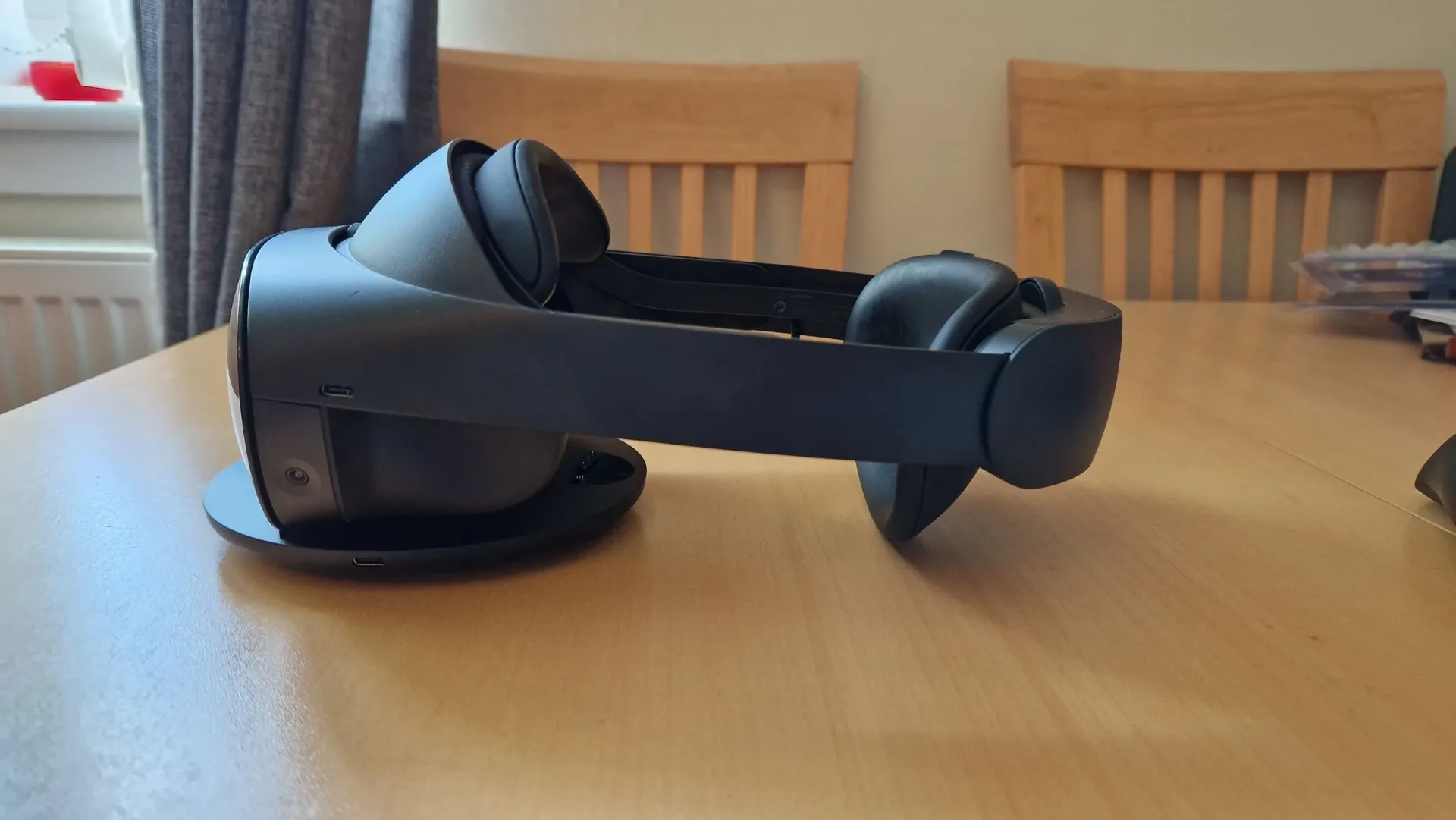
Meta may also use Connect to reveal Project Phoenix, a rumored mixed-reality headset said to have a slimmer design. Images of the device surfaced earlier in September, and Meta’s own event description explicitly includes VR. Those two facts make a public appearance plausible, but they do not amount to confirmation.
Mixed reality refers to a headset experience that combines digital content with views of the user’s physical surroundings. It differs from fully virtual environments by putting virtual objects, interfaces or characters into a view of a real room. That distinction is relevant for games, social spaces and productivity tools alike: developers may be designing for virtual worlds, physical spaces or applications that move between both.
A slimmer form factor would be significant if it were confirmed, because comfort and wearability are core constraints for head-mounted hardware. However, the available information does not specify the device’s technical capabilities, software, price, launch window or whether it will reach stores in 2026. It is best understood as a possibility to watch for, rather than a product to plan around.
The wider hardware conversation is moving quickly across gaming, audio and input devices. For one recent example of how peripheral makers are emphasizing tactile and AI-assisted features, see Logitech’s latest competitive PC gear. Meta’s challenge is different, but the same baseline applies: features only matter once the hardware is comfortable, understandable and useful in everyday play or work.
Why the developer day may matter more than the flashy announcements
Meta has positioned September 24 around developer advocates, engineers, designers and product managers across VR, AI glasses and Horizon. For the gaming side of its ecosystem, that is where the event could explain how new hardware connects to existing tools and platforms.
Horizon Worlds is Meta’s social VR space, while Horizon Studio is the platform introduced for building VR spaces within it. A keynote can establish a broad vision; developer sessions are where creators may learn whether there are new workflows, capabilities or priorities behind that vision. The provided agenda does not list specific tools or feature announcements, so viewers should avoid assuming that every hardware rumor will bring an immediate development platform change.
Still, the shape of the program is revealing. Meta is presenting AI glasses and VR in the same event and is dedicating sessions to both alongside Horizon. That signals an ecosystem approach rather than a siloed headset announcement. For developers, the central question is likely to be how much of the company’s AI work becomes accessible or useful across its wearable, VR and social-world products.
What to watch for during Connect
- Whether Luna is real: A formal announcement would confirm whether Meta is pursuing camera-free smart glasses and explain how Meta AI and Muse fit into them.
- Privacy controls: Any discussion of microphones, activation, indicators and data controls will be as important as the wearable’s design.
- A Project Phoenix appearance: A headset reveal could validate the rumor, but viewers should separate a visual tease from a confirmed launch plan.
- Quest and Horizon updates: Meta’s previous Connect included Quest software news and Horizon Studio. The developer sessions are the logical place for platform details this year.
- On-demand sessions: Anyone unable to tune in live can look to the replay availability for the more specialized September 24 material.
Connect 2026 therefore has a clear schedule and a less certain product story. The livestream itself is confirmed; the camera-free Luna glasses and Project Phoenix headset are reported possibilities. The September 23 keynote should establish what Meta is willing to put its name behind, while the following day will be the better watch for creators interested in where VR, Horizon and AI-enabled wearables may be heading.