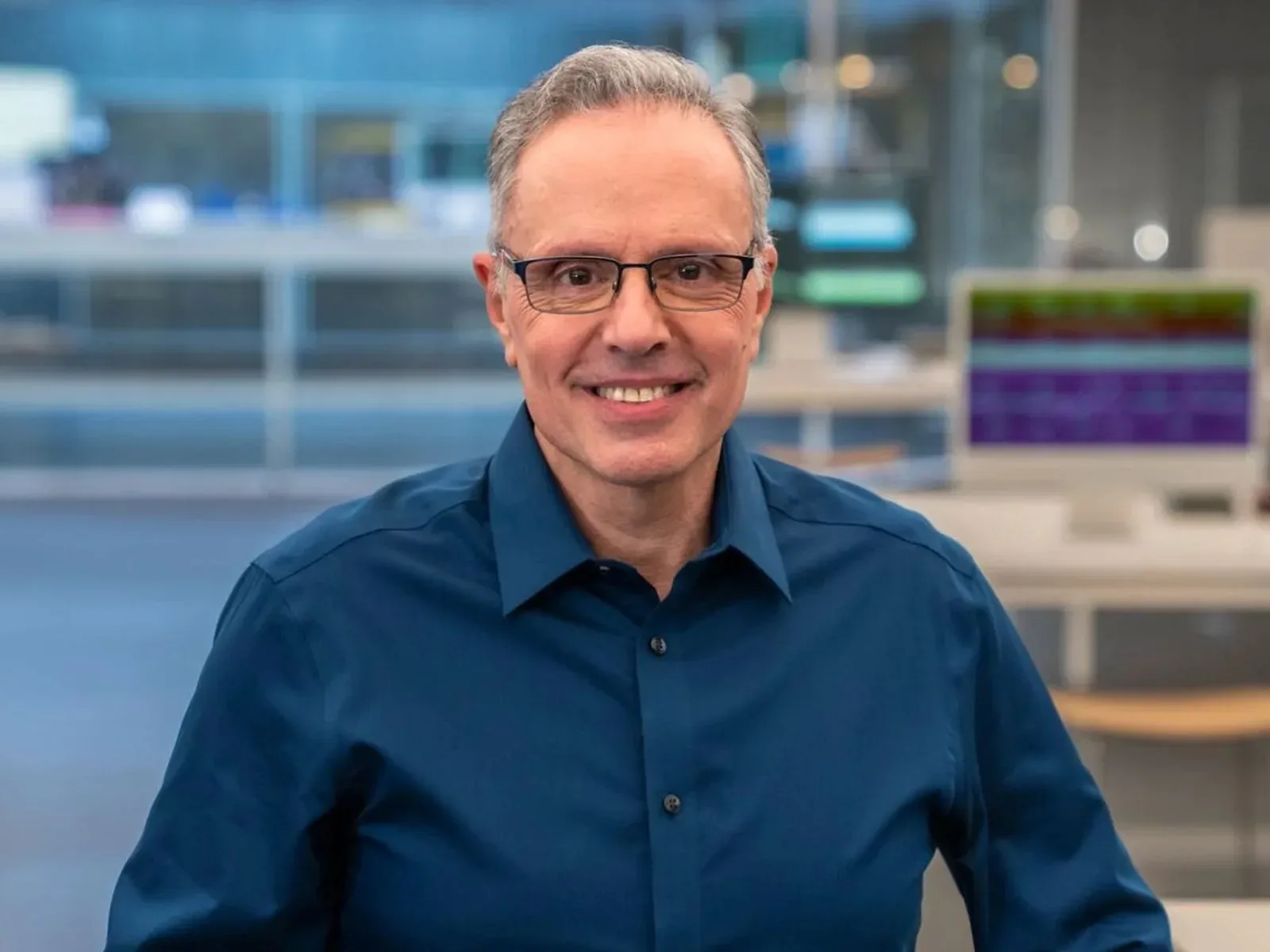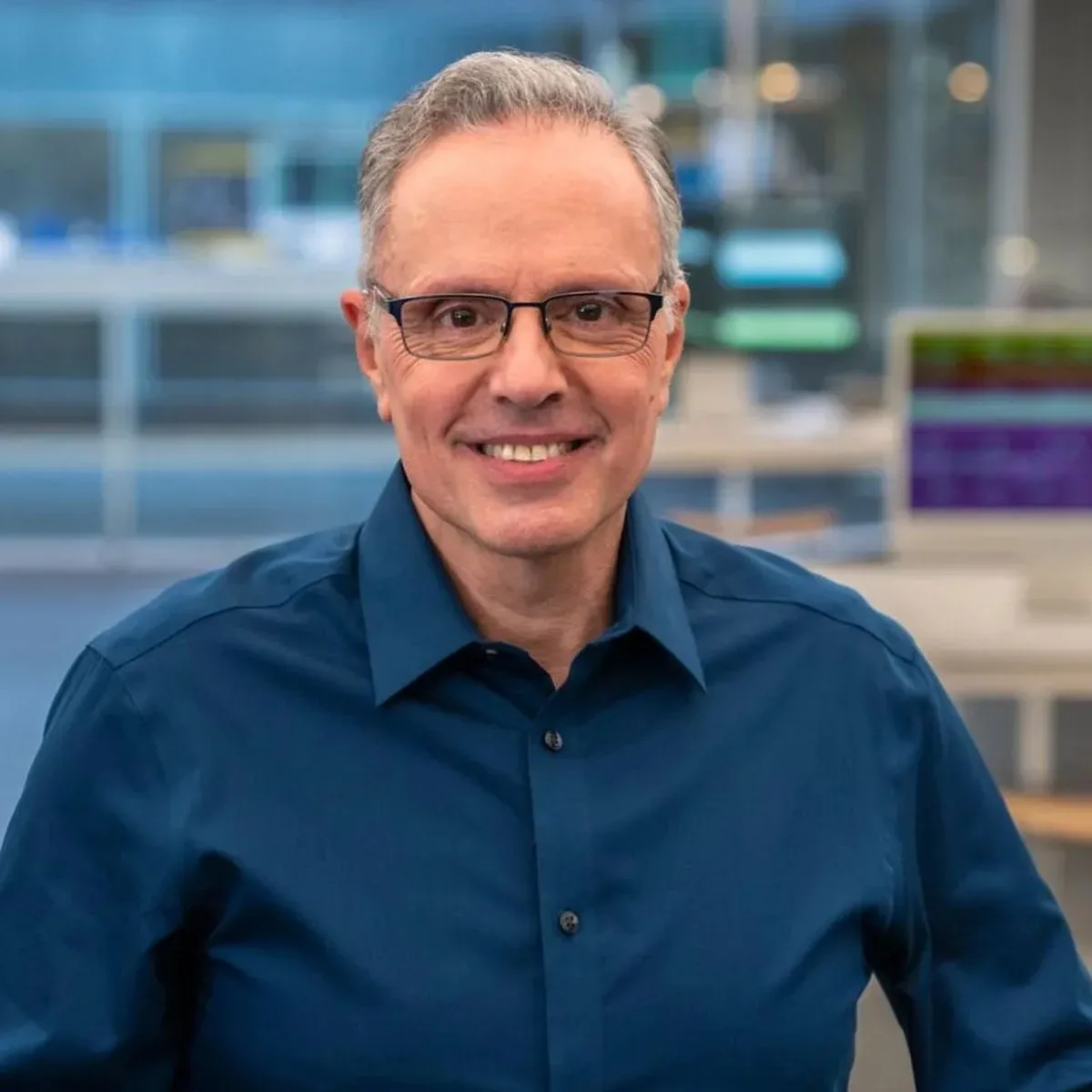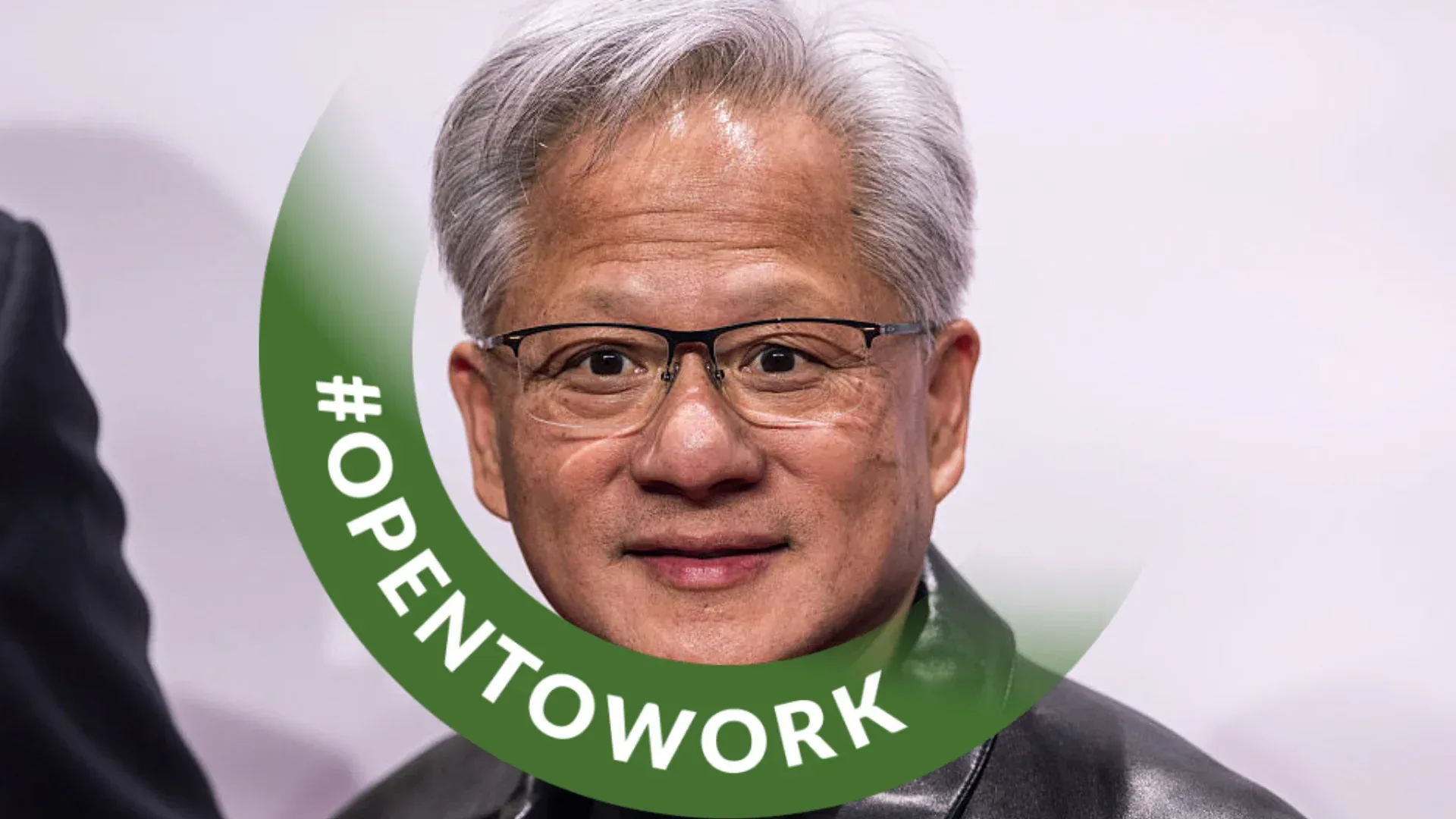
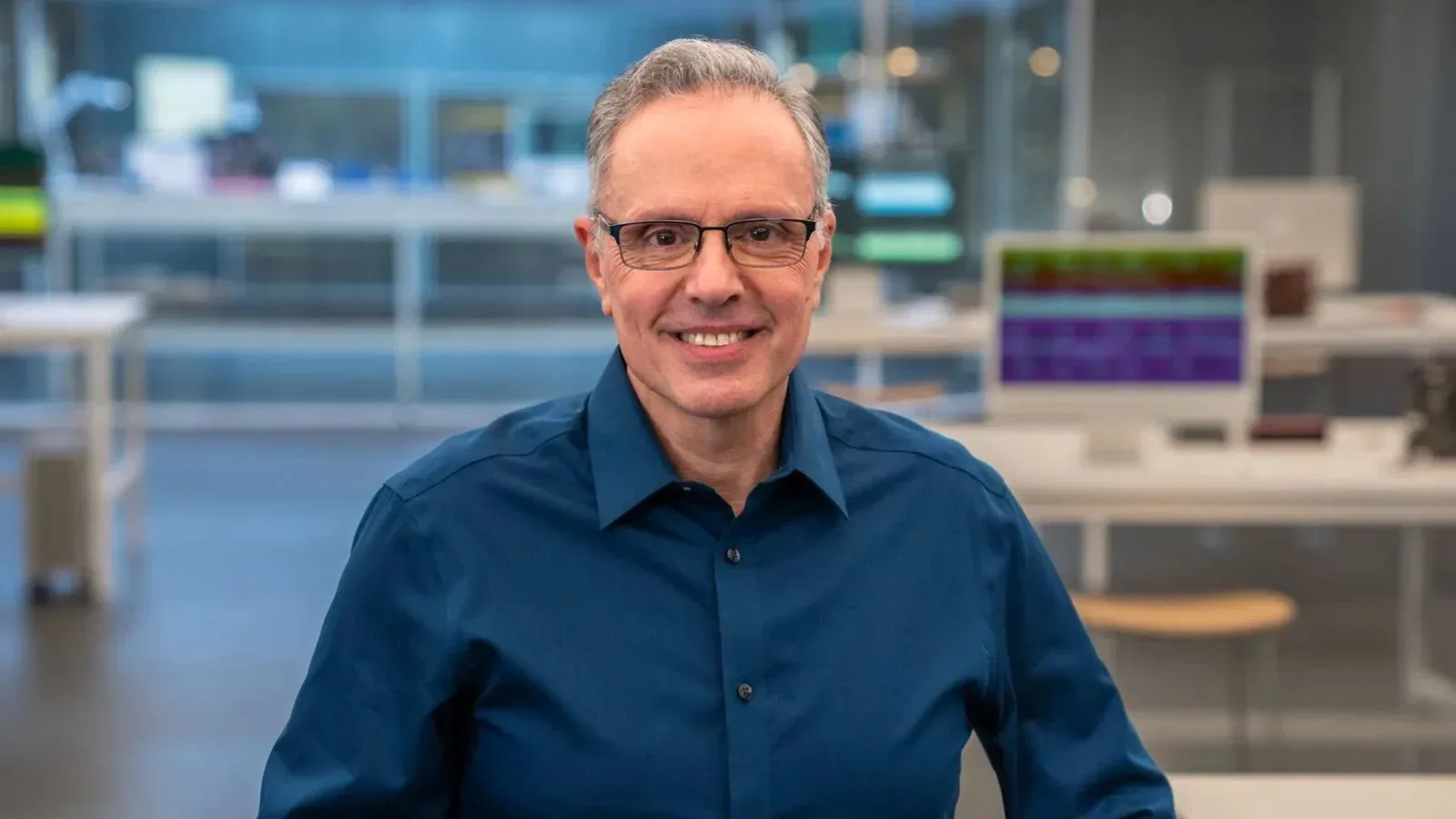
Johny Srouji, Apple’s chief hardware officer, has reportedly emerged as a possible candidate in Nvidia’s search for a successor to co-founder and chief executive Jensen Huang. The important word is possible: the account identifies Srouji as one person under consideration, but does not establish that Nvidia has contacted him, that he wants the role, or that a leadership change has been finalized.
For PC players, this is not just another executive-suite rumor with no route to the gaming desk. Nvidia sits at the center of the PC graphics market, so uncertainty surrounding its top leadership naturally invites questions about strategy, product roadmaps and the companies’ broader hardware priorities. None of those outcomes can be predicted from a reported candidate list, however. The immediate, supportable takeaway is much narrower: Nvidia is reportedly evaluating succession options, and a veteran chip and hardware leader with substantial Apple experience is among the names being discussed.
What is reportedly happening at Nvidia
Nvidia’s board is reportedly preparing to remove Huang and has retained an outside firm to help identify potential replacements. The discussions follow reporting about allegations concerning Huang’s personal life, including an allegation involving a woman suspected of spying for China. Those claims and the board’s reported deliberations are serious matters, but the available information does not provide a public board decision, a confirmed removal, or a completed appointment.
One reported contingency is that Nvidia chief financial officer Colette Kress could become interim CEO if Huang is removed. An interim CEO is a temporary chief executive appointed to maintain management continuity while a board conducts, completes or reassesses a permanent search. It is not necessarily an indication that the interim leader is automatically the final choice.
Srouji’s name therefore belongs in the category of reported search speculation rather than a declared move. It is also unclear whether he has been approached. That distinction matters. Executive searches often begin with a broad slate of candidates, some of whom remain at their current companies and may never enter formal talks.
Why Srouji would draw attention
Srouji’s career is grounded in processor design and hardware integration. He joined Apple in 2008 to lead development of the A4 chip, after holding senior processor development and design roles at Intel and IBM. At Apple, he went on to help lead the Mac’s move to Apple silicon, the company’s own family of chips for its computers.
That background offers an understandable reason for his inclusion in a conversation about a major chip company. A modern chip program is not solely about the silicon itself. It combines technical planning, engineering management, manufacturing coordination, software relationships and decisions about how a processor fits within an entire device. Apple’s structure has given Srouji responsibility across a broad range of hardware technologies rather than only one component category.
His organization oversees Apple’s custom chips and areas including cellular modems, cameras, displays, sensors and batteries. Those are all parts of the hardware stack: the connected set of physical components that shape what a phone, computer or other device can do. A chief executive role is materially different from leading a hardware organization, but wide technical oversight can be relevant to a board considering leaders who understand complex product development.
For readers who follow PC parts, the difference between a custom-chip organization and a GPU company should not be blurred. Apple’s silicon work is closely tied to Apple’s own products and platforms. Nvidia’s business spans graphics processors, computing hardware and the surrounding ecosystems that use them. The report does not say Srouji would bring a particular product plan to Nvidia, and there is no basis to project one.
A newly expanded role at Apple
The reported Nvidia interest arrives only months after Apple expanded Srouji’s remit. In April, Apple promoted him from senior vice president of hardware technologies to chief hardware officer. The same leadership transition saw John Ternus named as Tim Cook’s successor as Apple CEO.
As part of Srouji’s promotion, he took over Apple’s hardware engineering organization previously led by Ternus while keeping oversight of custom chips and other hardware technologies. In practical terms, that suggests a broader role in coordinating the people and decisions behind Apple hardware, not simply an elevation in title.
It also makes the report harder to interpret as a straightforward signal that he is ready to leave. An expanded remit can make an executive a more compelling outside candidate, but it can equally reflect an employer’s confidence in that executive and a desire to keep them at the center of its own plans.
There had already been reported uncertainty around Srouji’s future at Apple. In December 2025, he reportedly told Cook that he was seriously considering leaving for another company. Cook was reportedly working to retain him through greater compensation and broader responsibilities. Srouji later told employees he did not plan to leave “anytime soon.” That statement does not rule out any future career move, but it is the clearest available indication of his stated near-term intent.
Why this matters to PC gaming, without jumping ahead
Nvidia leadership matters in the gaming world because graphics hardware decisions affect the PC ecosystem over long stretches of time. A GPU, or graphics processing unit, is the processor responsible for rendering the images players see in games; it is also used for other computational workloads. But a change at the CEO level, if one occurs, does not automatically mean that a graphics-card generation, a driver strategy or a game technology suddenly changes course.
Large hardware businesses rely on roadmaps that take years to develop. Products involve teams across architecture, software, manufacturing, board partners and distribution. That means any incoming executive would inherit established programs alongside the responsibility to set future priorities. It would be premature to portray Srouji’s reported consideration as evidence that Nvidia will change GPU designs, adjust gaming priorities, revise pricing or alter relations with developers.
Still, a CEO search can matter for the longer term because boards use it to define the leadership skills they believe a company needs next. An executive with Srouji’s experience would bring a different professional history than a finance leader serving on an interim basis, and either path would represent a different kind of choice by Nvidia’s board. That is analysis of the candidates’ backgrounds, not a forecast of a specific corporate strategy.
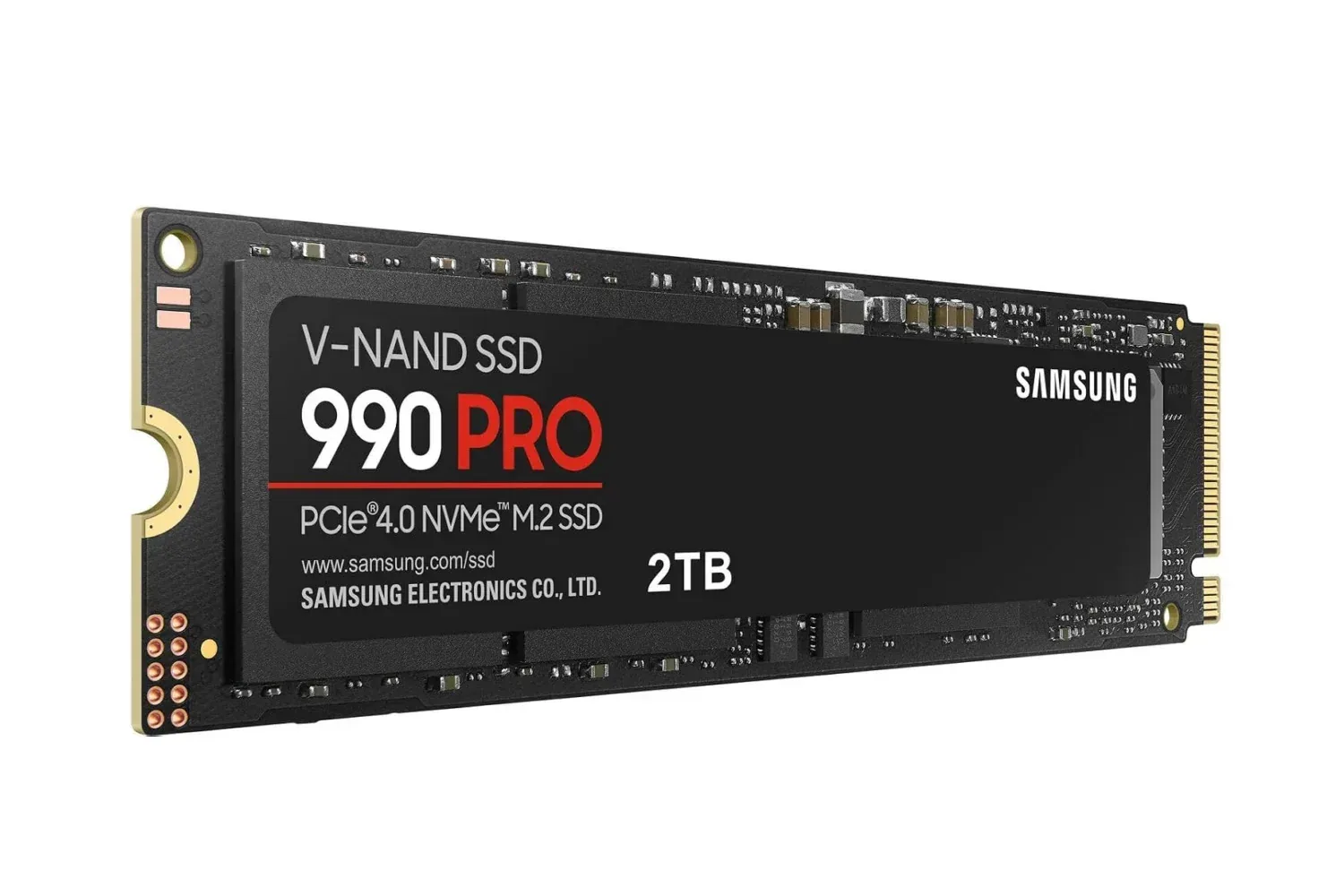
Players considering a PC upgrade should keep the distinction in mind. This report is not a reason by itself to buy, delay a purchase, or assume an imminent shift in graphics hardware. Practical shopping questions remain the familiar ones: what performance a system needs, whether the rest of the PC is compatible, and whether the current price makes sense. For one example of that hardware-first approach, see our guide to assessing an SSD listing beyond its headline price.
What is confirmed, and what remains open
- Reported: Nvidia has hired an outside firm to identify possible replacements for Huang.
- Reported: Srouji is among people under consideration for Nvidia’s top job.
- Reported: Kress is favored by some directors as a potential interim CEO should Huang be removed.
- Established background: Srouji became Apple’s chief hardware officer in April after previously serving as senior vice president of hardware technologies.
- Unclear: Whether Nvidia has approached Srouji, whether he is interested, and whether he would leave Apple.
- Unclear: Whether Nvidia’s board will remove Huang, who would lead the company in that event, and on what timetable.
There is a further historical note worth keeping in proportion. Srouji was reportedly considered for Intel’s CEO job in 2019, a role that ultimately went to Bob Swan. That earlier episode shows that his name has surfaced before in discussions around major semiconductor leadership. It does not, by itself, make a move to Nvidia more likely now.
The key point: watch for formal action, not candidate chatter
The report puts one of Apple’s most consequential hardware executives into a potentially significant Nvidia succession story. Srouji’s work on Apple silicon and his expanded authority over Apple hardware explain why his candidacy would be noteworthy. At the same time, the available facts leave all of the decisive steps unresolved.
Until Nvidia makes a formal leadership decision, Apple comments on Srouji’s position, or Srouji addresses the matter himself, it is best treated as an active but unconfirmed executive-search development. The story is consequential because of the companies involved and the importance of chips to gaming and computing—not because it presently confirms a new Nvidia chief executive or a change in the hardware gamers can buy.