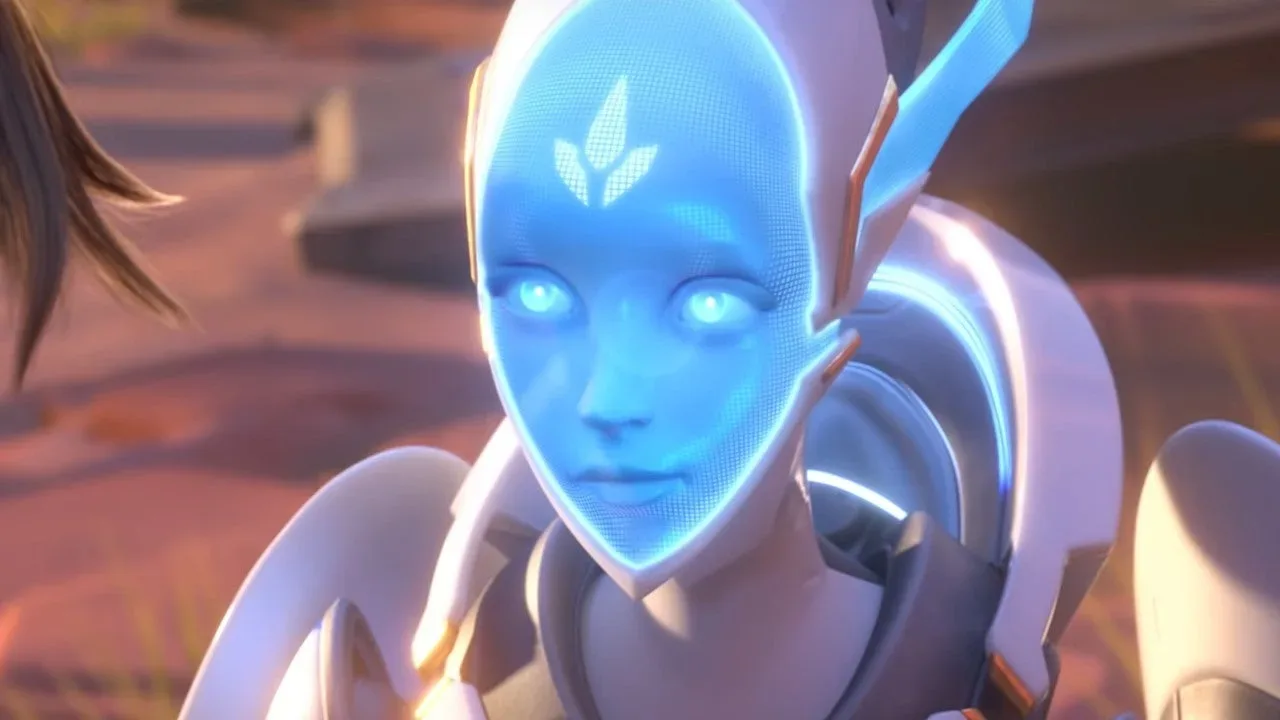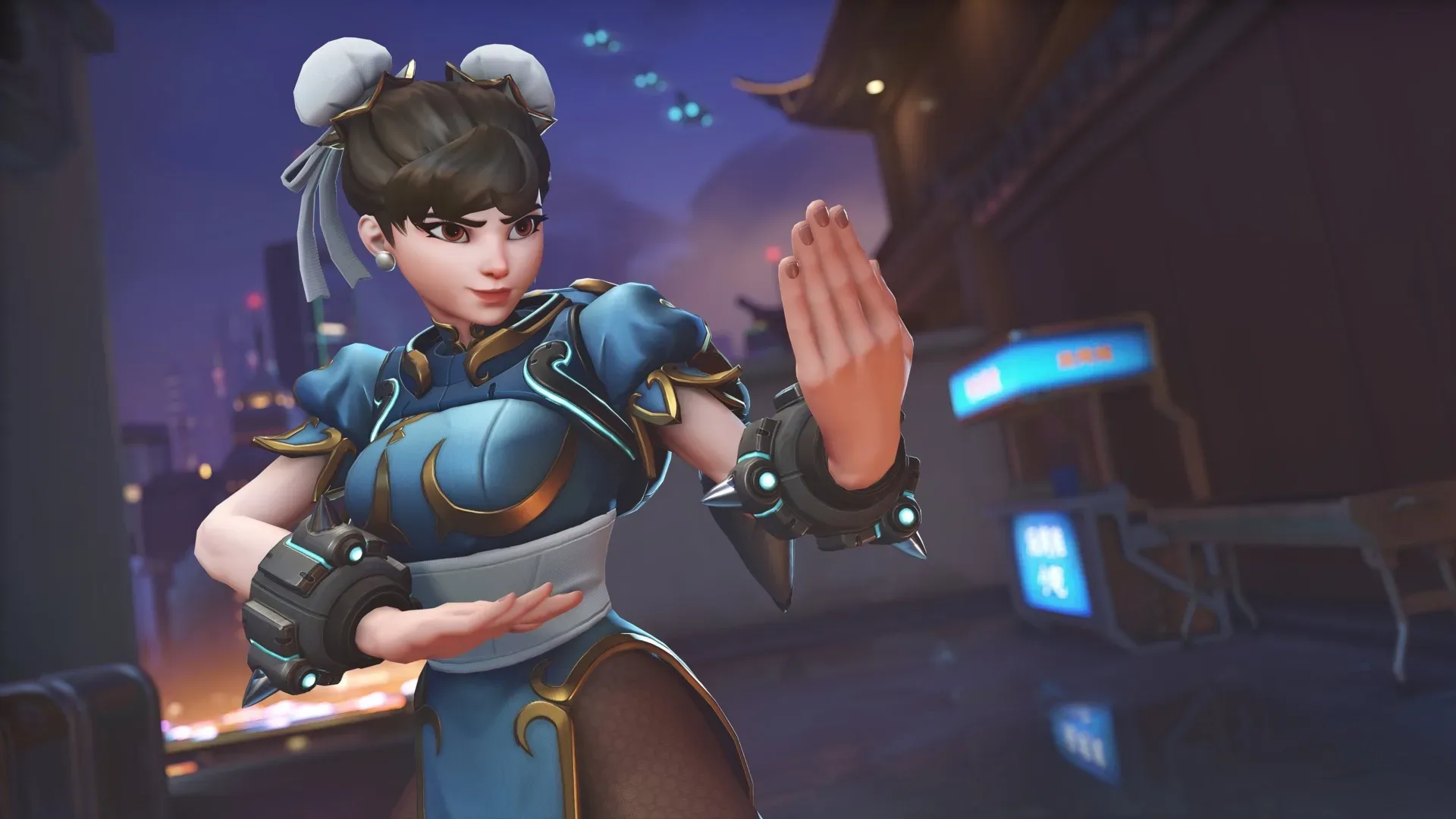
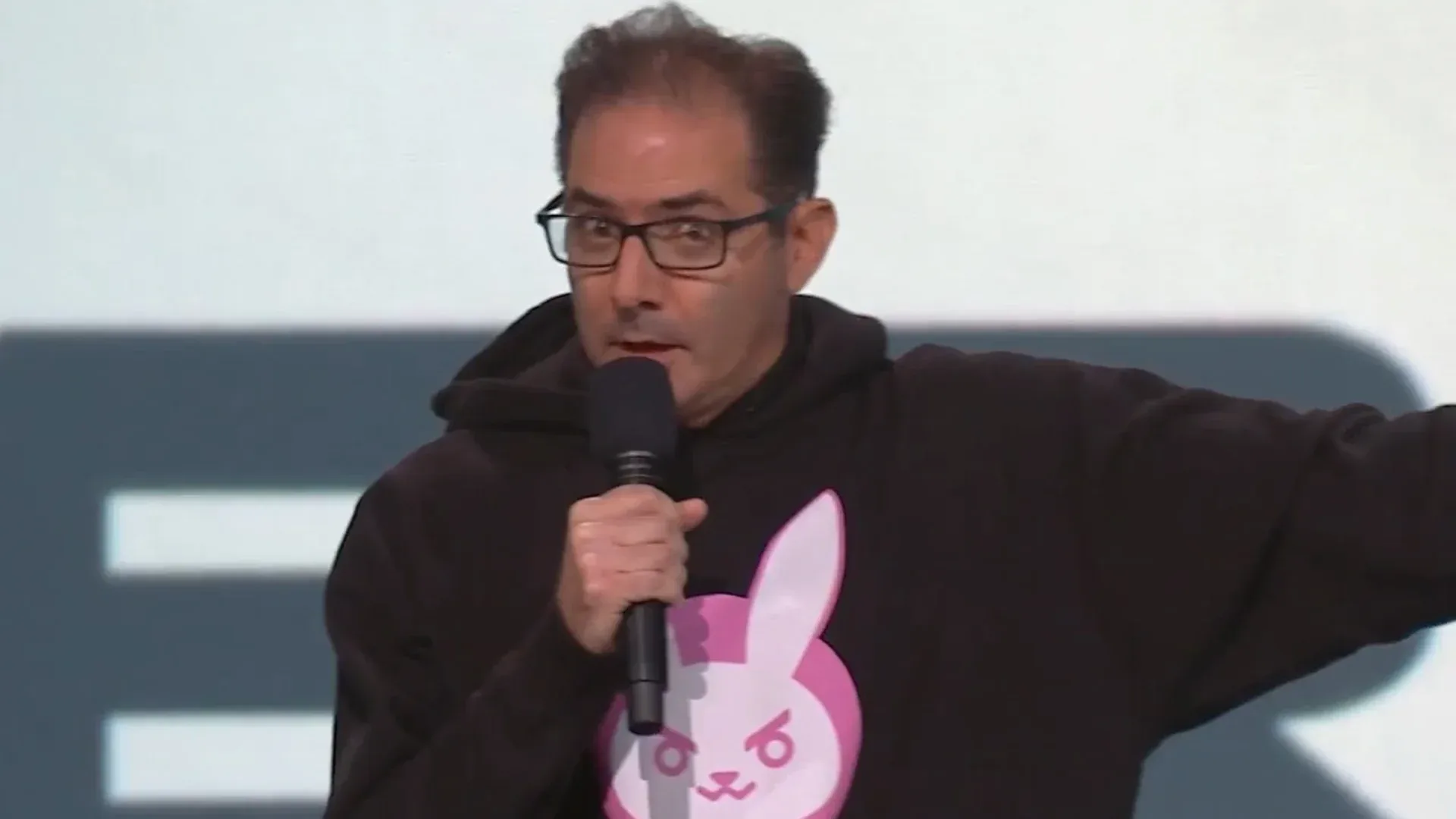
Jeff Kaplan, the former Overwatch director, says he fought against revealing Overwatch 2 at BlizzCon 2019 because, in his view, the project had not yet found a sufficiently clear identity. His recollection adds a sharp internal perspective to one of the most confusing periods in the hero shooter’s history: a sequel announced with a major story and cooperative premise, followed by years of limited updates to the original game and substantial changes to what the follow-up would ultimately become.
Kaplan left Blizzard in 2021 and is now studio lead at Kintsugiyama, where he is working on the Western action game The Legend of California. In a recent long-form interview, he described his last several years on Overwatch as a sustained conflict over creative control, executive decision-making, and the pressure placed on the franchise. These are Kaplan’s accounts of events and motivations, rather than a complete account from every party involved, but they help explain why the 2019 presentation became so consequential.
Kaplan’s objection: the sequel was not defined enough
Kaplan said he confronted leadership over the planned Overwatch 2 reveal, arguing that the team did not yet know precisely what the game was or what its business model would be. “What are we doing?” he recalled asking. “We don’t really know what this game is, we don’t know what the business model is. This is a huge mistake.”
That distinction matters. A game can be early in development and still have a clear public pitch: a settled core objective, a defined audience, and a reasonably stable plan for how it will be supported. Kaplan’s account suggests he believed Overwatch 2 did not yet meet that threshold. The problem was not simply that development remained unfinished. It was that fundamental questions about the project’s form and commercial structure were, by his telling, unresolved.
For players, an early announcement can create expectations that become difficult to unwind. A reveal does more than put a logo on a screen. It gives fans a framework for interpreting every delay, update, staffing decision, and silence that follows. In this case, the 2019 reveal attached Overwatch 2 to a package of promises: a story campaign, cooperative missions, and a competitive ecosystem shared with the original game.
Those ideas made the announcement feel larger than a routine update. The original Overwatch was a competitive hero shooter, a multiplayer game built around teams selecting distinct characters with different abilities. The sequel’s proposed player-versus-environment, or PvE, material implied a more expansive experience in which players would cooperate against computer-controlled enemies. A story campaign, meanwhile, suggested authored narrative progression rather than solely repeatable competitive matches.
Once those pillars were public, they became the standard against which the project would be judged. The game officially launched in 2022, but much of the announced vision did not arrive as originally understood. Blizzard later abandoned the “2” in the title as well. Kaplan’s objection is therefore notable not because it proves every later outcome was inevitable, but because it indicates that one of the franchise’s central creative figures believed the public commitment came before the project had a stable foundation.
The cost of moving a team toward a sequel
Kaplan also pointed to a decision that players felt directly: the team was not allowed to work on new heroes for the original Overwatch because it had to focus on Overwatch 2. In a hero shooter, new heroes are not merely cosmetic additions. They change team composition, introduce new counters and synergies, reshape strategies, and provide a visible signal that the live game is still moving forward.
Related coverage includes Jeff Kaplan Says Overwatch 2 Was Announced Before Blizzard Knew What It Was.
A content drought is the industry shorthand for a prolonged gap in meaningful new material. It does not necessarily mean a game receives no maintenance at all; balance changes, events, or bug fixes may continue. But for a service game whose community expects a regular flow of characters, maps, modes, or systems, a drought can alter player confidence. The wait becomes more frustrating if it is framed as an investment in a successor that has already been announced, especially when that successor’s eventual shape changes.
Kaplan described the period from 2018 through 2021 as one of “constant fighting” with executives. He characterized the organization as having a revolving door of business-focused leaders who made creative decisions. He also said he gradually lost the agency he had once associated with being game director: the ability to set the project’s direction and stand behind it.
That is the key tension in his remarks. There is no inherent contradiction between creative leadership and business leadership; large games require both. A live franchise needs production scheduling, staffing plans, distribution decisions, and a sustainable revenue model. Yet those functions become combustible when the people responsible for the creative promise believe they cannot influence the terms of that promise. Kaplan’s description is of that friction reaching a breaking point.
His comments also underline why the phrase “business model” was so important in the debate. A business model is not simply a price. It is the broader plan for how a game is distributed, monetized, maintained, and supported over time. For a multiplayer game, it can influence what content is prioritized, how frequently it is delivered, and whether a sequel operates as a separate product, a replacement, or an evolving platform. If that plan is unsettled at announcement time, creative features may be exposed to later re-evaluation.
Why announcing Diablo IV alongside Overwatch 2 bothered Kaplan
Kaplan said he was also frustrated that Blizzard revealed both Overwatch 2 and Diablo IV at the same BlizzCon. He felt each project should have had its own “moment.” In his view, the decision reflected new executives wanting to demonstrate that Blizzard was back and still capable of delivering major projects.
His language about that choice was unusually blunt. Kaplan said he told leadership, “you guys are fucking idiots,” and said the decision felt like a display of corporate bravado rather than a choice based on what would best serve either game.
There is a practical communication issue beneath the profanity. A large event reveal can be valuable because it establishes momentum and reassures fans that major work is underway. But stacking multiple blockbuster announcements can split attention and create an implicit comparison between them. It can also encourage a publisher to treat a reveal as a signal of organizational strength, while development teams must live with the expectations long after the stage presentation ends.
Kaplan’s account does not establish that the paired announcements alone damaged either project. It does, however, explain why he saw the event as poorly judged. His concern was not only that Overwatch 2 lacked definition, but that its reveal was being used in service of a larger corporate statement. That can put a team in an uncomfortable position: expected to fulfill a public narrative that may have been chosen before its underlying plan is ready.
A departure shaped by lost confidence
Kaplan said he reached the point where he no longer wanted his name attached to a project he did not believe in. He described the shift as beginning in 2018, when he felt the direction of the franchise was no longer his to determine, and said that after three years of trying to regain that influence, he concluded he no longer had a place at the company.
He has previously described a separate incident involving an Activision Blizzard executive threatening layoffs if Overwatch did not achieve a specified profit target that year. Kaplan called that the biggest “fuck you” moment of his career. Taken together with his newer recollections, the picture he presents is one of mounting pressure: financial demands, executive intervention, a sequel announcement he opposed, and a creative role that he felt had been stripped of meaningful authority.
Kaplan did not identify the leaders involved in the 2019 argument. The company president at the time of the Overwatch 2 announcement was J. Allen Brack, who stepped down in 2021 amid the company’s sexual-harassment lawsuit scandal. But Kaplan did not name Brack in this account, and it would be wrong to assign his remarks to any specific individual beyond what he actually said.
The broader lesson is less about pinning a single decision on a single executive and more about the risk of unclear ownership. When responsibility for a game’s direction becomes diffuse, players may see the result as inconsistent messaging or vanished features. Developers may experience it as being accountable for plans they did not choose. The public only sees the finished—or unfinished—promise; the internal conflict usually remains invisible until someone involved chooses to describe it.
Where Overwatch stands now
Despite his criticism of the path that led to Overwatch 2, Kaplan said the franchise is in a good place now. It is wrapping up its 10th anniversary with 10 new heroes and a revamped story. He also said he does not keep up with the game anymore, for his own sake.
That final caveat is worth keeping in mind. Kaplan is not offering a current operational assessment based on following every update; he is reflecting on the period that led to his departure. His remarks are most useful as insight into the earlier decision-making behind the sequel reveal and the content gap that shaped community sentiment around it.
For studios, the episode is a reminder that an announcement is a contract of expectations even when it is not a legal contract. Vague concepts can inspire excitement, but a specific promise about story, cooperative play, shared ecosystems, or long-term support invites equally specific scrutiny. The most durable reveal is not always the earliest or loudest one. It is the one a team has the authority, resources, and clarity to support after the applause stops.
That question of who gets to define a project’s public promise also reaches beyond games. Creative industries regularly contend with the balance between production leadership, corporate planning, and worker protections, a subject with wider relevance in this look at the International Cinematographers Guild’s century of craft and worker advocacy. Kaplan’s account is particularly stark because the conflict played out around a game that millions of players were already waiting to see evolve.