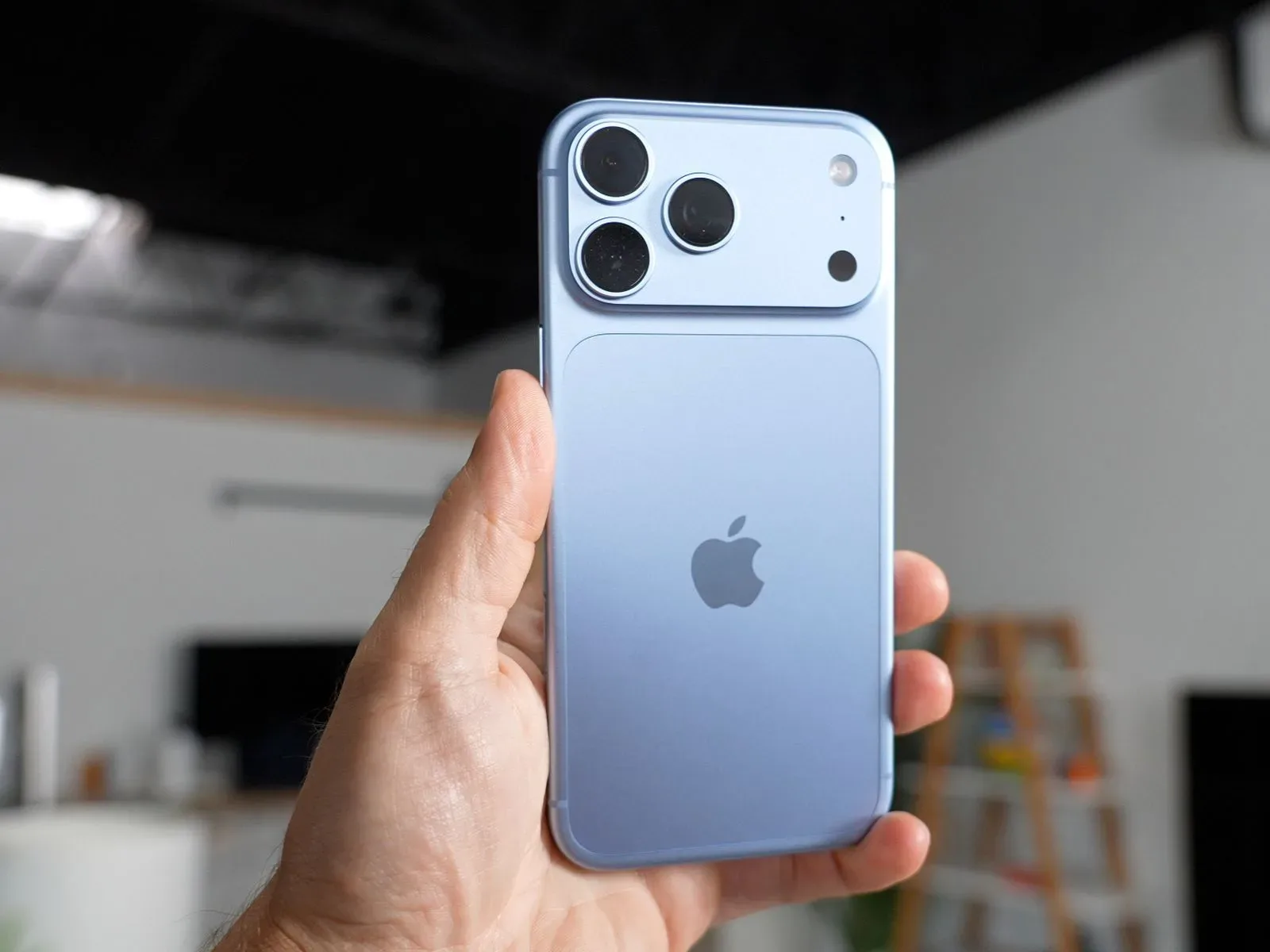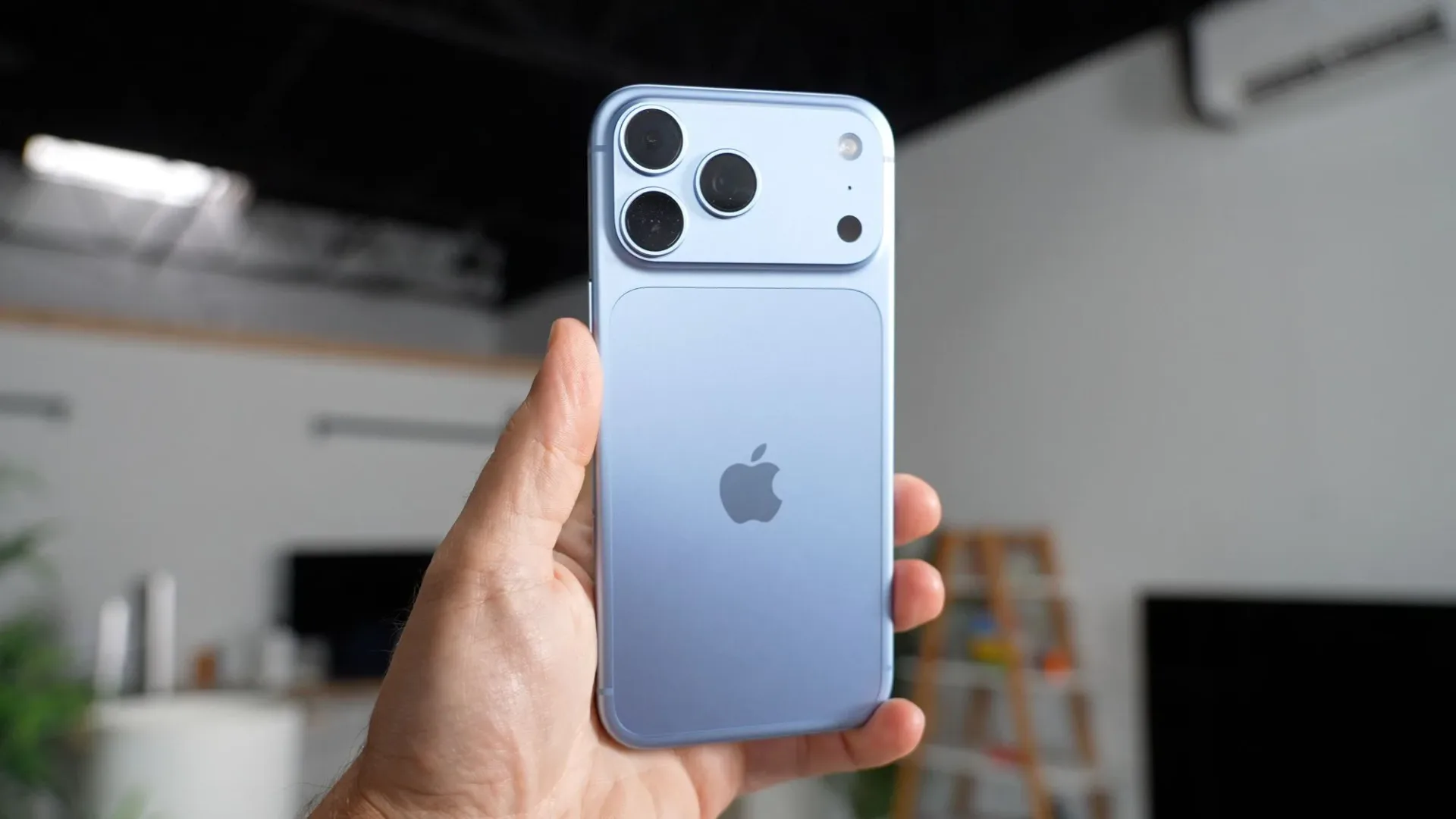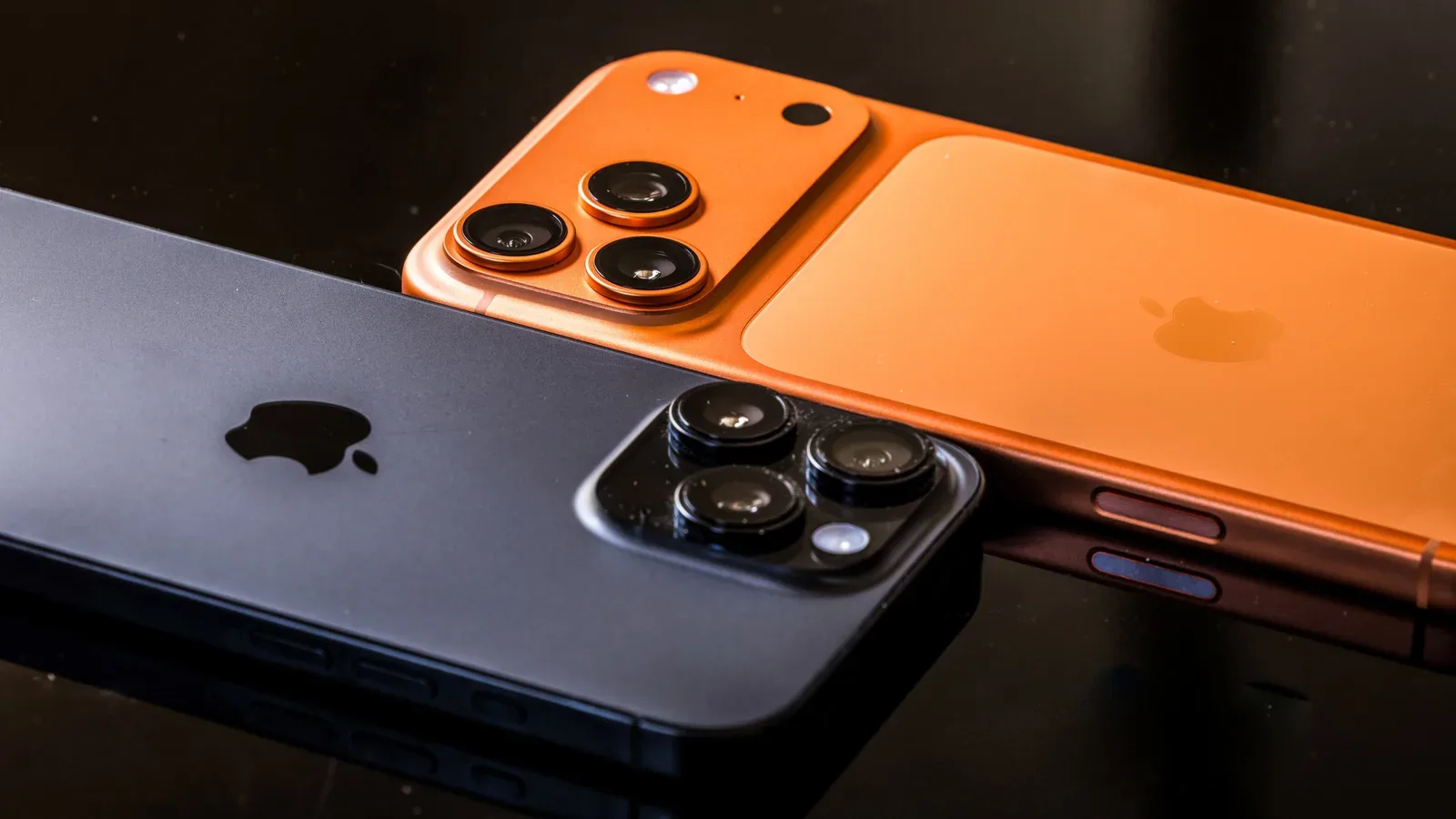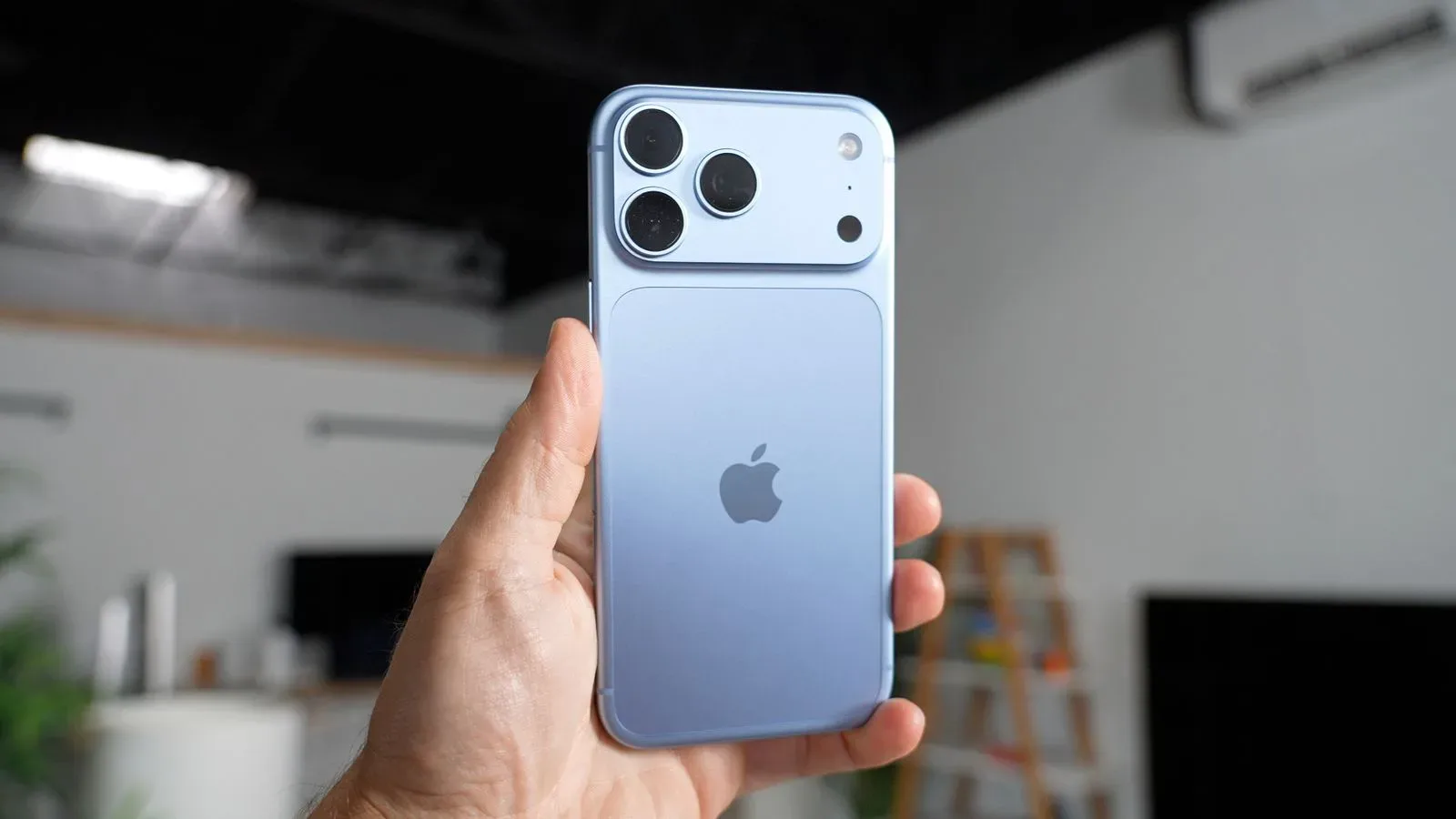
The iPhone 18 Pro Max has taken the overall lead in a battery comparison spanning 32 smartphones, but the more interesting result may be how crowded the strongest tier is. Apple’s flagship came out first after results from two controlled battery tests were averaged, while the smaller iPhone 18 Pro led the long video-streaming test. The $699 iPhone 17e, meanwhile, reached the same combined result as foldable phones with much higher listed prices.
For players, stream watchers and anyone who has ever watched a battery percentage turn into a countdown timer during a commute, the headline is simple: the iPhone 18 Pro Max produced the best combined showing in this particular comparison. The caveat is equally important. Battery life is not one permanent number attached to a phone. It changes with the workload, brightness, network connection, apps in use and software behavior. This test is useful because every phone faced the same set of tasks, not because it can predict every owner’s day exactly.
How the 32-phone comparison was measured
Each handset began at 100% charge and went through two tests totaling three hours and 45 minutes. The first focused on three hours of video streaming over Wi-Fi with screen brightness at its maximum. The second was a 45-minute mixed-use session combining video playback, video calls, gaming and social-media use. The remaining battery percentages from those two trials were averaged to create the overall order.
That design matters because it asks two different questions.
- The streaming test emphasizes sustained display use and video playback over Wi-Fi, under a deliberately demanding brightness setting.
- The mixed-use test introduces more varied work, including video calling and gaming, rather than allowing a phone to settle into one repeatable task.
- The overall ranking is an average of remaining charge, meaning it rewards a phone that performs well in both scenarios instead of only dominating one.
“Remaining battery” is exactly what it sounds like: the percentage still displayed after a fixed period. Higher is better within the test. It is not the same thing as a direct claim that one phone will last a certain number of hours longer in every person’s hands. A device can look exceptional in streaming yet be less separated from its rivals during a more varied routine, or vice versa.
Maximum brightness also deserves attention. It gives the comparison a consistent, strenuous display setting, which is helpful for fairness. But many people use adaptive or lower brightness day to day. The test therefore makes for a strong stress comparison, particularly for screens, rather than a promise of typical battery drain in every lighting condition.
The iPhone 18 Pro Max wins overall, while the Pro wins streaming
The iPhone 18 Pro Max finished at the top of the overall table. Its advantage was attributed to a larger battery capacity than the iPhone 17 Pro Max, plus the efficiency of Apple’s A20 Pro chip and iOS 27 optimizations. Capacity refers to how much energy a battery can store; efficiency is about how economically the rest of the phone uses that stored energy. Both sides of that equation matter.
A bigger battery by itself is not an automatic victory. A phone’s screen, processor and other features all draw power, so battery endurance is the result of storage and consumption working together. That is why a capacity figure alone is an incomplete shopping shortcut. The iPhone 18 Pro Max’s placement suggests that its capacity increase and the power management attributed to its chip and operating system added up well under these specific workloads.
The iPhone 18 Pro made a separate statement in the three-hour streaming challenge. It retained 94% of its charge, the highest result in that individual test. That is a notably different win from taking the overall title: it indicates the smaller Pro was especially strong in sustained Wi-Fi video streaming at maximum brightness, while the Pro Max delivered the best average across both test types.
The iPhone 18 Pro Max also shared the top mixed-use result with Apple’s first foldable, the iPhone Duo. Both still showed 99% remaining after the 45-minute sequence of video playback, video calls, gaming and social media. Google’s Pixel 11 Pro XL followed with 97%, an improvement over the Pixel 10 Pro XL’s 93% result in the same type of mixed-use test.
Those 99% readings should not be mistaken for evidence that gaming barely uses battery in all cases. The mixed-use portion lasted 45 minutes and mixes several activities together; it is not a dedicated multi-hour gaming benchmark. What it does show is that, over that specified blend of tasks, the iPhone 18 Pro Max and iPhone Duo lost very little charge.
Gaming belongs in the result, but not as a standalone verdict
Gaming is included in the mixed-use routine, which makes the comparison more relevant to an audience that uses a phone for more than messages and short videos. But it is only one part of the 45-minute session. A graphically intensive game, extended session length, mobile data connection and brightness setting can all create a different demand profile than the combined test used here.
In practical terms, this is a better signal for people whose phone jumps between activities than for someone trying to identify the single best device for marathon sessions of one demanding game. The same principle applies to video calls: they are represented in the mixed-use test, but the result does not establish an all-day video-call ranking.
Screen choices remain central to mobile battery decisions. The test’s maximum-brightness setup puts display power use front and center, and the broader comparison explicitly notes that larger batteries do not inherently yield longer runtime because screens, processors and other components affect consumption. That is a useful reminder when evaluating any device that puts a premium on visual hardware, including the kinds of high-refresh displays that make gaming-monitor upgrades appealing on the desktop side.
The value result may be more telling than the foldable tie
The iPhone Duo’s mixed-use tie with the iPhone 18 Pro Max looks excellent at first glance, but its overall position adds needed context. Listed at $1,999, the foldable tied for fourth overall. Its combined result was the same as the $699 iPhone 17e and the $1,400 Motorola Razr Ultra.
That does not make the three phones interchangeable. The comparison is about battery behavior in two prescribed tests, not their full feature sets, physical designs or the reasons someone might choose a foldable. It does show, however, that paying for a folding form factor did not secure a superior overall battery result in this group. The $699 iPhone 17e keeping pace with two substantially more expensive foldables is the clearest battery-value takeaway in the data provided.
The iPhone 17 also performed strongly across both benchmarks and joins the iPhone 17e among the better-value battery options identified by the comparison. Motorola’s Razr and Razr Ultra models also performed well. Beyond those foldables, the $500 Motorola Moto G Stylus and $600 Motorola Edge reached the overall top 10, showing that competitive endurance was not limited to the most expensive part of the field.
For a buyer comparing models strictly through the lens of battery, the useful question is not simply “Which phone finished first?” It is “How much endurance does the specific price tier buy?” On this evidence, the iPhone 17e deserves attention because it matched the overall result of devices at $1,400 and $1,999. The iPhone 18 Pro Max is the option for the strongest combined ranking, but its win does not erase the value proposition created by a lower-cost model performing at that level in the averaged score.
Manufacturer averages favor Apple, but the field is not standing still in one direction
Apple also led the manufacturer-average comparison for a second consecutive year. Only brands with more than one phone represented were included in that calculation, and OnePlus finished second. That eligibility rule is significant: an average based on several tested devices is meant to speak to a manufacturer’s wider showing in this particular selection, rather than let a single standout model define a brand.
Still, the overall industry picture was not one of universal year-over-year progress. Phones tested in 2026 delivered approximately the same average battery performance as phones tested in 2025 and 2024. That finding reinforces why capacity numbers and marketing shorthand should be read carefully. Hardware advances can be balanced out by bigger or brighter displays, more ambitious processing demands, and other power-consuming features.
The Pixel result illustrates that individual improvement can occur even when the group average stays broadly level. The Pixel 11 Pro XL retained 97% in the mixed-use test, compared with 93% for the Pixel 10 Pro XL in the same test. In other words, a flat industry average does not mean every successor is unchanged; it means gains and trade-offs across the larger group did not move the overall average much.
What prospective buyers can take from the rankings
The iPhone 18 Pro Max has the cleanest claim from this comparison: first overall across the averaged streaming and mixed-use results. The iPhone 18 Pro has the specialized streaming win at 94% remaining after three hours. And the iPhone Duo’s shared first-place mixed-use score confirms it handled that short, varied challenge exceptionally well, even though it landed in a tie for fourth when the two tests were combined.
For shoppers, that creates three sensible ways to read the results:
- Choose the overall leader if a balanced result across streaming and a varied routine is the priority: the iPhone 18 Pro Max is the top performer here.
- Prioritize the task that resembles your habits if long Wi-Fi video sessions matter most: the iPhone 18 Pro’s streaming lead is more relevant than the blended table.
- Compare outcomes against price if endurance per dollar matters: the iPhone 17e matching the iPhone Duo and Razr Ultra overall is difficult to ignore.
Most importantly, treat these rankings as a controlled comparison rather than an all-purpose battery prophecy. The test conditions are clearly defined, the tasks are limited, and the broader results show that bigger batteries alone are not the answer. Within those limits, Apple’s current lineup placed exceptionally well, Motorola supplied several meaningful alternatives, and the most compelling value twist came from a $699 phone refusing to yield ground to foldables that cost much more.