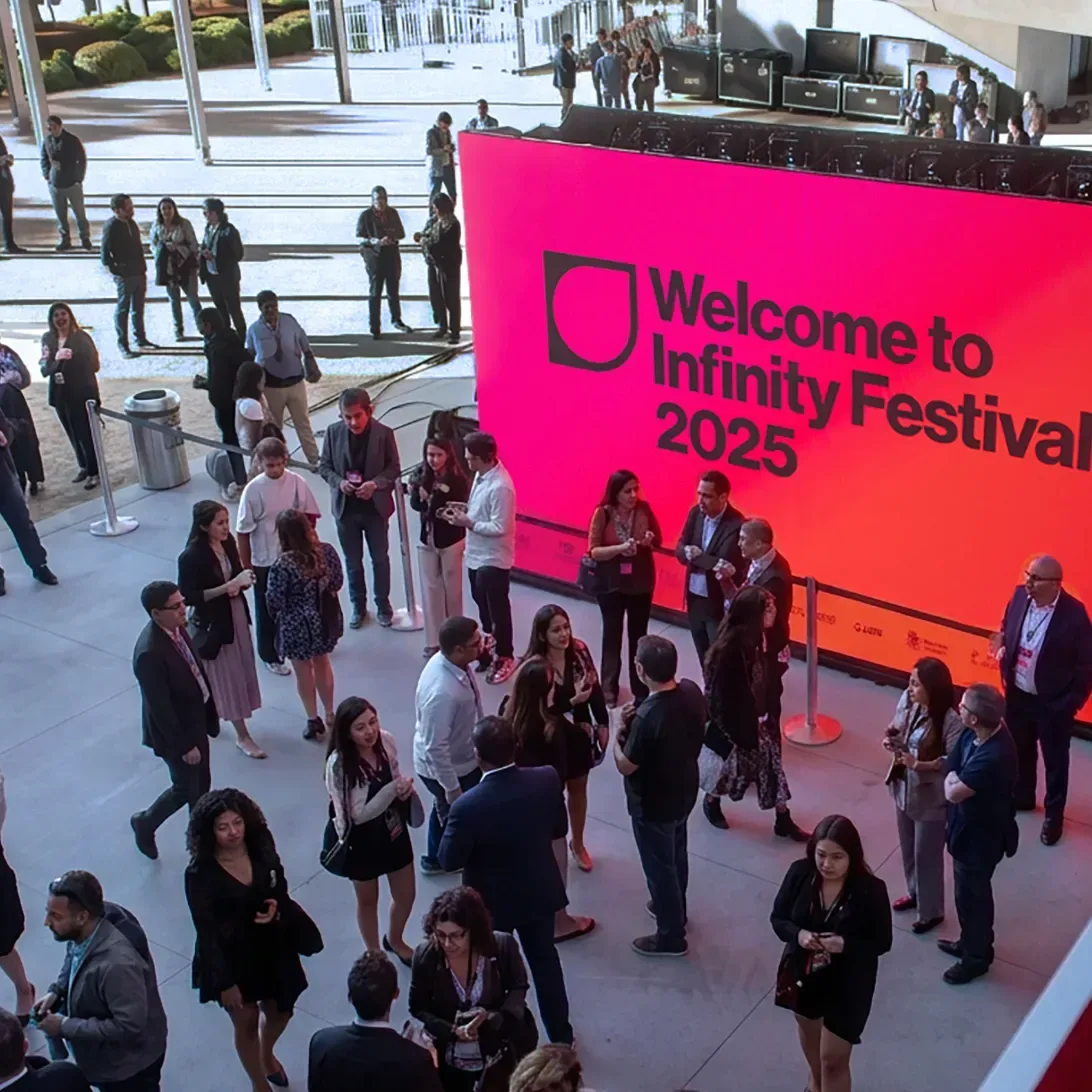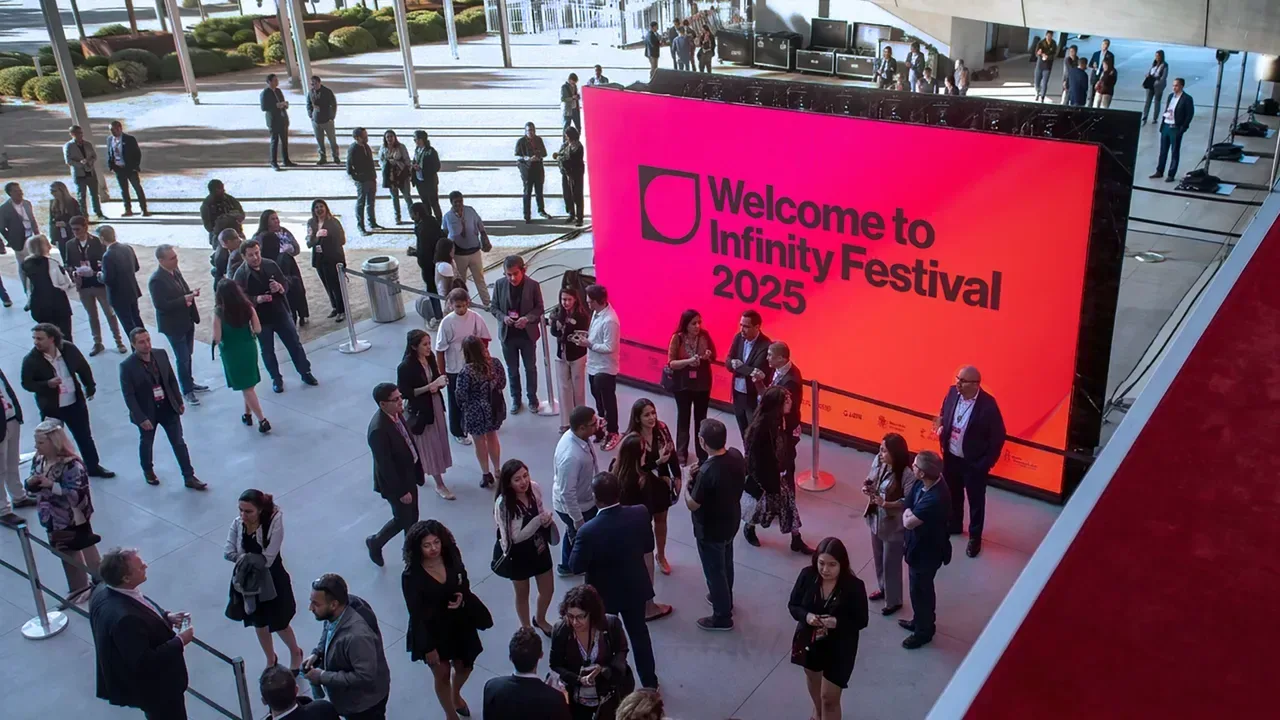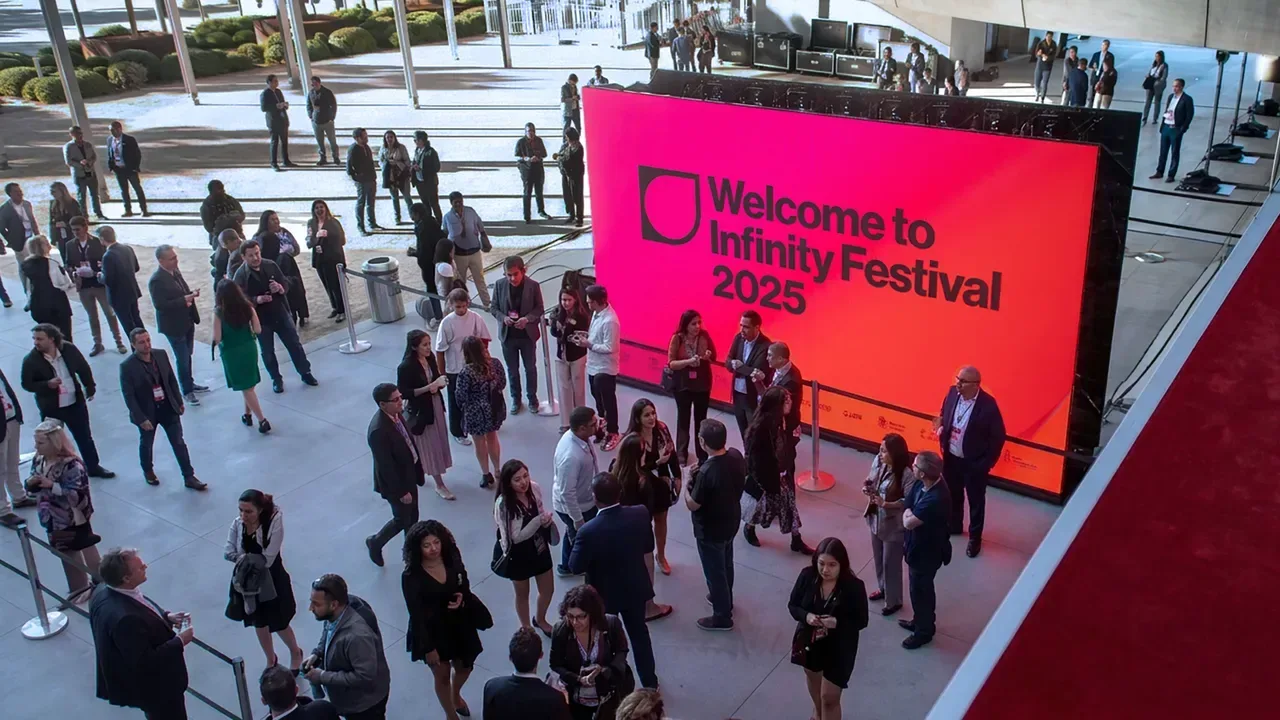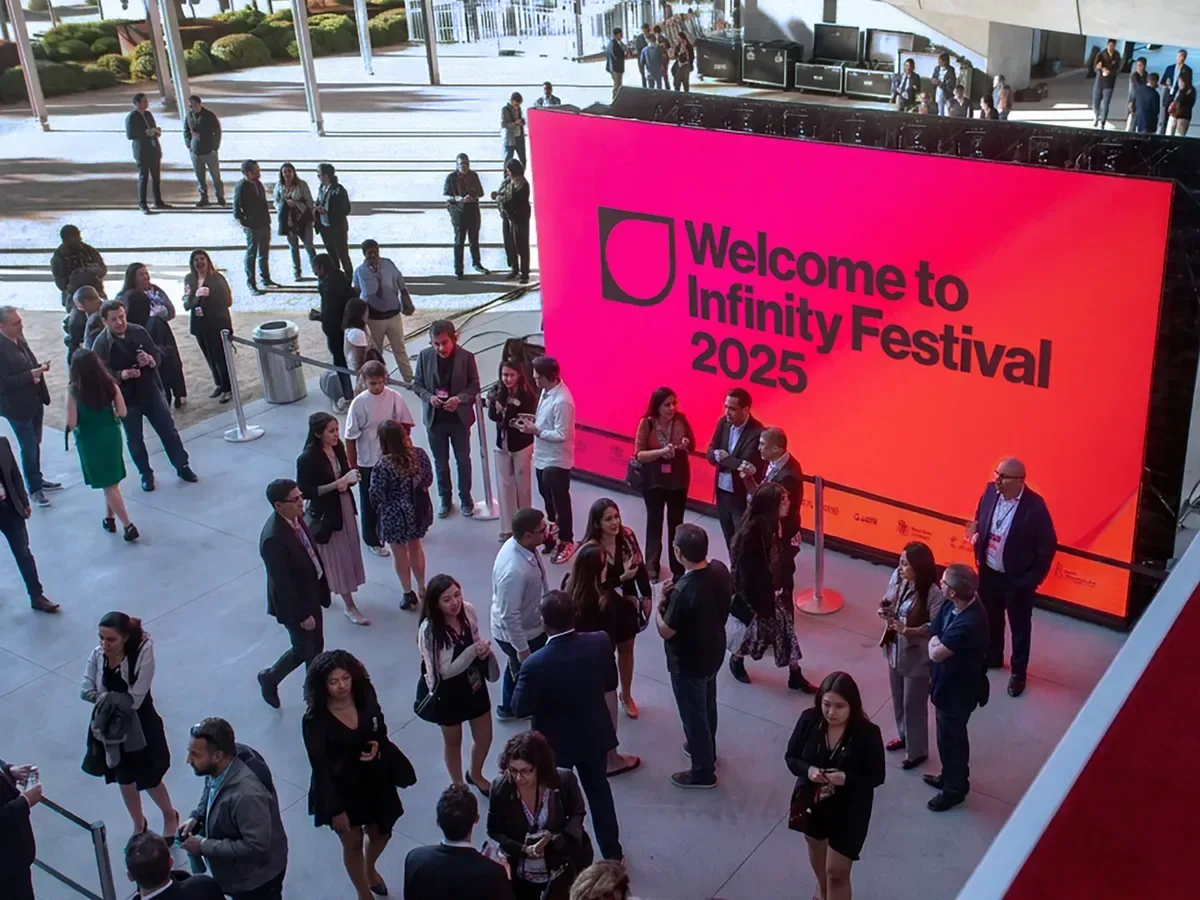
Infinity Festival is scheduled to return to Los Angeles from November 12 through November 15 for its ninth edition, bringing its entertainment-and-technology focus to the Audrey Irmas Pavilion. The planned four-day program is expected to include ideas sessions, experiences, screenings, demonstrations and conversations about emerging creative technology.
The headline theme for this year is artificial intelligence, but the event is not presenting AI as an isolated side stage. Instead, it is being positioned throughout a program that spans animation, gaming, sports technology, filmmaking, music, virtual production and live entertainment. That distinction matters: the event’s stated premise is that the practical changes facing these industries increasingly overlap rather than arriving in neatly separated categories.
AI is the through-line, not a single session track
The announced program intends to examine AI’s growing role across creative industries. In practical terms, the focus will include the tools and workflows used in animation and filmmaking, the connection between games and wider entertainment, technology changing sports and fan experiences, and developments in immersive production and live-event design.
“Workflow” is an important word in that outline. It does not merely mean a finished image, game or film made with a new tool. A workflow is the chain of tasks through which a project moves: developing material, creating assets, coordinating teams, producing shots or experiences, revising work and delivering it to an audience. A discussion about AI workflows can therefore cover a broad range of questions, from where a tool fits into a production process to how creative and technical teams collaborate around it.
That broad framing also keeps gaming connected to the rest of the festival rather than treating it as a standalone audience segment. Games already sit at an intersection of art, software, performance, real-time visuals and audience participation. The planned emphasis on the crossover between gaming and entertainment suggests the event will approach games as part of a shared creative-technology landscape, alongside screen production, music, sports and live experiences.
What has been confirmed—and what has not
Several pieces of the 2026 event are clear. Infinity Festival will take place at the Audrey Irmas Pavilion in Los Angeles over November 12-15. Its programming slate is set to include panels, keynotes, screenings, demonstrations and exhibitions. NVIDIA and HP are returning as longtime partners, while NVIDIA, HP and Intel are identified as presenting sponsors.
Just as significant for anyone considering the event: the individual speakers and the detailed program have not yet been announced. The festival says additional speakers and programming will be revealed in the coming weeks. That means prospective attendees can reasonably take the dates, venue and overall topic areas as firm planning information, but should not assume a specific panel lineup, guest list, demonstration format or gaming focus until those particulars are published.
The event has hosted high-profile screen and creative figures in prior years, including the Russo Brothers, Brie Larson, Jon Favreau, Phil Lord, Chris Miller and Jeff Bridges. That history establishes the kind of cross-industry conversation Infinity Festival has sought before, but it is not a confirmation that any of those guests will appear in 2026.
Related coverage includes Infinity Festival 2026 Will Bring AI, Gaming and Entertainment Together in Los Angeles.
Why the mixed program is relevant to game audiences
For people who follow games, a festival that places gaming alongside animation, filmmaking and virtual production can be more useful than one narrowly focused on a single platform or release calendar. The announced subjects concern the systems and techniques around creative work, not a list of game announcements. That creates a different expectation: the value is likely to be in hearing how disciplines inform one another, seeing demonstrations, and understanding the production conversations now taking place across entertainment.
Virtual production is one of the key terms in the program. In this context, it refers to production methods that combine digital environments, real-time tools and physical performance or filming. The available event details do not specify which technologies will be shown or how any demonstration will work. Still, its inclusion alongside gaming and immersive production signals an interest in the areas where real-time digital creation can serve more than one medium.
Immersive production similarly points to work designed around a more enveloping or interactive audience experience. It can overlap with live-event design, screen production and game-adjacent technology, but the announced information does not define a particular format, hardware setup or exhibition. Readers should be cautious about filling those gaps with assumptions. A topic appearing on the program is not the same as a confirmation of a product reveal or a hands-on installation.
The sports-technology strand offers another example of the event’s wider approach. The program is expected to look at technology reshaping live sports and fan experiences. That can matter to gaming audiences because fan engagement, interactive presentation and live production increasingly share vocabulary across sports, esports and entertainment, even when their audiences and business models are distinct. The announced agenda is about examining that crossover, not declaring that these fields have become identical.
Industry context rather than a product-launch showcase
Infinity Festival’s stated framing is particularly notable at a moment when AI discussions often get reduced to a single question: whether the technology is good or bad for creators. The announced agenda is broader and more operational. It points toward conversations about evolving tools, creative processes and the meeting points between industries.
That does not answer every hard question surrounding AI in creative fields, nor does the current announcement promise that every concern will be addressed. What it does establish is a program designed around the fact that technological decisions can affect many participants in a creative pipeline. Artists, filmmakers, developers, producers, event designers and hardware partners may all use the same umbrella term while meaning very different things by it. Panels and demonstrations can be valuable when they make those distinctions concrete rather than treating AI as a single, uniform product.
The presence of NVIDIA, HP and Intel as presenting sponsors also fits the event’s blend of creative and technical interests. Their involvement is confirmed, but the announcement does not identify particular products, presentations or demonstrations tied to any sponsor. It would be premature to infer hardware announcements or software partnerships from sponsor status alone.
For the wider games business, the festival’s scope reflects an industry conversation that reaches beyond individual consoles, studios or franchises. Tools used to create animation and film, technologies used for live experiences, and techniques developed around real-time digital content can all become relevant to game development and game-adjacent production. That does not mean every trend moves cleanly from one space to another. It does mean that a venue built around cross-disciplinary discussion may be a useful place to track where those conversations are heading.
That industry-wide perspective is also why coverage of corporate shifts can sit alongside discussions of production technology; for example, the changing business landscape around major media companies remains a separate but related part of the broader entertainment picture, as seen in recent developments involving Paramount and Warner Bros. Discovery.
What to watch as details arrive
The most useful next updates will be specific ones: named speakers, panel titles, session descriptions, exhibition details and any information explaining how gaming appears within the cross-media schedule. Those items will clarify whether the festival’s AI focus leans more toward creative practice, production infrastructure, public-facing experiences or a balance of all three.
Until then, the confirmed picture is straightforward. Infinity Festival will return for its ninth Los Angeles edition at the Audrey Irmas Pavilion from November 12-15. It will use AI as a program-wide lens across gaming, animation, filmmaking, sports technology, music, virtual production and live entertainment, with panels, keynotes, screenings, demonstrations and exhibitions planned. The full roster remains to be announced.
Additional event information is available at Infinity Festival’s website.