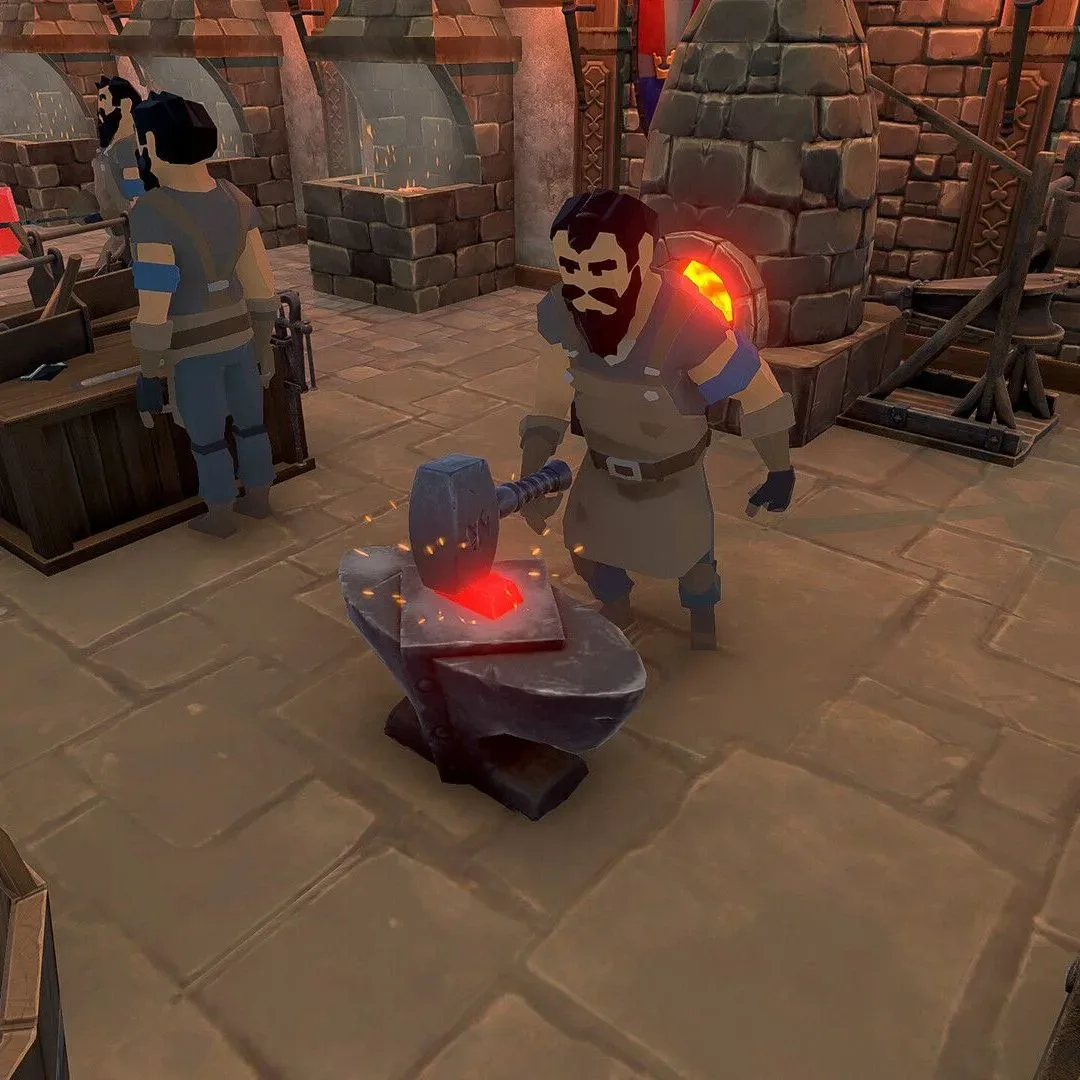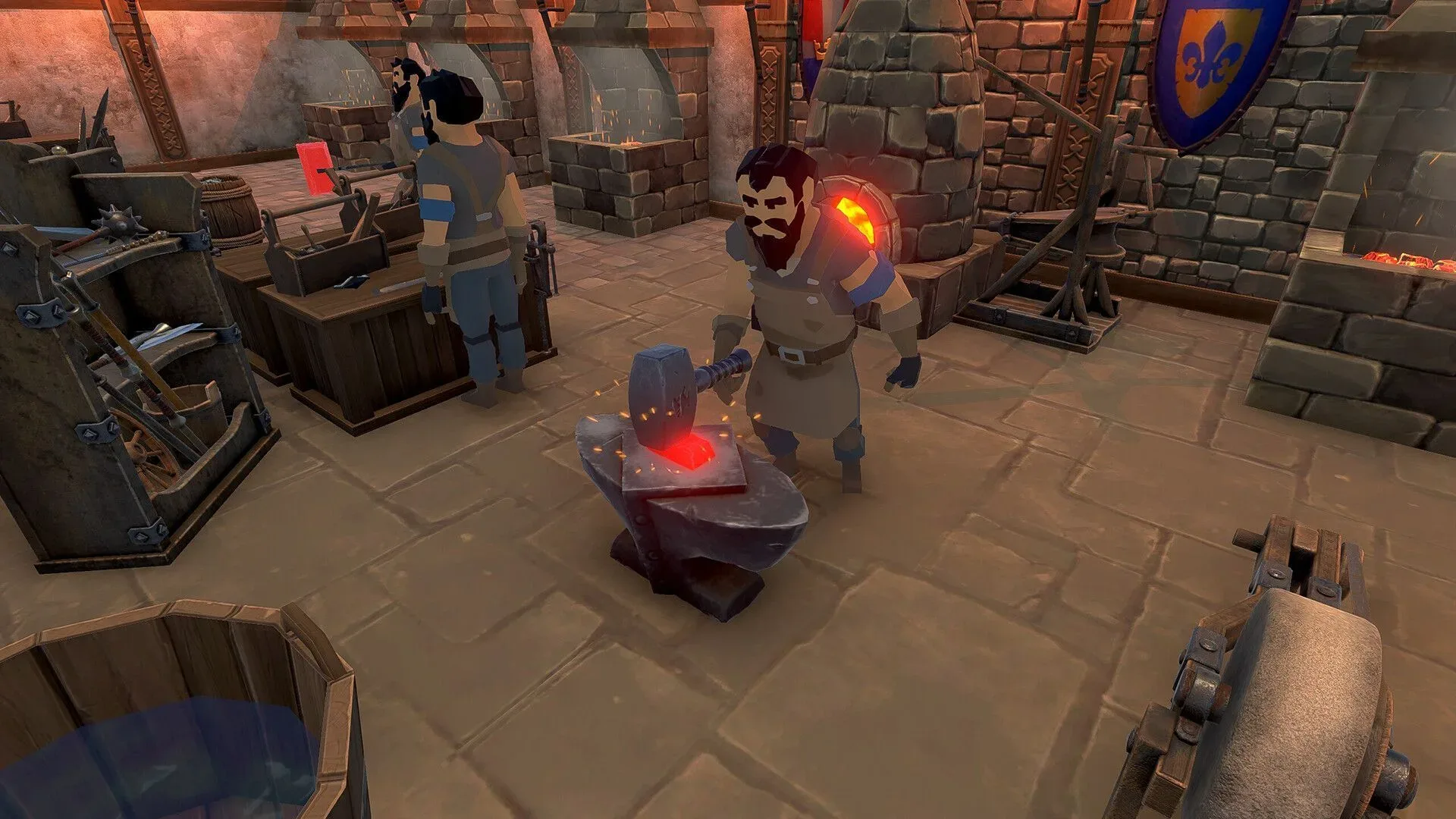
One publisher is taking an unusually calm view of Grand Theft Auto 6’s gravitational pull. Hooded Horse intends to release Blacksmith Master version 1.0 on Steam on November 19, the same day GTA 6 is due to arrive, and CEO Tim Bender says the overlap is not an accident worth fearing.
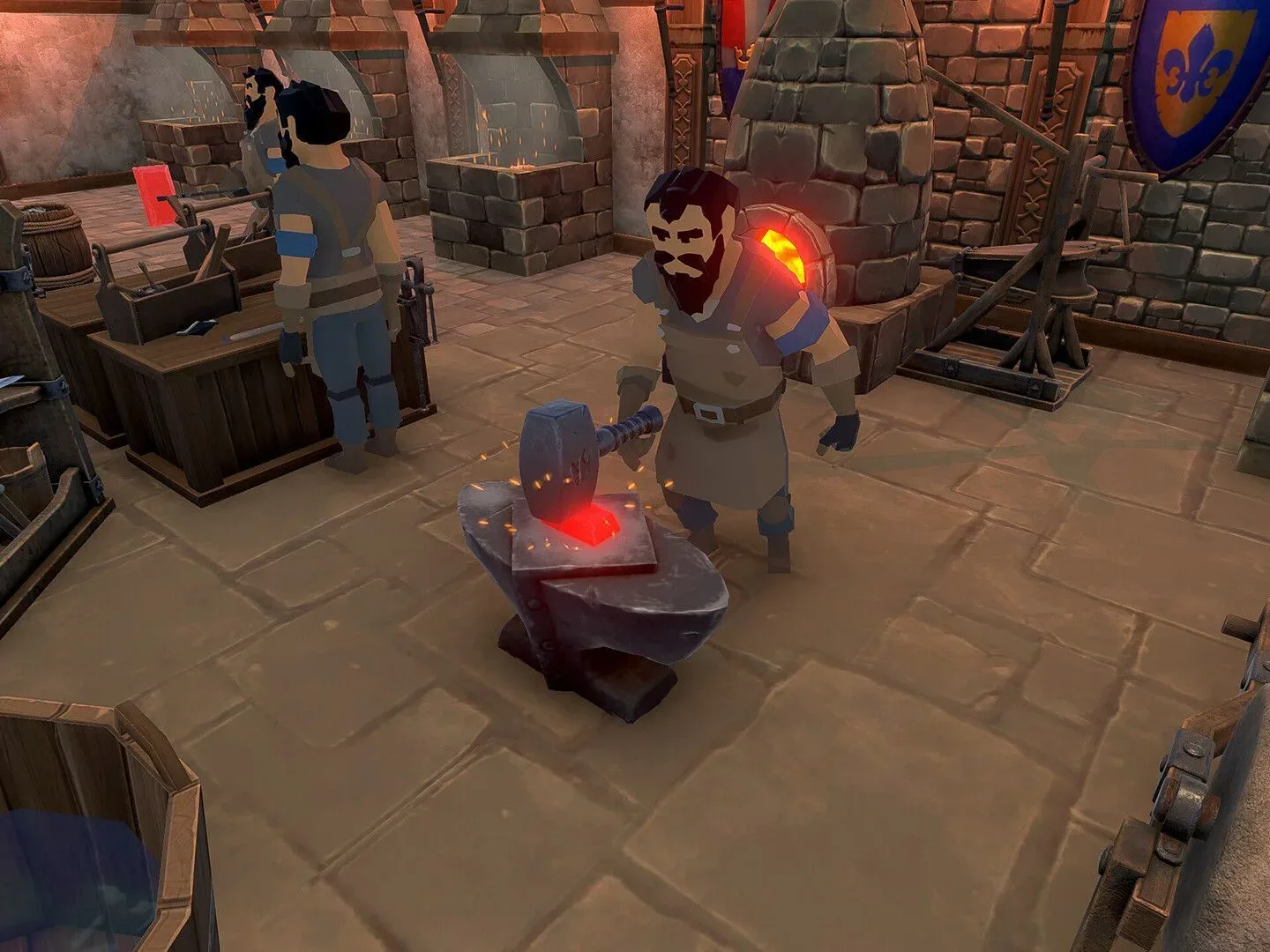
The contrast could hardly be more pointed. GTA 6 is an open-world action game associated with cars, crime and huge mainstream attention. Blacksmith Master is a medieval management simulation built around operating a smithy, directing small workers and making equipment including horseshoes and tools of war. Hooded Horse’s argument is not that the games will somehow compete on equal terms. It is that their audiences, platforms and moment-to-moment appeals are sufficiently different that a shared date may not be a meaningful commercial collision.
“People looking to steal cars and gun down their enemies searching for a PC release will instead discover they actually want to control little dudes hammering horseshoes,” Bender wrote, presenting the idea with a joke before making the serious case for the strategy.
Bender’s underlying position is direct: GTA 6 will have “absolutely no effect” on Blacksmith Master’s release. He also offered a useful dividing line for developers weighing their own schedules. A AAA, console-focused action-adventure heading out on November 19 would be courting a much more obvious comparison and audience clash. A PC management game, by contrast, may have less reason to treat the date as forbidden.
What Blacksmith Master’s 1.0 release means
The move takes Blacksmith Master out of early access and into version 1.0 on Steam. Early access generally means a game is sold and played while development remains ongoing; a 1.0 launch signals the developer and publisher are presenting it as its full release rather than an in-progress build.
That distinction matters beyond a version number. A full-launch date is normally a major opportunity to reach players who wait for a project to leave early access, to invite renewed coverage and discussion, and to give existing players a reason to revisit a game. In that sense, Hooded Horse is not merely placing a small update beside a giant release. It is choosing the moment intended to represent Blacksmith Master as a finished product.
The publisher’s confidence appears rooted in category separation. Management simulation is a broad label, so it is worth being precise about what it means here. Rather than centering on a player-character’s combat or an action-driven story, a management sim emphasizes planning and oversight: in this case, running a medieval smithy and controlling workers as they produce goods. Its appeal can be in organizing labor, watching systems operate and deciding what a workshop should make. Those priorities are fundamentally different from an open-world crime game’s action fantasy.
That does not mean there can be no overlap at all. A person can enjoy both games, and a headline-dominating launch can occupy conversation across the wider games market. But Bender’s point is that shared calendar space is not automatically shared competition. The more relevant question is whether two releases are asking the same customers to choose between similar games on the same hardware, at the same price point and with the same kind of time commitment. The supplied details support a meaningful difference at least in genre and PC focus.
Related coverage includes Hooded Horse Sees GTA 6 Release Day as an Opportunity for Blacksmith Master.
A contrarian answer to a crowded release calendar
Many developers have reportedly moved dates to avoid GTA 6, while big-name releases have become tightly concentrated in September. The Fable reboot’s director has also suggested GTA 6 played a role in moving that game into the following year. The result is a familiar release-calendar problem: moving away from one immense game can put a title closer to other projects that may be much more directly comparable.
That is where Hooded Horse’s stance becomes more than a bit of launch-day bravado. If every publisher treats a major release as a blackout period, the displaced games do not disappear; they accumulate elsewhere. For a smaller or more specialized title, avoiding the biggest game of the season can therefore create a new risk: being released amid several games that serve much the same audience.
Blacksmith Master may be better positioned by leaning into its difference. Players looking for a medieval workshop simulator are not necessarily trying to replace GTA 6 with another blockbuster. They may be looking specifically for a lower-key, systems-oriented game about crafting operations. A date that dominates general gaming conversation could even create extra visibility for an alternative pitch, provided potential customers can quickly understand what the alternative is.
That possibility should not be mistaken for a universal rule. Bender did not argue that every independent game should release beside GTA 6. He explicitly drew a distinction around AAA console action-adventures, a category more likely to compete for the same attention. The more measured lesson is that publishers should assess direct audience overlap rather than react to a major date in isolation.
Why platform focus is central to the argument
Steam is central to the announced plan. The GTA 6 discussion cited here is framed around people looking for a PC release, while Blacksmith Master is set to reach 1.0 on Steam. That creates a practical angle to Hooded Horse’s strategy: the publisher is aiming at a defined PC storefront audience with a product that is already structurally distinct from the action blockbuster dominating the news cycle.
This is not a claim that PC players live in a sealed-off market or will ignore GTA 6. It is an argument about how a publisher can identify a reachable audience on a particular platform. On Steam, players can encounter games through search, recommendations, wishlists and category browsing as well as the day’s largest headlines. A medieval management game with a clear premise has paths to discovery that do not depend on winning a general-interest attention contest.
There is also a difference between attention and intent. GTA 6 can command enormous attention even among people who do not intend to buy it immediately, while someone following management sims may arrive at Steam with a much narrower intent: finding a new game about building, production or running a business. Hooded Horse is betting that Blacksmith Master can meet that intent on its own terms.
For readers tracking release-date movement elsewhere in the medium, there is also a reminder that the industry is not only built around one genre or one audience. Final Fantasy 7 Revelation’s discussion of entry points, for example, reflects how even large franchises must think carefully about which players they are trying to welcome. Hooded Horse’s calculation is similarly audience-led, although it is being applied to timing rather than series continuity.
What the November 19 experiment can and cannot show
Blacksmith Master’s performance after version 1.0 will offer one data point, not a final verdict on whether smaller games should launch beside major blockbusters. Sales and visibility are affected by factors not established here, including the game’s existing early-access audience, how many people have it on their Steam wishlists, the quality and scope of the finished release, and the broader set of games launching around it.
Still, the date will test a clear proposition. Hooded Horse believes that a medieval smithy simulation has enough identity to coexist with an enormous open-world action release, and perhaps benefit from being a conspicuously different option at a moment when the wider market is focused on one huge name.
The practical implication for players is simpler than the calendar strategy behind it. Anyone who prefers directing a workshop to high-speed criminal escapades will not need to wait for the blockbuster dust to settle: Blacksmith Master is planned to leave early access on November 19 via Steam. Whether the gamble becomes a model for other niche PC releases remains uncertain, but the publisher has made its premise plain: different games do not always need different days.