Speedrunning has always had a neat trick at its center: it can make games that took players weeks, months, or even years to finish look suddenly small enough to fit inside an afternoon. But the bigger achievement behind Games Done Quick is not simply getting from a title screen to credits at astonishing speed. It is turning that expertise, spectacle and shared enthusiasm into charitable fundraising on a remarkable scale.
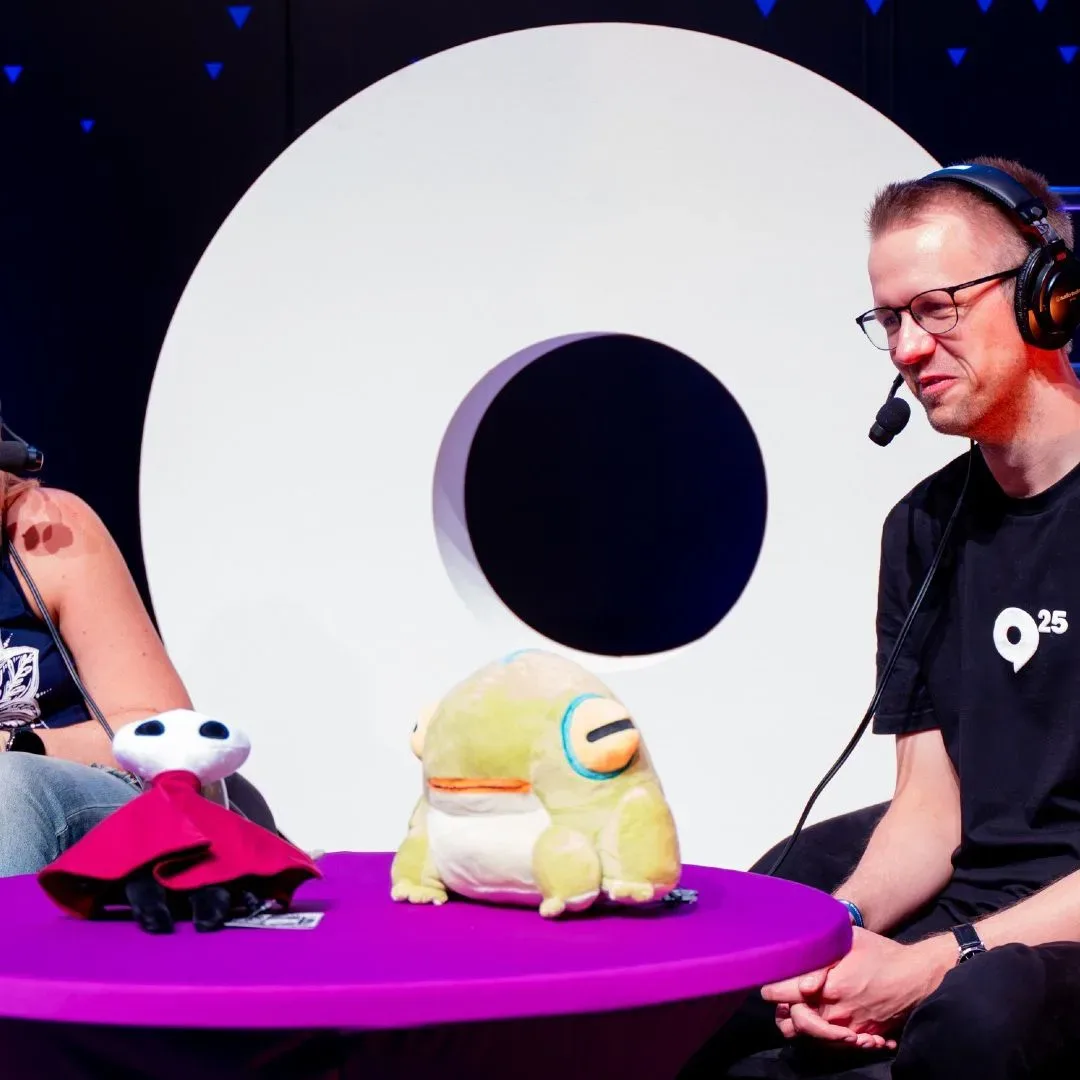
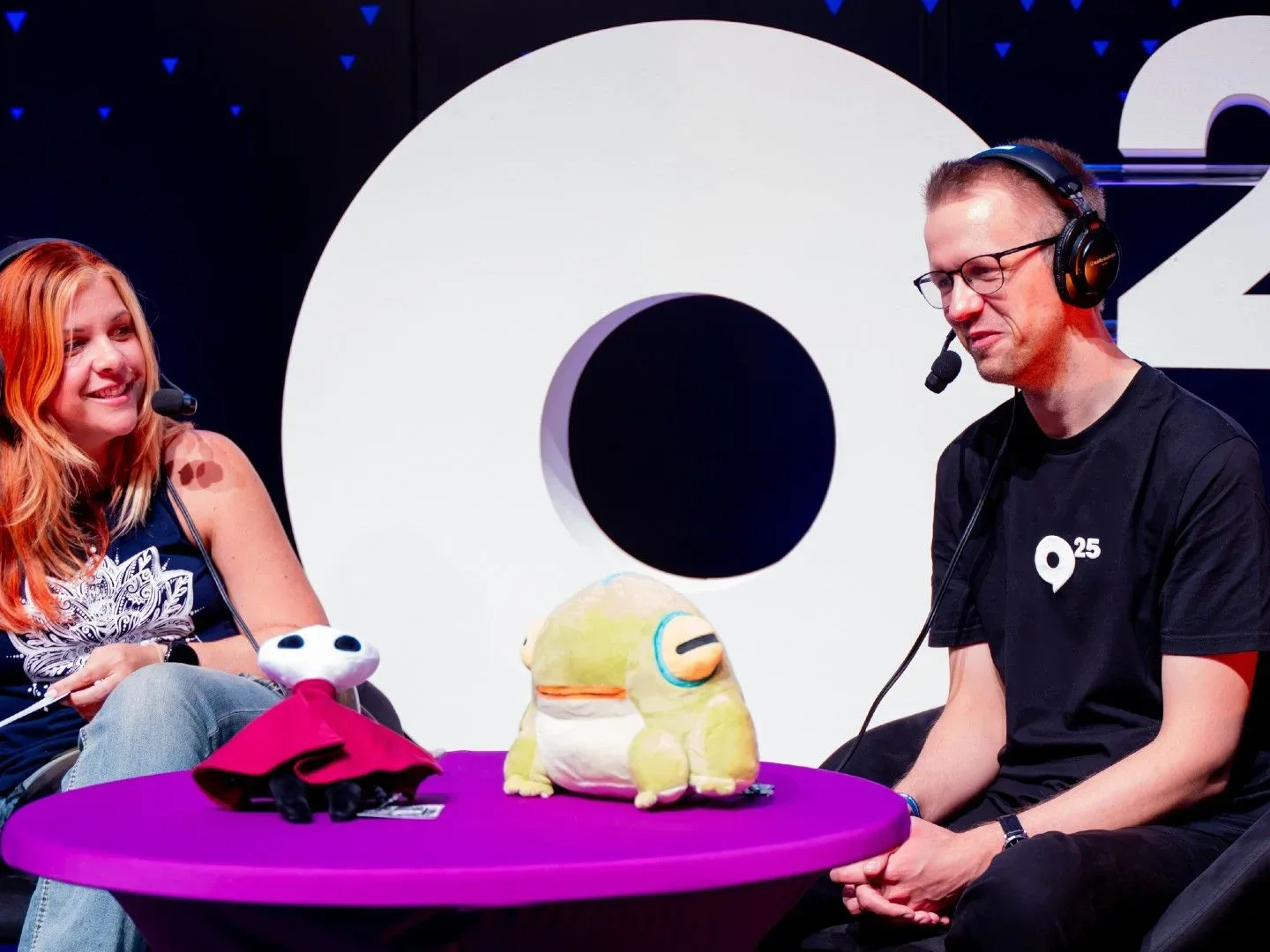
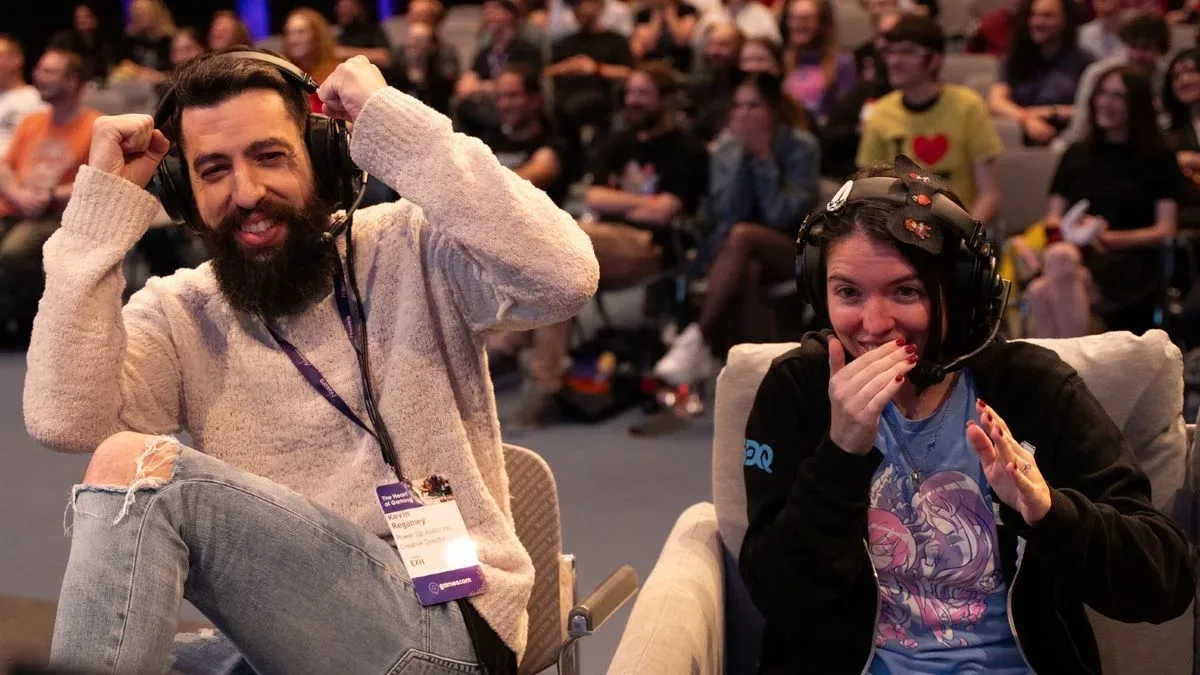
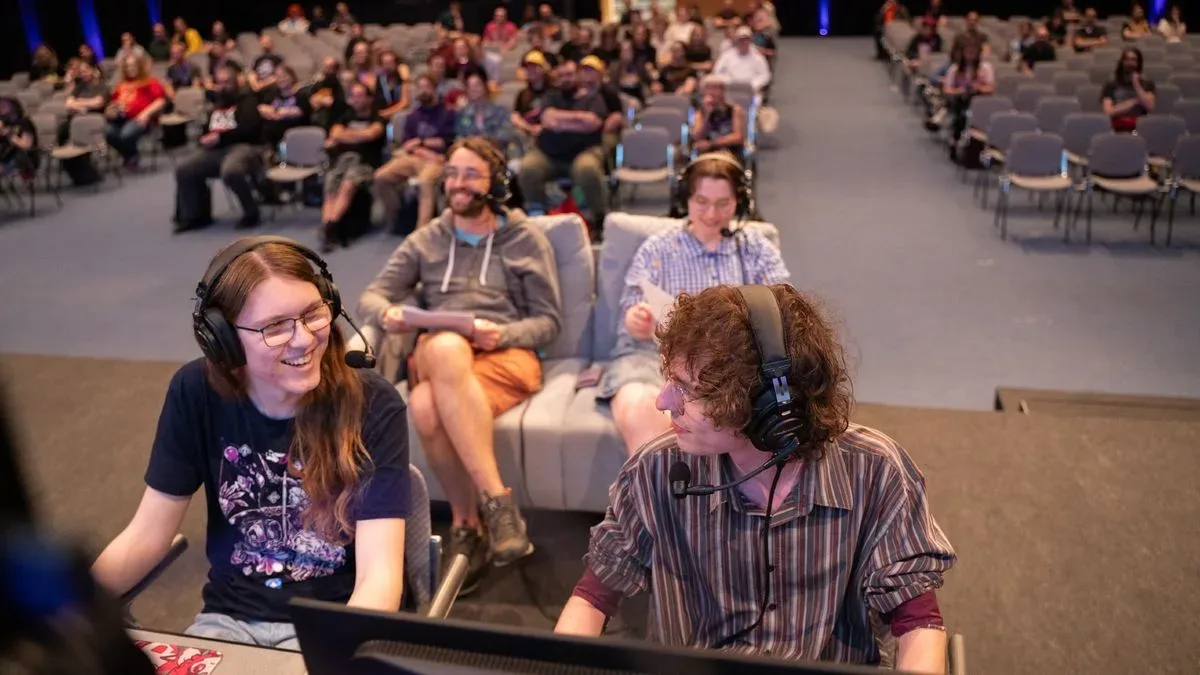
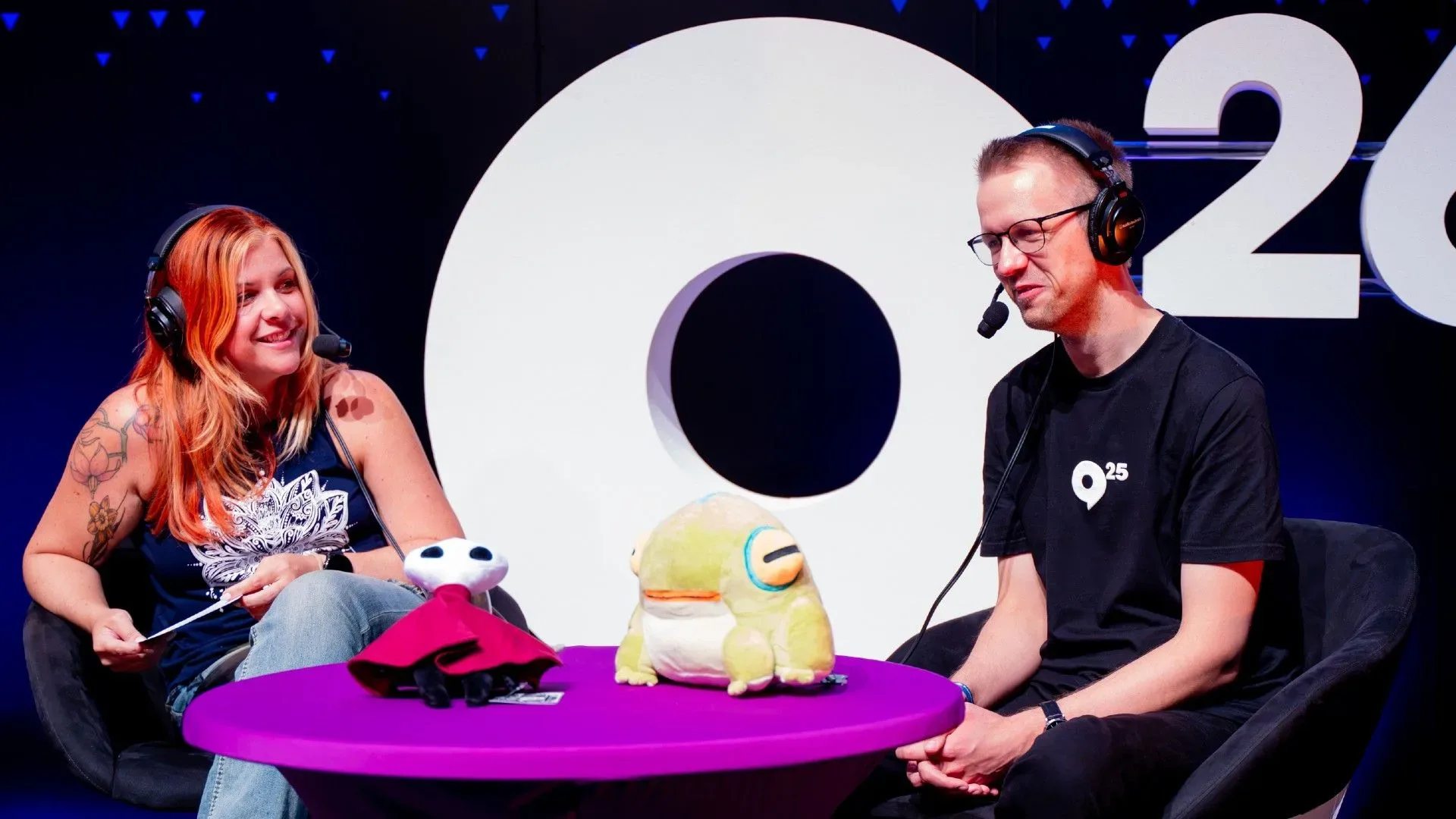
Games Done Quick has now raised $62 million for charity, and its first live appearance at Gamescom 2026 marked another notable step for the organization. At Koelnmesse, runners took on games in front of an in-person crowd for the first time at the convention, while the familiar wider audience could follow along online. It was a fitting setting for an event built around the idea that games become more meaningful when a large, varied group of people gets to participate in them together.
The organization’s business director, Ashley Farkas, framed that mission in fundamentally human terms. The essential ingredient is people gathering around a cause they value, with staff, runners, volunteers, attendees and remote viewers each contributing attention and care. A marathon run may be the portion viewers see on screen, but its charitable impact depends on the entire network surrounding it.
More than a race to the credits
To an uninitiated viewer, a Games Done Quick stream can appear to be a highly polished contradiction. The runner may be skipping huge sections of a game, exploiting unusual physics, executing precise inputs or relying on routes built through exhaustive research. Yet the broadcast itself is patient and inviting: hosts explain what is happening, commentators supply context, incentives give donors a way to influence the show, and donation messages keep the focus trained on the cause.
That balance is central to why the format works. Speedrunning is a specialist pursuit, but the event does not ask every viewer to be an expert in frame-perfect movement, routing theory or obscure glitches. The immediate appeal can be as simple as seeing somebody do something difficult and unexpected. The deeper appeal arrives through the collective atmosphere: thousands of people reacting to a risky trick, a close race, a successful challenge, or a donation total climbing in real time.
There is also an important distinction between simply soliciting donations and building an occasion that people actively want to be part of. Farkas described conventional fundraising as something that can feel peer-to-peer and transactional. Games Done Quick’s approach instead aims to make participation feel like an experience, whether someone is running, volunteering, watching, submitting a message, attending in person, or helping spread the word.
That is why the scale of the organization cannot be captured by one total alone, even when $62 million is an extraordinary figure. The number indicates real charitable support, including past fundraising for organizations such as Doctors Without Borders and the Prevent Cancer Foundation. But it does not fully describe the labor and trust involved in repeatedly creating events that audiences return to year after year.
Gamescom was a natural stage for a live GDQ event
Gamescom brings together people who may play completely different games, collect different hardware, follow different scenes and speak different languages, but who recognize a common enthusiasm for the medium. A live Games Done Quick presence fits comfortably into that environment. Both are powered by the social side of games: the stories people tell around them, the skills they show off, and the delight of discovering that someone else cares intensely about the same peculiar detail.
Related coverage includes Games Done Quick Brings Its Community-First Charity Speedruns to Gamescom 2026.
For GDQ, a venue audience adds another layer to a formula already designed for shared excitement. Speedrunning is often technically demanding, but it is also theatrical. A runner has to remain composed under pressure; commentators must explain split-second decisions; the room waits to see whether a difficult sequence succeeds. Every accomplishment becomes more immediate when an audience can respond together.
None of that replaces the value of the remote format. In fact, the organization’s ability to operate with runners participating from around the world became especially important in 2020, when virtual streams and online communities became essential social spaces for many people. Games Done Quick adapted by presenting remote speedruns, proving that the event’s identity was not dependent on putting every contributor in the same building.
The Gamescom event therefore feels less like a replacement for online GDQ than another way to expand its reach. Physical and digital audiences can serve the same larger mission, while giving different members of the community a meaningful point of entry. Some will travel to a hall and cheer from a seat; others will tune in from home. Both groups can help turn the entertainment into support for charity.
A community built from many roles
It is easy to think of a speedrunning marathon as belonging to the runner holding the controller. The runner is certainly the visible expert, and every standout performance begins with a person committing enormous time to a game and its many possible routes. But Farkas stressed that Games Done Quick would not exist without its runners, community members and volunteers. Staff alone cannot make a show of this kind function.
That point matters because it changes the definition of participation. A person does not have to hold a world record, master a difficult route, or appear on a stage to matter to the event. Moderation, production work, technical support, scheduling, hosting and community engagement are all part of the machinery. So are viewers who donate, amplify the broadcast and help create a welcoming chat and event culture.
It also makes speedrunning a particularly interesting corner of gaming history and culture. Players are not merely consuming a finished product. They are studying it, documenting it and often finding entirely new ways to understand its rules. The same appetite for systems, secrets and unexpected possibilities helped make cheat devices part of gaming’s long-running tinkering tradition; our look at Action Replay’s history from freezer cartridges to save customizers explores another route players have taken to reshape how games are played.
Speedrunning differs in its goals and standards, of course. A completed run is governed by category rules and community verification, while a marathon broadcast must remain accessible enough to entertain a broad audience. Still, both reflect a durable truth about games: players often build vibrant cultures not just around what a game officially asks them to do, but around what else might be possible within it.
Inclusion is part of the event’s infrastructure
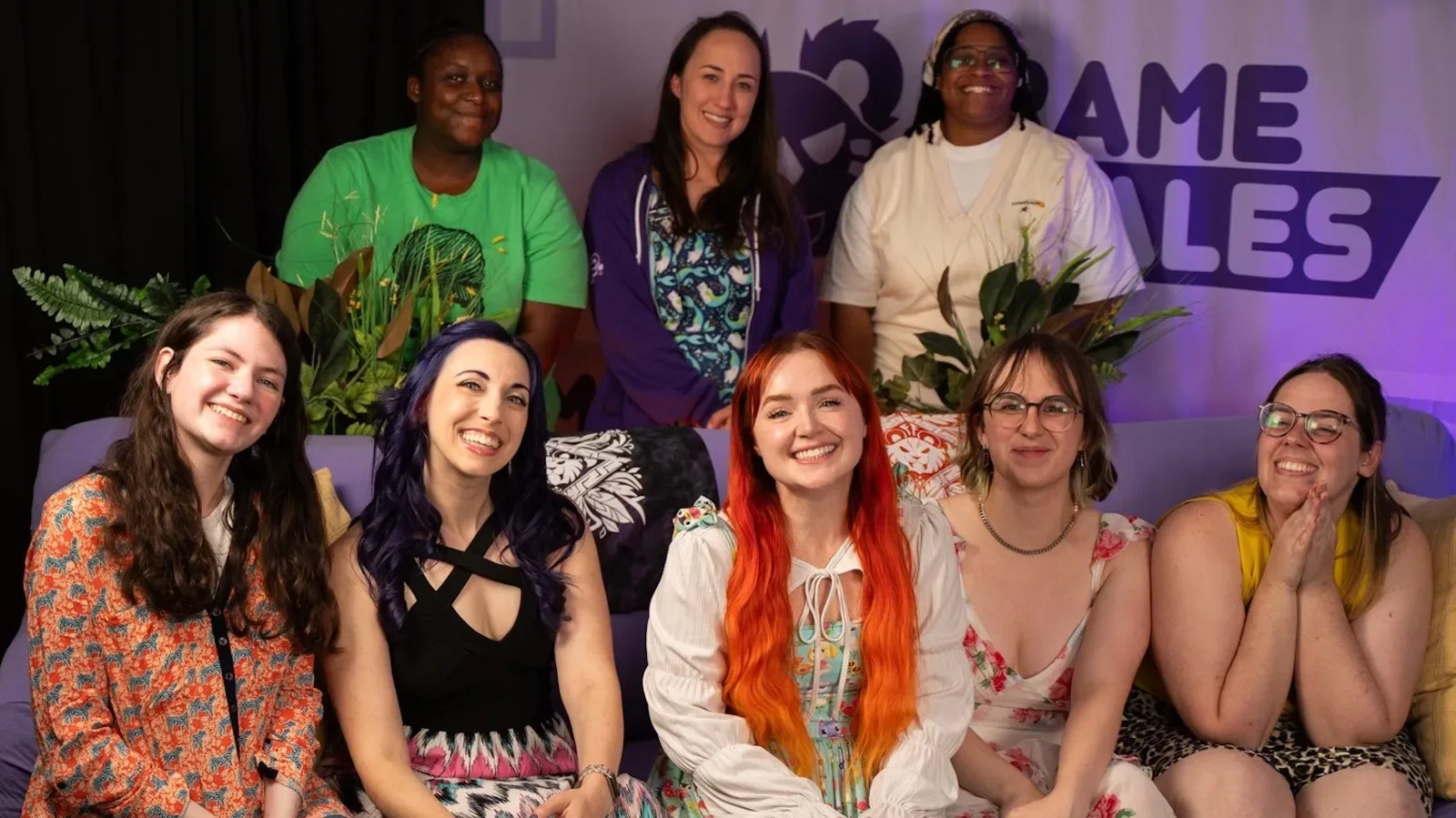
Games Done Quick’s events include staples such as Summer Games Done Quick as well as Frame Fatales, which centers feminine-presenting speedrunners. That breadth is not incidental programming. It reflects a stated commitment to making room for people who may not always feel welcomed elsewhere in gaming spaces.
Farkas spoke directly about the harm people feel when they believe they do not belong. Her description of GDQ’s goal was simple but consequential: participants should be able to attend authentically as themselves without fear. The event’s donation messages have often included support for marginalized people, including the trans community, and that visible solidarity helps establish the kind of environment the organization wants to cultivate.
Inclusivity in a large online-and-live event is more than a pleasant slogan. It affects who feels able to submit a run, volunteer, attend, speak in chat or return next time. It affects whether viewers see themselves represented on screen. And it affects whether an event devoted to charitable action can credibly ask its community to care for people beyond the boundaries of gaming.
There is no single metric that can adequately measure that sense of belonging. Donation totals are vital, and they provide the clearest indication of direct charitable results. Yet the culture around the total is also what sustains it. A community that feels respected is more likely to keep showing up, teaching newcomers, supporting runners and finding fresh ways to make the next marathon engaging.
What comes next is not just a bigger number
With $62 million already raised, the obvious question is how far Games Done Quick can go. Farkas did not reduce the answer to a prediction or a target. The stated focus is on continuing to bring good people together for worthwhile causes, then discovering new ways for them to take part. That leaves room for experimentation instead of treating every event as a repeat of the last.
One potential avenue is further work with creators and the kind of ambassador activity GDQ has used previously. That could create new paths into the community for people who know charity streams or game creators better than they know speedrunning. The important detail is that such expansion would still rely on the same experience-first philosophy: participation should be inviting, communal and connected to a cause rather than a bare request for money.
Recent programming already shows the value of giving distinct groups and ideas their own space. Games Done Queer, GDQ’s first event under that name, raised more than $11,000 through a lineup that included Donkey Kong and hot dog-making speedruns. It is the kind of detail that captures the unusual charm of the broader project. A serious charitable outcome can emerge from highly skilled play, niche game knowledge, warm audience interaction and an activity as delightfully strange as optimizing hot dog production.
That combination is difficult to manufacture, which may be why it remains so compelling. Games Done Quick’s Gamescom 2026 debut was a showcase for speed, but its more lasting message was about the people who give that speed a purpose. Runners may move through games faster than seems possible. Community is what allows the impact to travel further.