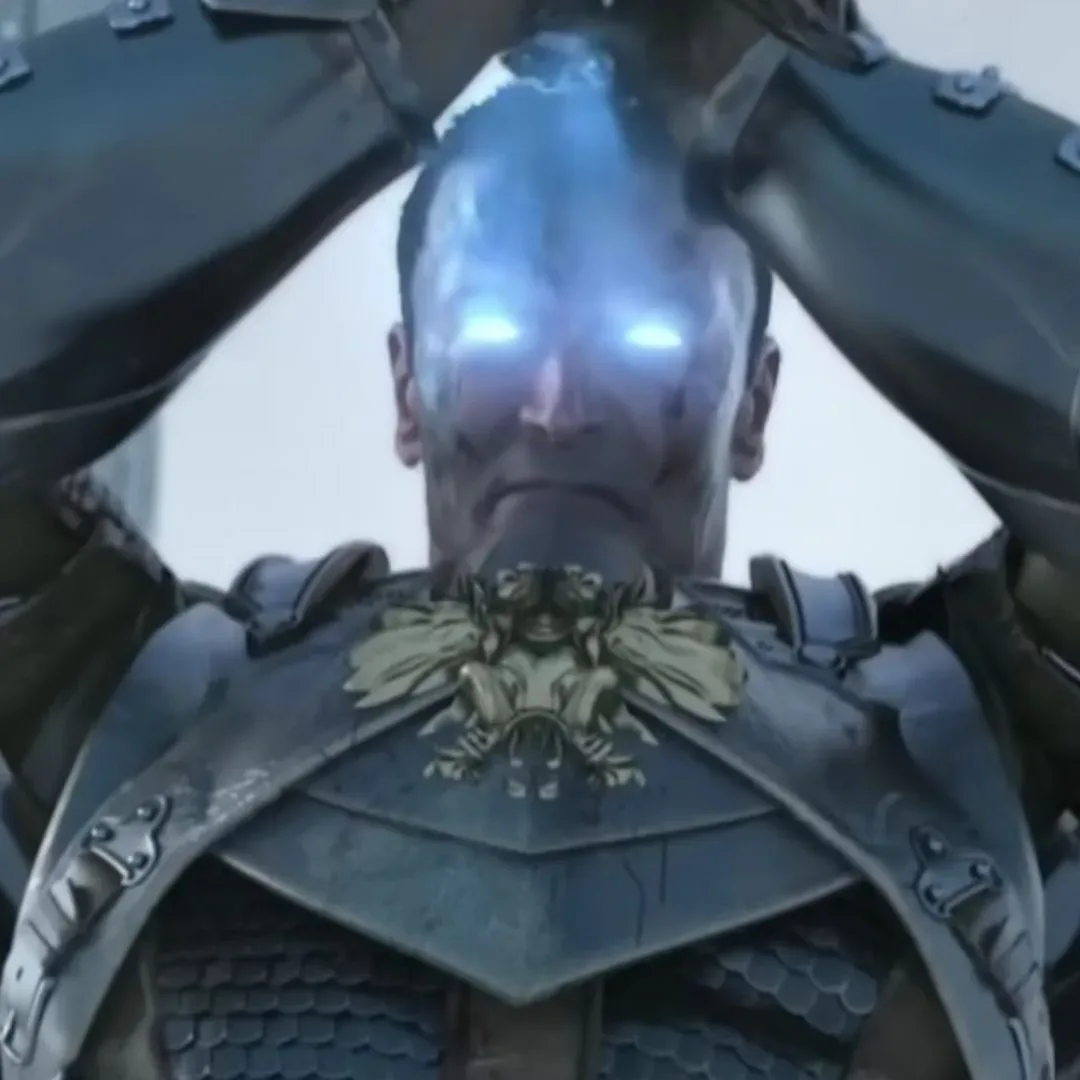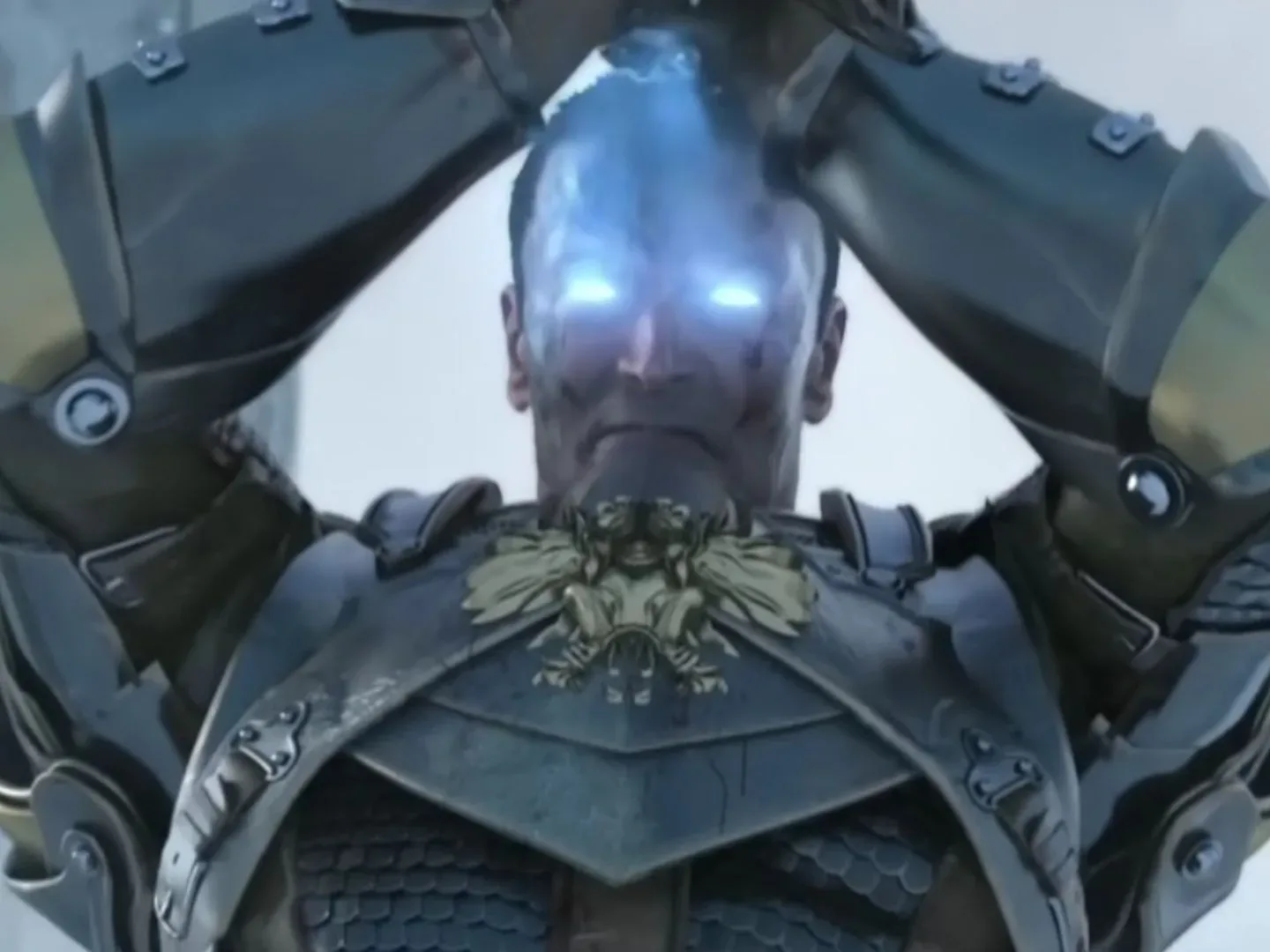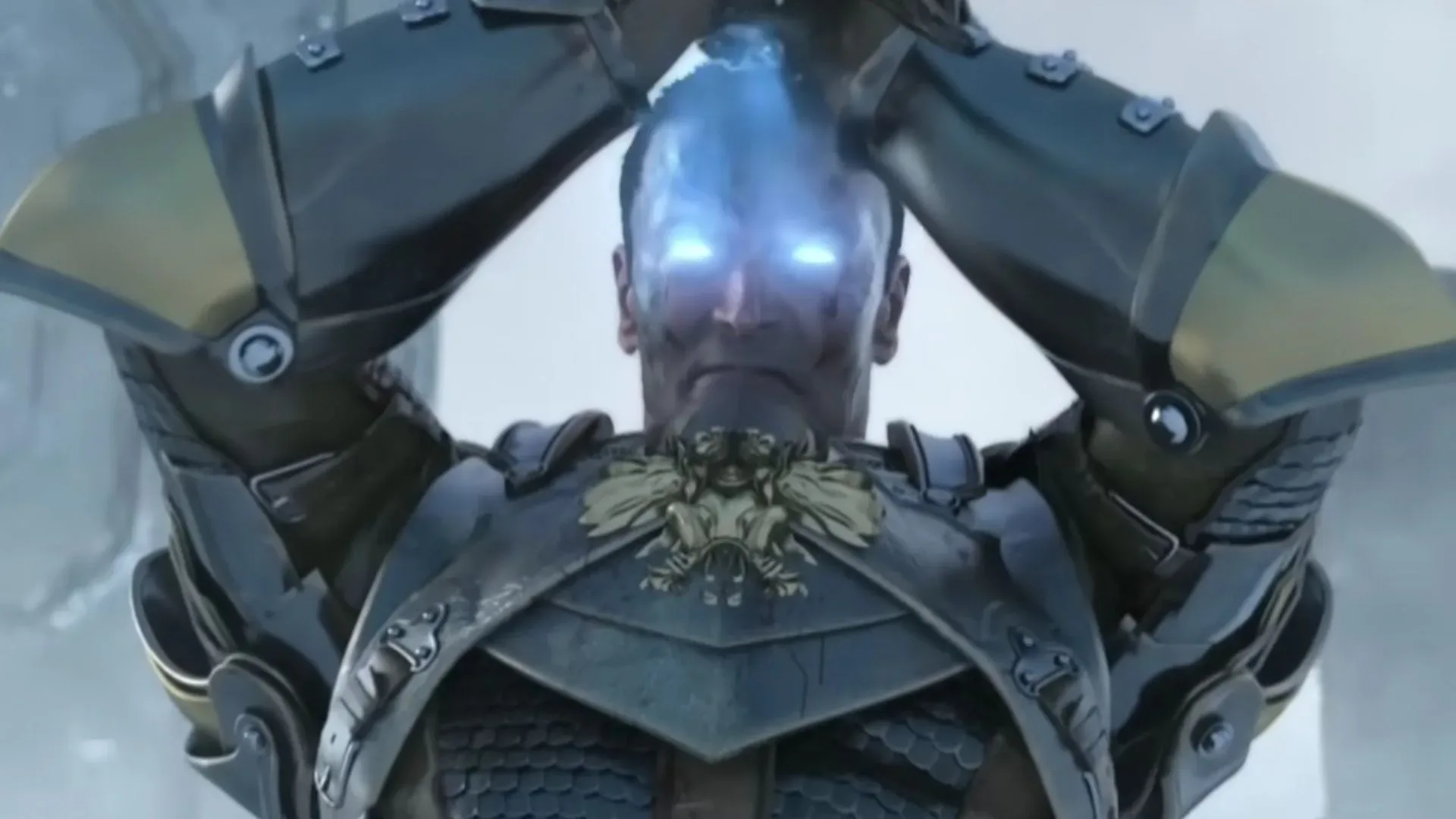
There are RPG sections that players debate because they are difficult, and then there are RPG sections that players debate because they seem to arrive from another game entirely. For Dragon Age: Origins, the Fade portion of the Mage Tower quest has long occupied the latter category: a surreal detour that separates the protagonist from the rest of the party and asks players to navigate an alternate, dreamlike dimension.
Now Mark Darrah, a co-director on Dragon Age: Origins, has offered an unusually blunt retrospective assessment. Responding to a question about what he would remove from each Dragon Age game, Darrah said he would be tempted to eliminate or greatly shorten the Mage Tower’s dream-sequence material.
“It’s not very good content. It’s kind of filler. It was definitely done pretty fast in the end.”
Darrah also said the sequence did not “age super well.” That is not a formal plan for a revised version of the game, nor does it settle what every player should think of the quest. It is, however, a candid view from one of the people who helped direct the original game—and it gives a concrete development framing to a part of Origins that has remained divisive for years.
What Darrah is criticizing
The comments specifically concern the dream-sequence portion of the Mage Tower, commonly associated with the Fade. In the game’s setup, the player is pulled away from the normal party-based flow and placed in an otherworldly environment. The tonal shift is dramatic, as is the mechanical shift: rather than proceeding through a typical party-led RPG area, the player works through a more isolated and unusual sequence.
That distinction matters. A criticism of the Fade is not necessarily a criticism of the idea of a supernatural realm, or of a story taking a temporary detour into a character-focused nightmare. Those are narrative tools. Darrah’s language is aimed more directly at the execution: the section’s perceived quality, its apparent role as filler, and the speed with which it was completed.
“Filler” is a loaded term in game discussion, but it has a practical meaning here. It describes content that adds time or activity without contributing enough in story, mechanical development, or player satisfaction to justify its length. A longer game is not automatically a richer game if the additional section interrupts momentum or repeats a loop that players do not find rewarding.
Why the Fade has remained such a point of contention
Dragon Age: Origins is built around party dynamics. Players spend much of the adventure with companions, and the structure encourages decisions about who to bring, how to build a group, and how individual personalities interact with the world and one another. The Fade sequence’s separation from that familiar rhythm is therefore especially conspicuous.
Related coverage includes Mark Darrah Calls Dragon Age: Origins' Fade Sequence "Filler".
For critics, that break can make the Mage Tower dream section feel disconnected from what they value most in the RPG. The party is absent, the setting is more abstract than the surrounding adventure, and the sequence’s altered rules can read as a stop-start interruption rather than a welcome change of pace.
For players who like it, those same qualities can be the appeal. A dream realm should not necessarily feel like another conventional dungeon, and a temporary loss of the party can reinforce the vulnerability and strangeness of the premise. The Fade’s defenders may reasonably see its tonal departure as deliberate atmosphere rather than a mistake.
Darrah’s comments do not erase that subjective split. They do add a notable production-side perspective: he characterizes the material as rushed late work, rather than presenting it as a fully realized experiment that simply failed to find universal approval.
Rushed content can have a different kind of roughness
When a developer says a section was done “pretty fast in the end,” it does not automatically explain every design choice or identify a single cause for every player complaint. Development is collaborative, iterative, and constrained in ways a short retrospective comment cannot fully map. Still, the remark offers useful context for why some content may feel less integrated than the game around it.
Late-built sequences can face a particularly hard test. They need to communicate their own premise, fit the game’s systems, maintain the pacing of the larger quest, and receive enough iteration to ensure their challenges and navigation are clear. If any of those pieces are underdeveloped, players can feel the seams. In a long role-playing game, a section does not need to be terrible to become memorable for the wrong reasons; it only needs to slow an otherwise compelling journey at a point where players want to return to the main story and their companions.
Darrah’s choice of remedy is revealing as well. He did not merely say he would adjust a puzzle, revise dialogue, or polish a single encounter. He said he would be tempted to cut the dream sequence or reduce it dramatically. That implies the issue, in his view, is one of scope as much as quality. A smaller version could preserve the concept while demanding less of the player’s time.
Reduction is not the same as removal
There is an important difference between cutting a sequence outright and compressing it. Total removal would mean abandoning the detour’s role in the Mage Tower entirely. Dramatic reduction would instead keep its essential narrative function while trimming the elements that make it feel overextended.
That is often the more interesting design question for older games. Not every disputed chapter needs to be treated as an all-or-nothing proposition. A shorter version might retain the unsettling separation from the party and the otherworldly atmosphere, while reaching its key story beats with less friction. Whether that would have satisfied everyone is unknowable, but it is a more precise interpretation of Darrah’s remarks than treating them as a demand to erase every trace of the Fade.
It also highlights a broader reality of RPG design: pacing is content. Players do not experience quests as isolated lists of mechanics. They experience the accumulated flow of exploration, combat, conversations, decisions, interruptions, and rewards. A section can be imaginative in isolation yet still strain the campaign if it arrives at the wrong length or asks for too much repetition.
A frank retrospective, not a universal verdict
It is tempting to turn a developer’s retrospective criticism into a definitive ruling: the Fade was bad, case closed. That would overstate what the comments establish. Darrah is speaking candidly about what he would change, and that opinion carries weight because of his role on the game. But player response remains personal, particularly in a role-playing game where atmosphere and novelty can matter as much as efficiency.
What the comments do decisively challenge is the idea that every controversial portion of a beloved game must be defended as intentional perfection. Games can be influential, ambitious, and deeply liked while also containing sections their creators would now reduce or remove. In fact, the willingness to identify a weak or rushed component can be more informative than a blanket defense of the finished product.
That kind of openness is useful in conversations around legacy games. Earlier this year, another former studio designer publicly questioned the prospects of a different major RPG series continuing, as covered in this look at comments on Starfield’s sequel prospects. In both cases, former development leads discussing large games can provide perspective without converting speculation or personal preference into an official roadmap.
Why this admission resonates
The Fade debate persists because it sits at the intersection of several tensions that RPG players recognize immediately: story atmosphere versus forward momentum, experimentation versus consistency, and total runtime versus meaningful runtime. A sprawling RPG can afford variety, but variety still has to justify the time it asks from the player.
Darrah’s assessment is striking precisely because it is so unvarnished. He did not frame the Mage Tower dream material as misunderstood, ahead of its time, or merely hard for some players. He called it “not very good content,” described it as filler, and said it was finished quickly. For players who found the section exhausting, the remarks will feel like validation. For those who appreciate the sequence’s surreal detour, they provide behind-the-scenes context without obliging anyone to abandon that preference.
Either way, the conversation now has a clearer anchor: one of Dragon Age: Origins’ co-directors believes the Fade was a candidate for major cuts. In a game remembered for its large-scale role-playing framework, that is a reminder that even celebrated RPGs are shaped by compromises—and that the strangest detours can become the parts developers most readily revisit years later.