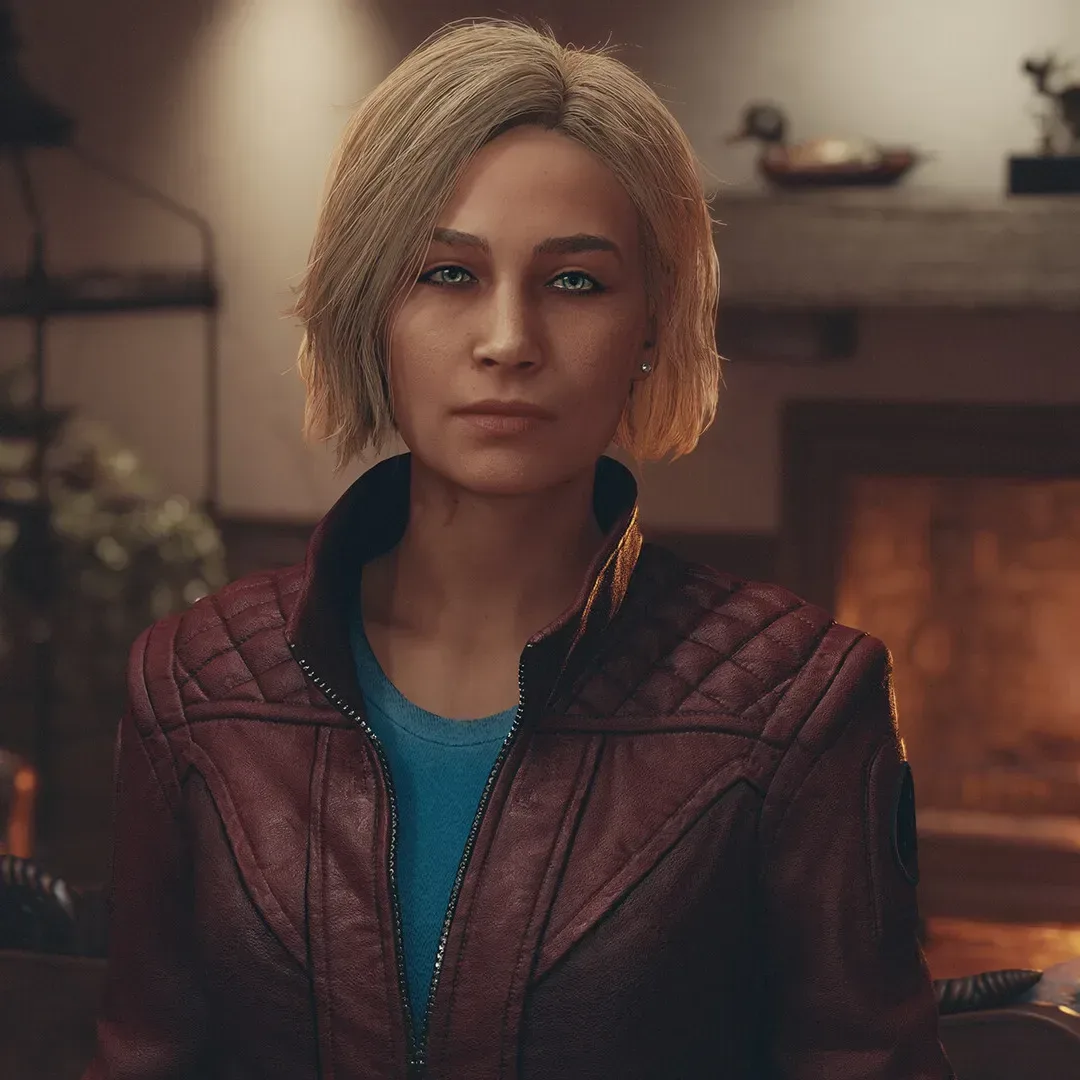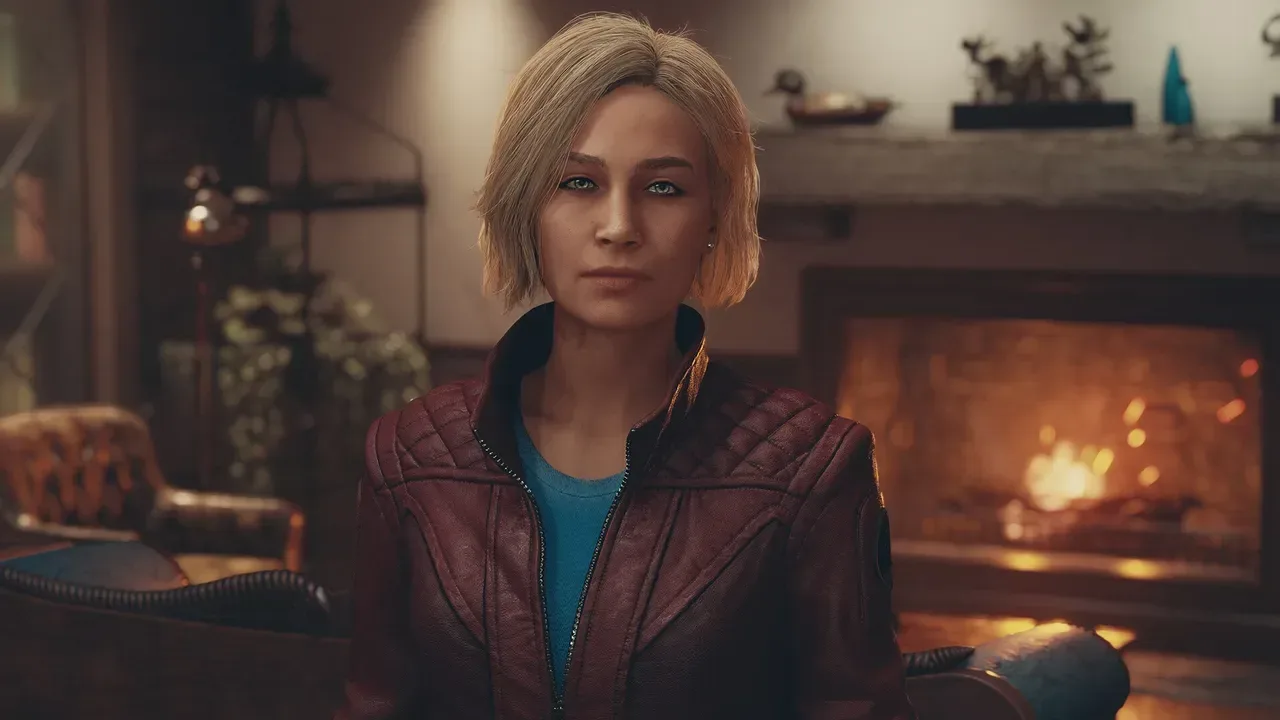
A former Bethesda lead systems designer has poured cold vacuum directly onto hopes for a near-term Starfield 2. Kurt Kuhlmann’s view is blunt: he does not believe Starfield was successful enough to justify a sequel.
“I don’t think Starfield was anywhere near successful enough to do a Starfield 2.”
That is an informed opinion from a former developer, not a confirmation that a sequel has been cancelled or that one was ever formally planned. The distinction matters. Bethesda’s publicly described work concerns continued support for the existing game, not an announced sequel. Still, Kuhlmann’s comments sharpen a question that has followed the space RPG since launch: can ongoing additions improve the game’s standing enough to make another trip through the Settled Systems attractive?
What is actually confirmed for Starfield
Bethesda is continuing to work on downloadable content and updates for Starfield. In a statement issued in July, Todd Howard said the team would enter the game’s third year with new stories, targeted gameplay improvements and additional updates for the Settled Systems. He also said new Starborn content is being prepared for next year.
Those are meaningful commitments for players still exploring the game, but they should not be conflated with a sequel announcement. DLC, or downloadable content, expands or supplements an existing release. A sequel is a substantially larger commitment: it needs a separate development plan, a long production runway and a business case that the publisher believes will support another major release.
For now, the safer expectation is continued work on the current Starfield, rather than evidence that Starfield 2 is underway. The announced direction is support and expansion, with specific emphasis on stories, gameplay changes and Starborn material.
Kuhlmann’s argument is also an argument about unrealized potential
Kuhlmann did not frame the possibility of no sequel as a simple victory lap for critics. He described it as unfortunate because a follow-up could apply lessons learned from the first game and move closer to the version Todd Howard had envisioned.
“It’s, in a way, too bad, because I think with the lessons learned on Starfield, a Starfield 2 could have been much closer to the game that Todd had in mind.”
Related coverage includes Former Bethesda Designer Doubts Starfield 2 Will Happen Soon.
That is the interesting tension at the center of the discussion. A first entry can establish a universe, systems and player expectations; a second entry can theoretically refine them. Yet potential for refinement does not automatically translate into a sequel. Kuhlmann’s position is that the first game’s success level may not warrant that investment.
It is also important not to overread “lessons learned.” The comments do not identify a sequel’s hypothetical mechanics, setting, platforms, release window or development status. They express a belief that a future installment could have benefited from experience gained during the original game’s creation and post-launch life. That is different from knowledge of a project in production.
A divisive game can still receive long-term support
Starfield has been a divisive release. That does not erase the parts that connected with players: its expansive role-playing quests and combat were seen as strengths, even amid substantial criticism and disagreement over the game’s broader execution.
The continuing updates matter in that context. “Targeted gameplay improvements” suggests Bethesda is not presenting support solely as new content drops. The phrase points to changes meant to address parts of the experience itself. However, it does not tell players precisely which systems will change, how broad those changes will be, or whether they will persuade people who did not enjoy the game at launch.
That uncertainty is why it is premature to declare either a total turnaround or a final verdict. Support can change a game over time, especially where new stories and revisions give returning players a reason to check in. But the supplied plans do not establish that the game will be transformed, nor do they establish that post-launch improvements will alter the sequel calculation Kuhlmann describes.
Why a sequel may be far away even in the best case
Even if Bethesda eventually decides to revisit the universe, it would likely take years before the public heard anything concrete. The company is also focused on bringing The Elder Scrolls VI to release, while Obsidian is developing a new Fallout game. That makes a prompt return to the Settled Systems difficult to assume.
This is a useful reminder that fans should separate three very different possibilities:
- Current-game support: Updates, DLC, new stories and Starborn content for Starfield are part of the stated plan.
- Interest in the setting: Continued support can show Bethesda still sees value in maintaining the existing game, but it is not a promise of another entry.
- A greenlit sequel: There is no confirmation here that Starfield 2 has been approved, staffed or placed on a release schedule.
That final category is the one Kuhlmann doubts will materialize anytime soon. His reasoning is rooted in his assessment of commercial or overall success, rather than a disclosed internal roadmap. The practical takeaway is modest but clear: players should watch the promised content for the original game, not plan around an imminent sequel.
What the Starborn reference means for players
Howard’s mention of “new Starborn content” is the most specific forward-looking element in the current support plan. The Starborn are already a defined part of Starfield’s world and story framework, so the wording indicates that future material will build on that existing thread. Beyond that, details remain unannounced.
Players should be wary of filling the gaps with assumptions. “Starborn content” does not, on its own, confirm a particular quest type, expansion format, gameplay overhaul or story outcome. What it does show is that Bethesda intends to continue extending an established part of the game rather than treating the current version as finished and untouched.
For people still playing, the near-term question is therefore practical: whether the additional stories and targeted improvements make the current experience more satisfying. For people waiting on a hypothetical follow-up, Kuhlmann’s comments make patience the only sensible setting on the ship’s console.
The industry context: ambition, support and priorities
Large game series are shaped not only by creative ambition but by development capacity and competing priorities. Kuhlmann’s comments capture the creative side of that equation: he sees room for a sequel to learn from the first game. The stated focus on The Elder Scrolls VI, the new Fallout project at Obsidian and ongoing Starfield support illustrates the capacity side.
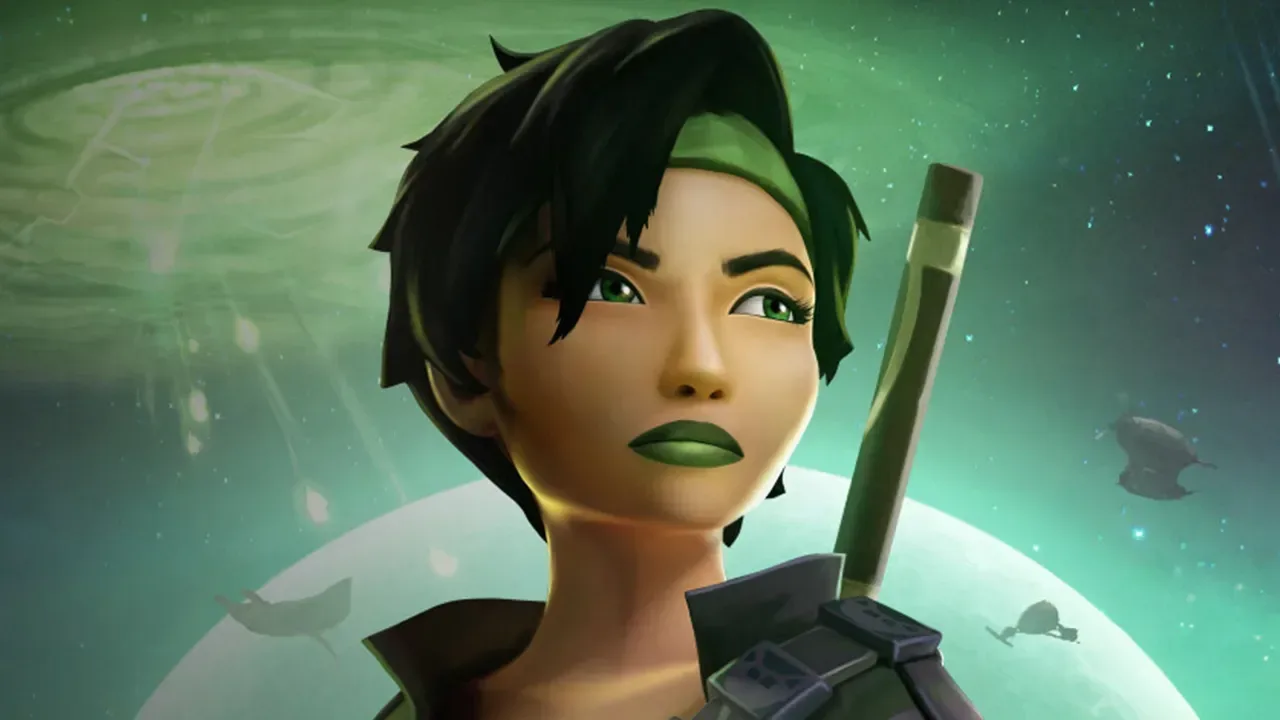
In other words, an idea can have room to grow without being the next project selected for full-scale production. Development teams and publishers make choices between maintaining a current title, building established franchises and starting or continuing new projects. Broader staffing and production movements remain a recurring industry story, as seen in this report on narrative support added to Beyond Good & Evil 2.
For Starfield, the immediate record is straightforward. Bethesda says it will keep expanding the Settled Systems in year three, with stories, improvements, updates and new Starborn material ahead. A former lead systems designer believes the original game did not perform well enough to make a sequel likely. Both statements can coexist: the current game can remain supported while the future of a second full installment stays uncertain.
Until Bethesda says otherwise, any claim that Starfield 2 is definitely coming—or definitely dead—goes further than the available evidence. The next real signals will be the actual scope and reception of the promised updates, not speculation fired blindly into the galaxy.