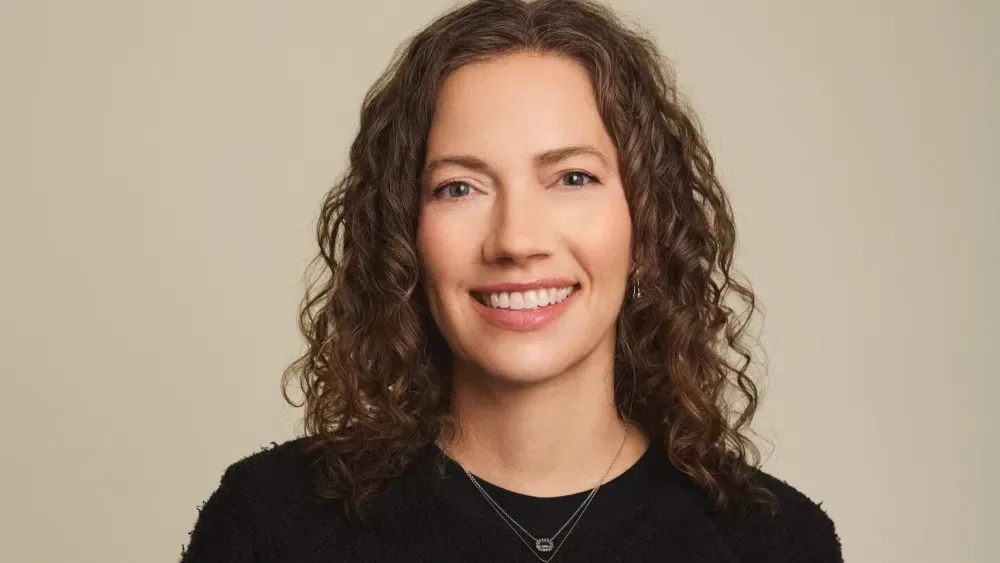
Warner Chappell Music is changing its senior leadership structure: Carianne Marshall will transition out of her roles as co-chair and chief operating officer at the end of September, while CEO Guy Moot becomes the publishing company’s sole chair effective October 1.
Marshall is scheduled to remain with Warner Chappell through the end of the calendar year to support the handover. The company has framed the change as part of a move to streamline its leadership structure, rather than as a change to its publishing focus or writer roster.
For songwriters and the broader creative community around the publisher, the immediate practical point is continuity. Moot, who has shared the chair role with Marshall since April 2019, will retain the chair title alone. Marshall’s continued presence through year-end creates a defined transition period following the leadership change.
What is changing on October 1
Warner Chappell is the music-publishing division within Warner Music Group. Music publishing concerns songs and the people who write them, as distinct from the ownership and release of a particular recorded performance. A publisher’s work can include administering song rights, licensing, and creative support for writers.
Under the new structure, Moot will be both Warner Chappell CEO and sole chair. Marshall’s co-chair and COO duties will begin transitioning away at the end of September, though she will remain at the company until the close of the year.
COO means chief operating officer, a senior executive position generally centered on the organization’s operating structure and execution. In Marshall’s case, the company credits her with work on digital licensing modernization, the creation of a creative services department, and major writer signings. Those areas show why a longer transition can matter: they concern systems, teams and relationships that do not simply switch over with a title change.
Marshall’s Warner Chappell tenure
Marshall joined Warner Chappell in June 2018 after the sale of Songs Music Publishing, where she had been a partner. Songs had built a profile through writers and artists including the Weeknd and Lorde. Marshall then began co-leading Warner Chappell with Moot in April 2019.
Her nearly seven-year partnership with Moot is central to the company’s description of this change. In her statement, Marshall said their aim had been to create a songwriter-first home for the creative community. She pointed to both growth and the culture and values developed during that period as the parts of the work she was proudest of.
Related coverage includes Carianne Marshall to Leave Warner Chappell Co-Chair and COO Roles.
“When Guy and I began this journey together, we wanted to build a songwriter-first home for the creative community,” Marshall said.
The wording matters because it places writers, rather than a purely corporate reorganization, at the center of the leadership team’s stated mission. It is also consistent with the areas attributed to Marshall: digital licensing concerns the use of compositions in digital settings, while creative services indicates a dedicated function intended to support creators’ professional needs.
Warner Chappell’s listed writers include Tom Petty, Amy Allen, Kacey Musgraves, Raye, and Gamble & Huff. That mix underscores the scope of a major publisher’s catalog and relationships, spanning legacy songwriting, current hitmaking and varied creative eras. The announcement does not specify any changes involving individual writers or their agreements.
Digital licensing and creative services in context
The company specifically identified modernization of digital licensing as one of Marshall’s contributions. Digital licensing, in this context, refers to the permission and rights-management arrangements connected to the use of songs through digital channels. The announcement does not detail particular products, services, markets or technical systems, so it would be premature to read a specific platform strategy into the leadership shift.
Still, the reference provides a useful measure of Marshall’s remit. Licensing is not merely an administrative footnote in publishing; it is connected to how compositions are made available and managed as they are used. A modernization effort therefore points to work that blends operational planning with the long-term needs of songwriters and the company.
The launch of a creative services department is the other notable part of her recorded contribution. The company did not lay out that department’s individual responsibilities, but its name makes clear that the business placed dedicated organizational attention on its creative community. Marshall described the culture built alongside Moot as an important part of her legacy, while Moot emphasized her advocacy for both songwriters and employees.
For readers who follow the overlap between music and games, the broader entertainment landscape continues to make song rights and creative partnerships relevant across media. Rhythm games are one visible example; Sanrio Kawaii Me Live! is headed to mobile as a rhythm game. That does not indicate a connection to Warner Chappell, but it illustrates why the practical management of songs remains a consequential behind-the-scenes subject wherever music is part of an entertainment product.
Statements from Warner Music and Warner Chappell leadership
Warner Music Group CEO Robert Kyncl credited Marshall with helping build Warner Chappell’s current success and said her work had produced results intended to give both writers and the business a durable foundation. He said the company’s team would build on the foundation she helped establish.
Moot called Marshall an extraordinary partner and a strong champion for writers and staff during their seven years working together. He also credited her vision, drive and care with helping establish the operating foundation that distinguishes Warner Chappell and with shaping its global team.
“Carianne has been an extraordinary partner and a fierce champion for our songwriters and our people over the past seven years,” Moot said.
The shared emphasis on an operating foundation is notable. This is not presented as a story of one executive’s work being discarded when another takes over. Rather, the company’s message is that the next structure will build on work already completed, with Moot taking sole responsibility for the chair role.
Marshall, meanwhile, said she is leaving confident that Warner Chappell is well positioned for its next phase. She thanked Len, Kyncl, Moot, the Warner Music Group board and the Warner Chappell team in her statement.
A narrower leadership group, with a scheduled handover
Leadership streamlining can mean different things in different companies. Here, the confirmed facts are limited but clear: the two-person chair arrangement ends, Moot will be sole chair from October 1, and Marshall will remain through December for transition work. No successor for the COO post was identified in the announcement, and no further executive appointments were detailed.
That means the key near-term question is execution rather than speculation about an unannounced replacement. The company has specified a transition window of roughly three months after the chair change takes effect. During that period, Warner Chappell will be moving from a shared top leadership model to one with Moot holding both the CEO and chair positions.
The change also arrives amid a broader pattern noted in the announcement: Marshall is among several prominent women who have recently left senior roles at major music companies, including Sylvia Rhone at Epic and Julie Greenwald at Warner Music’s Atlantic. The referenced examples were replaced by men. Warner Chappell has not suggested that this wider pattern was a reason for its own restructuring, but it gives the departure added significance beyond the mechanics of one executive transition.
Marshall’s departure becomes effective at the end of September, Moot’s sole-chair tenure starts October 1, and her remaining time through year-end is intended to make the change orderly. For Warner Chappell’s writers and staff, the company’s public case is that its songwriter-focused strategy and operating foundation will remain in place while the leadership chart gets simpler.