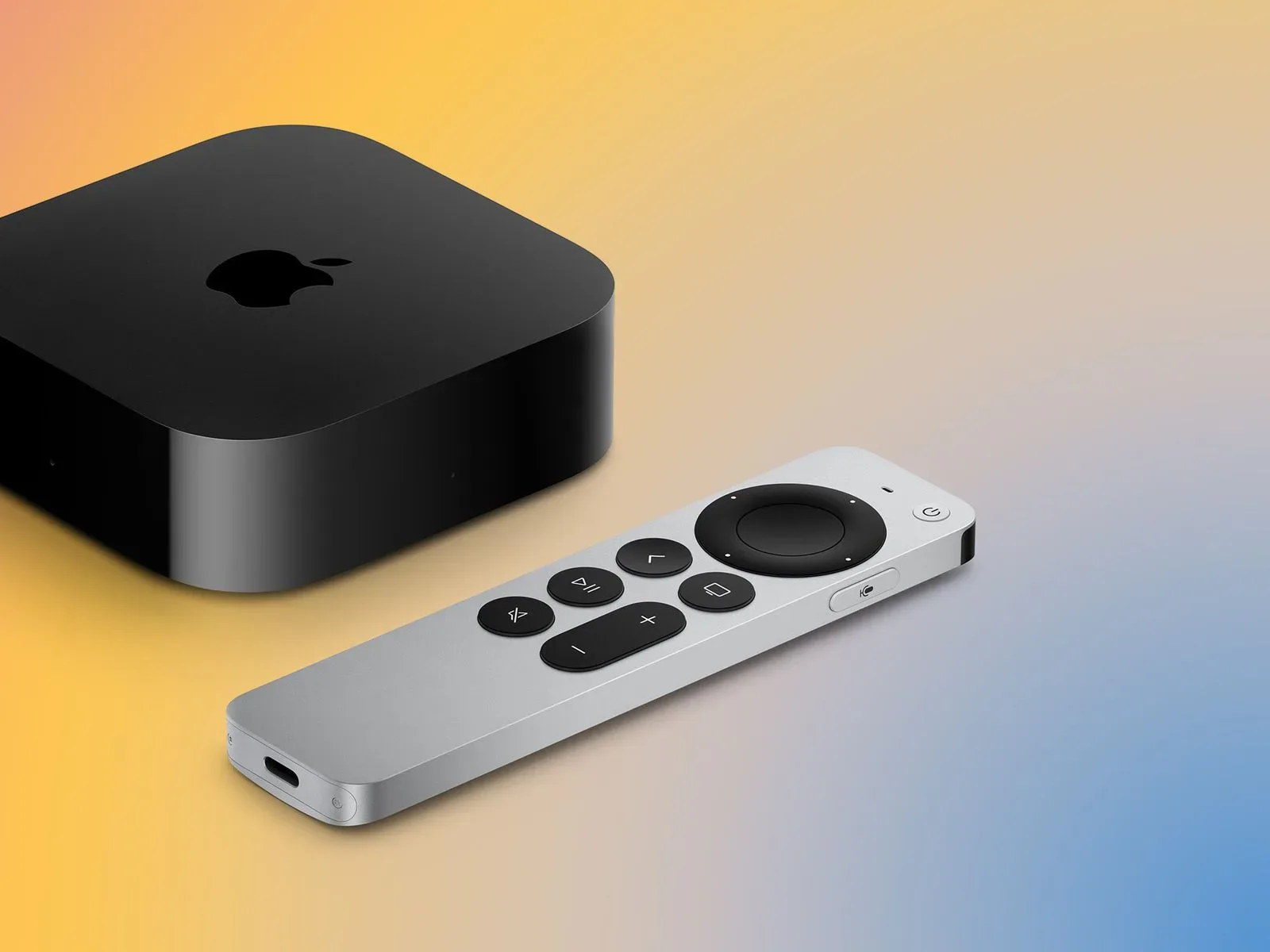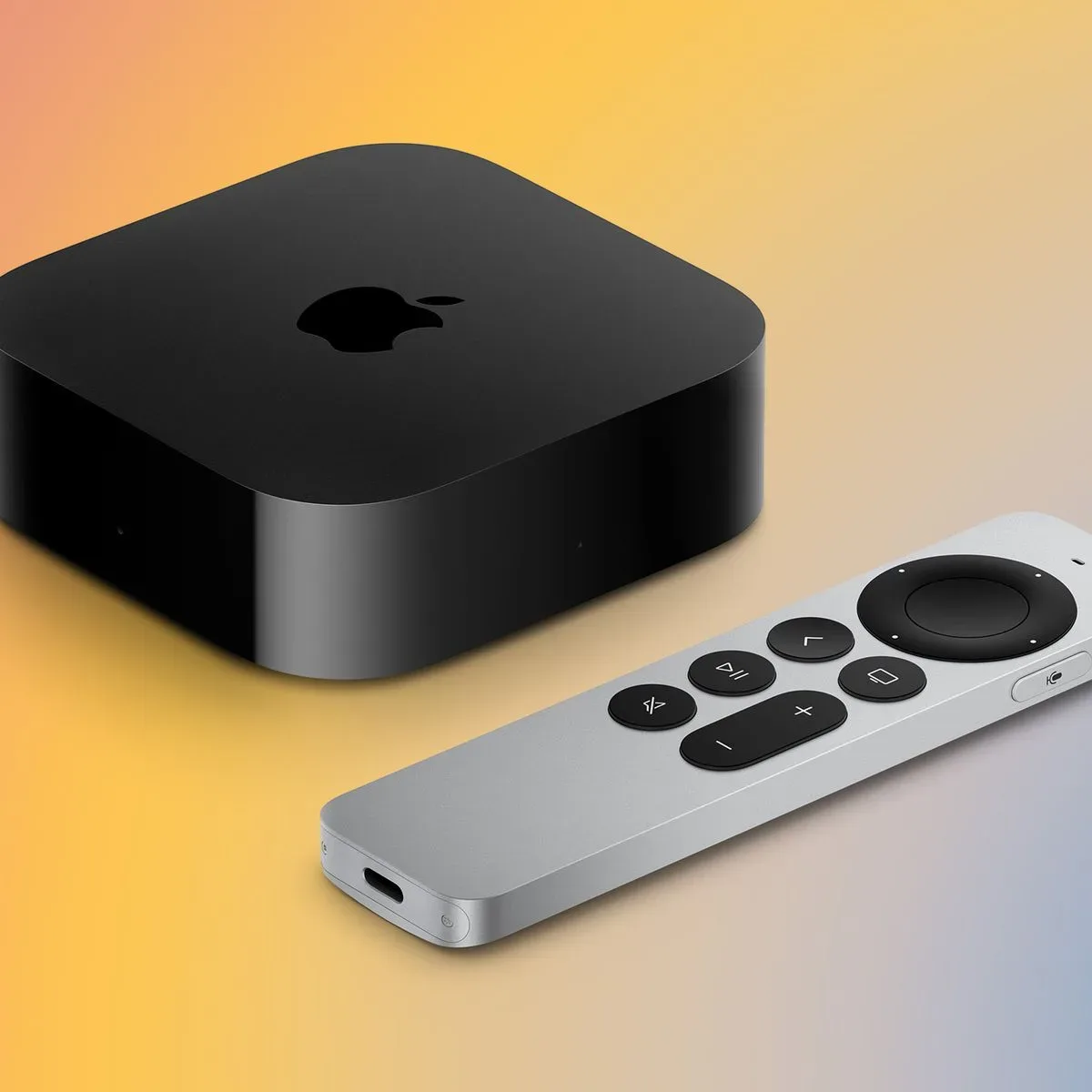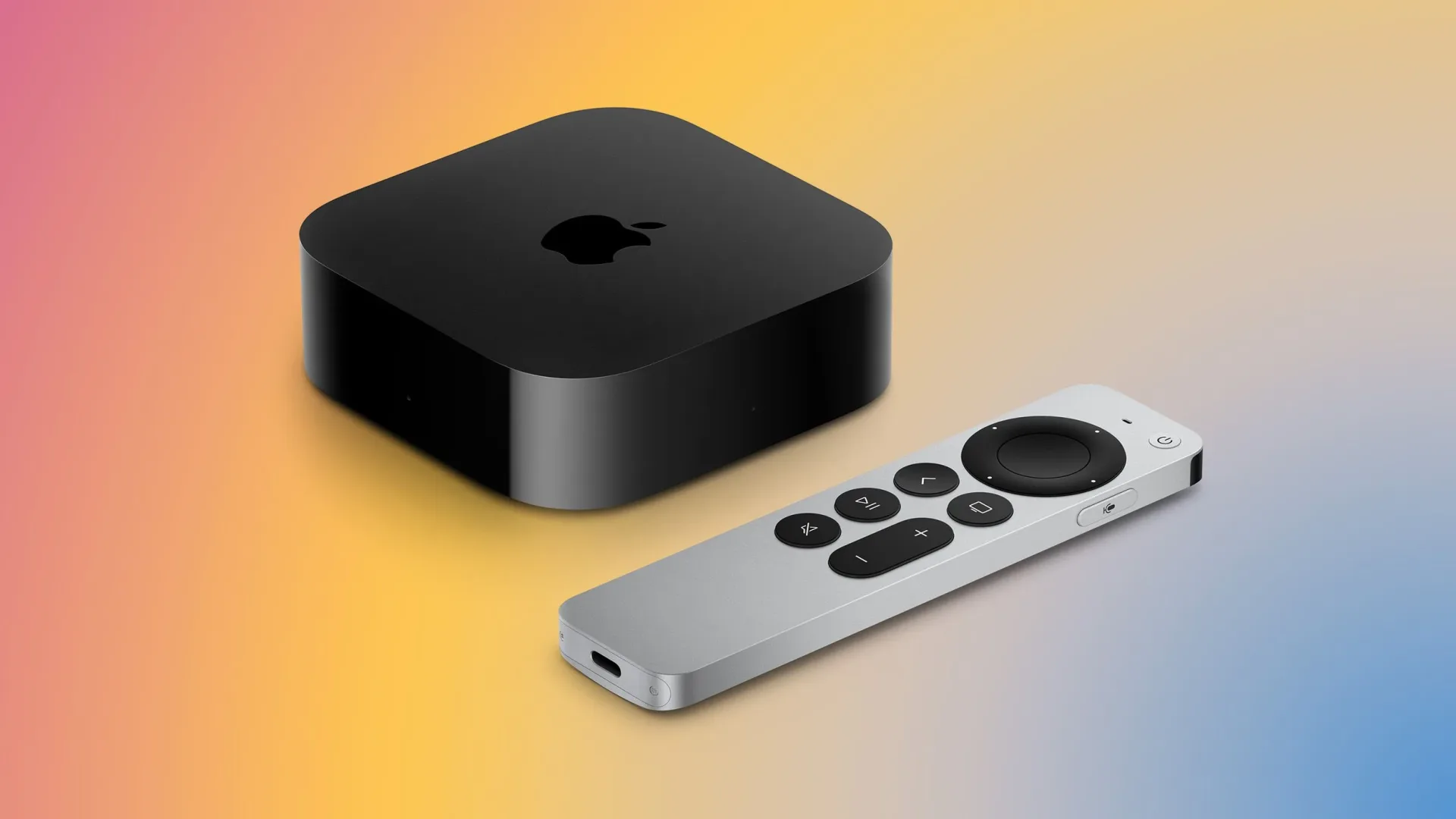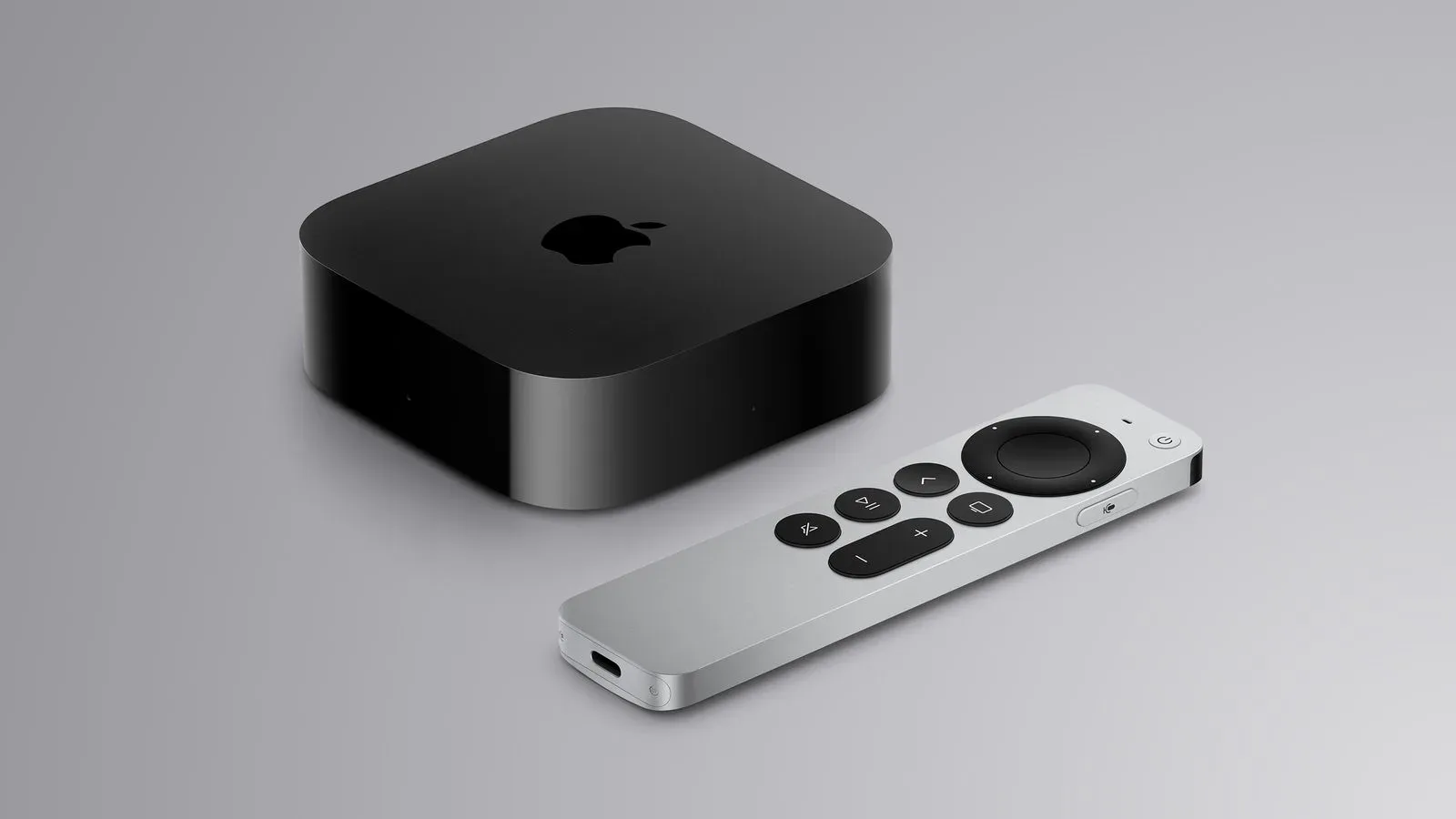
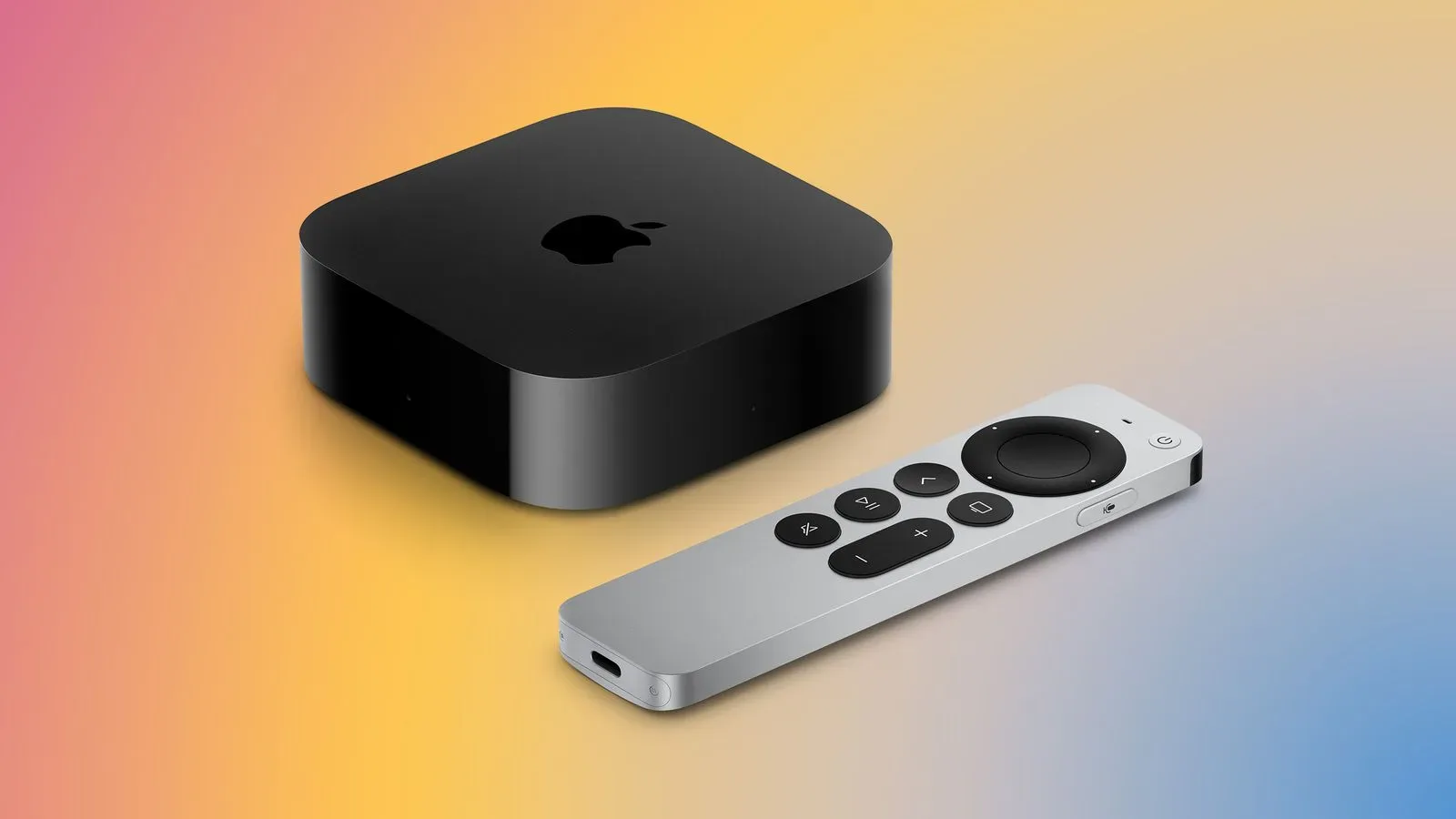
The new Apple TV 4K appears to run a version of Apple’s A19 processor with one efficiency CPU core disabled. System diagnostic data shared by code explorer pdfu points to a five-core CPU made up of two performance cores and three efficiency cores. That differs from the six-core A19 configuration used in the iPhone 17, which has an additional efficiency core.
The data also lists maximum frequencies of 4.26GHz for the performance cores and 2.592GHz for the efficiency cores. Its GPU is shown as a five-core design with a listed maximum frequency of 1.47GHz. Those numbers offer a useful snapshot of the silicon configuration inside the streaming box, but they should not be mistaken for sustained real-world speed measurements or direct evidence of how the Apple TV 4K will perform in an individual app or game.
A five-core CPU, not necessarily a different A19 generation
The important distinction here is between a chip family and a particular chip configuration. A19 identifies the processor family, while the diagnostic information suggests that the Apple TV 4K receives a five-core version of that processor rather than the six-core version found in the iPhone 17.
In the reported layout, the two performance cores remain present. These are the CPU cores intended for demanding foreground tasks, where a device needs to respond quickly or complete more intensive work. The three efficiency cores are designed for work that does not need the same peak processing capability and can be handled more economically.
For a living-room streamer, the division is sensible in broad terms: the device can retain powerful cores for moments that need them while still having efficiency-focused cores available for lighter system duties. But the diagnostic data alone does not establish how Apple schedules specific workloads between those cores, how much performance any individual app receives, or whether users will encounter a visible difference versus a six-core A19 device.
Core counts are one part of a processor specification, not a complete performance result. Software behavior, graphics requirements, memory behavior, thermal conditions and operating-system scheduling can all affect the experience. A one-core difference also does not translate neatly into a fixed percentage difference in responsiveness or game performance.
What “efficiency core” means in practical terms
A CPU core is an individual processing unit within a chip. Modern mobile-class processors commonly combine different kinds of cores instead of making every core identical. In this case, the reported A19 arrangement separates its CPU into performance and efficiency cores.
- Performance cores: The two cores associated with more demanding work. Their reported maximum frequency is 4.26GHz.
- Efficiency cores: The three cores intended for less intensive work. Their reported maximum frequency is 2.592GHz.
- GPU cores: The reported five-core graphics portion of the chip, listed at up to 1.47GHz. This is separate from the CPU-core count.
That separation matters when reading a spec sheet. Saying the Apple TV 4K has a five-core CPU does not mean it has a five-core GPU, and saying it uses an A19 does not mean every A19-based product must expose exactly the same number of active cores.
The maximum-frequency figures similarly need context. A maximum clock is the highest reported operating frequency, not a promise that every core will run at that level continuously. A device’s actual clock behavior can vary with workload and operating conditions. The available information does not provide sustained-frequency testing, benchmark results, power measurements or a direct comparison with the iPhone 17.
Why a disabled core can be a normal manufacturing choice
The likely explanation is chip binning. Binning is a manufacturing practice in which chips from the same general design are separated into different product configurations based on the characteristics of each individual piece of silicon. If a core is defective, it can be disabled and the remaining functional parts can still be used in an appropriate product.
In this reported case, the theory is that the inactive efficiency core is defective. The result is still an A19 chip, but one configured with five active CPU cores rather than six. That does not by itself say anything about the reliability of an individual Apple TV 4K, nor does it mean the product is using a fundamentally unrelated processor. It describes a potentially intentional product-tier configuration built from the same chip family.
This would not be a new approach for Apple TV hardware. The 2022 Apple TV 4K used an A15 chip with one CPU core disabled as well. The current finding therefore looks more like a continuation of a prior Apple TV configuration pattern than a sudden technical anomaly.
For buyers and players, the practical takeaway is restraint: a disabled efficiency core is a meaningful specification detail, but it is not enough on its own to determine whether the latest box is fast enough for a particular use. The supplied data does not include app-load comparisons, game frame-rate results, long-session thermal behavior or evidence of a missing feature. It establishes a reported CPU layout and maximum clocks, not a complete review of the device.
What the report does—and does not—establish
The diagnostic information supports several narrow conclusions. The new Apple TV 4K appears to have two active performance cores, three active efficiency cores and a five-core GPU. It lists maximum CPU frequencies of 4.26GHz and 2.592GHz for the two CPU-core types, plus a 1.47GHz maximum for the GPU. It also indicates that the device’s CPU configuration is one efficiency core short of the iPhone 17’s six-core A19 CPU.
It does not establish sustained performance, power consumption, temperature behavior, graphics performance in any specific title, or how closely the new Apple TV 4K compares with other A19 products beyond that CPU-core-count difference. It also cannot prove the precise reason the core is disabled, even if binning due to a defective core is the likely explanation presented by the data.
That uncertainty is worth preserving because processor specs often get flattened into a single headline number. A five-core CPU can sound like a simple downgrade from a six-core CPU, but the composition of those cores is crucial. Here, the reported reduction affects an efficiency core rather than either of the two performance cores. That is a more precise description than simply saying the Apple TV 4K has “one fewer core.”
Why the Apple TV detail is relevant to games as well as streaming
Apple TV is primarily a video-streaming device, but its processor and GPU configuration are also relevant to interactive software. CPU resources can affect the handling of game logic and general system activity, while GPU resources handle graphics work. Still, neither a core count nor a maximum clock speed can predict an exact gameplay outcome without performance testing of a particular title.
The reported five-core GPU is therefore an important part of the picture, but it should not be conflated with the five-core CPU. They are different components doing different jobs. A processor can have one number of active CPU cores and another number of graphics cores, as this A19 configuration reportedly does.
For existing Apple TV owners, the hardware detail may be most useful as a reminder to compare specific needs rather than treating the A19 name as a complete answer. Someone focused on streaming playback, someone interested in Apple TV games and someone looking at the device as part of a broader Apple setup may prioritize different evidence. More complete conclusions will require information beyond diagnostic readouts.
Anyone dealing with Apple TV setup or control trouble in the meantime can also use a phone as a practical fallback: lost your Apple TV remote? Your phone can keep the watch party alive.
For now, the clearest reading is straightforward. The new Apple TV 4K reportedly uses an A19 with five active CPU cores—two performance and three efficiency—rather than the six-core CPU configuration present in the iPhone 17. The clocks listed in the diagnostic data are maximum figures, not sustained tests, and the probable binning explanation fits a configuration Apple previously used with the 2022 Apple TV 4K’s A15 chip.