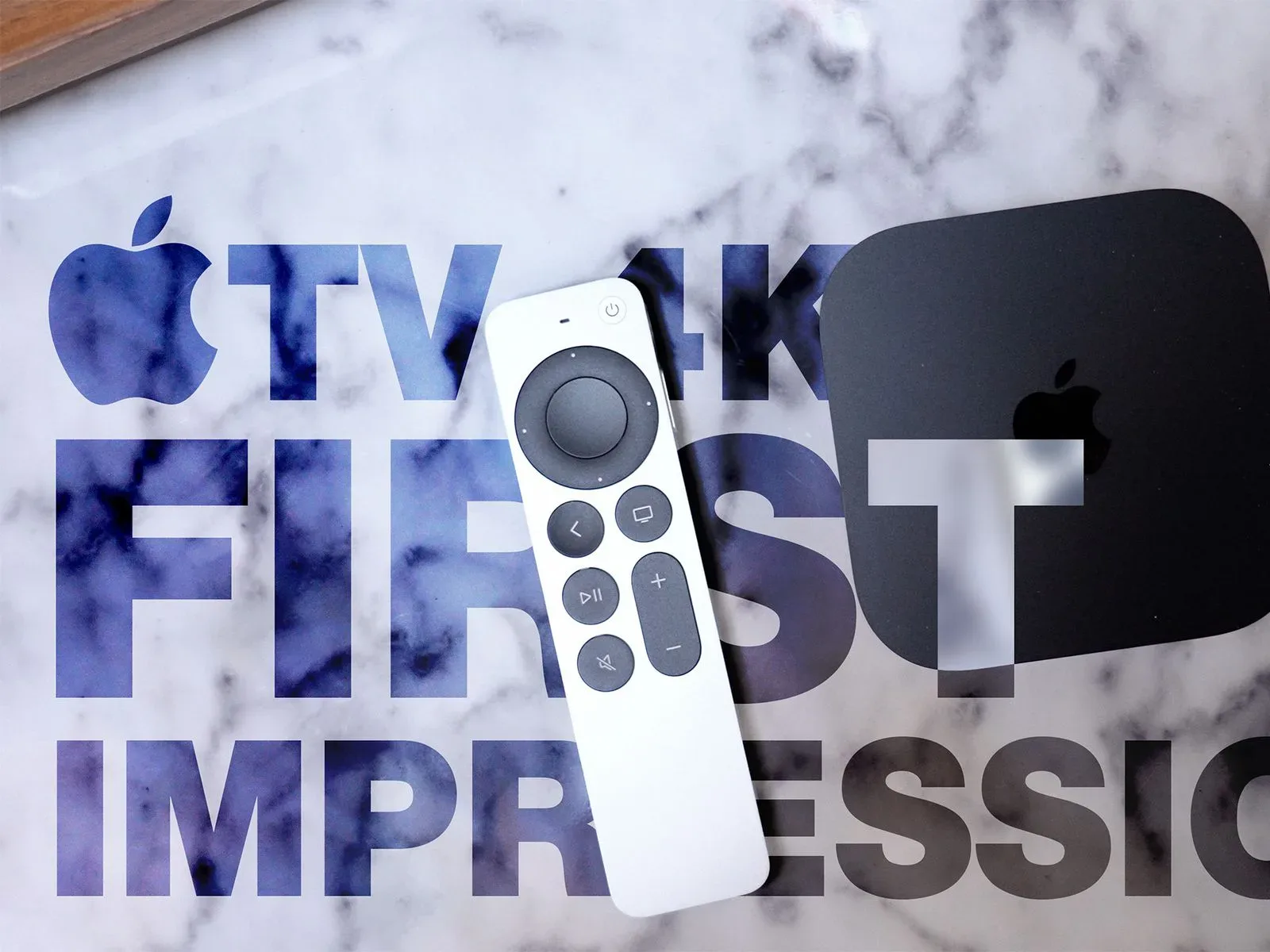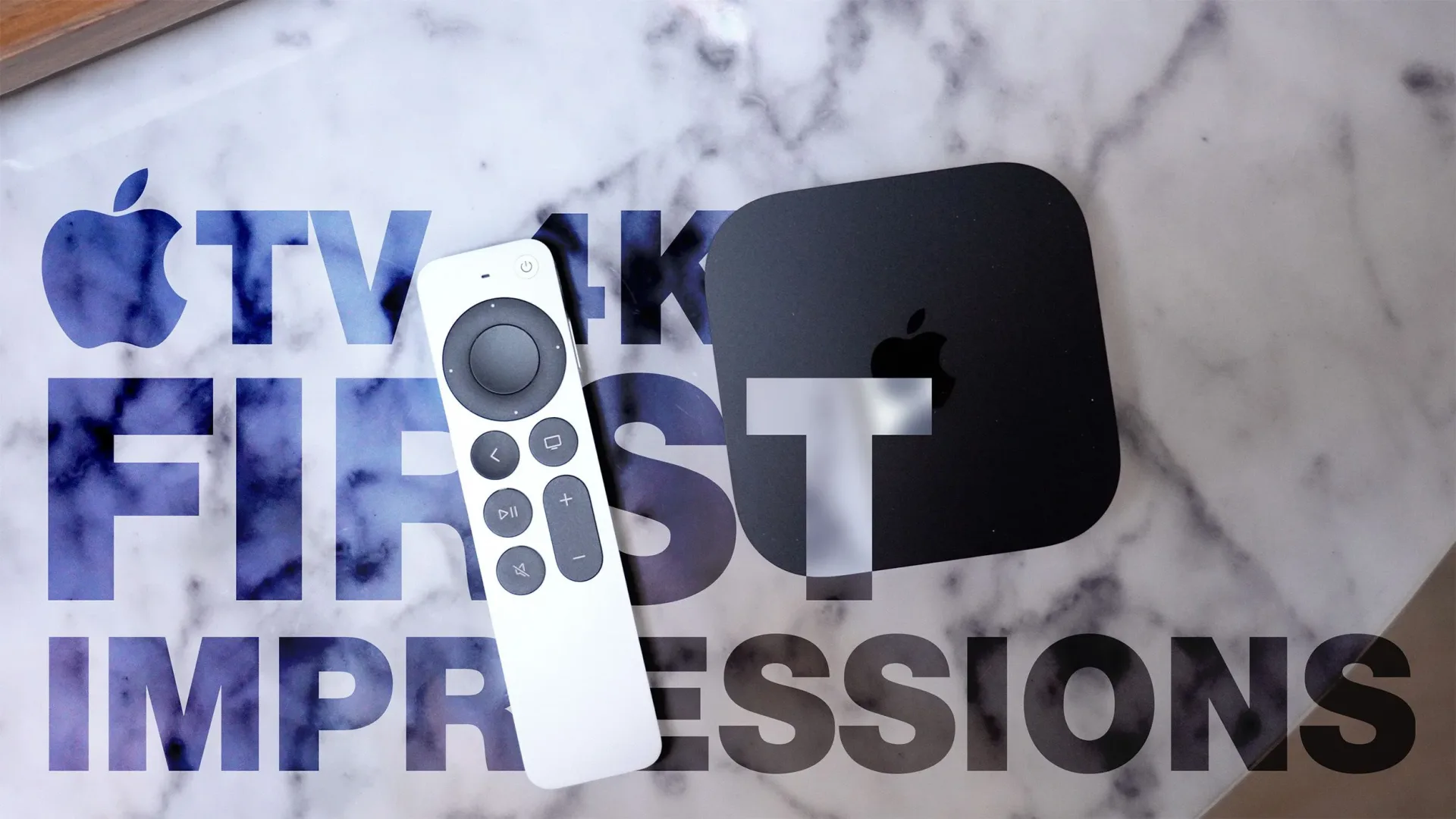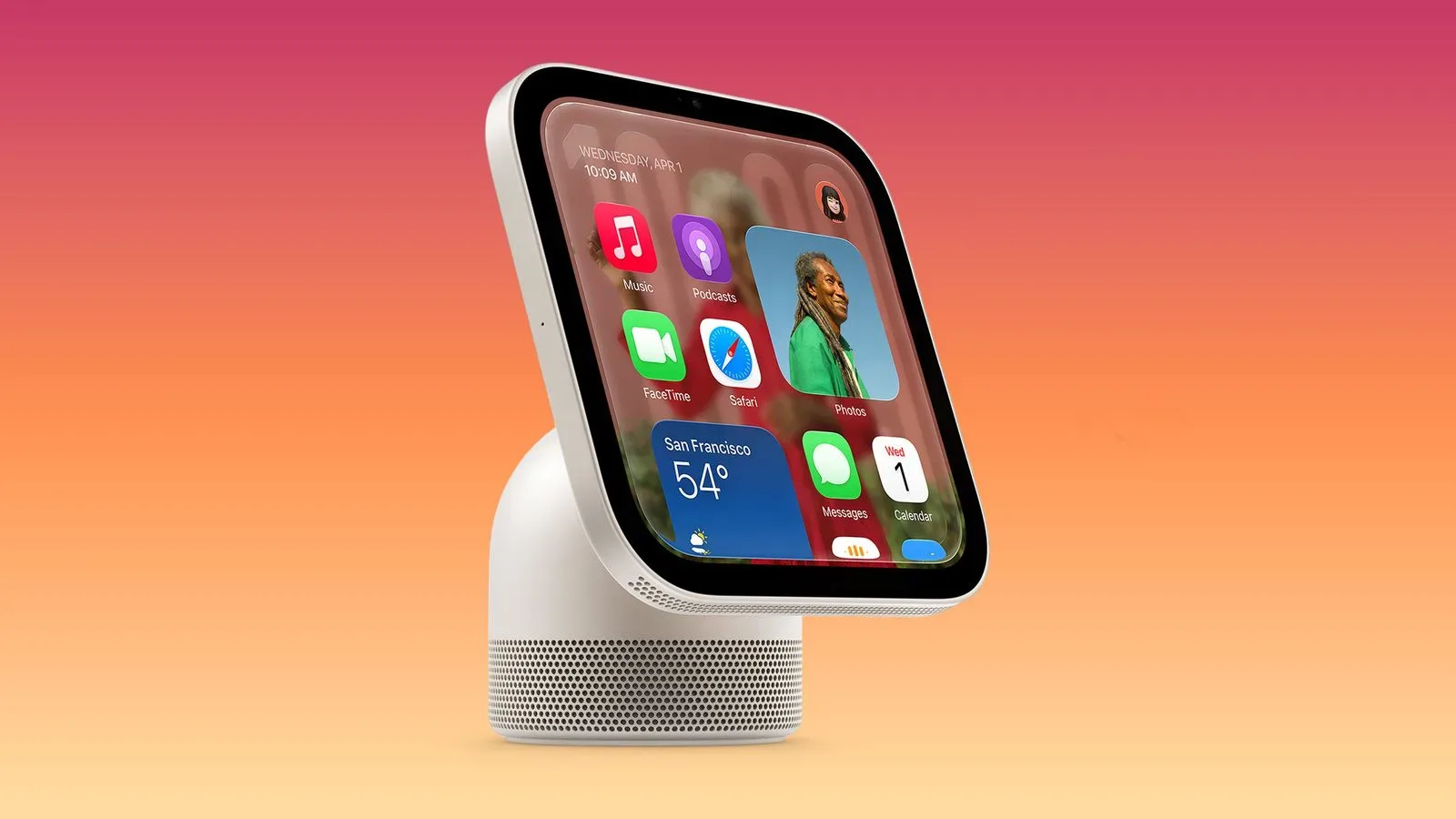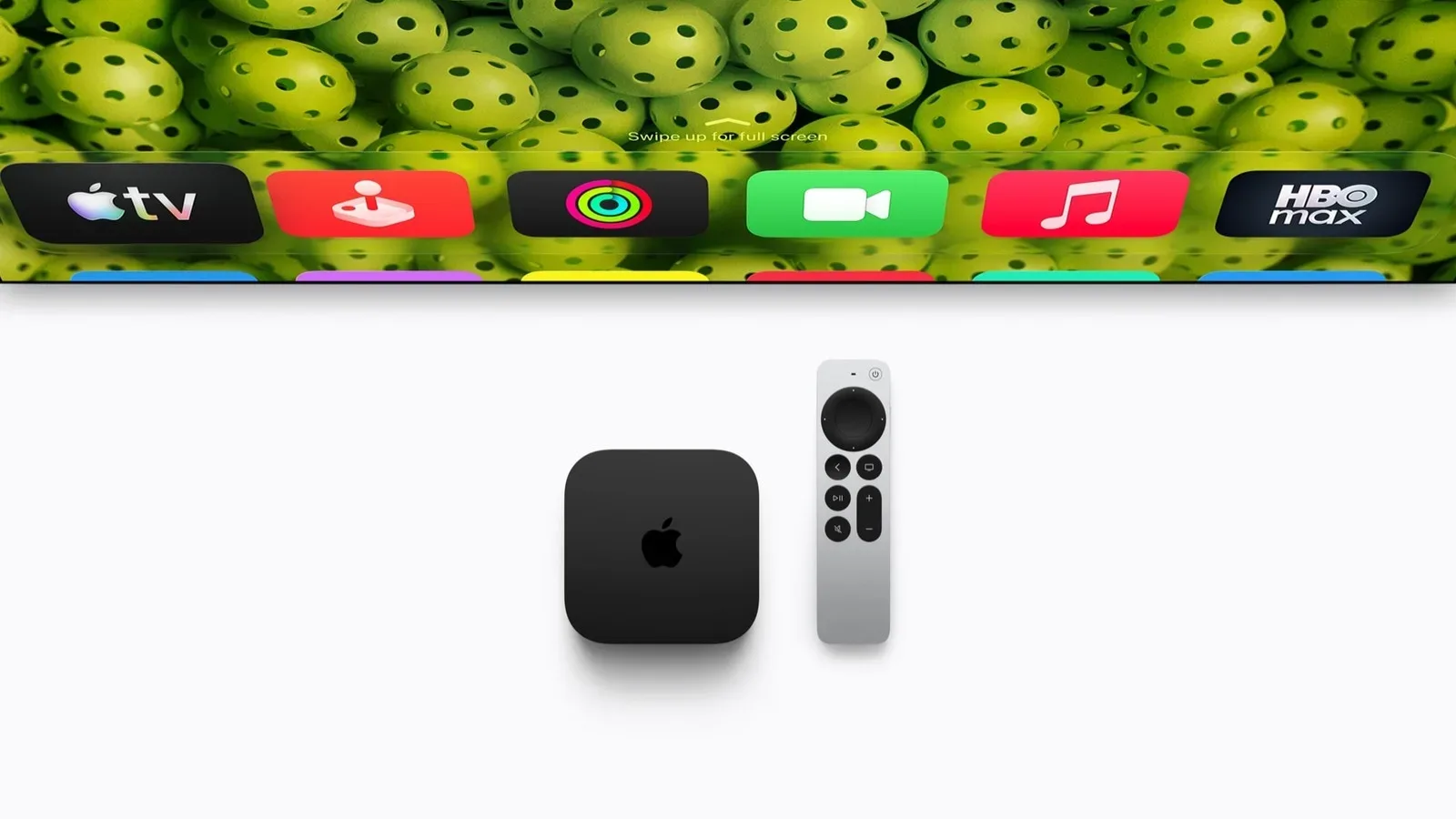
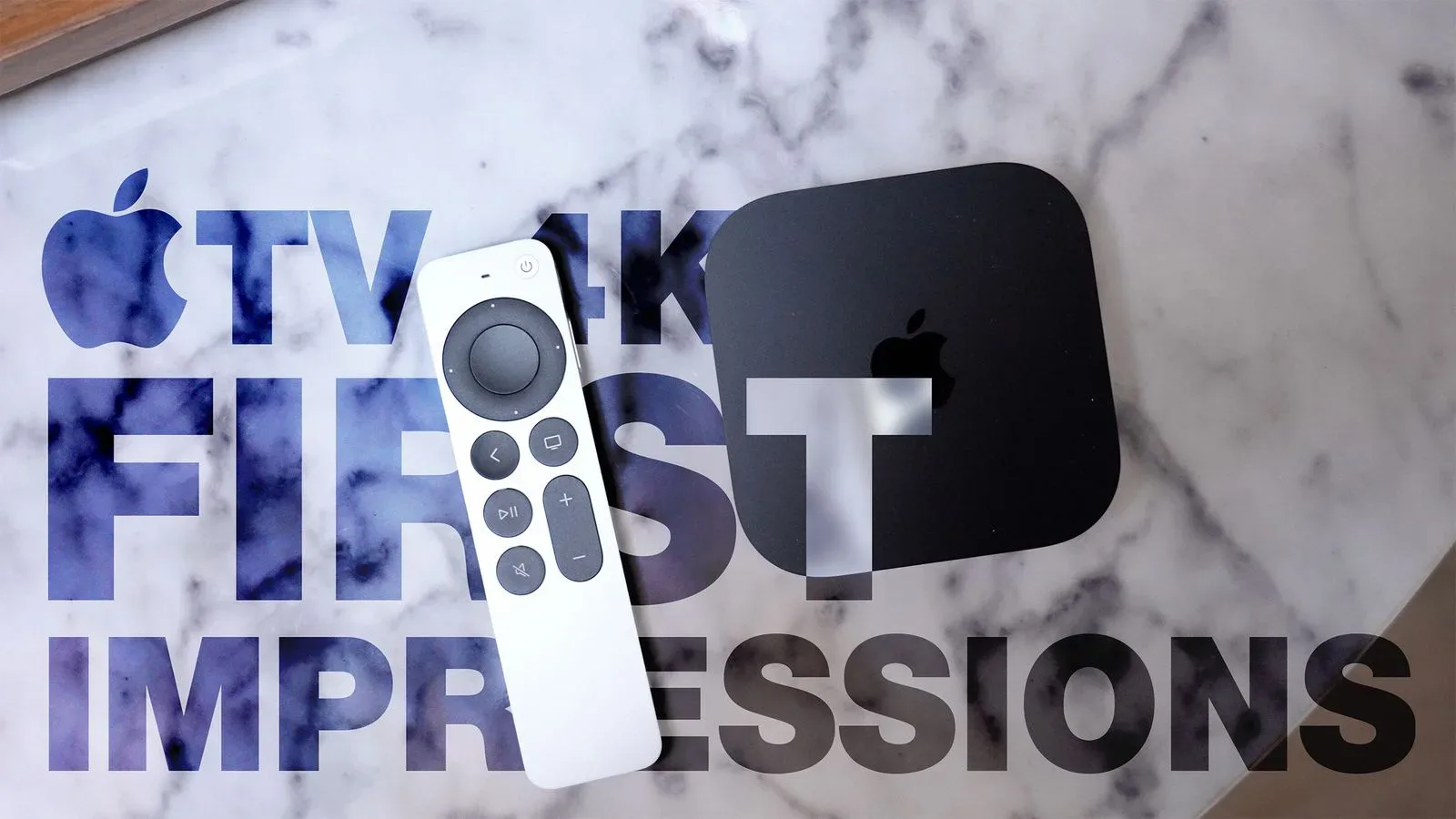
Apple’s fourth-generation Apple TV 4K is available from November 13 with an A19 chip, Siri AI support and a familiar-looking box and remote. The headline is not a dramatic redesign. Instead, this is a feature-focused update aimed at making the streaming hub faster, more voice-aware and more flexible as a living-room gaming device—while asking a considerably higher $299 price.
That price is central to the story. The new Apple TV 4K costs twice what the previous-generation model did at the same point last year. The added capabilities are real, particularly for households that want hands-free Siri, multi-user personalization, a more capable remote finder and a four-HomePod surround-sound arrangement. But owners of a second- or third-generation Apple TV 4K have a strong reason to pause: Siri AI is also headed to those models through tvOS 27.2.1.
The A19 chip targets responsiveness and Apple Arcade
The fourth-generation Apple TV 4K uses Apple’s A19 chip. The clearest immediate benefit is interface responsiveness: navigation through tvOS feels faster. That matters because a streaming box is generally used in quick bursts—opening an app, jumping among services, searching for a show or returning to a game—and hesitation in those small interactions is noticeable over time.
For players, the more interesting promise is improved performance for Apple Arcade games played on a television. Apple Arcade is the subscription game service available across Apple devices, and Apple TV provides the big-screen endpoint for its catalogue. A faster chip should give the newest box more headroom for games, though no title-specific performance figures or visual upgrades have been detailed here. It is therefore sensible to view the A19 as a platform improvement rather than a guarantee that every game suddenly becomes a console-level showcase.
That distinction is important for purchase decisions. A smoother tvOS experience can benefit every person using the device. The gaming case is more individual: it is strongest for people already playing Apple Arcade on a TV or who specifically want their Apple ecosystem to cover casual living-room game sessions. Players focused on major multiplatform releases should not infer unannounced game support or performance claims from the new chip alone.
Apple’s TV hardware still occupies an unusual space for games. It is principally a media box, but it can also act as a convenient, compact Apple Arcade machine. The A19 makes that secondary use more appealing without changing the product’s primary identity. For a household that streams constantly and occasionally plays Apple Arcade, that combination could be more meaningful than a headline gaming specification by itself.
Siri AI arrives, but it is explicitly a beta feature
The other major addition is Siri AI. Apple labels it beta, and the early picture is mixed. It can handle follow-up questions only some of the time, indicating that conversational continuity remains an area in progress. A follow-up question is one that relies on what was just asked rather than restating the entire request. In practice, that kind of context is what separates a rigid voice-command system from a more natural back-and-forth interaction.
The beta label deserves to be taken seriously. It means Siri AI is not being presented as a finished, consistently reliable replacement for every remote-based search or menu action. Anyone considering the device chiefly for advanced voice conversations should expect uneven behavior rather than assume each follow-up will work.
There is still a meaningful convenience change: the Apple TV 4K includes far-field microphones in the set-top box. Far-field microphones are designed to detect speech from farther away, allowing users to activate Siri by saying “Hey Siri” without picking up the Siri Remote. That changes the rhythm of using the television. A remote can stay on the sofa while a user starts a voice interaction directly with the box.
The device can recognize up to six people. The stated purpose is personalized recommendations and context when speaking to Siri. In a shared home, this could reduce the problem of a single television profile treating every viewer as one person. Recognition does not mean everyone automatically receives the same level of personal context, however. The setup requirements are unusually important.
- The person setting up the Apple TV needs an iPhone or iPad that supports Siri AI for Siri AI to work on the Apple TV.
- Each person who wants personal context needs their own Siri AI-compatible iPhone or iPad.
- The Apple TV can recognize up to six people.
In other words, the television box’s AI features depend in part on compatible mobile hardware elsewhere in the household. That is a practical limitation, not a minor footnote. A family may be able to use the Apple TV normally, yet not have every viewer receive personal Siri context unless each relevant person has a compatible iPhone or iPad.
There is also a clear upgrade counterargument. Second- and third-generation Apple TV 4K models are due to gain Siri AI through the upcoming tvOS 27.2.1 update. Readers weighing the newest hardware against an existing recent model can find more on that software path in the planned Siri AI update for second- and third-generation Apple TV 4K devices.
That update does not erase every hardware distinction. The new model has far-field microphones and the new A19 chip, for example. But it does weaken the argument that Siri AI alone justifies replacing a still-current Apple TV 4K. People with older Apple TV hardware may reach a different conclusion, since the newer box combines Siri AI with the updated processor and other new functions.
The remote looks the same, but losing it should be less painful
Apple has not changed the external design of the Apple TV 4K or given the Siri Remote a new visual look. The remote does gain two practical additions. First, it has a built-in speaker that can play a sound when the remote goes missing. For a device designed to live around cushions, blankets and furniture, that is a straightforward quality-of-life improvement.
Second, Precision Finding is available for owners of an iPhone Air, iPhone Duo, or iPhone 17 and later—except for the iPhone 17e. Precision Finding is a locating feature intended to help a user find a nearby item with more specific directional assistance than a basic alert alone. The compatibility list matters: not every iPhone qualifies, and the 17e is specifically excluded.
Together, the remote speaker and Precision Finding address two different stages of the same problem. A sound can help when the remote is nearby but visually obscured. Precision Finding adds a more guided approach for compatible iPhone owners. Neither capability changes what the remote does during normal playback, but both could be disproportionately useful because a misplaced remote can halt a TV session entirely.
Four HomePods are a new surround-sound option
The latest Apple TV 4K can pair with four HomePod speakers for surround sound, a capability described as unique to this model. Surround sound uses multiple speakers positioned around a listening area to create a more enveloping audio field than a single speaker or simple stereo pair. The feature potentially makes the Apple TV 4K more significant for users building an Apple-centered living-room audio setup.
It is also a feature with a narrower audience than faster navigation or a remote finder. It requires four HomePod speakers, physical space for them and an interest in that specific arrangement. The source material does not provide setup details, supported HomePod models or an explanation of how the arrangement behaves with particular films, shows or games. Those unanswered points should temper assumptions. What is established is the headline capability: four HomePods can be paired for surround sound on the new Apple TV 4K, and this option is not shared by the older Apple TV models discussed here.
For game players, sound can be part of a more immersive setup just as much as visual performance. Still, prospective buyers should separate the appeal of the Apple TV itself from the wider commitment implied by four speakers. The $299 box is only one element in that kind of setup.
Who should consider the new Apple TV 4K?
The fourth-generation model has the strongest case for someone coming from an older Apple TV and wanting several upgrades at once: faster-feeling tvOS, the A19 chip, Siri AI support, hands-free “Hey Siri,” a findable remote and the option to use four HomePods for surround sound. It also makes sense for a household that values personalized recommendations and has the compatible iPhone or iPad hardware needed to support the Siri AI requirements.
The case is notably less compelling for owners of second- and third-generation Apple TV 4K hardware. Those devices are expected to receive Siri AI in tvOS 27.2.1, and the new unit’s $299 price is double the previous generation’s price at the same time last year. Unless the far-field microphones, A19 responsiveness, enhanced remote location tools or four-HomePod setup solve a specific need, waiting is a rational option.
Apple’s latest box is therefore best understood as a premium refinement rather than a universally essential replacement. Its improvements address ordinary friction points—sluggish navigation, voice access, shared-user context, misplaced remotes and ambitious HomePod audio configurations. But the software update planned for recent models, the beta status of Siri AI and the large price increase make the upgrade decision highly dependent on what hardware is already under the television.