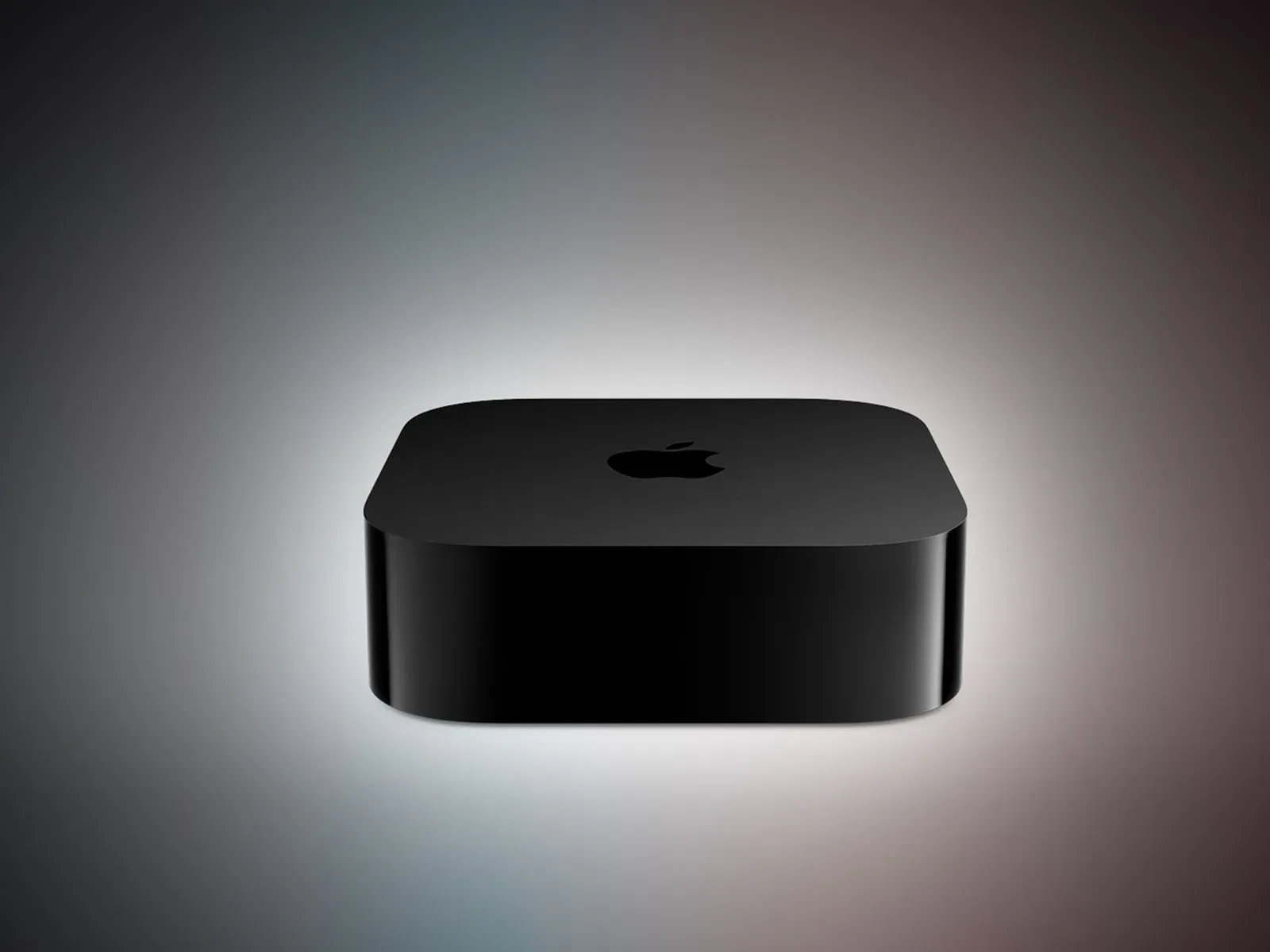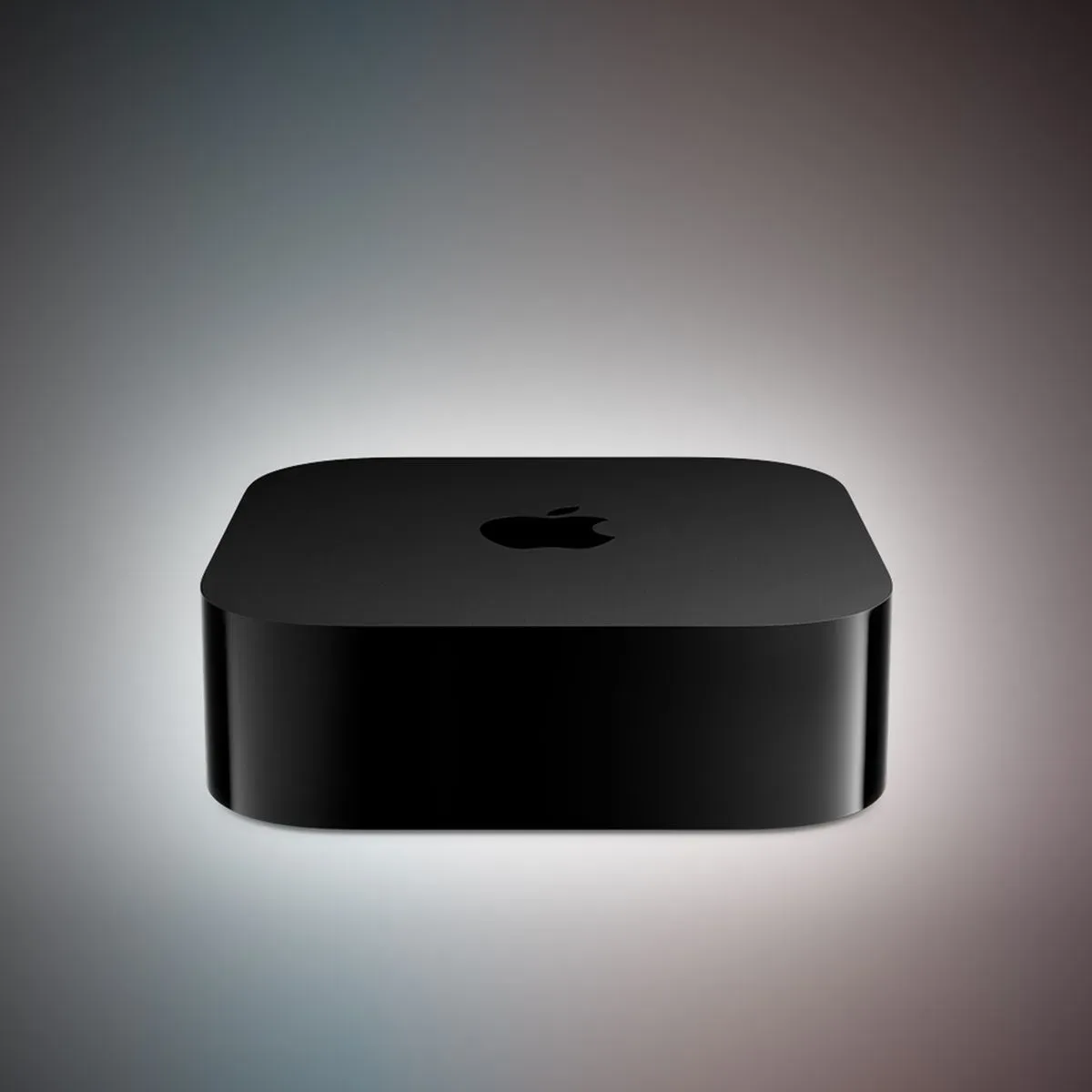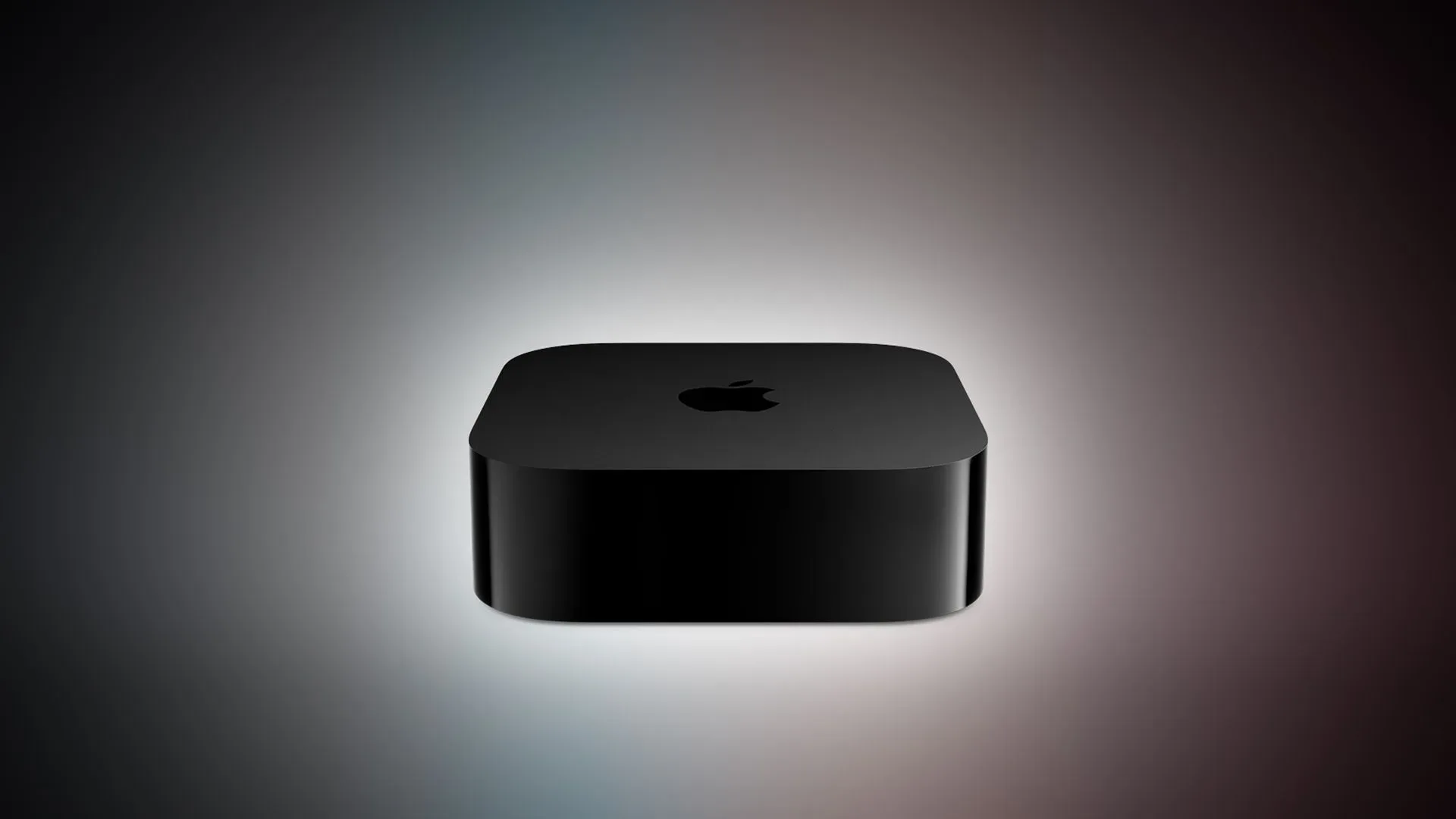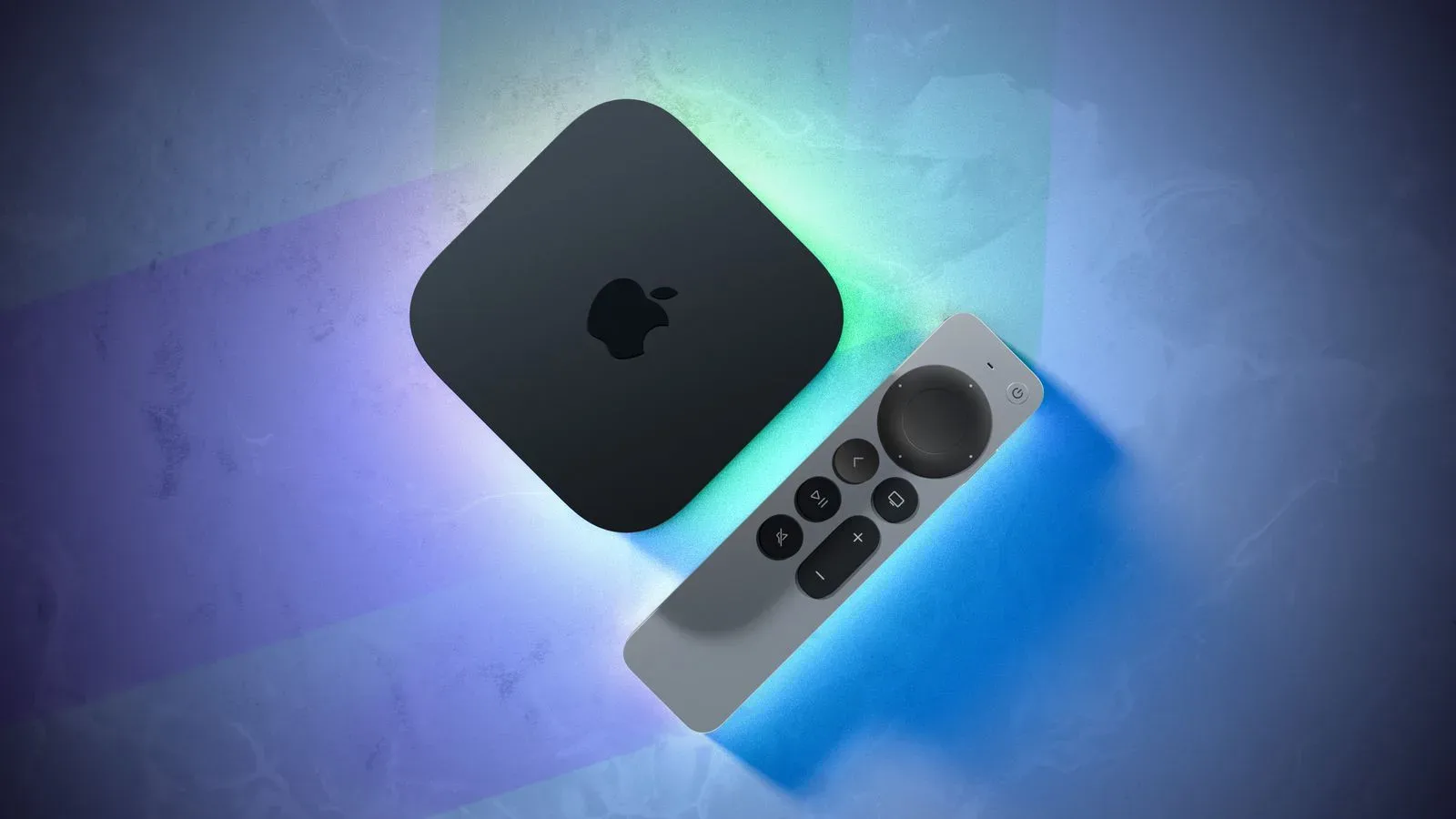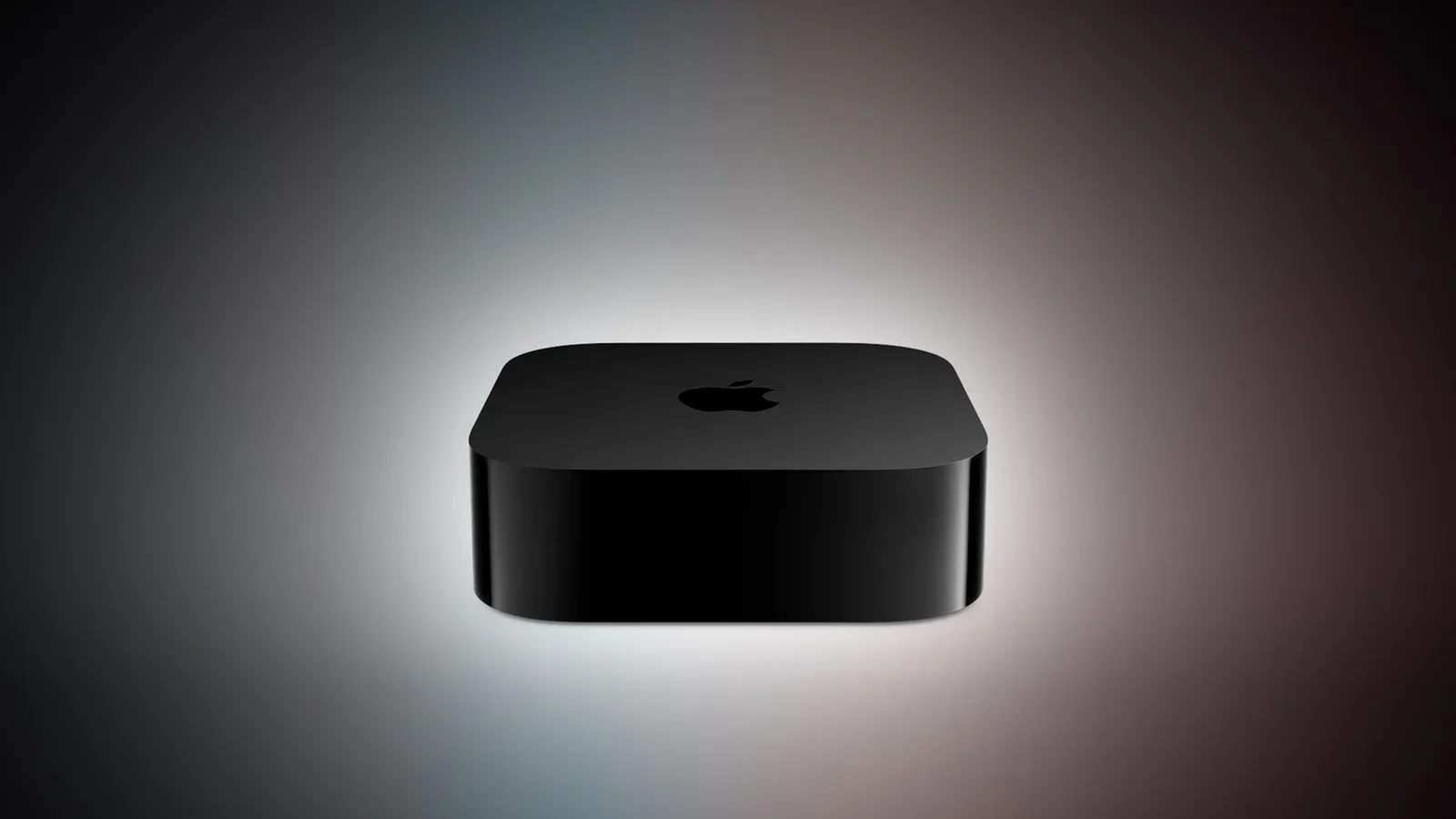
An image file for an unannounced Apple TV 4K (4th generation) has reportedly surfaced, offering a substantial sign that Apple’s set-top box could be nearing a refresh. Apple has not formally introduced the device, so its existence, timing, specifications and pricing should still be treated as unconfirmed. But the explicit fourth-generation naming is more concrete than the usual cycle of broad upgrade speculation.
For gaming and home-theater users, the potential appeal is not simply that a new black box may arrive beneath the television. The reported hardware direction suggests an Apple TV that could be materially better at local responsiveness, wireless connectivity and game graphics, while software plans could make voice interaction a much larger part of the interface.
The current Apple TV generation was announced in October 2022. It uses Apple’s A15 Bionic chip and includes 4GB of RAM. That is still a capable foundation for streaming, but it leaves a sizeable gap between the present device and Apple’s more recent silicon. A successor would therefore be more than a routine storage or remote revision if the reported components come to pass.
What the fourth-generation label tells us—and what it does not
The image file is reportedly labeled for an “Apple TV 4K (4th generation).” That strongly indicates Apple is preparing a distinct new model rather than quietly revising the current unit. It does not, on its own, establish a release date, final industrial design, storage configurations, price or full feature list.
That distinction matters. Product assets can appear before launch, and a product can change during the period between an asset being created and a public reveal. Until Apple presents the hardware itself, the sensible reading is that a new Apple TV 4K appears increasingly plausible—not that every rumored specification is locked in.
October has historically been a common month for Apple product announcements, making the near term worth watching. There is no confirmed event or launch schedule in the available information, however. Anyone considering a purchase should weigh the possibility of a replacement against their immediate need for a streaming device, rather than assume a specific date.
Faster Apple silicon could matter most to games
The expected processor is an A17 Pro chip or newer. Either outcome would represent a major generational step beyond the A15 Bionic in the existing Apple TV. In broad practical terms, a newer chip can provide more computing headroom for app launches, interface transitions and demanding games. The exact performance difference will depend on the final chip, thermal design and software, none of which has been confirmed.
The notable graphics-related claim is hardware-accelerated ray tracing. Ray tracing is a rendering technique that models how light can behave in a scene, helping developers create more convincing reflections, shadows and illumination. “Hardware-accelerated” means dedicated graphics hardware support handles relevant work more efficiently than relying solely on general-purpose processing.
That does not automatically mean every Apple TV game would suddenly resemble a high-end console or PC title. Game developers must choose to support the feature, and visual results always involve trade-offs among resolution, frame rate, effects and power limits. Yet ray-tracing support would give developers a more advanced graphics option than the current Apple TV’s reported hardware provides. It could make the platform more credible for games that want richer lighting without treating the television screen as an afterthought.
It is also worth separating capability from software library. A faster Apple TV can improve the ceiling for games, but it cannot alone guarantee a flood of new games or specific ports. The meaningful question after launch would be how Apple and game makers use the new hardware, and whether apps visibly take advantage of its graphics features.
Apple’s wider product strategy has already put newer chips at the center of its performance story. For another look at how chip naming and feature expectations shape Apple upgrade rumors, see the reported iPad mini 8 hardware details.
N1, Wi-Fi 7 and Bluetooth 6: a connectivity upgrade with conditions
The new Apple TV is also expected to use an N1 chip with support for Wi-Fi 7 and Bluetooth 6. The potential Wi-Fi improvement is especially relevant to a box built for moving video and game data around a home, although users should temper expectations about headline speeds.
Wi-Fi 7 can increase bandwidth in part by allowing a compatible device and router to transmit data over the 2.4GHz, 5GHz and 6GHz bands simultaneously. The theoretical ceiling is reported to be up to four times faster than the Wi-Fi 6 connection used by the current Apple TV. That figure is best understood as a maximum technical comparison, not a promise that every household will see four times the download speed.
Internet service remains a central bottleneck for streamed video, cloud-delivered game content and downloads. Router capability, distance, interference, network congestion and the device at the other end of a connection can all limit real-world performance as well. A Wi-Fi 7 Apple TV would need a supported router and compatible network setup to access its most meaningful benefits.
There can still be value in newer wireless standards even when an internet plan is unchanged. A home network handles more than a single speed test: multiple devices may compete for capacity, and local traffic can be relevant to services and media workflows. But buyers whose router and broadband service are already the limiting factors should not regard Wi-Fi 7 alone as a guaranteed reason to upgrade.
Bluetooth 6 support is similarly a forward-looking specification. The available details do not say which accessories or behaviors Apple will emphasize, so it would be premature to promise changes to controllers, headphones or other peripherals. At this stage, it is best viewed as a platform update that may improve the device’s compatibility runway rather than a confirmed new feature for a particular accessory.
Siri AI may be the headline change
The biggest shift may instead be software. The next Apple TV is expected to place Siri AI at the center of its pitch, with tvOS 27 expected to add a Siri app on the device. The described version of Siri is intended to be more intelligent and personalized, capable of answering a very broad range of questions.
For a living-room device, that could alter how people approach search and control. Traditional voice commands often focus on narrow instructions: opening an app, finding a title or adjusting playback. A more capable conversational assistant could potentially make the television a place for broader queries as well as navigation. The actual usefulness will depend on what questions it can reliably handle, how it presents answers on screen, what personal context it can access and which capabilities Apple enables in tvOS 27.
None of those implementation details are confirmed here. “AI” is also a broad label, not a guarantee that every request will be handled correctly or that the feature will be available in all languages and regions. The important reported point is architectural: the new Apple TV may be designed with enough memory to run Apple Intelligence-related features that its predecessor cannot support in the same way.
Why 8GB of RAM is relevant
The reported memory increase is from 4GB in the current model to 8GB. RAM, or random-access memory, is the fast working space a device uses while apps and system tasks are active. More RAM does not make every task twice as fast, but it can give software more room to keep data available, support larger workloads and manage simultaneous processes.
In this case, the reported 8GB figure is tied to Siri AI and other Apple Intelligence features. That makes the memory upgrade more significant than a bare number on a specification sheet. Apple may be treating additional RAM as a requirement for a new class of on-device or system-level capabilities, rather than merely as a performance luxury.
Buyers should nevertheless wait for Apple to spell out which Apple Intelligence functions are supported on the Apple TV, and whether any use requires particular accounts, settings, connectivity or regional availability. The current evidence supports the likelihood of a larger memory pool, not a complete compatibility list.
A new Siri Remote is expected, but remains a mystery
A revised Siri Remote is expected alongside the new Apple TV, though there is no clear information about its external changes. That leaves open a wide range of possibilities, from minor internal or button adjustments to a more substantial redesign. It would be inaccurate to assume a new layout, charging method or gaming-focused addition without further detail.
The remote still matters because it is the part of the Apple TV that most people touch every day. If Siri AI becomes a major interface feature, Apple may have a reason to reconsider how users invoke voice controls. But that is analysis, not confirmation. For now, the only supported expectation is some kind of revised Siri Remote.
The price question may be harder than the specification question
Apple raised U.S. Apple TV 4K prices in June. The Wi-Fi model with 64GB of storage now starts at $199, up from $129, while the Wi-Fi + Ethernet model with 128GB starts at $249, up from $149.
Those increases make a new model’s positioning especially important. There is no indication whether the fourth-generation Apple TV 4K will keep those prices, cost more, or arrive with different storage and network configurations. The stronger chip, more memory, newer wireless hardware and possible AI features could support a premium pitch, but pricing cannot be inferred from a feature rumor.
For shoppers, the immediate comparison is straightforward. The current Apple TV 4K has known specifications and known prices. The next model has a credible indication of existence and a set of reported upgrades, but neither a confirmed launch date nor a confirmed price. If ray tracing, Wi-Fi 7, Bluetooth 6 and Apple Intelligence support are meaningful priorities, waiting for official information may be sensible. If a streaming box is needed now, the present model’s value must be judged on what it does today—not on unannounced features it cannot be assumed to receive.
The apparent fourth-generation image suggests Apple’s longest-running Apple TV hardware cycle in recent memory may be close to ending. The strongest reported case for an upgrade is a combined one: newer silicon for games, fresh network hardware for compatible homes, more memory for AI-related features and a potentially revamped remote. The remaining questions—what ships, when it ships, and what it costs—are the ones that will determine whether this is a meaningful living-room upgrade or simply a better-equipped version of an already familiar box.