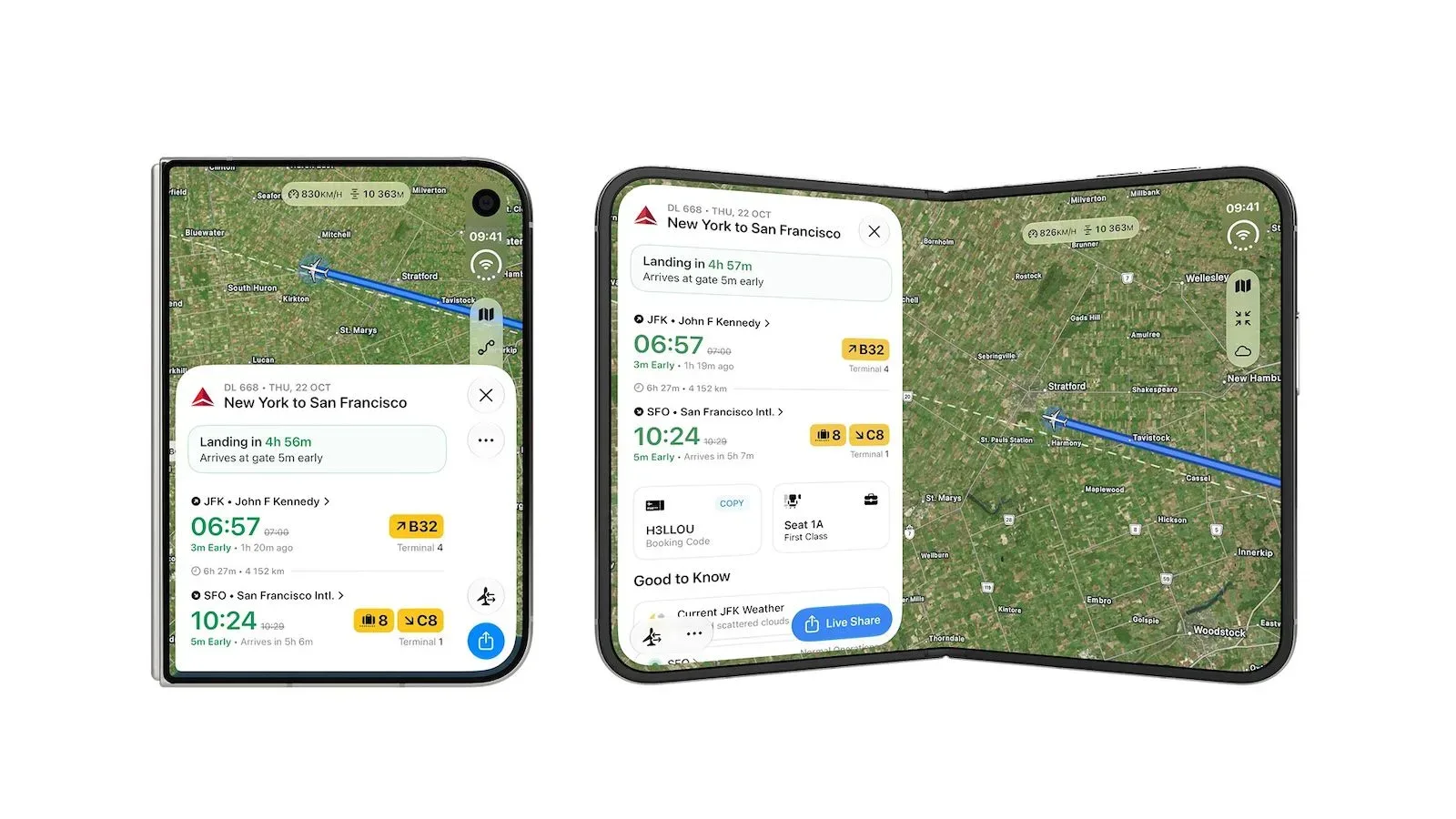
Apple says the number of apps optimized for iPhone Duo has moved past 200,000, doubling from the 100,000 figure cited earlier in November. The update was shared by Apple marketing chief Greg Joswiak on November 16, 2026.
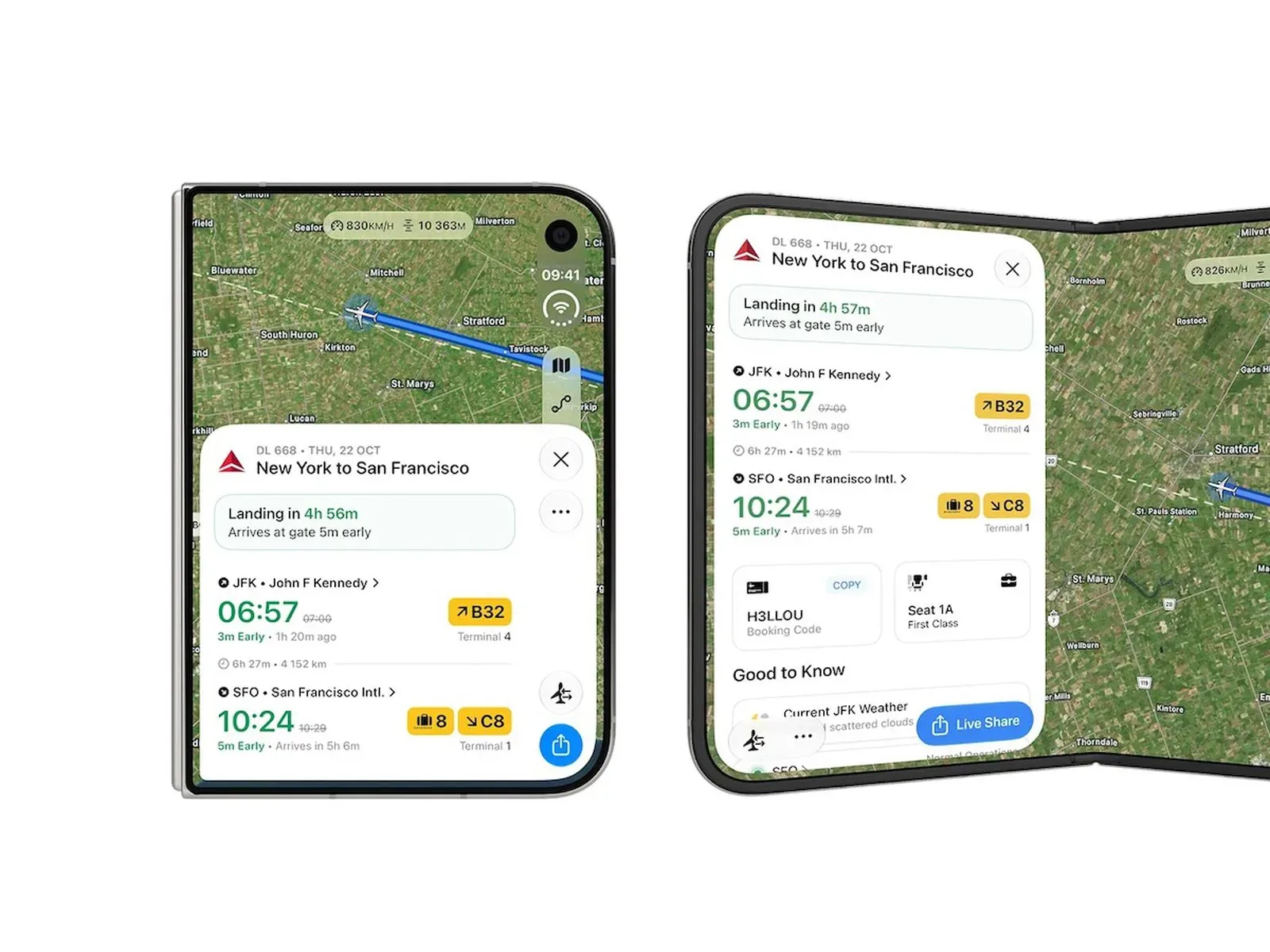
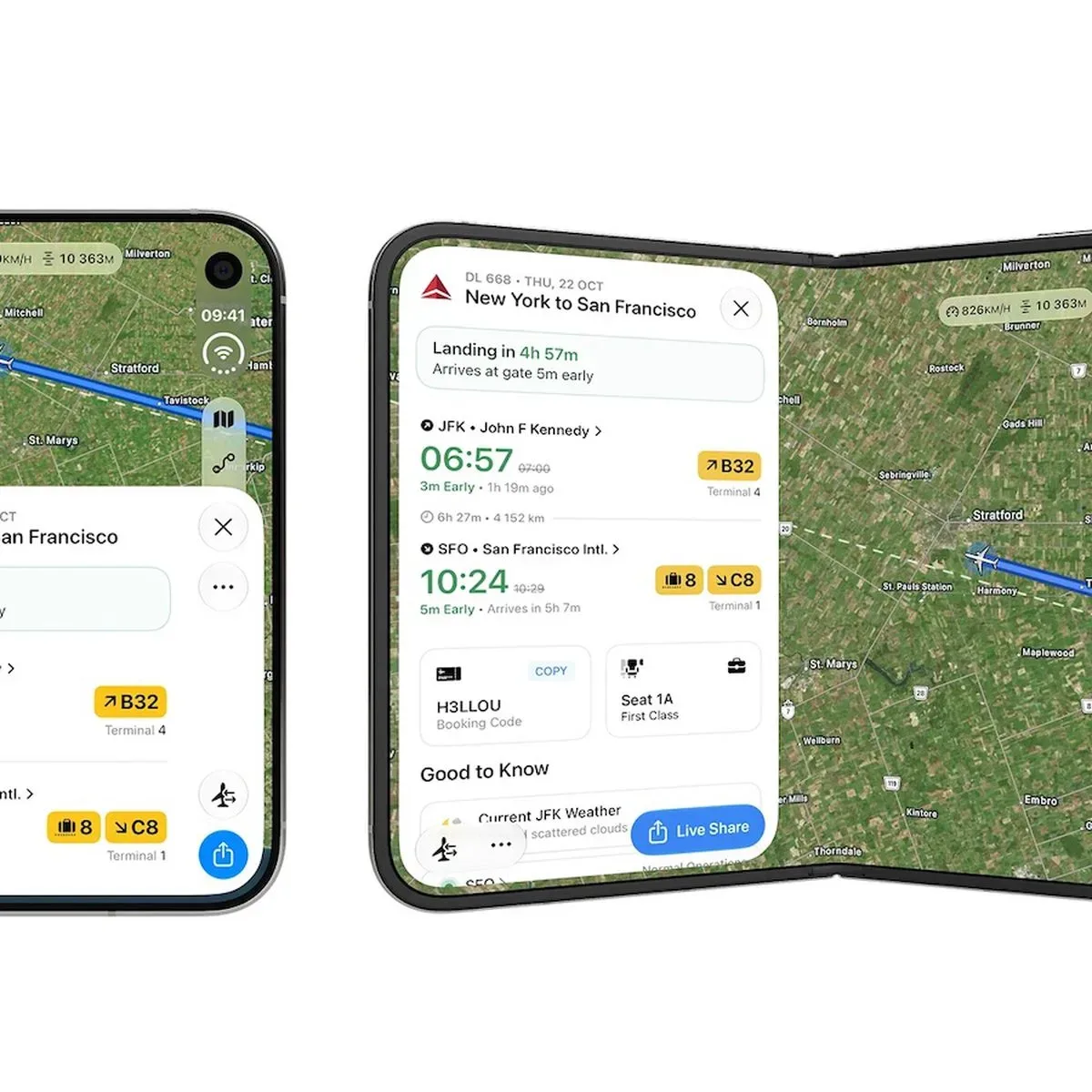
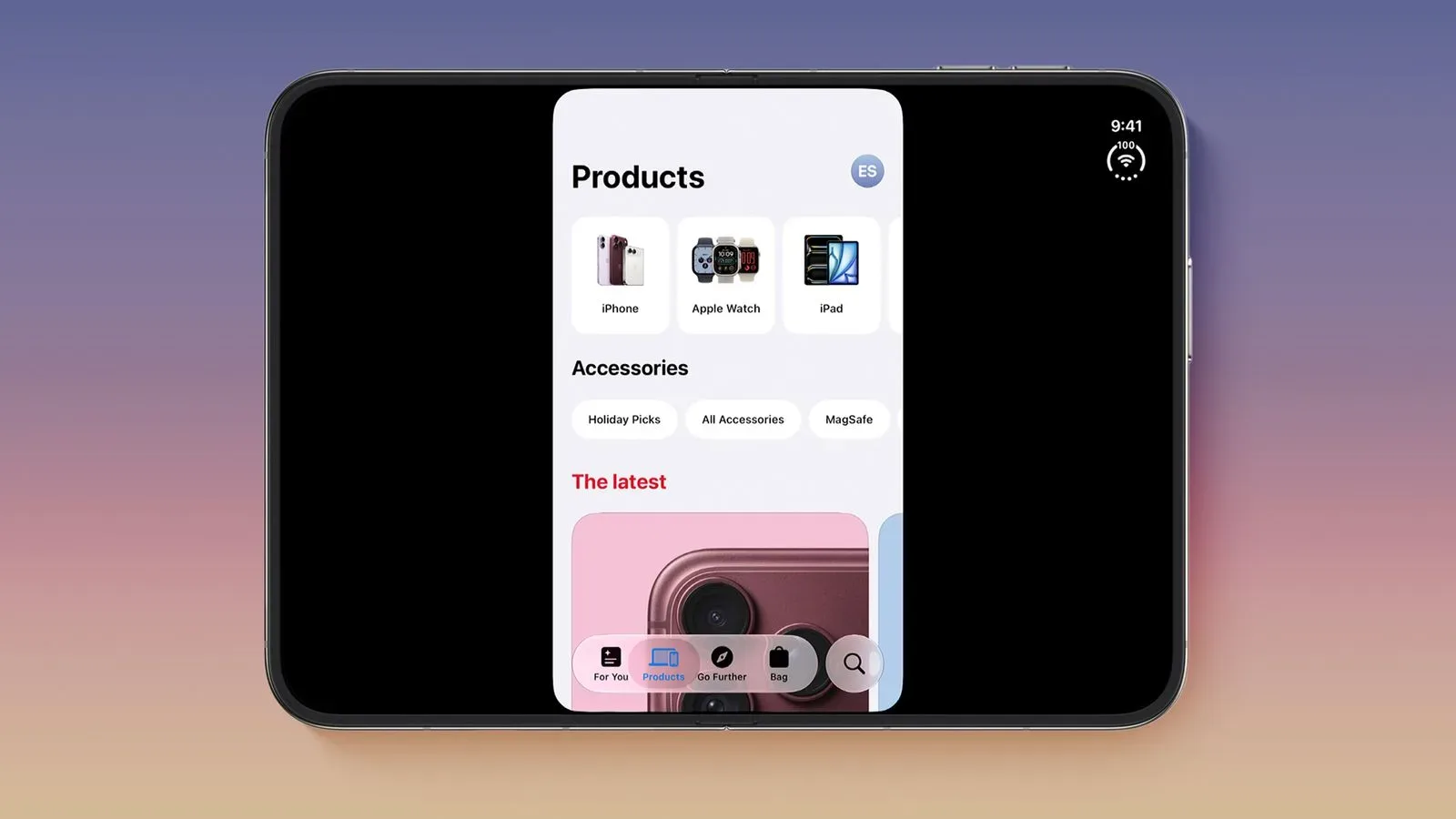
The count is specifically about apps built with the iOS 27.1 software development kit, or SDK, and later versions. Apple’s definition of “optimized” here is consequential: these apps fill the full width of the iPhone Duo’s inner and outer displays, while putting controls vertically within the status-bar area.
That makes this more than a broad claim that apps simply run on the device. It describes layout work aimed at the iPhone Duo’s particular display arrangement.
What the 200,000 figure actually measures
An SDK is the package of tools and technical frameworks developers use to build an app for a platform. In this case, Apple is tying iPhone Duo optimization to use of the iOS 27.1 SDK or a newer one. The threshold matters because it gives the term a stated technical basis rather than leaving it as a vague compatibility label.
Two visual requirements are highlighted. First, the app uses the full width of the iPhone Duo’s inner and outer screens. Second, its status-bar controls are arranged vertically. Together, those details indicate that the software interface has been adapted around the device’s display dimensions and system interface, rather than merely appearing inside an older, narrower layout.
There is an important distinction between availability and optimization. Apple’s number does not claim that every app in its ecosystem has been redesigned for iPhone Duo. Nor does it identify which app categories make up the 200,000 total, name particular games, or describe the quality of each individual implementation. It is a platform-wide adoption measure based on the SDK and display behavior Apple specified.
Why the jump matters
Going from 100,000 to more than 200,000 apps within the same month is a notable increase in the reported total. For people considering an iPhone Duo, the practical takeaway is simple: Apple is signaling that the set of apps designed to use both its inner and outer displays is expanding quickly.
For developers, the update highlights a clear implementation target. Building with iOS 27.1 SDK or later is associated with a presentation that reaches edge to edge across the device’s available width and accommodates vertically placed status-bar controls. That is a more specific target than generic screen scaling.
Screen scaling generally means an interface can resize to fit an available space. Optimization, in the narrower sense Apple uses here, means the layout is intentionally prepared for the full width of each iPhone Duo display and for the device’s status-bar control placement. An app can be functional without necessarily meeting that stricter description.
Inner and outer displays create two interface contexts
Apple’s wording points to two distinct display contexts: an inner display and an outer display. The announcement does not provide their sizes, resolutions, or other hardware specifications, so it would be premature to infer more than that. Still, the software requirement is clear enough to explain the focus on layouts.
An app interface is a collection of elements competing for limited space: content, navigation, buttons, labels and system controls. A display with different available width can change the way those elements fit together. Full-width support addresses the basic canvas available to the app. Vertical status-bar controls address the portion of that canvas occupied by the operating system’s interface.
That second point is especially useful for interpreting the announcement. Status-bar controls are not ordinary app content; they are part of the interaction boundary that sits alongside the app experience. Apple’s emphasis on vertical controls suggests developers need to account for that boundary in their layouts. The stated optimization standard therefore concerns both visible content and how the app coexists with the system UI.
What users should and should not infer
The announcement is encouraging evidence of developer uptake, but it does not establish that every one of the 200,000 apps will use its extra width in the same way. Full-width design could affect a given app’s presentation differently depending on whether it emphasizes reading, video, messaging, creation tools, games, or another type of task. Apple has not provided a category breakdown or examples in the information available here.
Likewise, the figure should not be read as a guarantee about a particular app someone already relies on. The useful check remains whether that app has been built with iOS 27.1 SDK or later and whether its developer identifies iPhone Duo support. Apple’s update provides a large aggregate count, not an app-by-app compatibility list.
For game players, the same caution applies. The available information does not identify optimized games or describe game-specific benefits such as control layouts, performance, display modes, or support for particular genres. It does show that the technical path to an iPhone Duo-aware interface is now shared by more than 200,000 apps, a useful marker of the platform’s broader software momentum.
The wider Apple software context
The milestone also lands amid continuing Apple activity around software and services. Apple has recently been connected to Pokémon’s 30th-anniversary promotions in Japan, including Applin gift cards and iPhone wallpapers; see our coverage of Apple’s Pokémon anniversary promotion in Japan.
That separate promotion does not add details about iPhone Duo app development. It does, however, underline the relevance of Apple’s mobile ecosystem to entertainment and gaming audiences. The iPhone Duo update is fundamentally about developer tooling and interface adaptation, but the growing optimized-app count is likely to be watched most closely through the everyday apps and games people expect to feel at home on a new form factor.
Apple’s current message is therefore deliberately measurable: more than 200,000 apps meet its stated iPhone Duo optimization criteria, compared with 100,000 earlier this month. The next meaningful details would be a clearer view of the kinds of apps involved and the ways developers use the inner and outer displays. For now, the reported doubling is the central signal: support for the iOS 27.1 SDK-based iPhone Duo layout is accelerating.