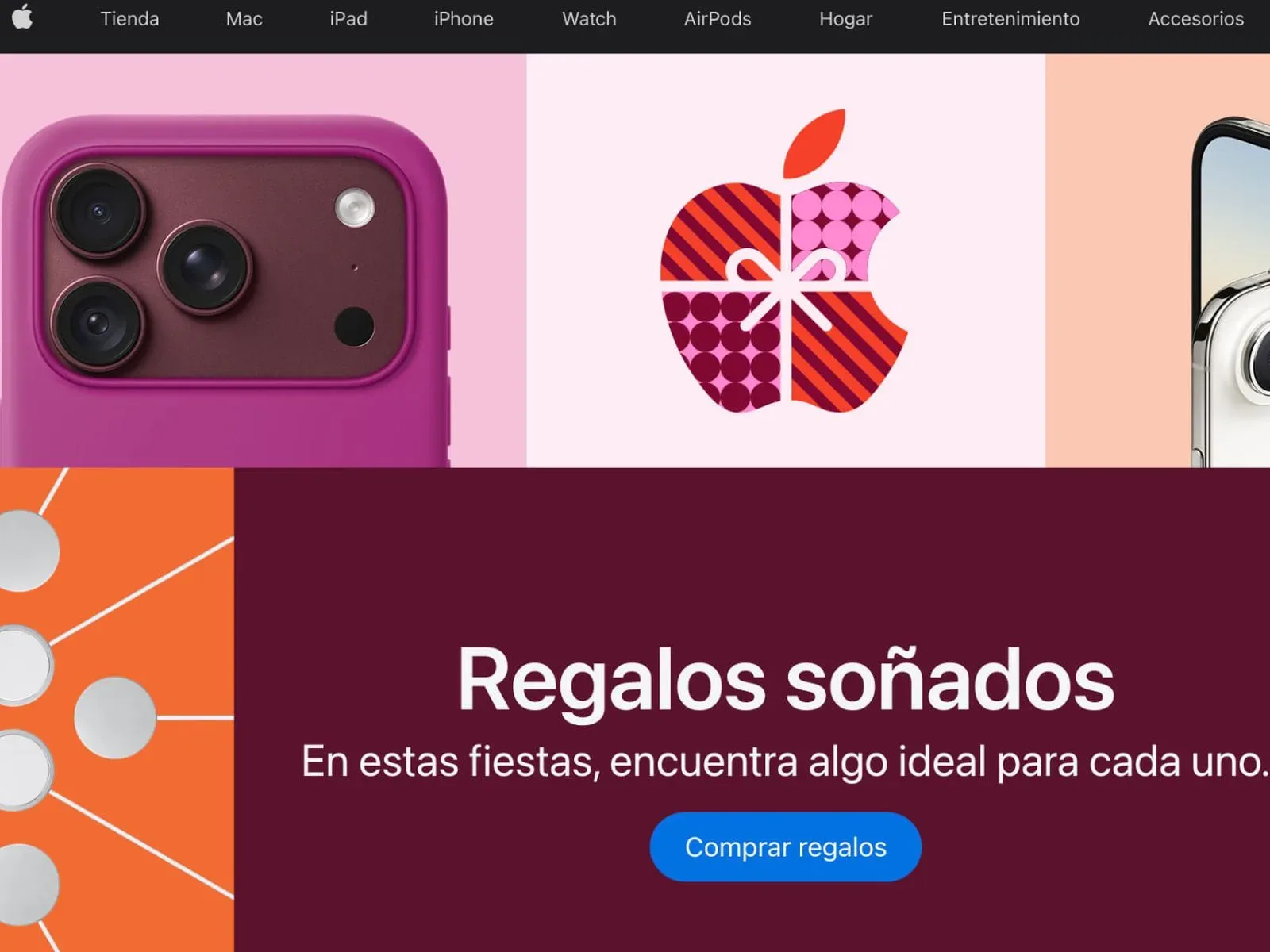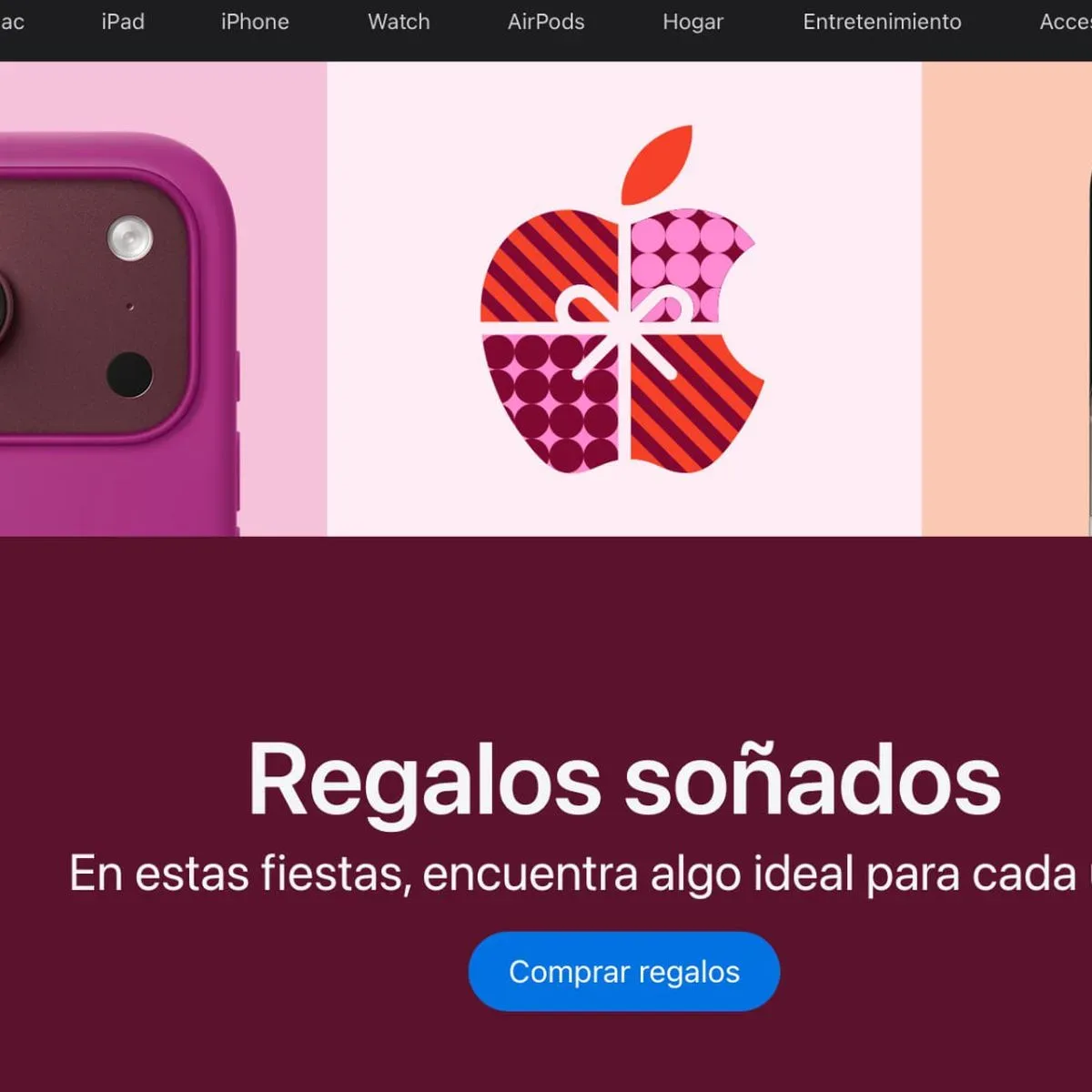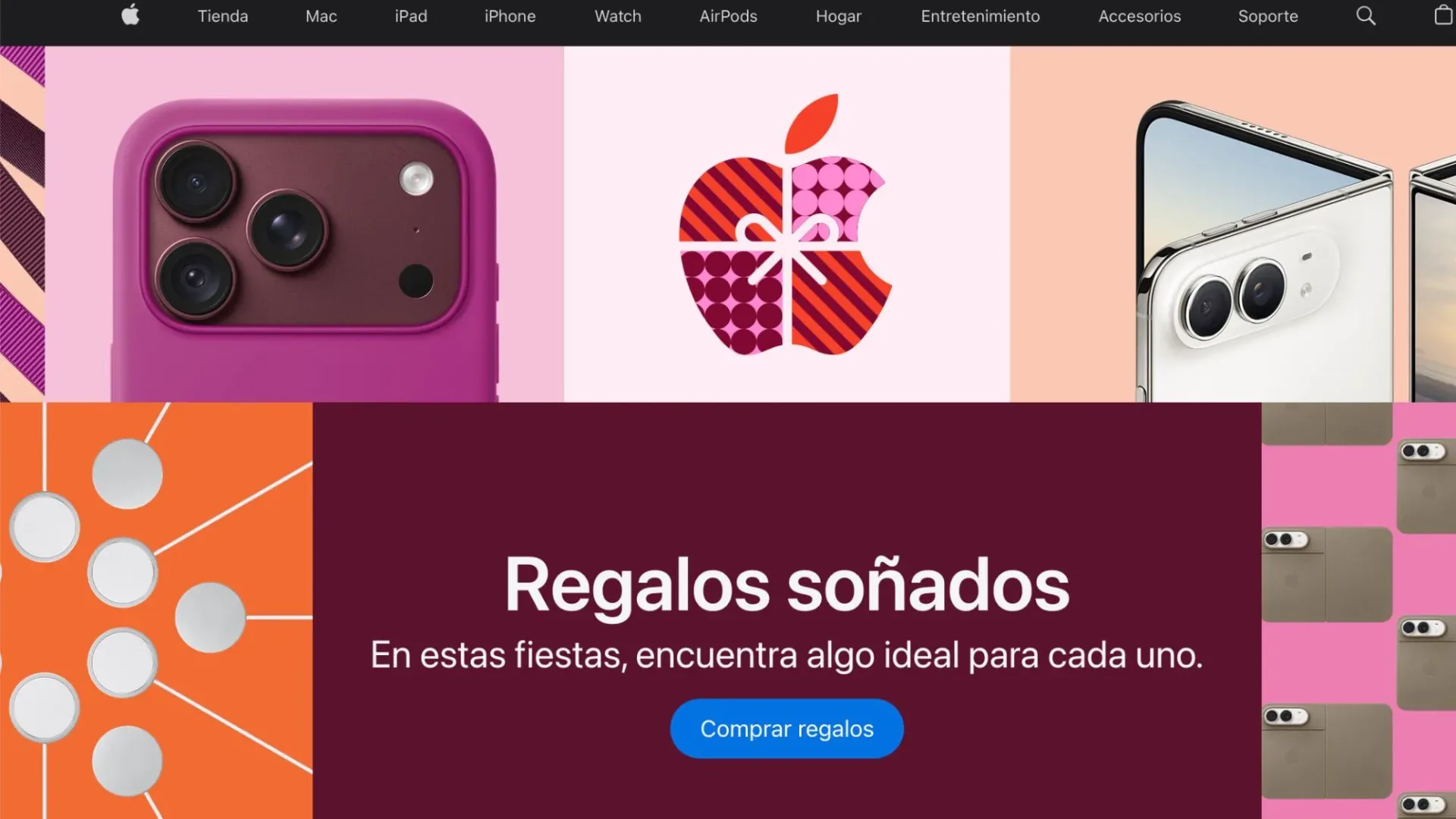
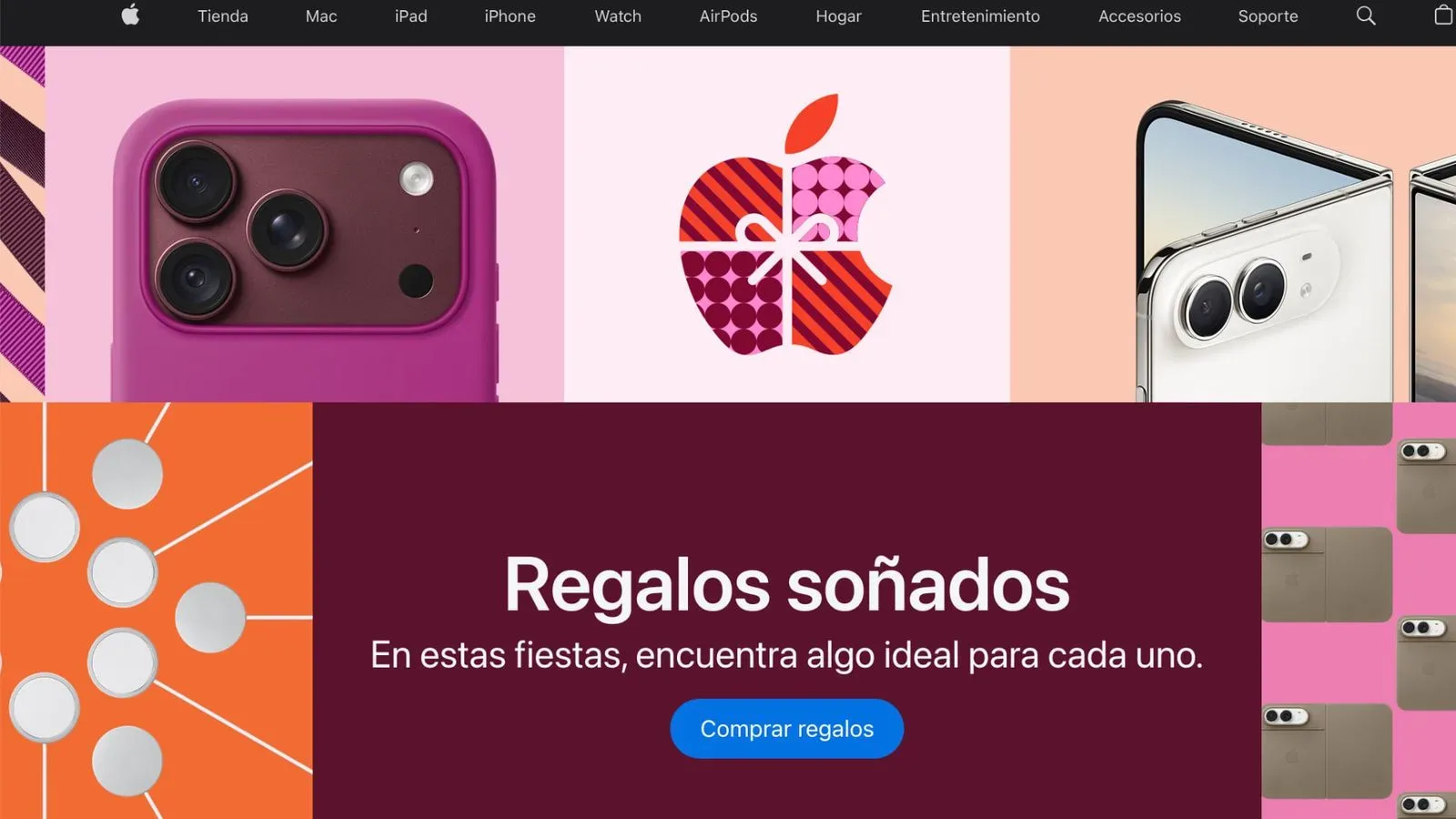
Apple has introduced a Spanish-language version of its U.S. website, giving visitors a new way to browse the company’s main product, software and service information in Spanish. The U.S. Spanish site is available at apple.com/us-es.
For customers whose language is set to Spanish, Apple says the Spanish version will open by default. Everyone else can switch to Spanish through the country and language selector at the bottom of the site. It is a notable usability change for people researching Apple hardware or services in the United States, even though a crucial part of the buying process has not been fully translated.
What is now available in Spanish
Most of Apple’s U.S. website is now presented in Spanish. In practical terms, that means visitors can navigate the main web experience in Spanish rather than relying on browser translation tools or moving between country-specific sites that may not reflect the U.S. catalog and support structure.
The automatic routing behavior is especially important. A website’s language setting is more than a cosmetic preference when it affects product research, feature explanations and navigation labels. Visitors who use Spanish as their primary device or browser language should be sent to the Spanish U.S. experience without needing to hunt for a separate URL first.
For more context, explore Night of the Idle Horde Brings Zombie Auto-Battling to Steam, With Sigil Ideas Wanted for a Future Update.
Apple has also retained a manual path for anybody who wants it. The selector in the site footer lets users explicitly choose a country and language. That matters in shared-device households, workplaces and other cases where the browser’s chosen language does not match the language a visitor prefers for a particular session.
Language, region and storefront are different settings
The new U.S. Spanish site is not simply the same thing as choosing a Spanish-speaking country’s Apple site. “U.S.” identifies the regional version of the website, while “Spanish” identifies the language used for its content. Keeping those concepts separate is helpful because product availability, purchasing arrangements and financial information can be region-specific even when customers share a language.
For a visitor in the United States, the addition should make it easier to read U.S.-oriented Apple information in Spanish. It does not, however, mean that every section of the U.S. online experience has been localized.
The important limitation: shopping remains English-only online
Apple says its Online Store and Financial Services remain available in English only. That limitation is significant because the online store is where browsing turns into a transaction. A customer may be able to read much of the site in Spanish, but encounter English when moving to the online purchasing flow or financial services material.
“Financial Services” generally refers to the portions of a company’s web experience dealing with financing or other financial product information. Apple has not indicated here that those pages have received a Spanish web translation, so customers should expect English in that area as well.
The split creates a mixed-language journey: Spanish for most general site browsing, English for the online store and financial-services portions. That is still an expansion of access, but it is not a complete Spanish-language checkout experience. Customers who need Spanish assistance while shopping online can contact an Apple Specialist by phone.
Most of Apple’s U.S. site is available in Spanish, while the Online Store and Financial Services remain in English.
That phone option is useful, but it is not identical to independently completing every on-screen shopping step in Spanish. The difference is worth understanding before a customer begins comparing products or expects every later page in a purchase journey to use the same language as the main site.
Why the change matters beyond a translated menu
A company’s primary website is often where people first encounter product descriptions, compare devices, check compatibility information and learn about software or services. Providing that material in a visitor’s preferred language can reduce friction at the research stage, particularly when the site contains technical vocabulary that is difficult to interpret through automatic translation.
It also makes terminology more consistent across a large site. Product names may remain unchanged, but surrounding explanations, navigation and support-oriented language can be read within a Spanish interface. For users moving among Apple pages, that consistency can make it easier to keep track of the distinction between a device feature, a service and a support option.
The development brings Apple’s main U.S. web presence closer to an option it already offered elsewhere: a U.S. Spanish version of Apple Support. Support content and main-site content serve different purposes, but they are commonly used together. Someone evaluating a product might start with a product page, then look for help documentation; someone troubleshooting a device might return to the main site to compare current offerings or services.
With both areas available in U.S. Spanish, those users have a more coherent language path for much of that process. The remaining divide at the store and financial-services level shows that localization can be introduced in stages rather than all at once.
How to use the Spanish U.S. site
- Visit Apple’s U.S. website. If Spanish is set as your language, the Spanish U.S. version should appear by default.
- If it does not, scroll to the bottom of the site and open the country and language selector.
- Select the U.S. Spanish option, or go directly to apple.com/us-es.
- Use the Spanish site for general browsing, while keeping in mind that the Apple Online Store and Financial Services are English-only on the web.
- If Spanish assistance is needed for an online-store purchase, contact an Apple Specialist by phone.
What customers should keep in mind
The key takeaway is simple: Apple’s U.S. site now offers Spanish for most of its content, and the preference can be selected manually or recognized automatically. That makes the company’s main U.S. web presence more accessible to Spanish-speaking visitors and better aligned with its existing U.S. Spanish support site.
At the same time, customers should not mistake the launch for a full end-to-end Spanish retail and financial-services interface. The shopping and financial portions remain in English online. For now, the new experience is best understood as a substantial Spanish-language browsing layer paired with phone-based Spanish help for customers who need assistance when shopping.