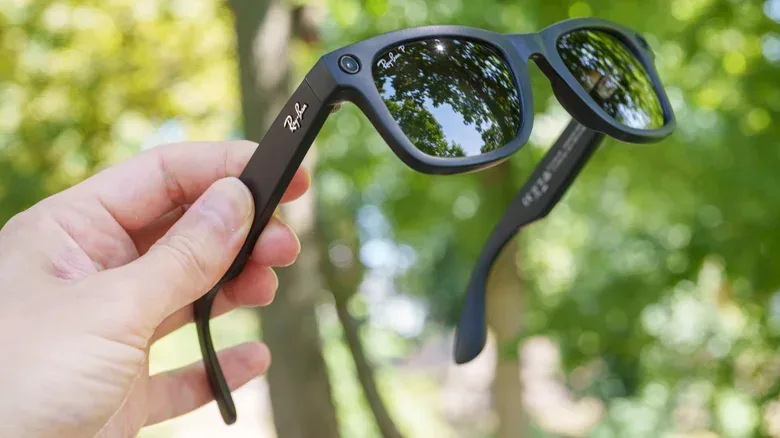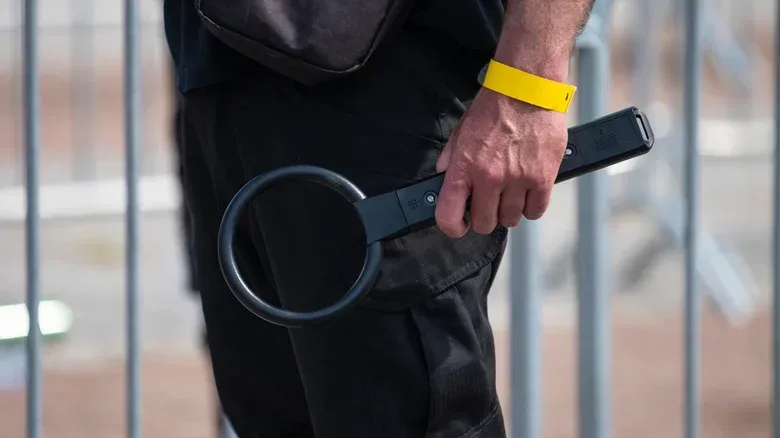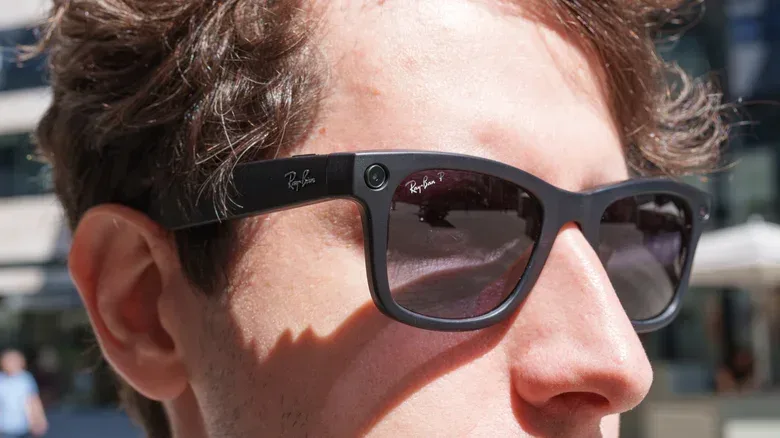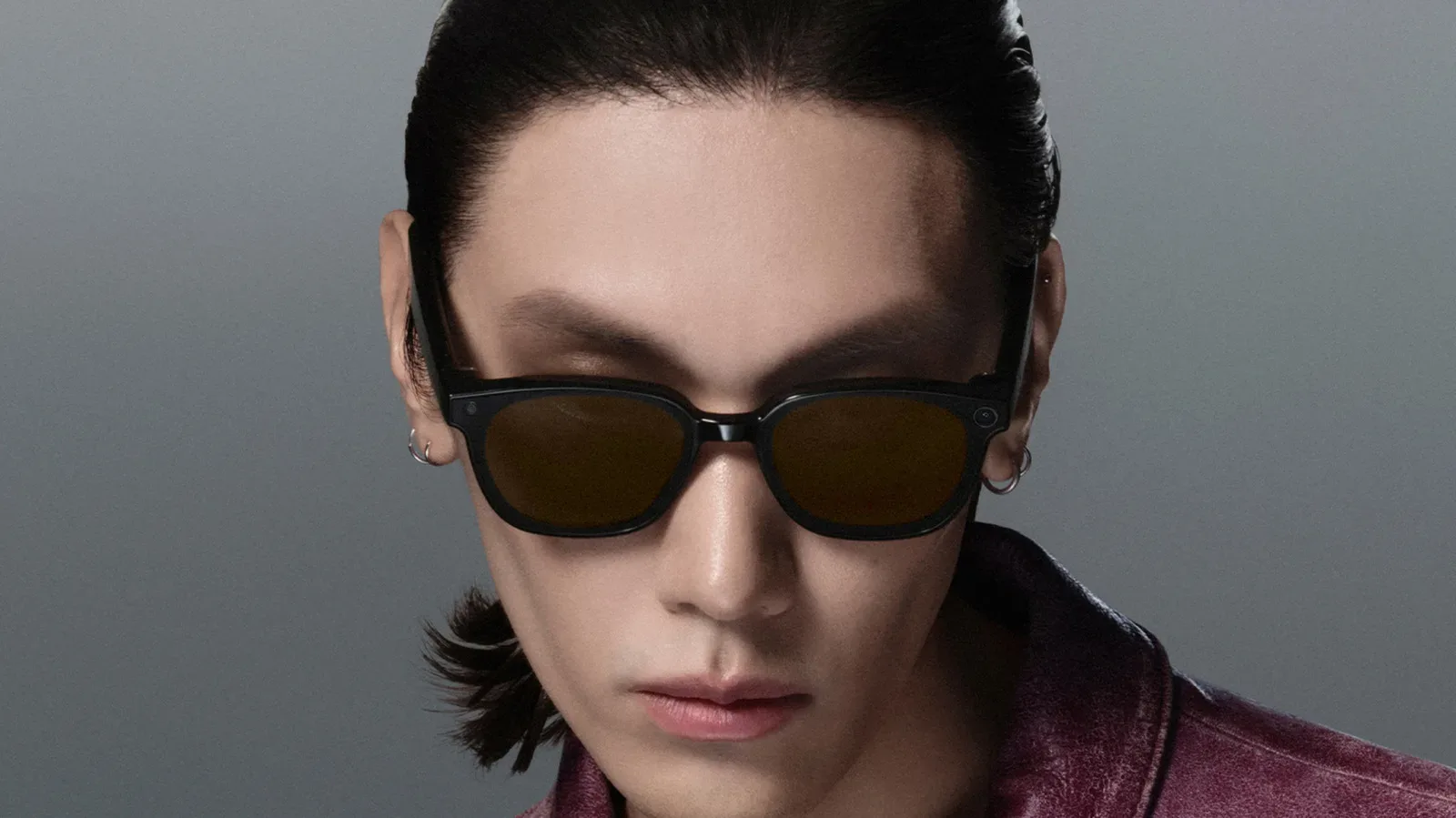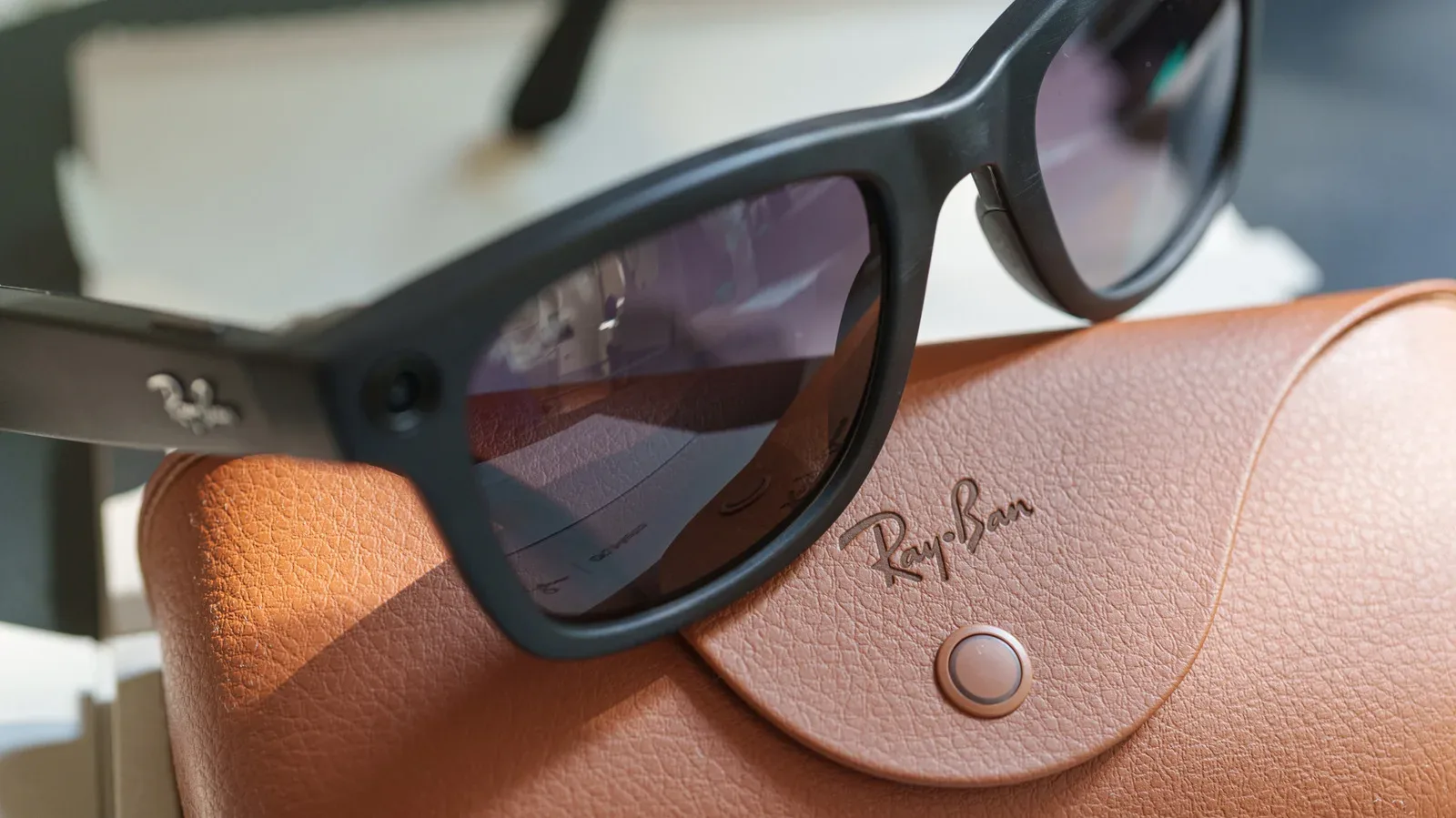
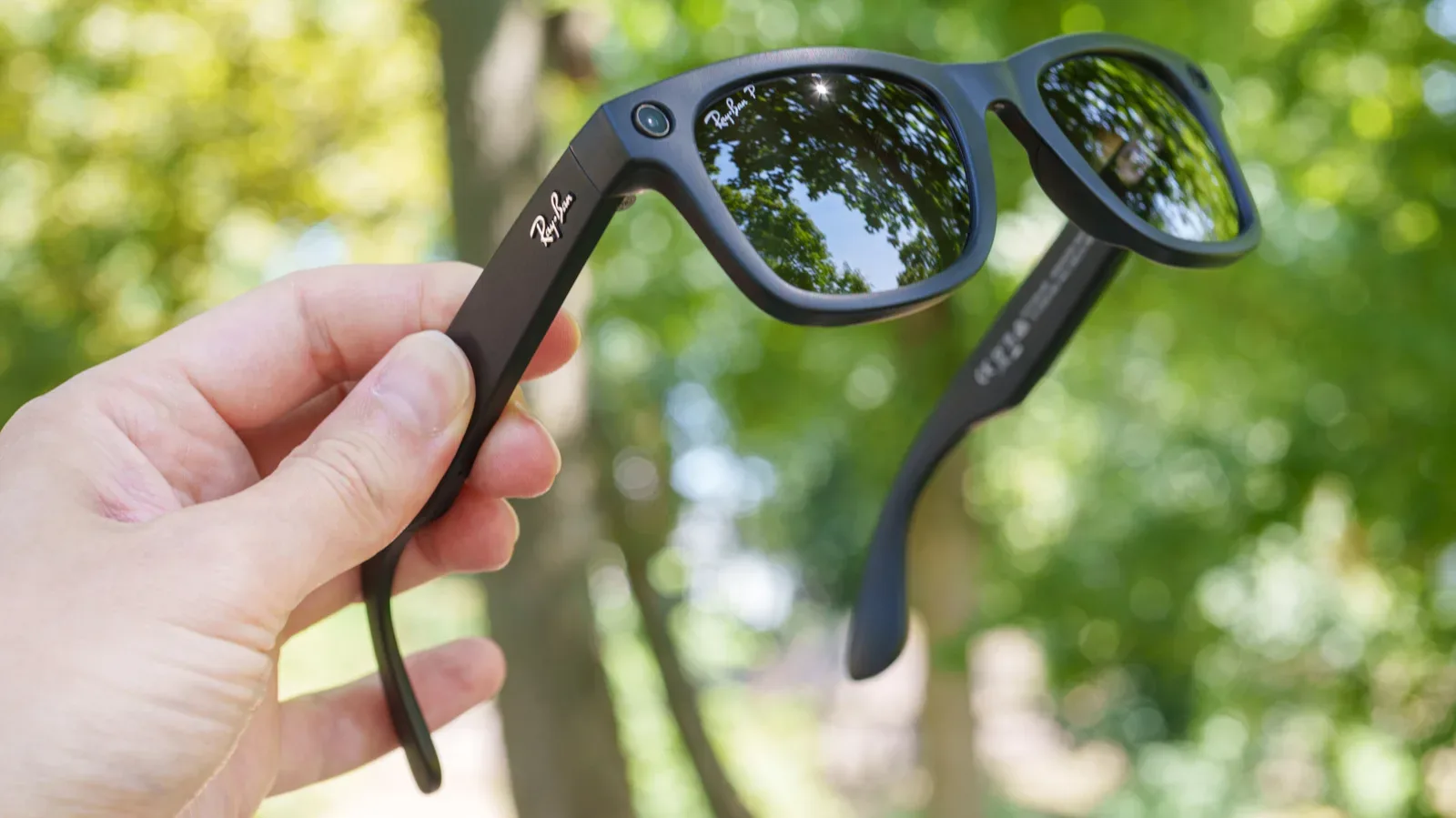
AI glasses are running into a very ordinary problem for a very unusual gadget: people often cannot tell when they are being used. That uncertainty is driving a growing patchwork of restrictions in courtrooms, schools, military facilities, pools, cinemas and other shared spaces. The rules are not a worldwide ban on the category, but they make one point increasingly clear: a device that resembles normal eyewear may be treated more like a camera, microphone or computer once a venue decides it presents a privacy or security risk.
The details vary enormously. Some policies focus on any smart glasses with cameras, microphones or computing features. Others are concerned specifically with camera-equipped frames. Some allow accessibility, medical or educational exceptions, while others require visitors to surrender the glasses at the door even if the device is switched off. For owners, the practical consequence is that taking the glasses off may not be enough; bringing a conventional backup pair can be essential.
This is a location-by-location crackdown, not a global prohibition
No country has enacted a permanent nationwide ban on AI glasses in the information available here. Punjab province in Pakistan did impose a 30-day measure beginning in October 2026, covering the use and sale of camera-equipped smart glasses described as having hidden recording capability. The order also covers miniature cameras disguised as items such as pens and keychains, and it extends to online sales rather than only physical retailers.
Authorities in Punjab cited complaints involving alleged illegal surveillance, harassment and blackmail. The policy did not name particular models, so the relevant question is the device’s recording capability rather than a brand label. It is also a provincial restriction, not a rule applicable across Pakistan.
For more context, explore Who Owns the License? Panini, Fanatics and the Business of Sports Cards.
That approach illustrates an important distinction in the debate. “AI glasses” is a loose consumer label, not a precise technical category. A pair may include a camera, microphones, speakers, onboard processing, voice-assistant functions, a display, or some combination of those parts. Restrictions can consequently be broader than a ban on video recording alone. A venue may object to the possibility of unobtrusive photography, audio capture, live assistance, or simply the difficulty of verifying what a device can do at a glance.
For a wider look at the developing list of restrictions and the policy questions around them, this overview of where AI glasses are being restricted shows how rapidly venue-specific rules are becoming part of the product’s real-world limits.
Courts are drawing some of the firmest lines
Courts have especially obvious reasons to control connected eyewear. Proceedings can involve confidential material, vulnerable participants, jurors, witnesses and strict rules governing photography and recording. The fact that glasses can resemble an everyday prescription frame complicates enforcement: security staff cannot reliably infer a device’s capabilities merely by looking at it.
New York adopted a particularly strict approach on July 20, 2026. Smart glasses containing cameras, microphones or computers are barred from all 1,240 state and local courts. Visitors must hand them to uniformed court officers for safekeeping. Powering a device down is not a workaround under that rule.
That creates a meaningful accessibility and convenience issue for people whose only prescription lenses are installed in smart frames, including Ray-Ban Meta glasses. Court officials have urged visitors to bring a standard pair instead. In practical terms, prescription smart-glasses owners should check entry rules before travelling to a court and plan for a non-connected alternative. Arriving with no usable replacement could turn a policy issue into an immediate problem seeing documents, signs or proceedings.
A related incident occurred during testimony in Los Angeles in February 2026, when Mark Zuckerberg’s team appeared in Ray-Ban Meta glasses. Judge Carolyn Kuhl warned that glasses being used to record had to be removed. No recording of the proceedings was confirmed. The episode nevertheless captures why judicial settings are reacting cautiously: even a possibility of recording can require an interruption, an assessment by staff and a decision about compliance.
Courts and tribunals in England and Wales have also prohibited Meta glasses, with security personnel able to hold them until a visitor leaves. These policies do not depend on proving that a person actually captured footage. They operate preventively, seeking to remove an ambiguous recording-capable device from a sensitive environment before a dispute arises.
Schools and testing sites are treating the glasses as more than a phone substitute
Education is another setting where the technology intersects with privacy and fairness. Public schools in Western Australia have banned AI glasses for students, staff and visitors since October 12, 2026. The policy includes approved exemptions for medical, accessibility and educational purposes. Victoria has announced comparable restrictions scheduled to begin January 27, 2027.
Those exceptions matter. A blanket prohibition with no pathway for approved use could conflict with legitimate needs. But an exemption does not mean unrestricted use: it means the school can assess a stated purpose and apply a defined accommodation. This is a more targeted model than treating every pair of smart glasses as identical.
Standardized testing makes the stakes more immediate. Smart glasses are prohibited at SAT testing sites even during breaks unless an accommodation has been approved. A breach can lead to cancellation of scores. Students should not assume a device is acceptable simply because it is not visibly in use, because the restriction applies to possessing or using the prohibited glasses at the test site under the stated rules.
The underlying concern is straightforward. A device with a camera, microphone or computing capability may raise questions about unauthorized assistance or disclosure of test content. Whether a particular user intended to do either is secondary to the administrative challenge of maintaining consistent conditions for every test taker. Clear restrictions are easier to apply than case-by-case judgments about whether a pair of glasses was active, inactive or capable of retrieving information.
Military sites, pools, cinemas and cruise spaces have different risks
The expansion of restrictions beyond courts and classrooms is notable because each setting has its own rationale. Marine Corps policy at Camp Lejeune and other bases does not allow smart-glasses use. Military locations may control devices that could capture sensitive activity or information, and a wearable camera can be harder for bystanders to notice than a phone held up to record.
At leisure and aquatic centers operated by Australia’s Canterbury-Bankstown Council, smart glasses are banned. In pool and changing-area-adjacent environments, even the perception that someone could be discreetly recording can undermine users’ sense of safety. The policy response does not need to assume that every owner will misuse the product; it is an effort to establish an easily understood boundary in a setting where privacy expectations are high.
UK cinemas are also rolling out measures aimed at camera-enabled glasses, citing privacy and film piracy. Piracy is a separate concern from personal privacy, but it stems from the same core hardware feature: a wearable camera can record without the conspicuous posture associated with using a handheld device.
Royal Caribbean permits smart glasses aboard its ships, yet prohibits their use in casinos, medical facilities and youth areas. This is a useful example of a narrower venue policy. It does not reject the device throughout the ship; it identifies spaces where privacy, safeguarding or operational sensitivity warrants an additional restriction. Owners cannot safely translate permission in one onboard area into permission everywhere else.
The camera indicator is central to trust, but it does not resolve every question
Public confidence in camera glasses rests partly on whether bystanders can recognize when a camera is active. Meta says a white recording LED illuminates when its glasses take photos or video, and says the camera is disabled if the system detects that the light has been tampered with.
However, Ray-Ban documentation indicates that some camera-based AI functions on newer models can operate without the LED turning on because they do not save shareable photos or video. That distinction is important. A camera being used for an AI feature without creating saved footage is not equivalent to secretly filming a video. Still, someone nearby may not be able to tell the difference between a non-recording AI camera interaction and an attempt to capture them.
That gap between technical behavior and social legibility is the heart of the policy conflict. An indicator can communicate a particular type of recording. It cannot necessarily communicate every possible use of a camera, microphone or AI system, nor can it make an unfamiliar device’s behavior obvious to the people around it. Institutions responsible for privacy-sensitive spaces may choose a simple prohibition precisely because they do not want guards, teachers or patrons to interpret those technical distinctions in real time.
Unconsented-filming complaints show why the anxiety is not abstract
In September 2026, Paris prosecutors opened investigations after complaints that women had been filmed without consent using smart glasses and that the material was posted online. Prosecutors did not identify the brands involved. The investigations do not establish that all smart-glasses users engage in misconduct, but they demonstrate why the concern has moved beyond theoretical privacy debates.
The social challenge is amplified by form factor. A phone pointed directly at a person is generally legible as a potential camera. Eyeglasses are a familiar, necessary item for many people and are ordinarily not treated as a signal that recording may be occurring. Products designed to be unobtrusive can be convenient for their owners while making consent and awareness more difficult for everyone else.
What owners should do before entering a restricted venue
There is no single universal rule, so smart-glasses owners need to treat policies as local and setting-specific. The safest approach is preparation rather than arguing at an entrance after a staff member has already applied a restriction.
- Check the venue’s device policy in advance. Courts, test sites, schools, bases and entertainment venues may use different language and enforcement methods.
- Bring conventional prescription glasses if needed. This is particularly important where a connected prescription pair may have to be surrendered or cannot enter at all.
- Do not rely on switching the device off. New York’s court policy, for example, requires covered glasses to be turned over rather than merely powered down.
- Seek formal approval where an exception exists. School and SAT accommodations described here are approval-based, not automatic personal exemptions.
- Respect zone-specific rules. Permission aboard a cruise ship does not override bans in casinos, medical spaces or youth areas.
- Recognize the difference between capability and intent. A person may have no plan to record, but a venue can still prohibit the hardware because it cannot practically evaluate intent for every visitor.
Norway may offer the next test of how far such restrictions can reach. Its government is considering temporary limits that could apply in parks, beaches, shopping centers and gyms. The proposals have not been enacted, and officials have not determined precisely which smart-glasses types would be included. That unresolved scope is consequential: the Even Realities G2 does not have a camera, while Ray-Ban Meta and Oakley Meta glasses can capture photos and videos.
As rules develop, capability-based policies may prove more durable than broad labels. A camera-free product and a camera-equipped product can both be called smart glasses, yet they pose different questions for privacy rules. At the same time, the existing mix of bans shows that institutions may prefer simple, enforceable boundaries over nuanced hardware-by-hardware analysis. For now, AI glasses remain legal in broad terms, but their usefulness increasingly depends on where the wearer wants to go.