The Los Angeles Press Club’s 19th annual National Arts & Entertainment Journalism Awards will recognize a wide cross-section of entertainment reporting this year, with one major industry newsroom receiving 62 nominations across film, television, music, theater, photography, podcasts and online journalism.
The breadth of the nominations is arguably the most notable part of the result. The finalists include criticism alongside hard news, business reporting, long-form profiles, obituaries, production reporting and commentary. That distinction matters: entertainment journalism is often treated as a single beat from the outside, but the award categories reflect a field that can require everything from reporting on corporate and labor-facing industry developments to evaluating art, interviewing performers and documenting cultural history.
Winners are due to be announced December 6 at the Biltmore Hotel in Los Angeles. Brandi Carlile is scheduled to receive the Humanitarian Award at the ceremony. The nominated newsroom collected 20 prizes in the previous year’s awards.
Top journalist and criticism nominations
Chris Willman is a finalist for Print Journalist of the Year, while Ethan Shanfeld is nominated for Online Journalist of the Year, in the category for work tied to an organization.
The criticism selections include Owen Gleiberman for film critic and music critic, Daniel D’Addario for theater and performing-arts critic, and Willman for music critic. Willman is also nominated in columnist categories spanning print and online work, in addition to a headline nomination for coverage of the Who’s Hollywood Bowl farewell shows.
Criticism is not simply a recap or a consumer recommendation. At its strongest, it offers a defensible interpretation of an artwork, performance or creative trend, using argument and context to explain why the work succeeds, fails, or reflects a wider moment. Separating film, music and performing-arts criticism acknowledges that each discipline calls for its own knowledge base and language.
Gleiberman’s finalist work also includes an obituary or appreciation of Robert Duvall. D’Addario received an appreciation nomination for Eric Dane. These categories recognize a particularly difficult form: writing that records a person’s career and artistic impact while responding to a recent loss, rather than merely listing credits.
Profiles and features cover Hollywood’s creative and business pressures
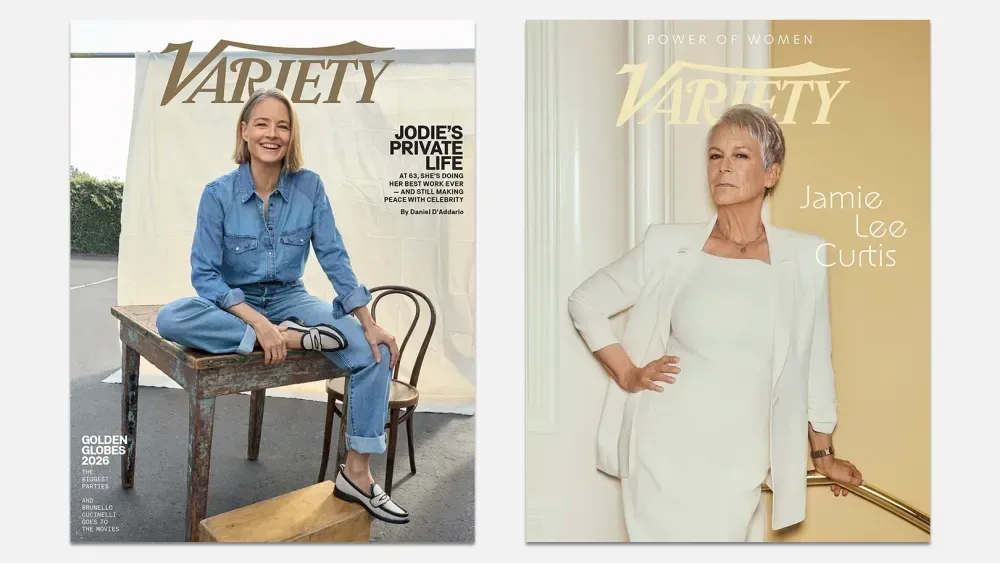
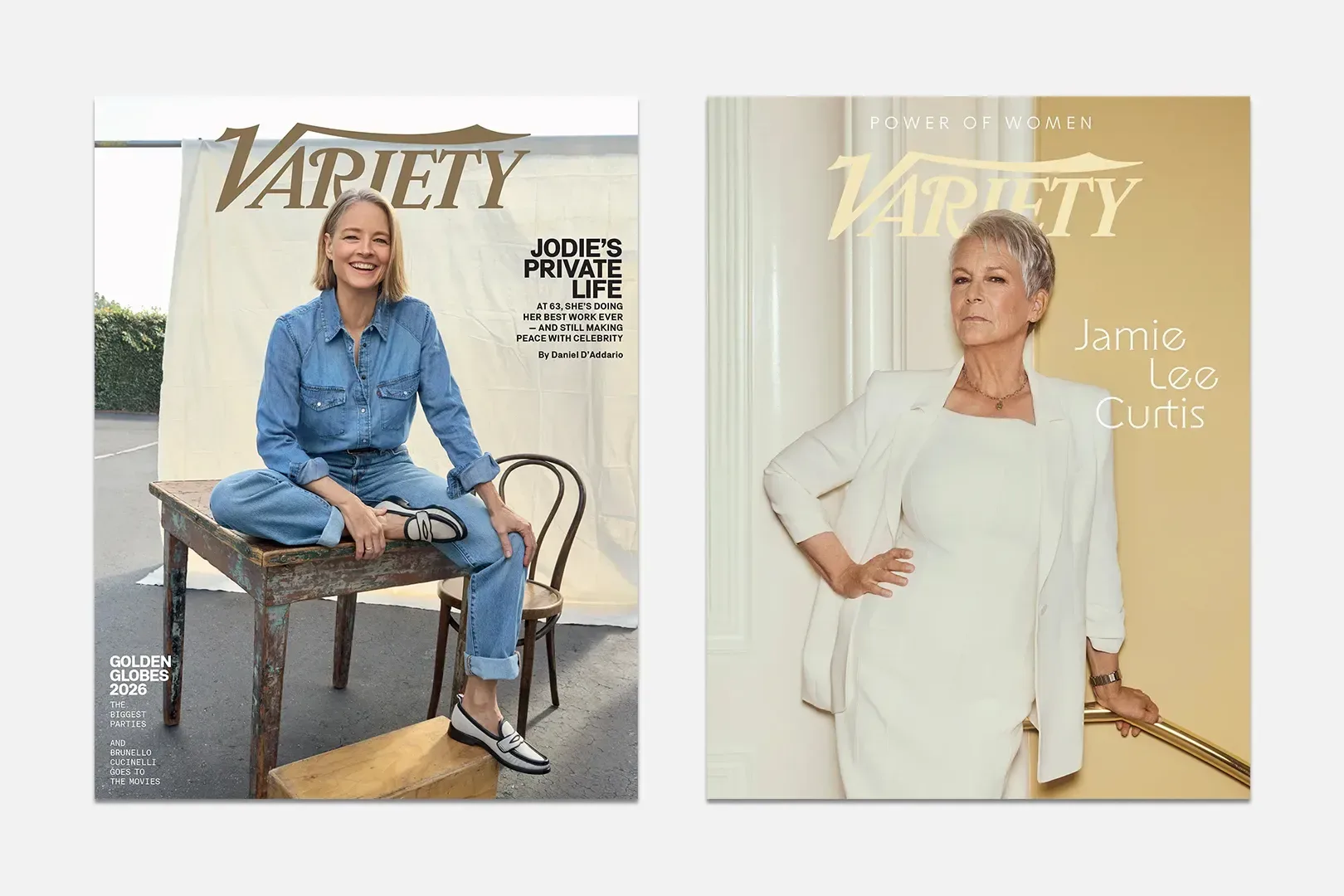
Several finalist profiles focus on performers whose public images have shifted across long careers. D’Addario’s Jodie Foster profile and Trish Deitch’s Jamie Lee Curtis profile are among the film-industry personality pieces in the over-2,500-word category. D’Addario also has a long-form television and streaming profile of Charlie Hunnam, while Shanfeld is nominated for a Miley Cyrus profile in that category.
Related coverage includes 62 Arts Journalism Award Nominations Span Film, TV and Music Coverage.
Long-form personality profiles are more than celebrity interviews. The format is intended to build a fuller account around a subject’s career, work and public position. The word-count divisions are significant because an extended profile has room for a different kind of reporting and structure than a shorter interview-led feature.
Other nominees include K.J. Yossman’s Emilia Clarke profile, Jem Aswad’s David Byrne feature, Jazz Tangcay’s profile of the women behind KPop Demon Hunters, Chris Willman’s Eddie Izzard interview and Todd Spangler’s profile of Elle Duncan.
On the feature side, the finalists range from Daniel D’Addario’s look at The Smashing Machine and its awards prospects to Michael Schneider’s examination of Hacks. Shanfeld is nominated for a report on a casting call for a Baywatch reboot that drew 2,000 aspiring lifeguards, and another on the public spectacle around the Diddy trial.
Industry features can be especially useful to readers because they connect familiar titles and people with the systems behind them: casting, production, promotion, exhibition, corporate decision-making and the changing economics of creative work. That is a recurring subject in current entertainment coverage, including gaming-adjacent reporting such as David Hayter’s account of the lost Lost Planet movie project, where development can be shaped by forces far beyond the material itself.
Business, hard news and the changing media landscape
The finalist list includes reporting on the businesses that make, distribute and market entertainment. Brent Lang and Shanfeld are nominated for a film-business story about Disney’s incoming chief executive, Josh D’Amaro, and the challenges surrounding artificial intelligence, Star Wars, Marvel and the company’s theme-park identity. Brian Steinberg is a finalist for a TV and streaming business report on CBS News.
Additional business finalists include a report by Lang and Rebecca Rubin on the difficult 2025 theatrical market; Kate Aurthur’s coverage of a proposed Buffy the Vampire Slayer reboot; Naman Ramachandran’s examination of microdramas; and Steinberg’s piece on NBC’s fast-paced Gold Zone format.
Hard news generally means time-sensitive reporting on a consequential development, often involving a deal, leadership change, dispute or major production issue. It differs from a feature, which normally gives more space to context, character and a broader trend. Among the hard-news nominees are Ramachandran’s report on Ranveer Singh’s departure from Don 3, Rubin’s story on the potential implications of a Warner Bros. sale, and Steinberg’s coverage of a new 60 Minutes leader.
That range underlines how entertainment reporting can concern creative work and its underlying infrastructure at the same time. Theater attendance, streaming strategy, a canceled reboot, an executive transition and a change in short-form viewing habits all affect what audiences eventually see—and who is able to make it.
Production, culture and the people behind the screen
The nominations extend beyond stars and corporate news. Pat Saperstein is recognized for reporting on EcoSet’s reuse of production materials, as well as a feature about filming One Battle After Another across California. Leo Barraclough is a finalist for a feature on the making of Agnes & Amir, while Marc Malkin is nominated for a production-history story tied to Cruising.
These are examples of what industry reporting often calls below-the-line coverage. “Above the line” usually refers to key creative decision-makers such as writers, directors and major actors; “below the line” covers many of the crafts and logistical roles that make production possible. The distinction can be imperfect, but it is useful shorthand for recognizing that filmmaking depends on far more than onscreen talent.
The list also reaches into theater, food and culture. Willman is nominated for work on Mitski’s Hollywood High residency and for a theater feature about Here Lies Love. Saperstein is a finalist for a food feature involving chef Sean Brock, and Antonio Ferme is nominated for a culture story set during celebrations after the Knicks won the NBA Finals.
Photography, audio and commentary receive recognition too
Daniel Doperalski is nominated in portrait photography for an image accompanying a KPop Demon Hunters cover package. A portrait category is a reminder that visual journalism can contribute its own reporting value: a strong image does not merely decorate a story but helps establish a subject’s presence, mood and cultural framing.
In audio, Tangcay is nominated for a one-on-one interview with Sinners cinematographer Autumn Durald Arkapaw. Podcast and radio categories recognize work built around listening rather than page design, often allowing a creative professional to explain process in more direct detail.
Commentary finalists include D’Addario on the film Melania and on a pop-star portrayal in Mother Mary; Willman on Randy Newman and on fictional music movies; Shanfeld on Kanye West; Barraclough on potential series adaptations of films associated with Ridley and Tony Scott; and Schneider on Disney, Jimmy Kimmel and the FCC.
Commentary is distinct from straight news because it advances an explicit analysis or point of view. It still benefits from accurate factual grounding, but its central value is interpretation: helping audiences understand a trend, decision or cultural flashpoint rather than only establishing that it occurred.
What the 62 nominations say about the awards field
A nomination is not a win, and the December 6 ceremony will determine which finalists receive prizes. Still, the 62 selections point to a program that values multiple ways of documenting arts and entertainment: critical judgment, enterprise reporting, visual storytelling, specialist interviews and cultural analysis.
For readers, the practical takeaway is that “entertainment news” should not be reduced to casting announcements and red-carpet moments. The finalist work encompasses production sustainability, independent-film promotion, movie-theater economics, global screen industries, television formats, music history and the public lives of artists. Those angles make the beat more useful—and more accountable—because they examine not only the finished work but also the conditions in which it is produced, promoted and received.