
An unofficial attempt to get Grand Theft Auto VI running on PC has hit a sudden stop. Project Leonida, one of several fan-led recompilation efforts focused on an Xbox build of the game, has been abandoned by its original lead after a fast-moving sequence of apparent technical progress, a vanished Discord server, and a public decision to step away.
The project’s lead, who posts as NotRexed, said they had quit and would no longer continue the work. In a subsequent post, they alleged that Rockstar Games had taken down the project’s Discord server. That attribution has not been independently established in the material available, so it should be treated as an allegation rather than confirmed fact.
NotRexed also described a personal reason for leaving: they said they are 15 and found the combination of school, sports, and hostile behavior from adults in the project’s Discord community too much to manage. The original Leonida GitHub repository has also disappeared, although copies made by other users reportedly remain online.
Why Leonida drew attention so quickly
Leonida gained momentum after an executable associated with an Xbox version of GTA 6 was circulated by a leaker known as Cyberleek. The project was attempting a recompilation, a technical process in which code intended for one hardware and software environment is translated or adapted so it can run in another. In this case, the target was PC.
Recompilation is not a magic “convert console game to PC” button. A modern game depends on many interlocking systems: executable code, operating-system expectations, graphics interfaces, audio systems, memory behavior, file access, input handling, and the wider engine’s assumptions about its original console hardware. A project can clear one hurdle and immediately collide with several others.
Early status messages from Leonida illustrated that reality. One update said the game nearly booted but was stuck on a black screen and lost audio. Later, a video said to have originated in the project’s Discord appeared to show the opening sequence and first-time setup operating on a PC. That was a notable milestone if authentic, but it was not evidence of a fully playable port.
Seeing menus, an introductory video, or setup screens is fundamentally different from running the game reliably in its world. Those early portions may place very different demands on a system than active gameplay, where the game must continuously manage rendering, streaming, sound, player input, simulation, and saved data.
A boot screen is not a functioning PC version
The broader scene remains incomplete. A tracker monitoring multiple GTA 6 PC-oriented projects indicates that other teams are still attempting to reach a viable result. One project’s reported status was that the title could boot, run menus at its intended 30 frames per second, and load the game world, but that rendering then failed.
Related coverage includes Unofficial GTA 6 PC Port Project Ends After Discord Server Disappears.
Rendering is the process of producing the image players see on screen. A failure at that stage is a major blocker: the software may have loaded data and reached the world state, yet still be unable to correctly draw the environment. It is a useful marker of progress, but it is not the same thing as a stable game.
The reference to menus running at 30 fps needs similar context. Frames per second, or fps, measures how often an image is displayed each second. A menu reaching 30 fps does not establish that gameplay will hit that rate, remain stable under load, or correctly support PC displays and graphics hardware. It only indicates that a narrow section of the program has reached a particular performance state.
For players watching these projects, the most important distinction is between a technical demonstration and an accessible release. The evidence here points to experiments that have achieved partial milestones, not to an unofficial GTA 6 PC version that is ready to play. No working project has been identified in the available information.
Project disappearance does not end the wider effort
Leonida’s original project may be over, but its disappearance does not mean every related effort has stopped. The remaining clones of its repository and the existence of a tracker for separate projects show how quickly work can fragment after a high-profile project loses its central hub.
That fragmentation can make progress harder to assess. A project Discord and a central GitHub page provide a visible record of updates, bugs, contributors, and stated goals. Once a server disappears and a repository is removed, observers are more likely to encounter reposted clips, partial copies, claims without context, and unclear project ownership.
It also means that the headline milestone—getting a title to start—can circulate long after the original work has ended. That is especially relevant here because Leonida’s final publicly discussed progress appeared to happen only hours before its lead stepped away. The technical state of a clip or build may already be outdated by the time it reaches a wider audience.
What the situation means for GTA 6 players
For now, there is no indication that these unofficial efforts offer a complete or dependable route to playing GTA 6 on PC. The projects cited remain works in progress, and Project Leonida no longer has its original lead. A leaked executable, a booting menu, and a video of setup screens should not be confused with a finished release.
There is also a human point that should not get lost beneath the technical spectacle. NotRexed’s exit was not presented solely as a response to the alleged server takedown. The project lead explicitly said the pressures of moderating a contentious Discord community while balancing everyday commitments played a role. Communities following unofficial technical work can be intensely demanding, but demanding updates from a young volunteer is neither useful nor reasonable.
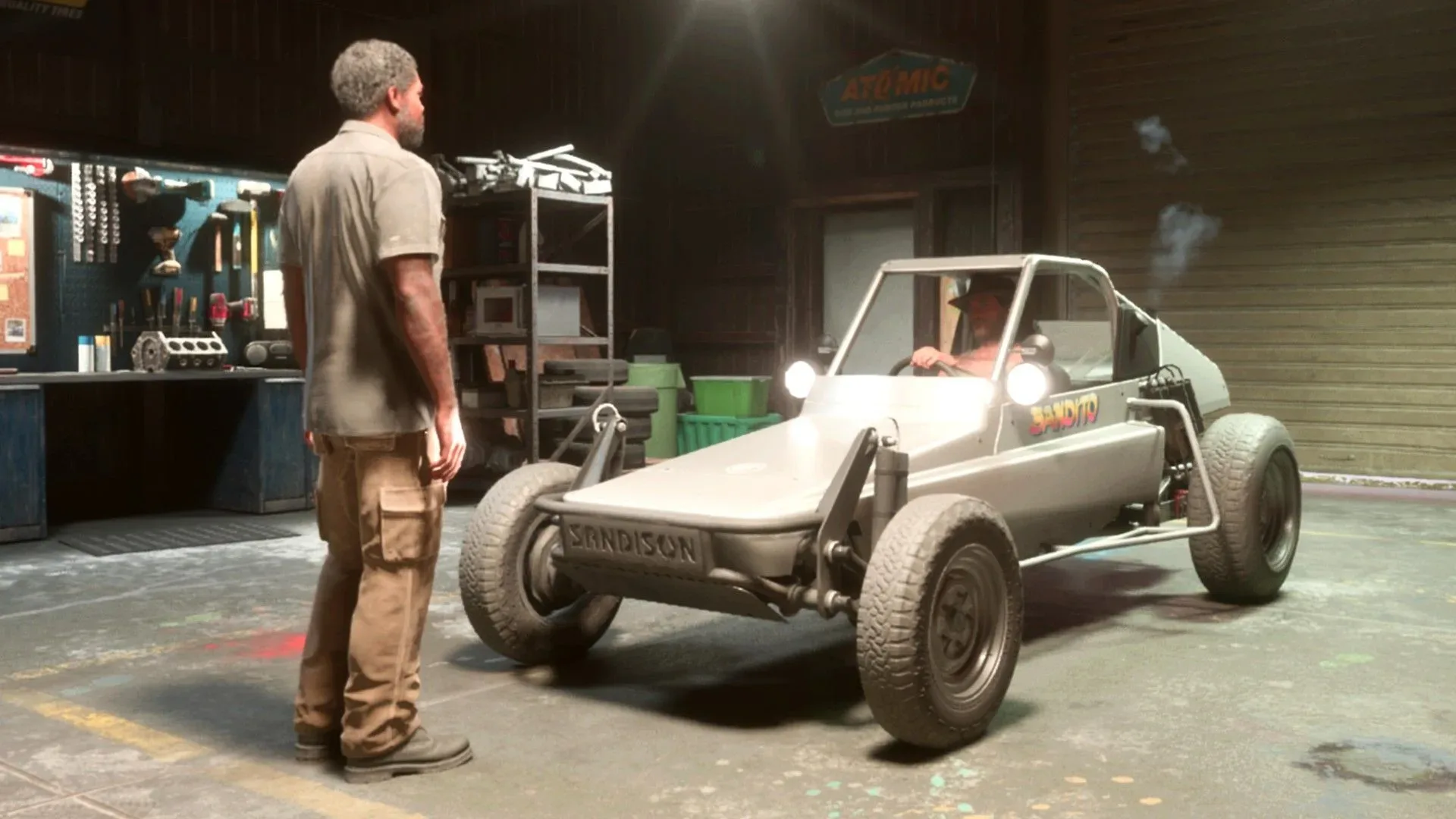
Players who are simply exploring the game itself can keep their attention on supported in-game objectives instead. For example, Joking Joystick’s guide to stopping and stealing Moses’ moving BF Bandito focuses on a specific Leonida challenge rather than the uncertainty surrounding unofficial PC experiments.
The immediate story is therefore less about a surprise PC breakthrough than it is about how fragile such an effort can be. Leonida appeared to make visible progress toward booting GTA 6 on PC, but its public infrastructure vanished and its creator withdrew before that progress could become anything resembling a finished project. Other teams may continue to pursue the same technical goal, yet their reported results still describe partial functionality and major failures—not a usable PC port.