
Logitech says it will give employees the option to take time away from work for major video game launches through a new perk called Logi Game Day. The initiative arrives in the run-up to Grand Theft Auto 6, a release expected to draw extraordinary attention, but the company’s framing is broader than one game: it presents playing games as an activity that can sit alongside, rather than in opposition to, productive work.
That is a notable change in tone from the familiar idea that games are automatically a distraction. Logitech’s chief executive officer, Hanneke Faber, said the company wants to move beyond the “waste of time” stereotype, arguing that engagement in work and play can support one another. For a company that makes products for both spaces, Logi Game Day is an unusually direct effort to apply that belief to its own workforce policy.
What Logitech has said about Logi Game Day
The available details describe Logi Game Day as an option for employees to take time off around video game releases. Logitech has not outlined eligibility rules, the amount of leave involved, how frequently it may be used, or whether the time comes from a distinct leave allocation or another existing time-off process. Those practical details matter, so it is best to view this as an announced employee perk rather than assume a universal paid holiday for every launch.
Its rationale rests in part on internal research cited by Logitech. The company said 81% of gamers in that study believe gaming builds real-world confidence, reduces anxiety and is associated with stronger day-to-day work performance. It also pointed to a separate survey in which 98.8% of enterprise IT decision-makers said gaming translates to workplace skills, including problem-solving and performing under pressure.
Those numbers report what respondents believe; they should not be read as proof that every game, every player or every workplace receives the same benefit. Self-reported surveys are useful for showing attitudes, particularly when a company is explaining why it is trying a policy, but they do not by themselves establish a direct cause-and-effect relationship. Logitech’s argument is therefore principally a cultural and workplace one: its employees and business-focused technology respondents see transferable value in gaming, and the company is choosing to act on that view.
What “transferable skills” means here
Transferable skills are abilities used in one setting that may be applied in another. In Logitech’s examples, that includes solving problems under constraints, responding to pressure and coordinating with other people in online play. A competitive racing game can ask a player to refine decisions repeatedly in pursuit of a faster lap; a cooperative multiplayer match can demand communication and role awareness; a sprawling single-player game can reward planning and persistence.
That does not mean strong in-game performance automatically makes someone strong at a job. Workplaces involve their own responsibilities, tools and standards. The more limited claim is easier to understand: games can provide situations in which people practice certain habits, and those habits may be useful elsewhere. Logitech G general manager Robin Piispannen made that connection explicitly, citing games including GTA 6, Call of Duty: Modern Warfare 4 and Forza, along with online team play, as examples of activities that can sharpen skills relevant to problem-solving.
A GTA 6-sized test case for launch-day leave
The timing makes GTA 6 the obvious early focal point. Logitech G is scheduled to hold a livestreamed event from its San Jose headquarters on November 19, hosted by Piispannen. That date is described as coinciding with the game’s release day, though the precise contents of Logitech G’s event have not been detailed.
Related coverage includes Logitech Introduces Game Day Leave for Employees Ahead of GTA 6 Launch.
For employers, launch-day leave is usually a simple scheduling matter: someone uses approved time away from work. What changes here is the acknowledgement of the reason. Rather than treating a major game release as something employees need to quietly work around, Logitech is making room for it under an explicitly game-focused label.
That could be especially relevant for a release of this scale. The game is nearing launch, preloading is available, and its publisher has not released preorder totals. Its parent company, Take-Two Interactive, has said preorders are far above expectations. Interest is substantial enough that many players are expected to seek launch-day time off, while businesses and organizations in some countries are reportedly promoting ways to do so.
There is a practical distinction worth keeping in mind. Preloading means downloading game files before release so that a player can begin closer to the time the game unlocks, rather than starting a potentially lengthy download at launch. It is not the same as playing early. For people planning a day around a huge release, preloading, available storage space, an updated console or PC, and a sensible download plan may matter as much as the leave itself.
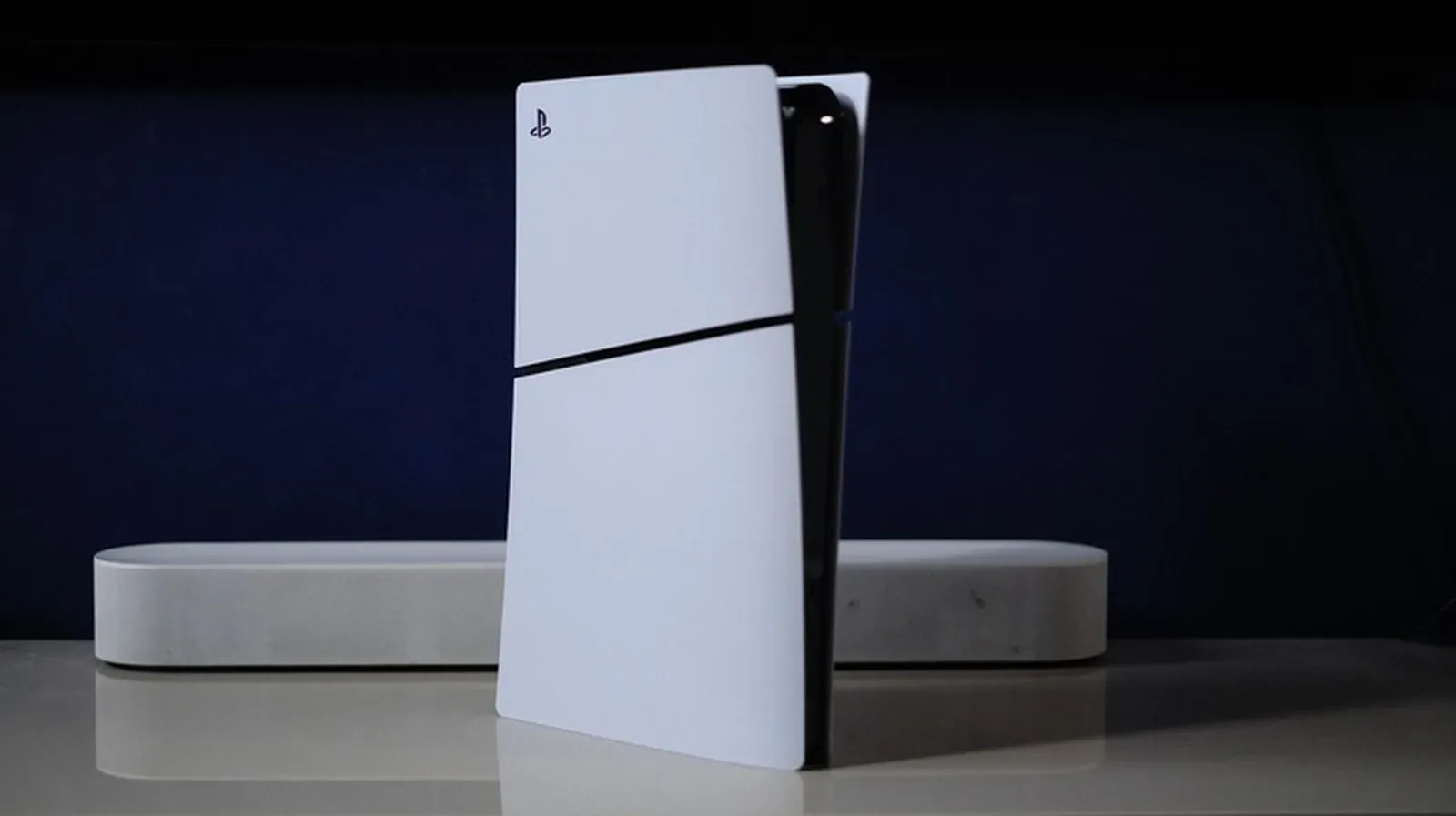
Console owners also have a choice about how their systems handle those updates and downloads. Players weighing convenience against power use can consult this guide to PS5 Rest Mode and full shutdown. The right option depends on individual preferences and setup, but planning ahead may help avoid spending a long-awaited day off staring at a download screen.
Why the policy matters beyond a single launch
Logi Game Day is less significant because it declares one particular game important and more significant because it legitimizes gaming as an ordinary personal interest worthy of workplace flexibility. Employees have long used leave for entertainment, travel, family occasions and personal projects. Naming a game-release use case makes the policy visible to people who may otherwise worry that requesting time for play will be judged differently.
It also reflects a useful distinction between endorsing a hobby and demanding that everyone share it. Logitech’s language presents game time as a choice. A voluntary perk has room for the employee who wants to spend a release day in Vice City, the racing player chasing a marginally faster lap, the multiplayer group making plans together, and the employee with no interest in games at all.
For managers, the sensible implication is not that gaming should be treated as a substitute for rest, professional development or normal staffing plans. It is that transparent leave procedures can reduce unnecessary awkwardness around a predictable period of demand. If time off is available, early requests and clear coverage expectations remain important, especially when a large number of people might want the same day.
The limits of the announcement
There are still unanswered questions. Logitech has not publicly detailed whether Logi Game Day applies company-wide, how requests will be approved, or whether employees can use it for any release they choose. Nor has it described what success would look like over time. The cited surveys explain why the company believes the concept has merit, but they do not reveal how the policy will work in every team or location.
Those caveats do not erase the core development. Logitech is openly connecting its work-and-play identity to an employee benefit and doing so just as one of gaming’s biggest anticipated launches approaches. Whether other employers follow that example will depend on their own leave structures and cultures. For now, Logi Game Day stands as a conspicuous signal that a blockbuster game launch can be treated as a legitimate reason to schedule personal time—not an excuse employees must disguise.