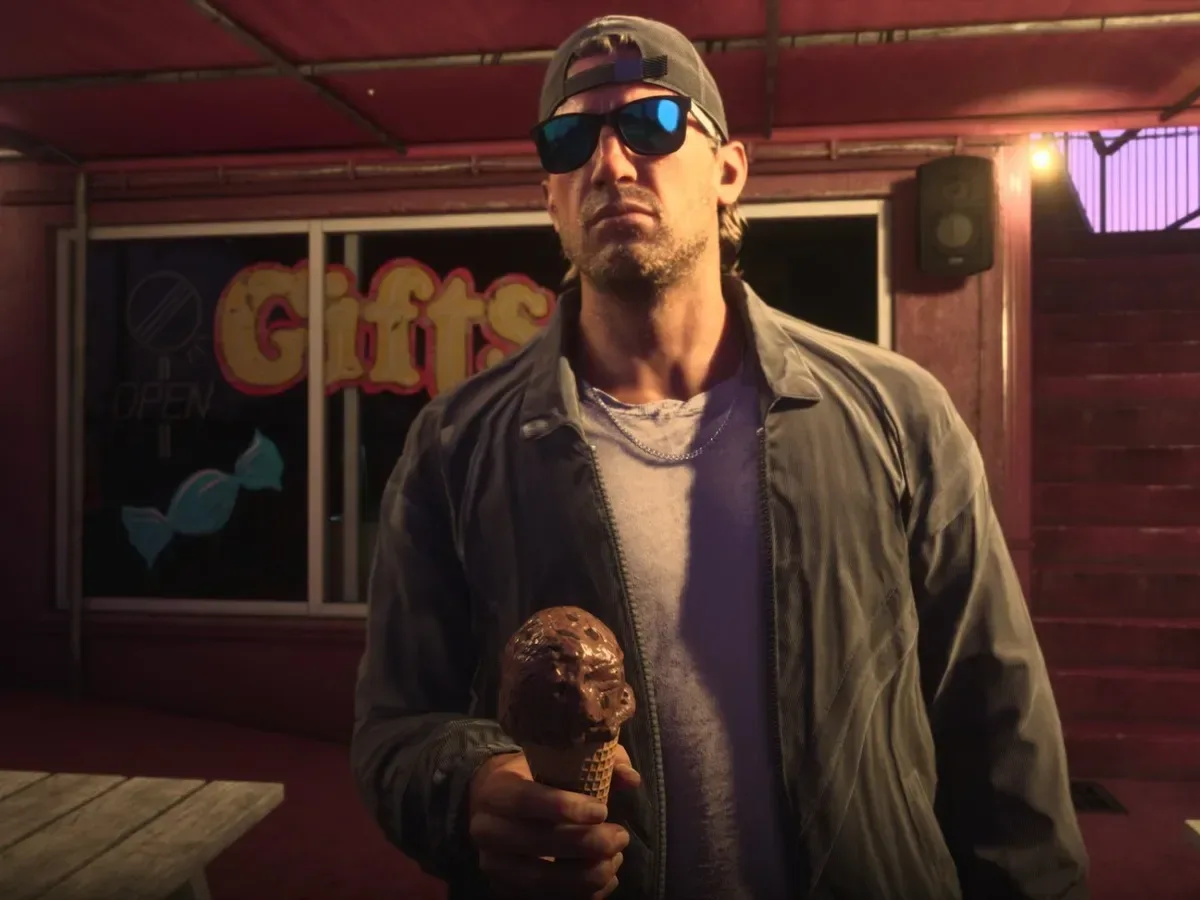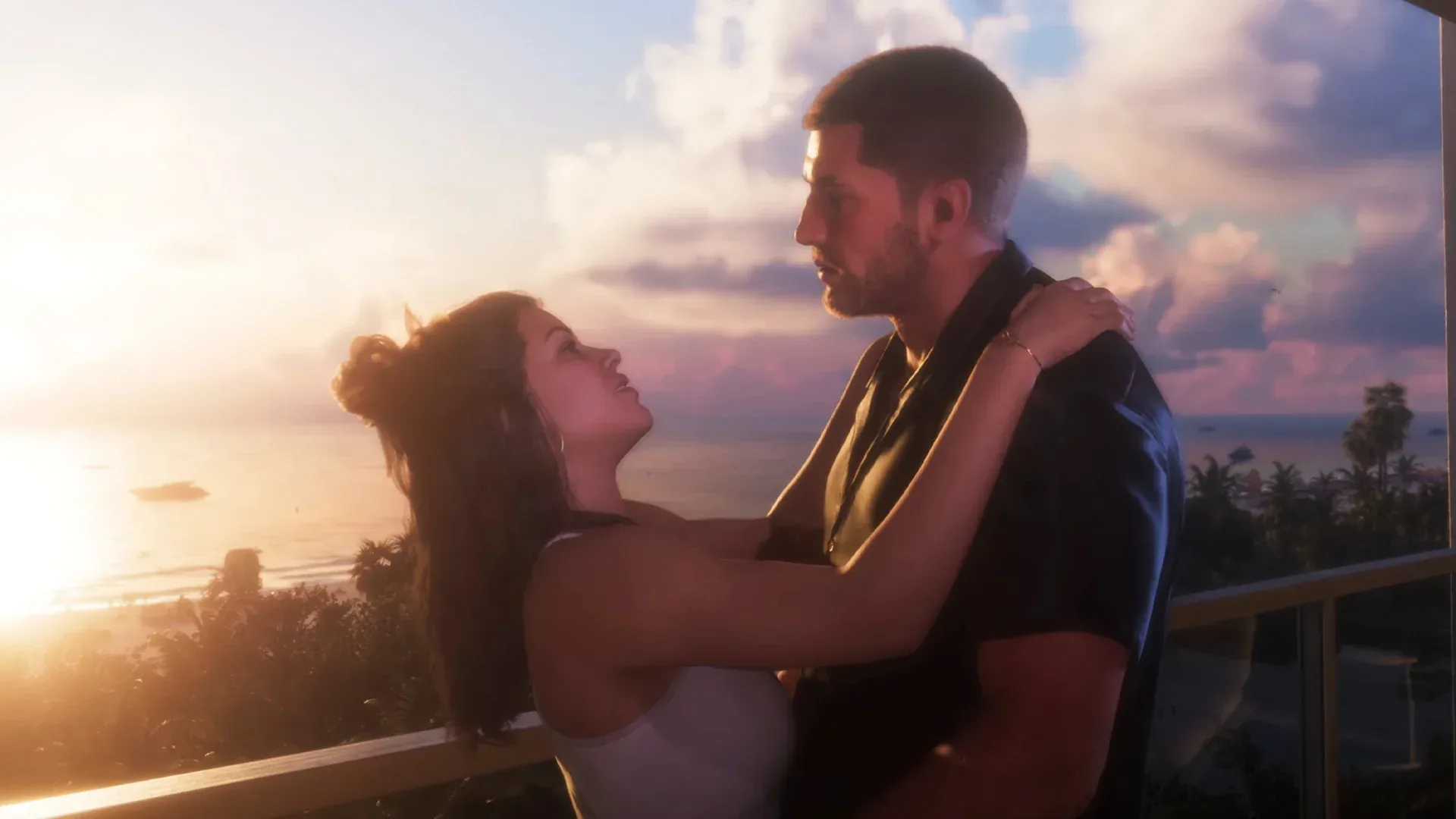
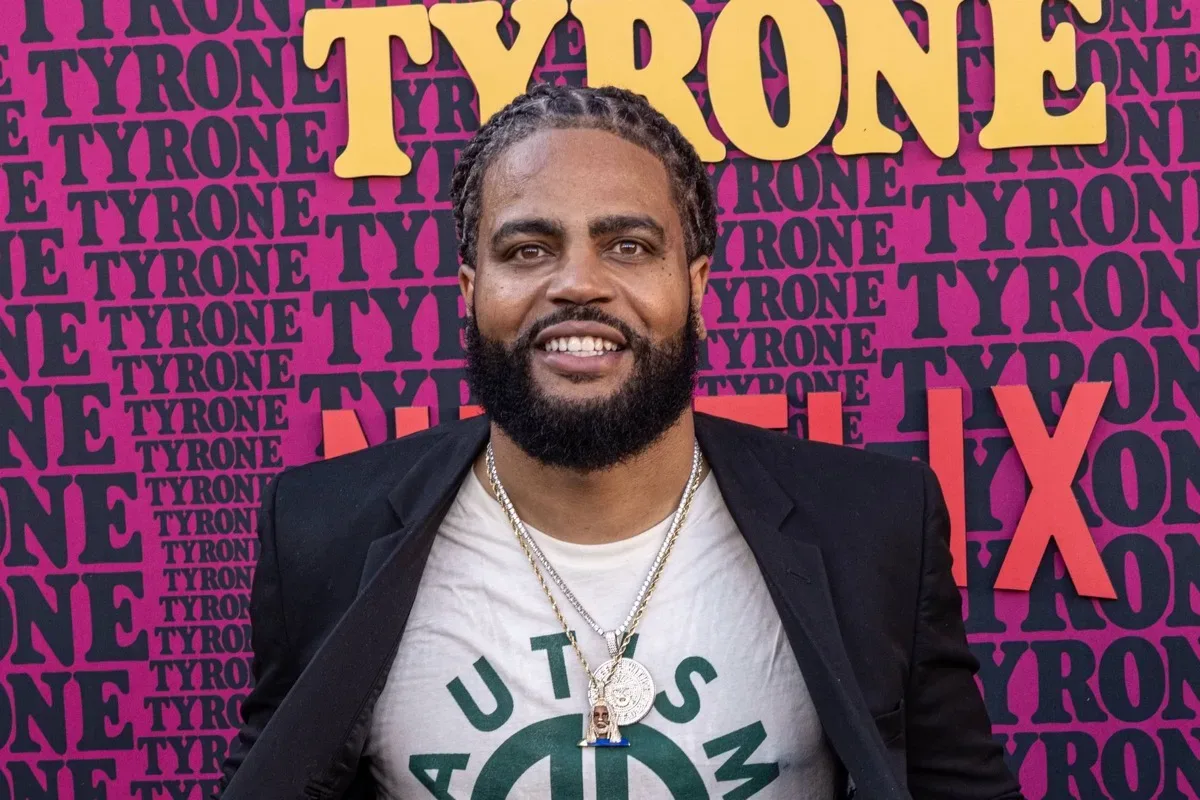
Kia Shine has described a particularly distinctive part of working on Grand Theft Auto VI: before audiences could identify his voice in a trailer, he had to shave off his beard and mustache, work through repeated performance-capture line readings, and keep the project’s identity to himself.
The rapper and actor said the work was presented to him as a Rockstar Games assignment rather than explicitly as Grand Theft Auto. That distinction is a useful illustration of how major game productions can protect sensitive details during development. Performers may know the studio they are working with and the material required for a session, while the finished game, their character, or the broader context remains undisclosed until much later.
“They don’t tell you it’s Grand Theft Auto,” Kia Shine said. “They tell you it’s Rockstar Games.”
His account does not identify the character he plays or explain the extent of the role, and neither detail should be assumed from his appearance in promotional material. What it does offer is a glimpse into the practical, sometimes unglamorous work behind an enormous open-world release: physical continuity requirements, recorded movement, repeated dialogue, direction, and a confidentiality process that can continue long after the booth or capture stage has gone quiet.
A clean shave for performance capture
Kia Shine said he removed all of his beard and mustache for the assignment. It was a visible change at home as well as at work; he said his daughter wanted the beard to return after seeing him clean-shaven.
The request makes sense in the context of performance capture, though the specific production reason has not been detailed. Performance capture is the recording of a performer’s physical and vocal work for use in a digital production. A headset can be used to record facial movement or reference a performer’s face while body movement is captured through other stage equipment. The material then gives artists and animators a basis for bringing a digital character to life.
Facial hair can complicate the visibility or consistency of facial reference and tracking, particularly when a production needs clean, repeatable readings of expressions around the mouth and jaw. That is an explanation of the general production logic, not confirmation of Rockstar’s exact technical setup. Kia Shine’s direct point is simpler: shaving was a requirement of the job, and the change was total enough to become a family talking point.
That small detail also cuts against the idea that an on-screen or voice-performance role is merely a brief cameo recorded at a microphone. The work Kia Shine describes involved preparation and direction that extended beyond dialogue alone. The performer’s face, movement and presentation mattered to the process.
Related coverage includes Kia Shine Details Shaving, Secrecy and Performance Capture for GTA VI.
What repeated reads reveal about the work
Kia Shine described wearing a headset that recorded his movements and delivering lines repeatedly until a director was ready to move on. In conventional acting language, a “take” is one attempt at a scene or line. In performance capture, multiple takes can give a director choices in pacing, emphasis, physicality and expression, while also allowing the team to maintain continuity with material already recorded.
The key word in his account is not simply “recorded,” but repeated. A line might need another pass because the delivery changes, because the movement needs to match, or because the director wants a different version for the scene. Kia Shine did not describe the creative instructions he received, the number of sessions, or the material’s final placement. Still, the account makes clear that this was directed performance work rather than a one-off voice submission.
That matters for players trying to understand how recognizable artists fit into games of GTA VI’s scale. Recording artists can contribute in more than one lane. They may be heard in the soundtrack, provide a character performance, or both. Rockstar has also described an Atlantic Records soundtrack partnership involving 34 original tracks, while Kia Shine’s comments concern character-performance production rather than that music rollout.
In short, a song placement and a performance-capture role are separate kinds of contributions. One is recorded music intended for the game’s soundtrack ecosystem; the other is acting material created under a director for a character or scene. Treating every musician associated with the game as a confirmed radio artist—or every voice as a named, player-facing character—would flatten those differences.
Secrecy was part of the assignment
Large games are built over lengthy development cycles involving actors, musicians, artists, technical teams and outside partners. Kia Shine’s description suggests that confidentiality was not an incidental condition attached to GTA VI work; it shaped what he was told about the project in the first place.
There is a practical reason for that kind of compartmentalization. A game’s title can immediately disclose genre, setting, commercial stakes and story expectations. Keeping the precise project name out of a performer’s initial description can limit what is available to discuss publicly. It also means a person may be able to say they have worked with a studio without being able to identify the production that eventually uses the work.
Kia Shine’s experience produced an especially modern version of that reveal. He said his son recognized his voice in a trailer, prompting him to watch it himself. The detail is striking because it suggests the public-facing campaign supplied confirmation that private production work had withheld.
It is also a reminder of the limits of voice recognition. A listener recognizing a familiar voice does not, by itself, reveal character names, screen time, narrative importance or whether a performance appears in the final release exactly as it was originally recorded. Trailers are promotional material, and the safest reading is the narrow one: Kia Shine says his voice was identifiable to his son in one.
From Memphis music work to game performance
Kia Shine’s route to GTA VI was not framed as a sudden jump from music into games. He said the opportunity followed prior work on Red Dead Redemption 2 in 2018. For the newer Rockstar project, he said his agent reached out and that he booked the job in May of the previous year.
His professional background reaches further back into music production, artist development and recording. Kia Shine has discussed selling beats in New York, a path that led to a Ruff Ryders production deal and a publishing agreement with Universal. He later reinvested in a Memphis company, Rap Hustlers Music, which he ran with Jack Frost.
The company’s roster included Yo Gotti, La Chat, Skinny Pimp and Gangsta Blac. That experience places Kia Shine’s GTA VI work within a broader career built around helping shape recordings and artists, not only performing his own music. His tracks “Krispy” and “Respect My Fresh” helped establish his solo identity, followed by the Universal/Motown album Due Season.
There is a meaningful difference between artist development and acting under a game director, but both demand responsiveness to a larger creative framework. A producer or label operator makes decisions about music and talent development; a performance-capture actor delivers material within the needs of a scripted scene, technical pipeline and director’s notes. Kia Shine’s description shows the latter discipline in action: arrive prepared, follow the technical requirements, repeat the work, and wait to learn when—or even whether—the audience can connect the performance to the project.
What is confirmed about GTA VI
Rockstar has set GTA VI in Leonida and described its central setup as Jason and Lucia becoming entangled in a criminal conspiracy. The confirmed platforms are PlayStation 5 and Xbox Series X|S, with Rockstar listing November 19 as the release date.
For readers following the practical side of the release, the confirmed GTA VI launch settings information is a separate question from the game’s cast and production process. Kia Shine’s comments add a human-scale production detail to a project often discussed in terms of trailers, platforms, world design and music: someone’s facial hair had to go, scripts had to be performed again and again, and a performer’s own family got an early hint only when a trailer reached the public.
For now, the responsible takeaway is not to assign Kia Shine an unconfirmed character or build story theories around his voice. His comments substantiate his involvement and describe the conditions of that work. They also show why major game credits can be more complex than a list of famous names: the path from a recording session to a trailer, and then to a finished game, can be carefully controlled at every step.