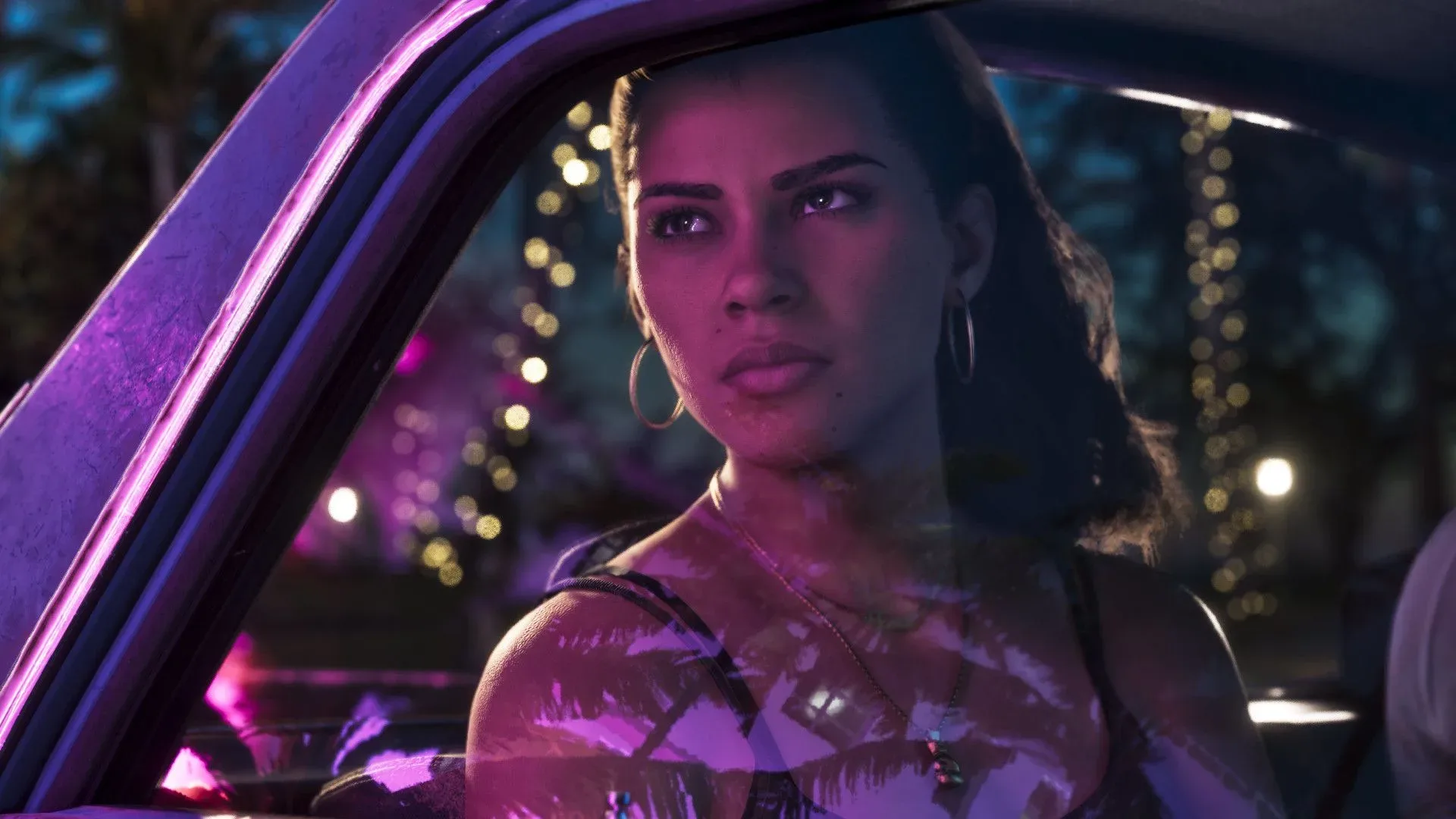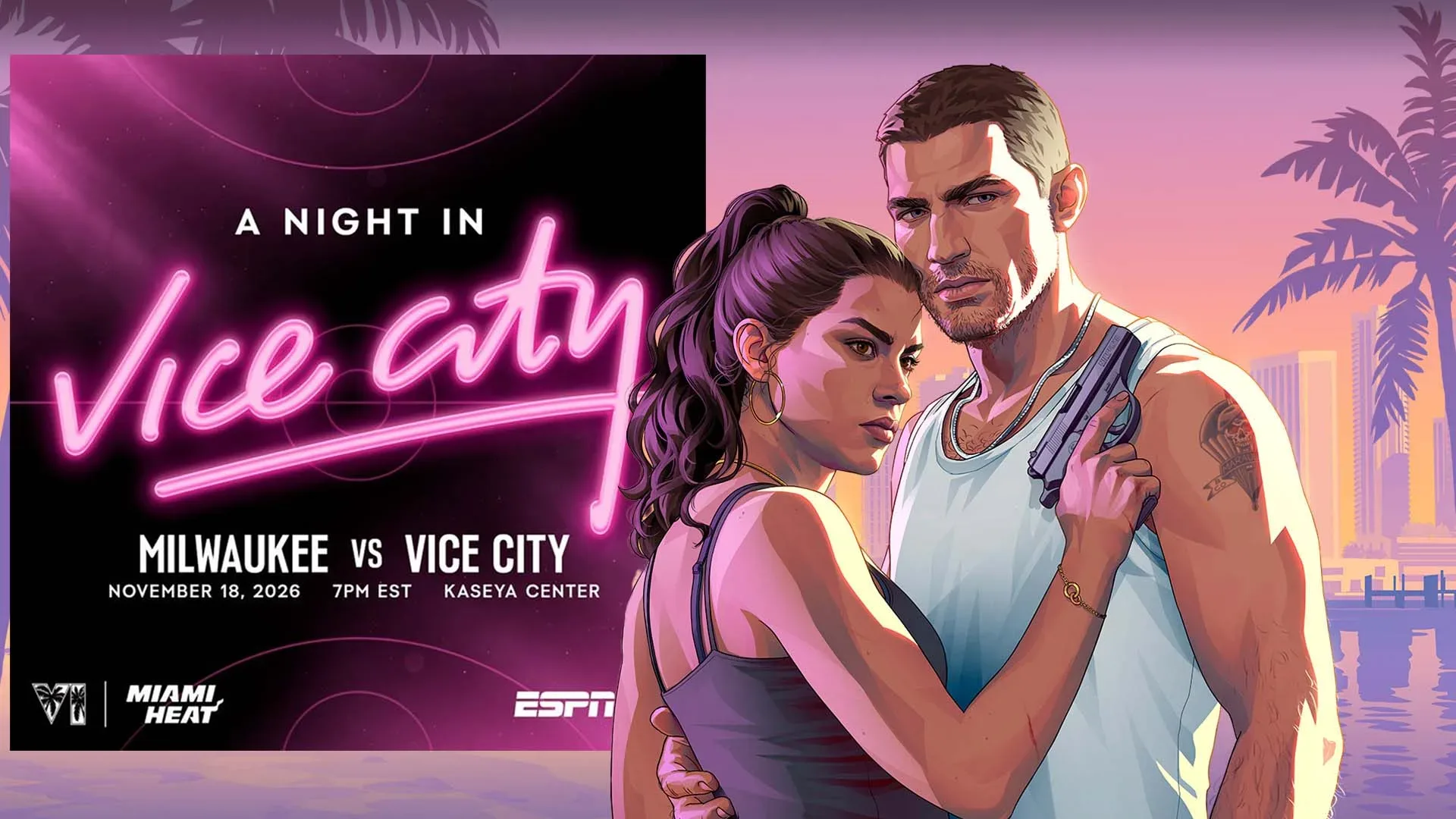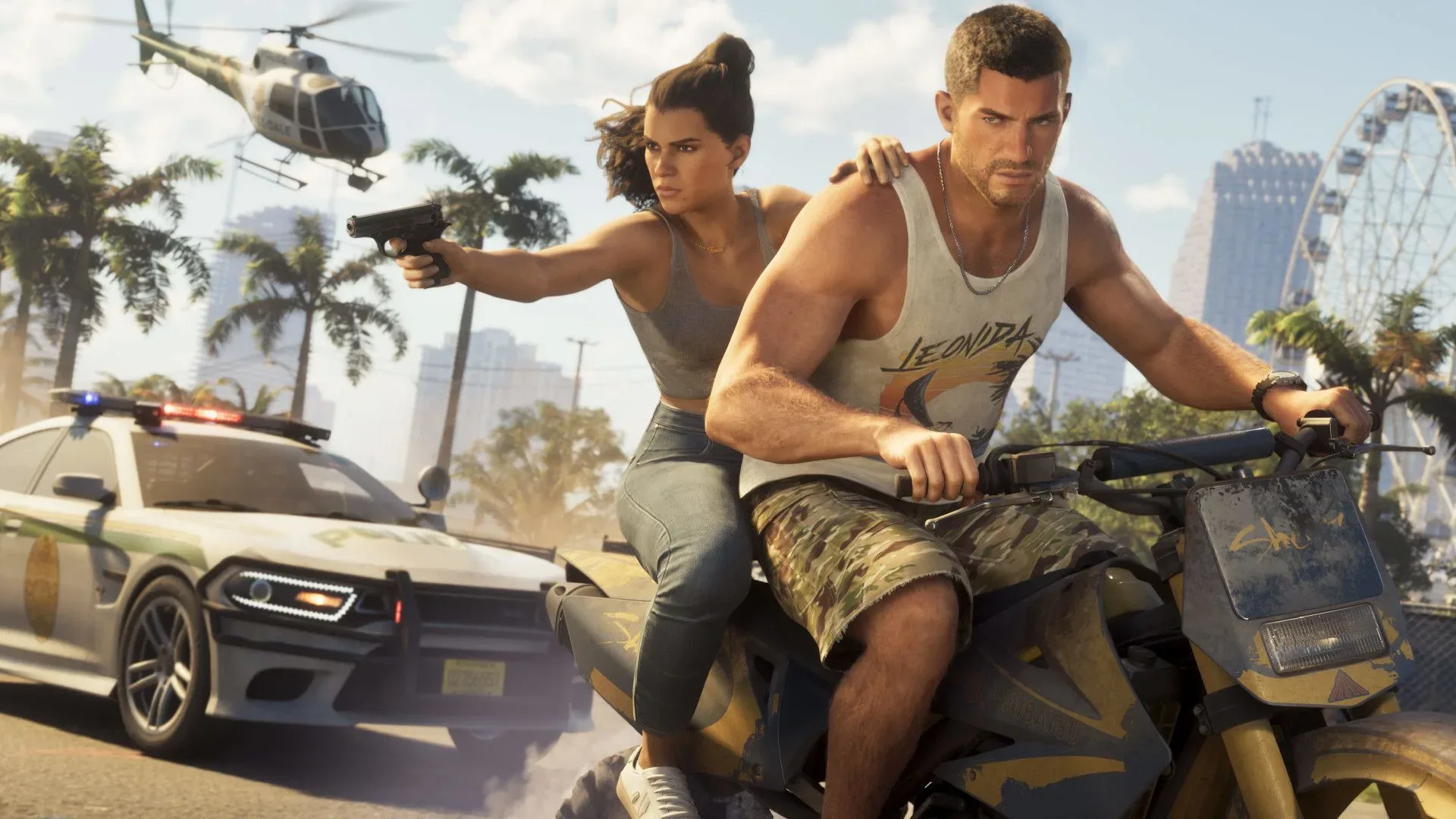
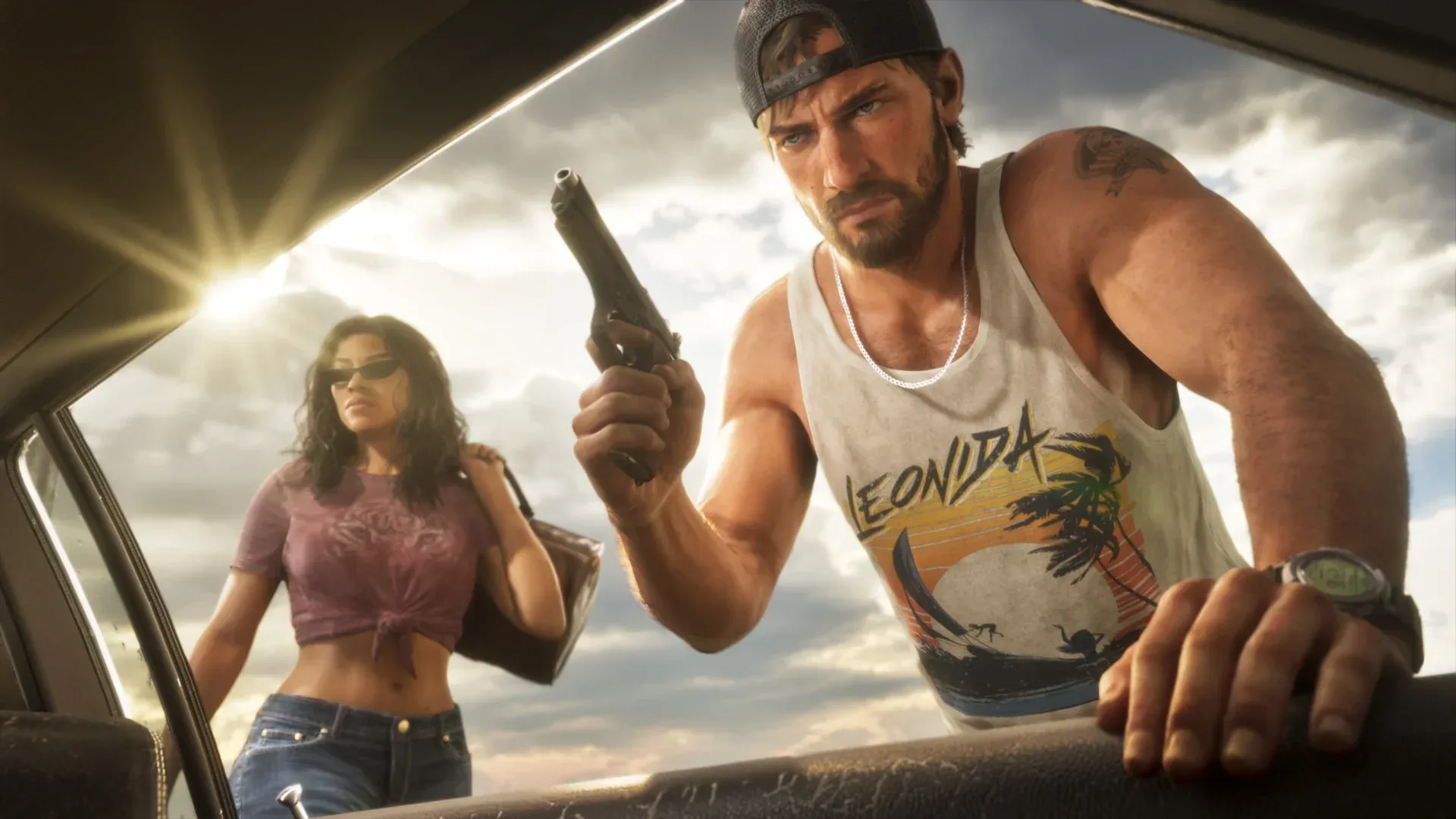
Grand Theft Auto 6 appears to have held back far more of its story than years of trailer analysis may have suggested. A post-completion comparison of the game’s released promotional material against the finished campaign concludes that about 75% of the footage shown across its teasers, trailers, gameplay presentation, launch trailer and pre-load video comes from the prologue and first two chapters.
That distinction matters for players who watched every frame repeatedly, paused shots for clues, and tried to assemble a complete narrative from Rockstar’s marketing. Much of what may look like a broad sampling of GTA 6 is instead concentrated near the beginning of the game. The later campaign, including major surprises and memorable sequences, was reportedly kept mostly outside the public-facing footage.
The assessment was made after more than 135 hours with GTA 6, including completion of its story and most optional side missions. It involved revisiting the first trailer, second trailer, extended gameplay trailer, launch trailer and the pre-load trailer, then noting whenever a clip could be tied to a point later in the game. It is an informed comparison rather than a developer-issued breakdown, so the 75% figure should be understood as an estimate. Still, its central finding is straightforward: viewers familiar with the trailers have primarily seen the setup, not the campaign’s full arc.
Early chapters carry the promotional load
The first and second trailers reportedly draw almost entirely from GTA 6’s earliest material. That means their scenes, character encounters and mission glimpses may become recognizable quickly for players who have studied the marketing closely. Familiarity in those opening hours is therefore not necessarily a sign that the game has already shown its hand.
The extended gameplay presentation and subsequent videos are said to include a somewhat wider spread of footage, with select material from later missions and cutscenes. Even so, those later glimpses were apparently chosen with restraint. The footage may communicate tone, world activity, character dynamics and the kinds of situations players can expect without openly spelling out the context, consequences or progression surrounding those moments.
That is an important difference between a spoiler and a fragment. A trailer can show a chase, confrontation, location or line of dialogue without explaining why it happens, who is involved, what came beforehand or what follows next. For an open-world crime game, context is often the part that turns an isolated spectacle into a meaningful plot development. The reported footage selection seems designed to protect precisely that context.
Trailer continuity is not always story continuity
Players trying to reconstruct GTA 6’s narrative from its videos should also be cautious for another reason: some trailer scenes reportedly differ from their final in-game counterparts. The comparison identified instances where a character had been removed from a cutscene or mission moment, or where an event was presented in a different location.
This does not automatically mean every discrepancy points to a major rewrite. Promotional editing can remove people, rearrange shots, isolate dialogue, or alter framing simply to avoid disclosing information. Development changes can also account for differences between an earlier asset and the retail game. The practical lesson is the same in either case: trailer footage is not a dependable chronological map.
Related coverage includes GTA 6 Trailers Kept Most of the Game’s Biggest Moments Hidden.
Promotional editing is the process of shaping footage for a trailer rather than presenting an event exactly as it plays in the final work. In a story-driven game, it can involve cutting around a character’s presence, using a line over a different visual, changing the order of shots, or selecting a less revealing angle. Such edits help preserve surprise, but they also make fan theories built exclusively on trailer continuity fragile.
That is especially relevant when a game has been marketed over an extended period. Viewers may remember specific clips in extraordinary detail and naturally assign them a place in an imagined timeline. But a clip can be real while the timeline inferred from it is wrong. A late-looking image can belong to an early mission; an apparently decisive meeting can be stripped of the detail that explains it; and a scene may have changed by release.
What this means for spoiler-conscious players
For anyone who avoided trailers because they wanted to enter GTA 6 with as little knowledge as possible, this report offers some reassurance. The marketing appears to reveal portions of the opening, but not the bulk of the story’s larger turns. People who watched the official videos are likely to encounter a few familiar early scenes, yet still have substantial territory and narrative developments left undisclosed.
It also provides a useful way to set expectations during the first chapters. Recognizing a location, a mission setup or a snippet of dialogue does not mean the rest of the game will be equally predictable. If the estimate is broadly accurate, the trailers front-loaded early-game material precisely to establish the game’s premise and atmosphere while leaving later escalation unexplained.
- If you watched every trailer: expect some opening moments to feel familiar, particularly material associated with the prologue and first two chapters.
- If you are avoiding spoilers now: the greater concern may be newly circulating player discussion and clips rather than the older official marketing videos.
- If you are revisiting old footage: avoid treating character placement, locations and shot order as conclusive evidence of the final narrative sequence.
- If you are beginning the campaign: early recognition should not be mistaken for a preview of the game’s entire scope or its biggest story developments.
A focused campaign launch, with plenty still unknown
GTA 6 is available on PlayStation 5 and Xbox. Its release arrives with the campaign taking center stage; as previously reported, the game launched as a solo experience while an online mode remained unconfirmed. That makes the preservation of story material in the initial marketing especially notable: the first playthrough is positioned as a central part of what players are buying into.
There is a practical benefit to that restraint beyond simply preventing plot leaks. Marketing for a huge open-world game has to show enough to establish its identity and generate excitement, yet too much late-game footage can flatten the sense of discovery that makes a long campaign compelling. The reported balance here leans toward showing the opening premise and the game’s surface-level energy while reserving the more consequential material for players.
Of course, restraint in trailers does not make a game immune to spoilers after launch. Once a title is available, social feeds, thumbnails, clips and casual discussion can reveal details that a studio carefully avoided for years. Players who want the clearest possible first experience may still want to mute keywords, avoid video recommendations, and be selective about searches related to missions or characters. Those are general spoiler-management steps, not claims about any particular GTA 6 plot point.
Analysis: why the 75% estimate is more useful than a scene list
The value of the reported 75% figure is not that it produces a definitive accounting of every second of every trailer. Promotional footage often contains very short inserts, gameplay shots that are difficult to date precisely, and scenes whose final placement may have shifted. Instead, the number gives a sense of distribution: the available videos are heavily weighted toward the beginning.
That is more useful to many players than a detailed catalog of later-game clips, which would undermine the very spoiler protection the analysis identifies. A full mission-by-mission trailer index might satisfy theory-minded fans, but it would also tell new players exactly which events they should be anticipating. The broad conclusion avoids that trap. GTA 6’s marketing has shown a meaningful amount of the game’s opening flavor, but it has reportedly not exposed most of the campaign’s major payoff.
For trailer analysts, the clearest takeaway is methodological. Treat official footage as evidence of mood, mechanics and early setup—not as a complete plot outline. Scenes can be edited, characters can be omitted, and locations can be altered. The finished game is the authoritative version of its sequence of events, while trailers are curated invitations to that game.
For everyone else, the message is pleasantly simple: seeing the trailers has not necessarily ruined the ride. Some opening hours may contain the anticipated images. Beyond that early familiarity, GTA 6 reportedly still has plenty it has kept to itself.