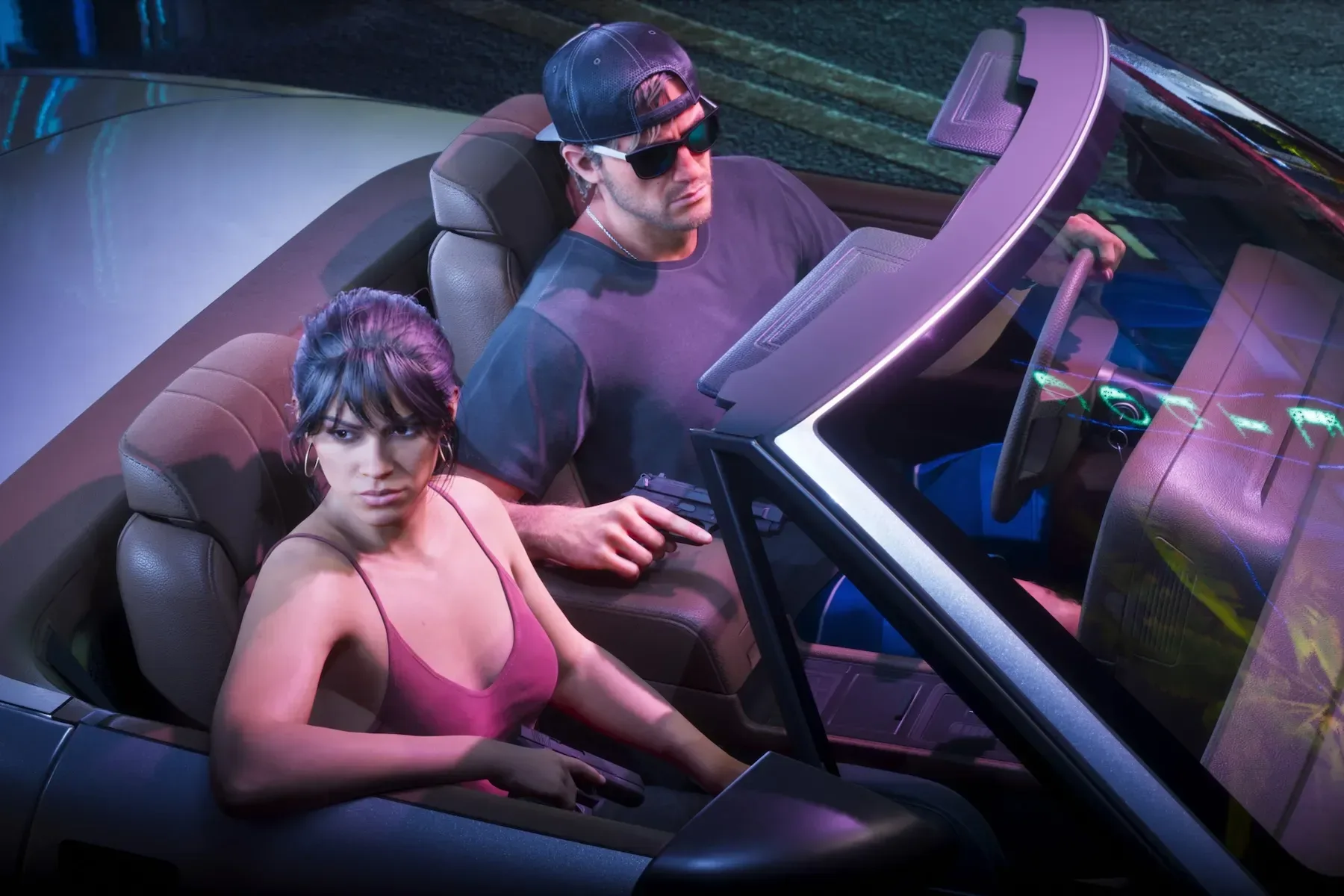
A Grand Theft Auto movie or television series remains possible in the narrowest sense, but it is far from an automatic next step for one of gaming’s biggest properties. Take-Two Interactive CEO Strauss Zelnick has again made the company’s position clear: an adaptation would need to clear a demanding creative threshold before it moved forward.
That distinction matters in the wake of Grand Theft Auto 6. A new mainline GTA release naturally invites speculation about a Hollywood extension, particularly when the series already has an expansive fictional setting, satirical tone, recognizable criminal-world stakes and characters at the center of its newest story. But the company’s stated approach is not to treat film or television as an inevitable reward for commercial success.
Zelnick said the company would only pursue a movie or show when its creative teams were genuinely passionate about the idea and believed it could engage and delight consumers. He also stressed that Take-Two is highly selective about extending its properties beyond their original medium because a poorly received project is always a possibility.
In practical terms, GTA’s immense visibility does not appear to make a screen deal easier. It may make the downside of the wrong deal more obvious.
Why a GTA adaptation faces a higher bar than a licensing opportunity
Intellectual property, often shortened to IP, means the characters, worlds, names, stories and other creative material a company controls. Licensing that IP can allow another party to make a product in a different category, including a film or series. But licensing is not the same as retaining direct control over the final work.
Zelnick’s comments frame that loss of control as a central concern. Even a globally known game franchise can be vulnerable when a different creative team, production process and medium take over. A game publisher can decide how to build and release its own games; a film or television project introduces many more variables, including scripts, casting, production decisions and the eventual audience response.
That is why the relevant question is not simply whether GTA has enough material for a movie. It plainly has a large fictional universe. The harder question is whether a film or series could offer something that the games do not already do better.
GTA has operated in gaming since the first title arrived in 1997. With GTA 6, the franchise is described as having six mainline entries. Its identity has been built around mature-rated crime stories, extreme violence and open-world play. Open world refers to a game structure that gives players broad freedom to move through a setting and choose activities, rather than placing them on a strictly linear route from one mission to the next.
Related coverage includes Why Grand Theft Auto Has No Movie or TV Adaptation.
That freedom is a major part of what distinguishes the games from a conventional screen narrative. A two-hour movie or episodic show could use the setting, but it could not reproduce the player’s role in deciding where to go, what to pursue or how to inhabit the world. An adaptation therefore cannot merely recreate the surface-level ingredients—cars, crime, a neon-lit city and sharp social satire—and assume that will preserve what players value.
GTA 6 already has a focused story inside a much larger world
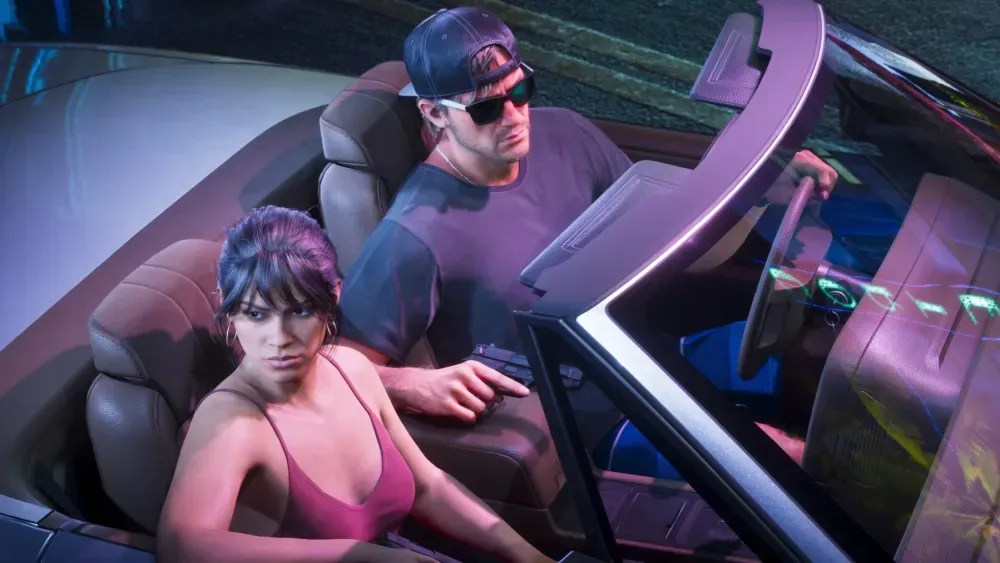
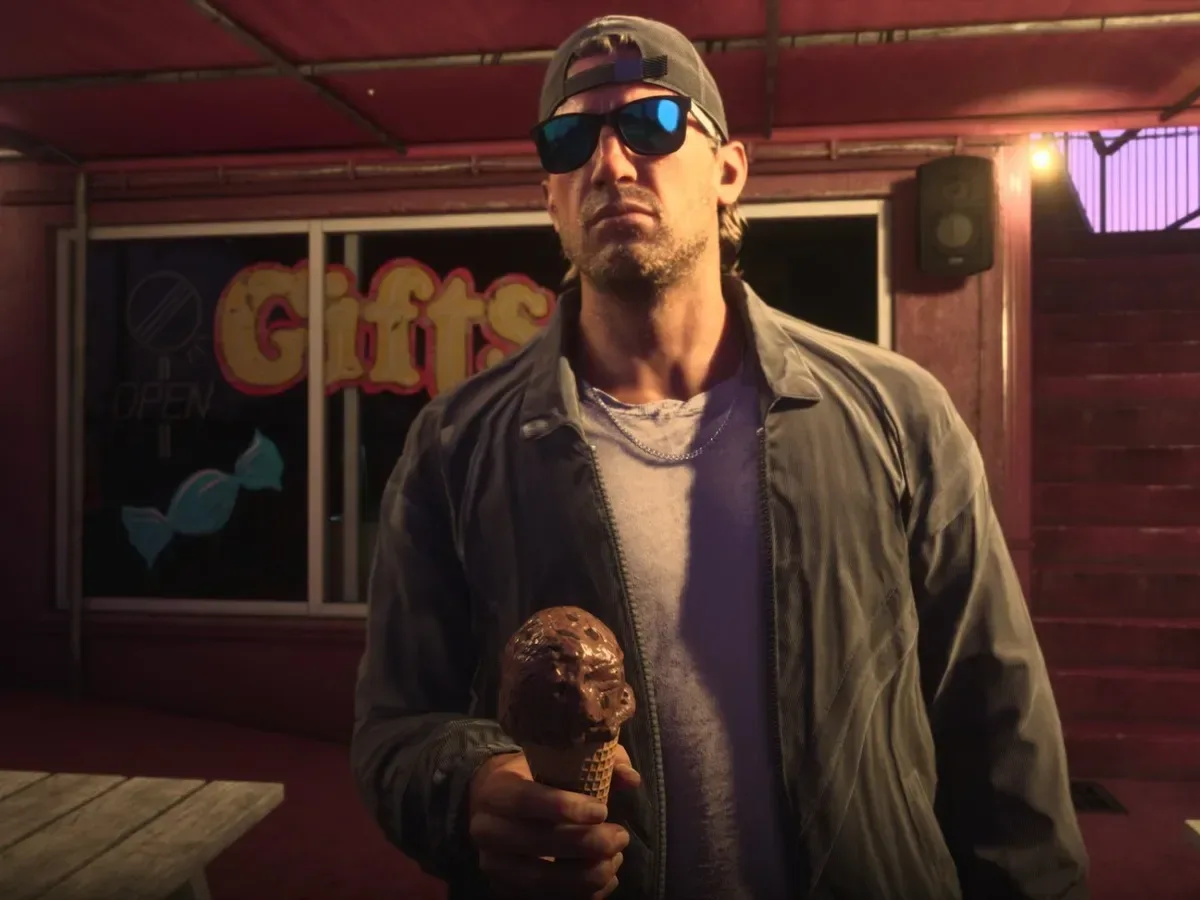
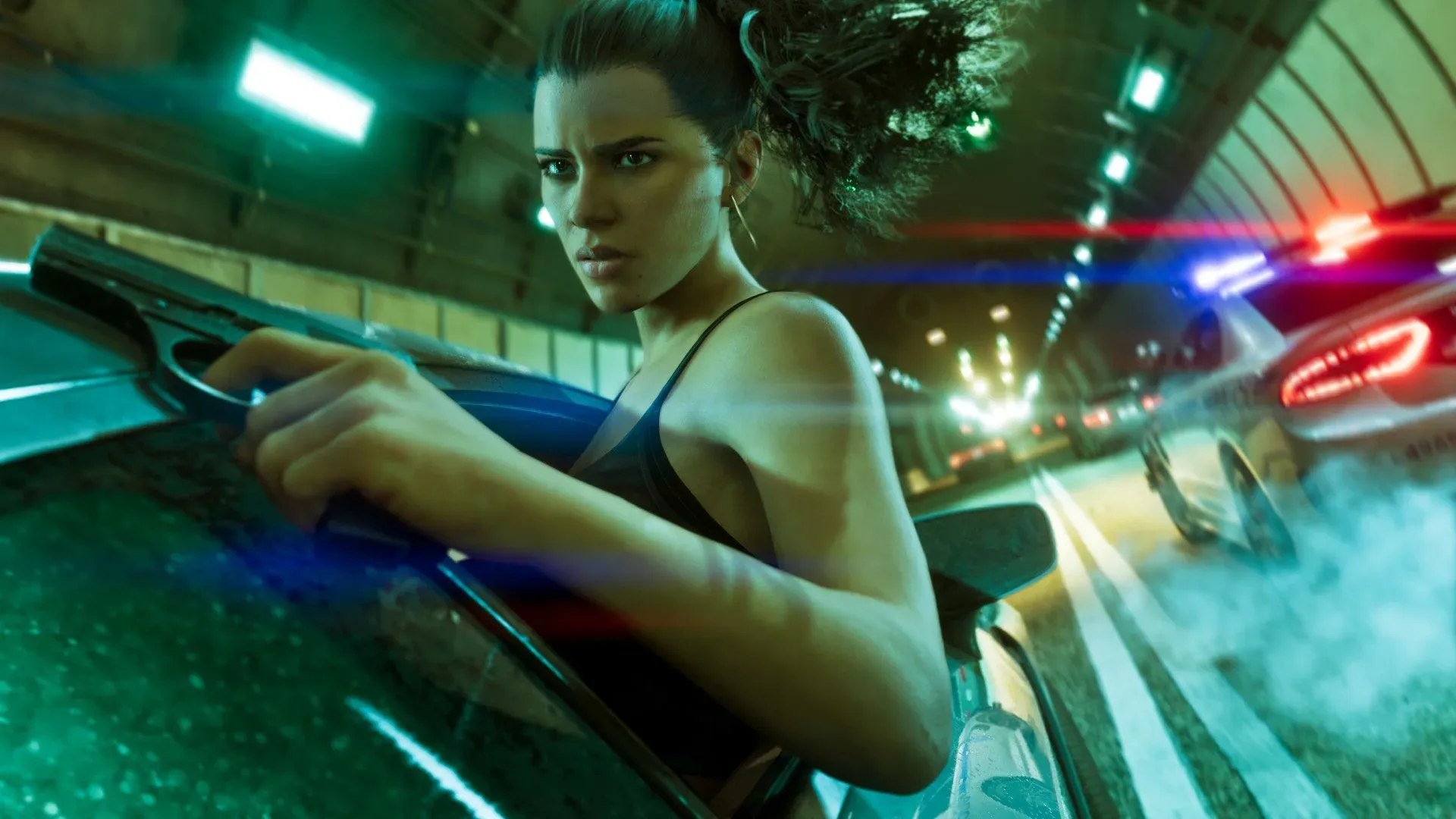
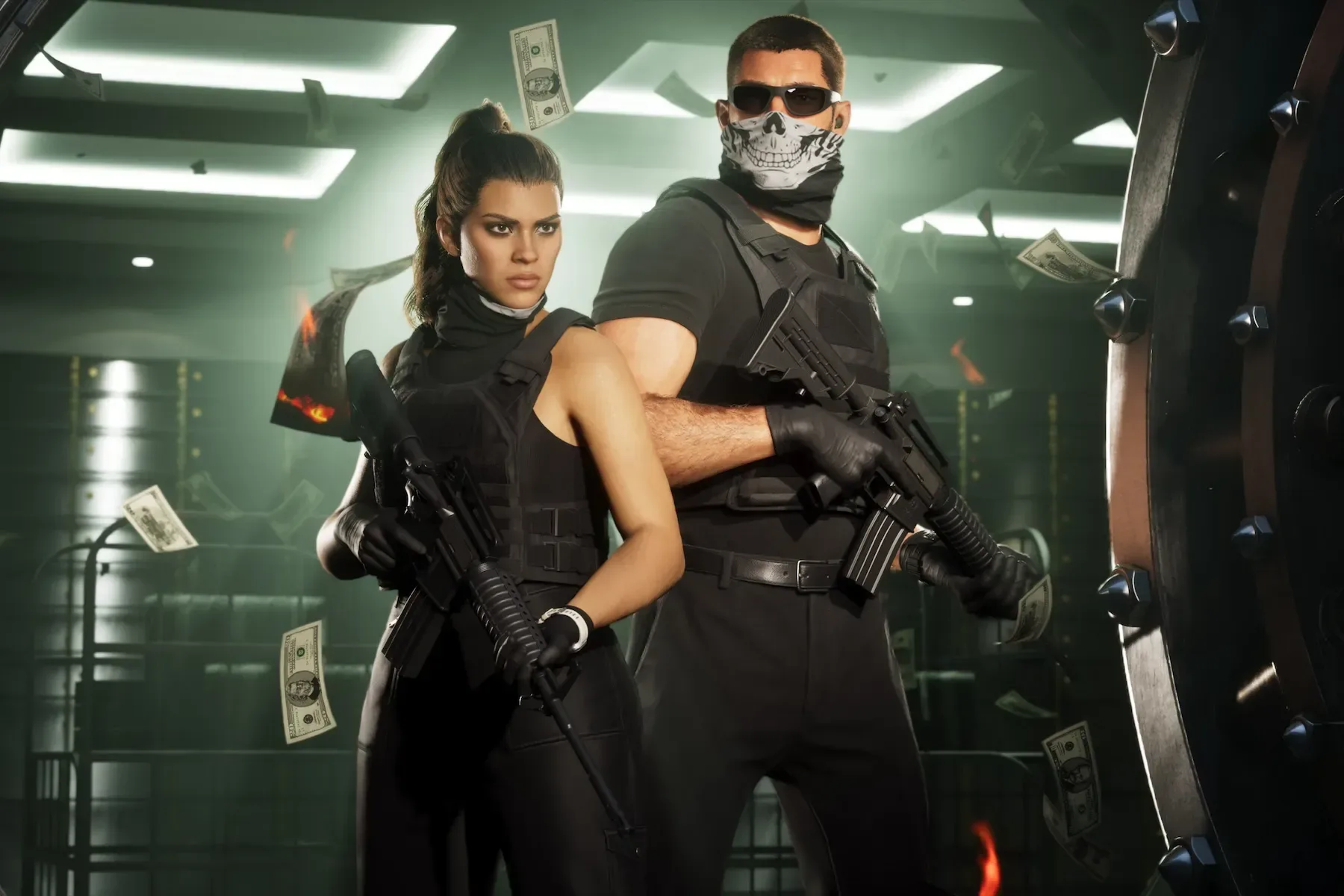
Grand Theft Auto 6 centers on Jason and Lucia, a criminal duo operating in the fictional Vice City. Their setup has been characterized as a Bonnie-and-Clyde-style partnership, which gives the game a readily understandable dramatic engine: two people bound together by crime, pressure and whatever ambitions they share.
That premise could sound tailor-made for screen adaptation. Yet it is also a reason to be cautious. If the game is already telling the Jason-and-Lucia story in its intended form, an adaptation would need to justify why it should retell that material rather than allow the game to stand as the primary version. A direct retread risks being redundant; a major departure risks using the GTA name while moving away from what made the game compelling.
The other option would be to tell a separate story in the same universe. That can avoid compressing or duplicating a game narrative, but it creates a different challenge: the creators would need to make the new characters and plot feel essential rather than like a side trip built around a famous brand.
Neither approach is impossible. Zelnick’s point is that possibility alone is insufficient. The adaptation must have a persuasive creative purpose and a credible chance of satisfying an audience accustomed to a high standard from the games.
Rockstar’s reported emphasis remains on expanding the GTA world through games rather than shifting its attention to Hollywood. That strategy is consistent with the company’s strongest advantage: it makes interactive entertainment, and GTA’s defining qualities are tightly connected to that form. The same is true of Rockstar’s other major series, Red Dead Redemption, another property that has been discussed by fans as potentially adaptable but remains rooted in games.
The Borderlands warning explains the company’s caution
Zelnick has previously pointed to the Borderlands film as an example of the uncertainty surrounding adaptations. The movie was developed and filmed before Take-Two acquired Gearbox, the studio behind Borderlands, meaning Take-Two did not have financial exposure to the project’s negative result. Zelnick described the film as disappointing, while noting that it helped catalog sales of Borderlands games.
That outcome illustrates a distinction that is easy to miss in adaptation talk. A movie can increase interest in a game catalog even when the movie itself does not succeed critically or commercially. From a purely promotional viewpoint, that halo effect has value. But it is not necessarily enough value to outweigh reputational risk or to persuade a rights holder to accept a project it cannot fully shape.
For Take-Two, a successful adaptation would ideally be a major hit on its own terms, not simply an advertisement that sends people back to older games. The company’s preference for controlling its own destiny reflects an understanding that a recognizable logo does not guarantee a satisfying adaptation.
This is especially relevant to GTA because its identity is unusually specific. The series is associated with adult subject matter, criminal activity and violence, but those elements alone are not a complete description of its appeal. Its open environments, player agency and particular style of social commentary are all part of the equation. A screen project could preserve the mature material yet still miss the experience that made the games distinctive.
Selective licensing does not mean a GTA movie is imminent
Take-Two has said it licenses its properties selectively and has observed that licensing revenue is usually not especially significant even when a project succeeds. That helps explain why the company is not compelled to chase every available screen opportunity.
For fans, the immediate takeaway is simple: there is no stated plan for a GTA film or television series, and no announced creative team, production, cast or release window to evaluate. The door is not locked, but it is not open in any meaningful production sense either.
The more useful signal is the standard that has been laid out. Any eventual adaptation would need support from the people responsible for the underlying creative work, a clear argument for why it belongs on screen, and a way to meet expectations attached to one of the industry’s most closely watched series.
That may disappoint viewers hoping GTA 6 would promptly trigger a movie announcement. It may also be reassuring to players who worry that the franchise could be treated as a shortcut to a generic crime drama. The company’s public stance suggests that the priority remains making GTA work as GTA.
For now, the conversation is centered on the game itself and the world Rockstar is continuing to build within interactive entertainment. The intense attention surrounding the release is reflected elsewhere in the GTA 6 moment, including reports of unusually heavy Xbox traffic linked to GTA VI’s New Zealand unlock. That kind of interest explains why Hollywood would see potential. Take-Two’s answer explains why potential will not, by itself, be enough.